
A fragrant porch makes a fall evening feel like a small getaway, even when you never leave home. Florida’s warm weather gives several sweet-smelling plants time to bloom while much of the country is putting gardens to bed.
These seven choices bring different scents, shapes, and growing needs to your porch pots. Some release their strongest fragrance after sunset, while others smell lovely whenever flowers are open, so bloom timing matters more than a promise of scent every single night.
1. Arabian Jasmine
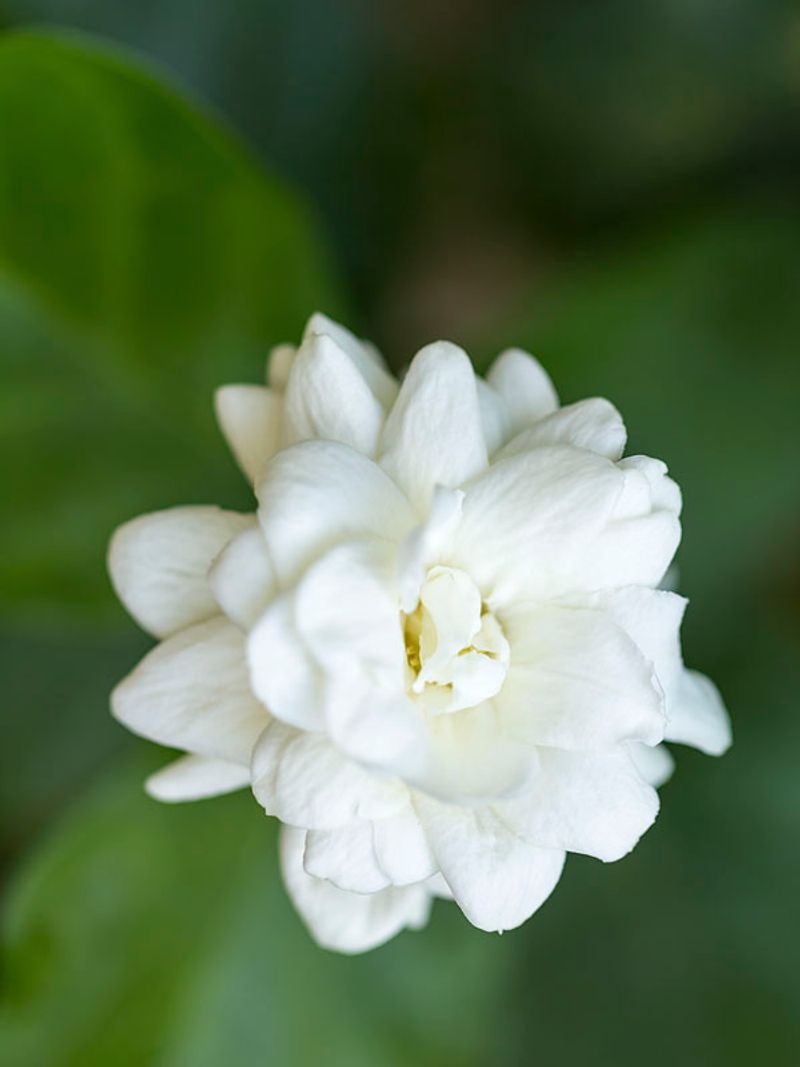
One small cluster of white flowers can perfume the spot where you settle down after dinner. Arabian jasmine, Jasminum sambac, earns its place here because its rich, sweet fragrance often becomes more noticeable in the evening.
Choose a compact cultivar such as Maid of Orleans for easier container care. Its flowers appear in flushes during warm weather, so a blooming nursery plant gives you a quicker fall payoff than a small, flowerless starter.
Set it where it receives several hours of sun, preferably morning sun with some relief from harsh afternoon heat. A pot about 14 to 18 inches wide with drainage holes gives a young plant room to grow without leaving it in an oversized mass of wet soil.
Use a quality potting mix rather than Florida yard sand, and water when the top inch begins to dry. Feed lightly according to the fertilizer label while growth remains active, and trim long shoots after a flowering flush.
South Florida gardeners usually have the longest outdoor season. In North and Central Florida, keep the container movable so you can shelter it before frost, and remember that cool weather can slow flowering.
2. Gardenia
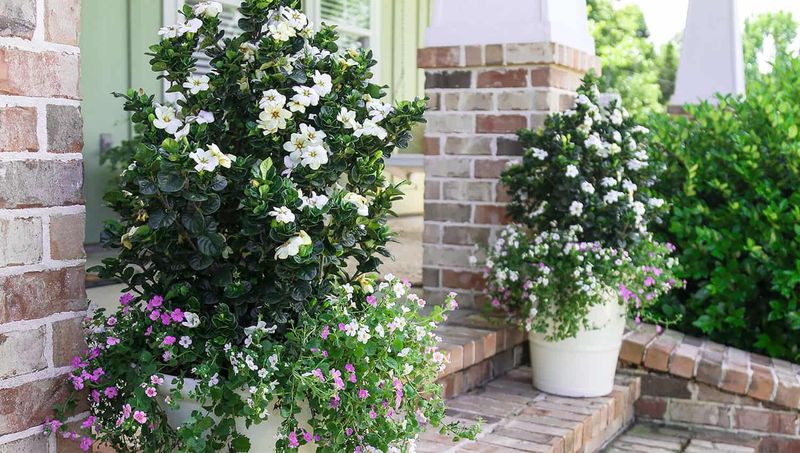
If your idea of a welcoming entry includes a classic floral perfume, a gardenia belongs near the front door. Its creamy flowers offer a fuller, heavier scent than most herbs or foliage plants, and the glossy leaves keep the pot attractive between blooms.
For fall fragrance, shop for a repeat-blooming cultivar such as Veitchii and check that the plant has buds. Many gardenias bloom most heavily in spring or early summer, so buying any gardenia and expecting nonstop autumn flowers can lead to disappointment.
Give the container morning sunlight and afternoon shade, especially on a porch that traps heat. Choose a pot with generous drainage and a potting mix suited to acid-loving plants.
Keep moisture fairly even without letting the roots sit in water. Dry spells, soggy roots, and sudden changes in conditions can all cause buds to drop before they open.
Yellow leaves deserve a closer look rather than an automatic dose of fertilizer. Alkaline irrigation water, root trouble, or nutrient problems may be involved, and your county UF/IFAS Extension office can help narrow down the cause.
Place the pot near seating while flowers are open. The scent remains enjoyable in the evening even though gardenia is not strictly a night-blooming plant.
3. Sweet Olive
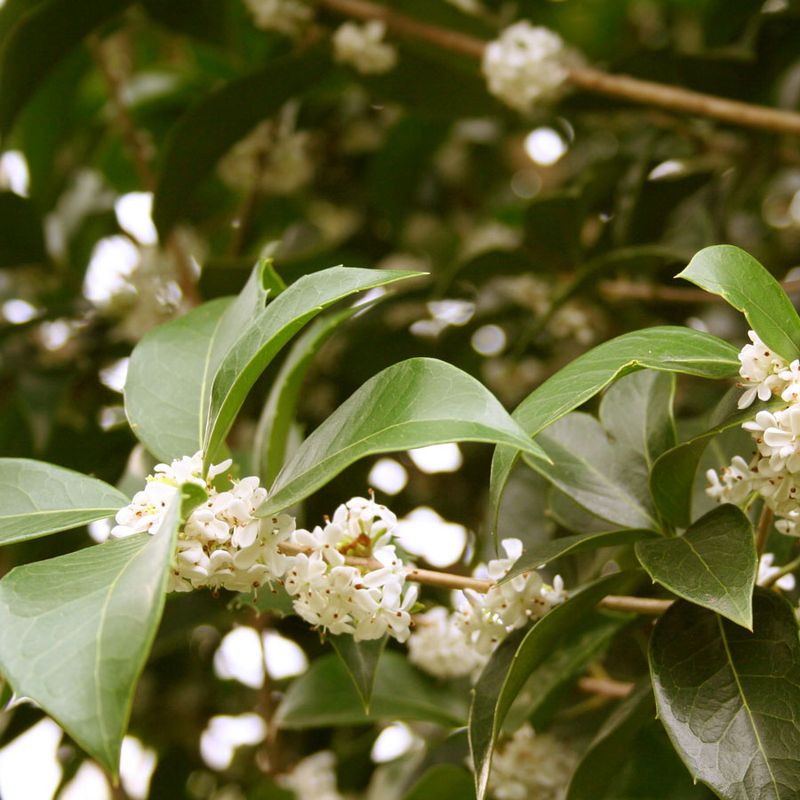
The flowers are easy to miss, but their apricot-like scent is not. Sweet olive, Osmanthus fragrans, is the quiet choice for gardeners who want fragrance without a pot covered in large, showy blooms.
Cooler weather often encourages flowering, making this shrub especially appealing for fall porch updates in North and Central Florida. Bloom comes in waves, however, and a warm spell or a young plant may change the schedule.
Start with a sturdy container roughly 18 to 24 inches wide for a nursery-size shrub. Sweet olive can become a substantial plant, so a broad, heavy pot helps keep it stable and reduces how often you need to move up a container size.
A bright porch edge with morning sun or partial sun works well. Water thoroughly, allow excess water to escape, and check the mix before watering again rather than following a fixed daily schedule.
Prune lightly to keep branches clear of walkways, preferably after a flowering period. Repeated shearing can remove growth that would otherwise carry flowers.
Its evergreen foliage also gives the porch a tidy backdrop when nothing is blooming. For the best effect, keep it close enough to your favorite chair that a passing breeze carries the fragrance toward you.
4. Tuberose
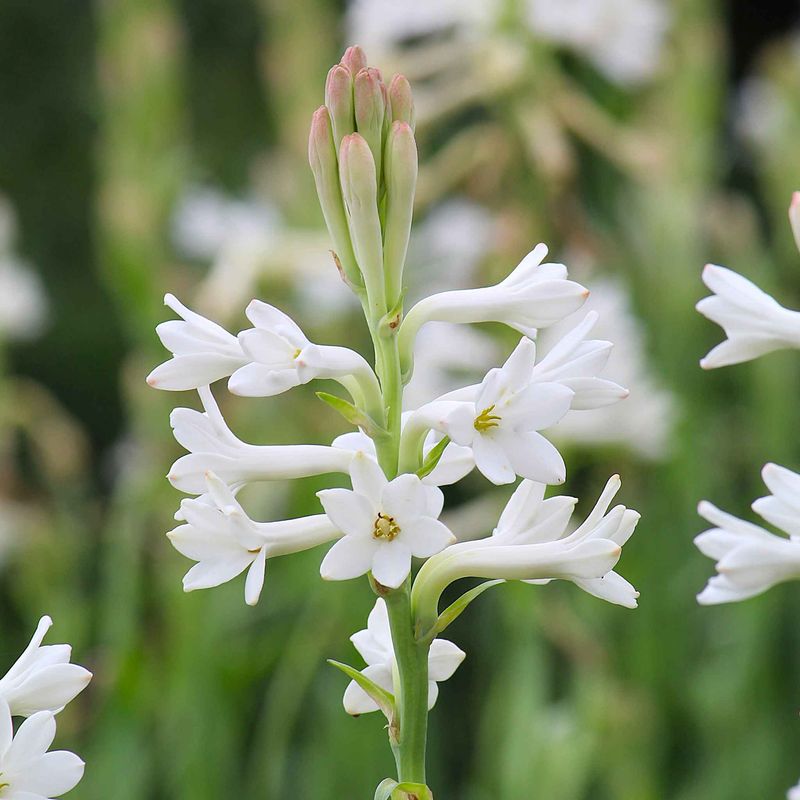
After sunset, a blooming tuberose can turn a plain porch into a richly scented sitting area. Its waxy white flowers stand on tall stalks, giving you both evening perfume and a vertical accent without a bulky shrub.
Tuberose is sold under the names Agave amica and Polianthes tuberosa. Single-flowered forms are a good choice if fragrance is your main goal, although double-flowered selections can also be strongly scented.
Timing is the catch with a fall purchase. Newly planted bulbs may need several warm months before flowering, so choose an established plant with developing flower spikes if you want fragrance this season.
Use a deep container with drainage holes and place it at the sunny outer edge of the porch. A dark, covered corner usually will not provide enough light for strong growth and reliable blooms.
Water during active growth, but avoid keeping the mix constantly soggy. A discreet stake can support a heavy flower stalk when Florida rain or gusty weather threatens to bend it.
Warm South Florida conditions offer a longer growing window. Farther north, flowering slows as temperatures fall; reduce watering when foliage dies back and protect the underground parts from freezing and prolonged wetness.
5. Moonflower
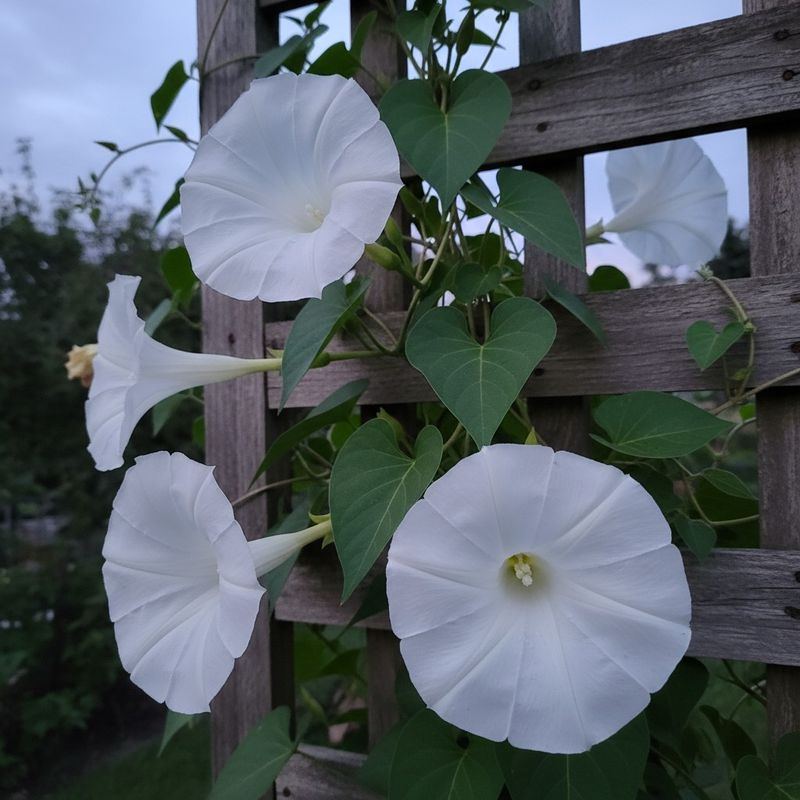
Watching a white flower open as daylight fades is half the pleasure of growing this vine. Moonflower, Ipomoea alba, adds a true evening performance, with broad trumpet-shaped blooms that release fragrance at night.
Give it a large pot and a firmly secured trellis at the sunny edge of your porch. The vine grows quickly in warm weather, and its twining stems need a planned route rather than permission to wander across screens, gutters, or nearby shrubs.
Fall results depend on where you live and how early you start. An established vine can keep flowering during warm autumn weather in South Florida, while a late sowing in North Florida may run out of time before cold arrives.
Water when the surface of the mix starts to dry, and avoid heavy feeding with high-nitrogen fertilizer. Too much nitrogen can encourage leaves at the expense of flowers.
Buy plants or seeds labeled Ipomoea alba, because the common name moonflower is also used for toxic Datura species. Keep this vine and its seeds away from children and pets as well, since plant parts should not be eaten.
Remove unwanted seed pods to limit volunteers. Near the open flowers, you may also spot night-flying moths visiting for nectar.
6. Meyer Lemon
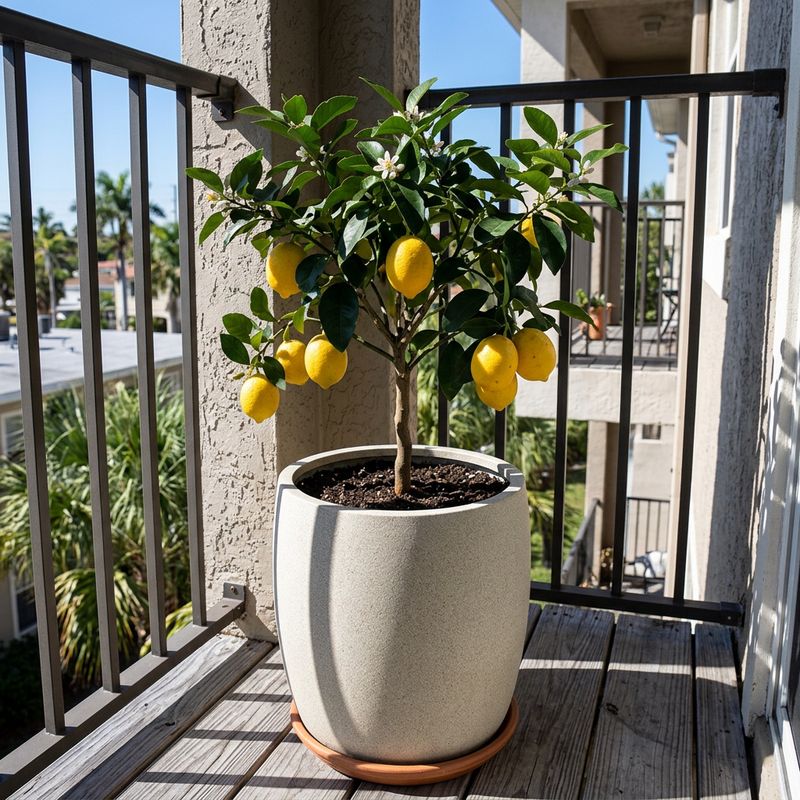
A porch pot that offers fragrant blossoms and the possibility of fruit does double duty. Meyer lemon flowers have a fresh, sweet citrus scent that remains pleasant in the evening whenever the tree is in bloom.
Unlike moonflower, this citrus does not wait until night to release its perfume. It also does not promise fall flowers every year, so choose a healthy, blooming specimen if immediate scent matters most.
Buy a certified, disease-free tree from a reputable Florida nursery. Citrus greening is a serious statewide problem, and a container does not protect a tree from the insects that spread it.
Place the pot where the tree receives at least six hours of direct sun. Most covered porches are too dim, but a sunny entry landing or the area just outside the roofline can work.
Use a well-drained potting mix and citrus fertilizer according to the label. Water deeply when the upper few inches begin drying, and keep the container out of a saucer full of standing water.
A wheeled plant caddy makes cold protection easier in North and Central Florida. Choose a manageable tree size, watch for pests on new growth, and treat the fruit as a bonus rather than a guaranteed harvest.
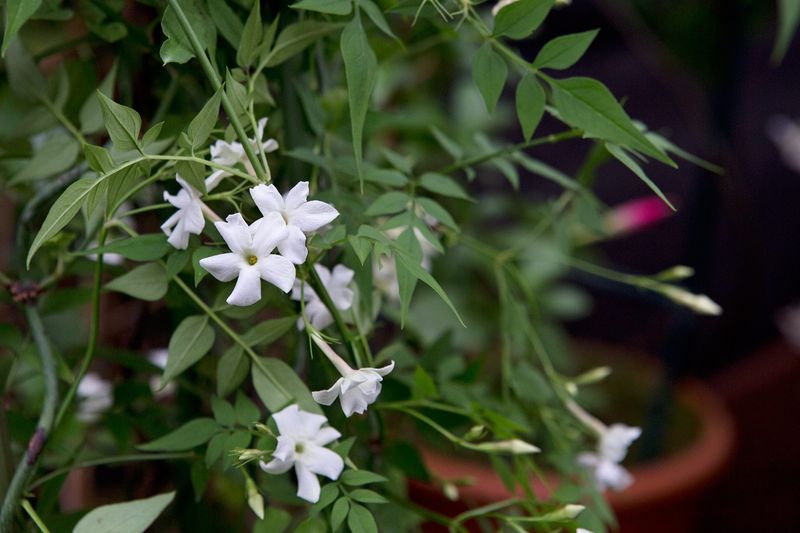
7. Common Jasmine
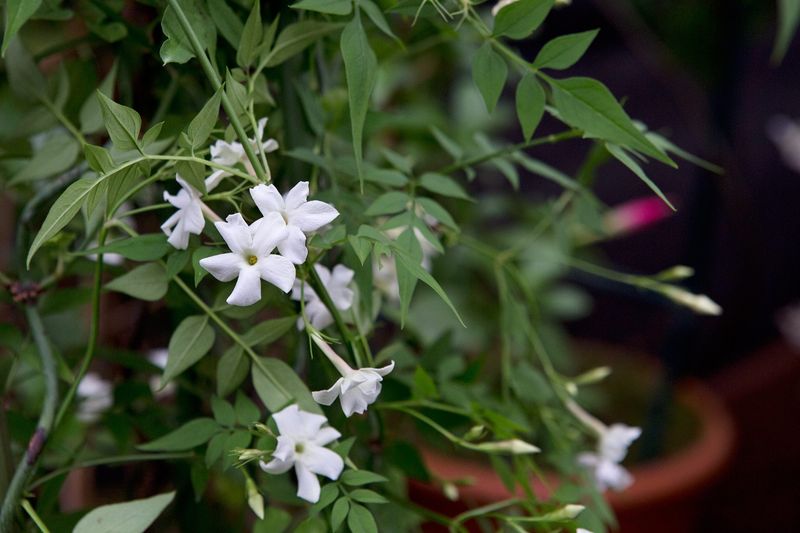
For a softer, climbing look, let a fragrant vine frame one side of your porch seating area. Common jasmine, Jasminum officinale, carries clusters of white flowers and brings a sweet scent that is often especially noticeable toward evening.
Its place on this list is the combination of fragrance, vertical growth, and better cool-weather tolerance than tropical Arabian jasmine. Even so, exposed container roots need protection during hard freezes, particularly in North Florida.
Train the stems onto a compact trellis anchored securely inside or behind the pot. Give the vine several hours of sunlight and enough space that air can move through the foliage.
Flowering usually centers on the warmer months and may continue into early fall under favorable conditions. Start with a budded plant for near-term fragrance, and do not expect a newly purchased vine to flower through every cool autumn evening.
Keep the potting mix moist but well drained, and guide new stems before they tangle around furniture. Prune after its main flowering period rather than cutting back repeatedly while buds are forming.
Check the botanical name before buying. Plants sold simply as jasmine can belong to unrelated groups with different care needs, and not every white-flowered jasmine has the fragrance you are looking for.