
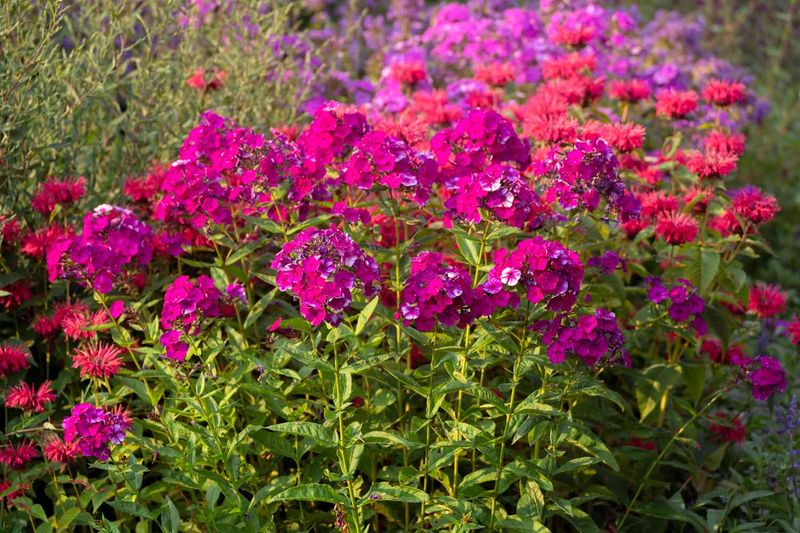
Fall in Texas is when many gardeners grab the pruners and start tidying up tired beds. Some perennials really do look and grow better with a fall trim, but others are packed with seeds, shelter, and hollow stems that birds and insects count on all winter.
Knowing which is which can save you work and turn your yard into a winter refuge for goldfinches, native bees, and butterflies. Here are six plants to cut back and six to leave standing, all suited to Texas yards.
1. Cut Back: Lantana
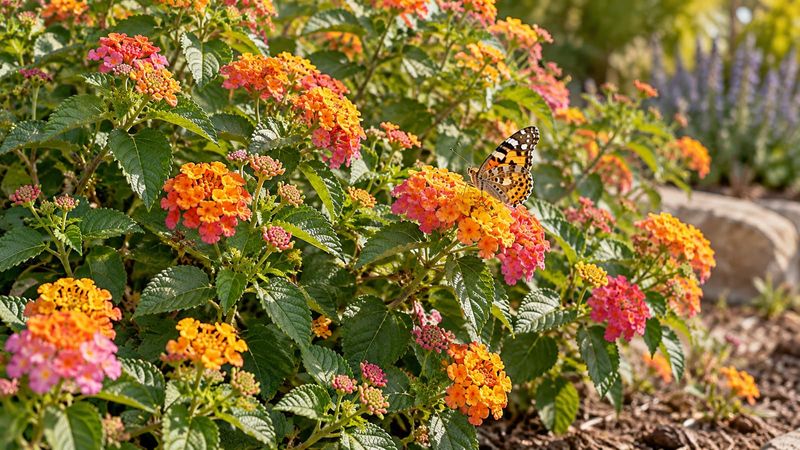
Anyone who has watched lantana swallow a sidewalk by October knows this plant does not do subtle. After a long Texas summer, it often turns woody, leggy, and half-bare in the middle.
A light fall shaping is fine for keeping paths clear, but save the hard cut for late winter, after your last freeze. Leaving some stems over winter can help protect the crown in North and Central Texas, where a hard freeze may knock it to the ground.
Once new growth shows in spring, cut it back to about 6 to 12 inches. You will get a tighter, bloom-covered mound by May that butterflies swarm all summer.
2. Cut Back: Daylilies
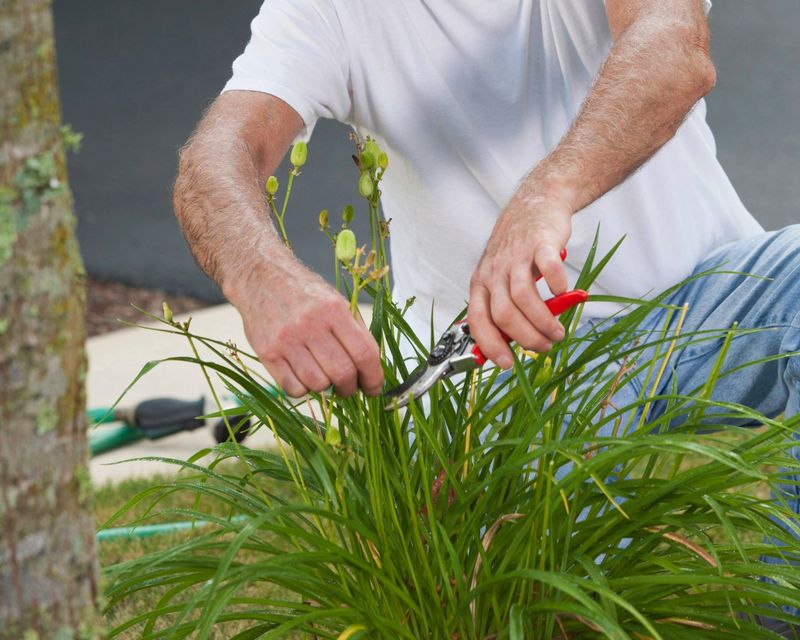
Here is a plant wildlife mostly ignores in winter. Daylily seed pods are rarely useful to birds, and the floppy, browned leaves can hide snails, slugs, and fungal spots heading into a mild Gulf Coast winter.
Trim spent scapes and tattered foliage down to a few inches once leaves yellow. Many evergreen types in South Texas will simply push fresh leaves, so remove only the dead stuff there.
Fall is also a smart time to divide crowded clumps. Spread the extras along a sunny border and you will have more blooms next spring for free.
3. Cut Back: Bearded and Louisiana Iris
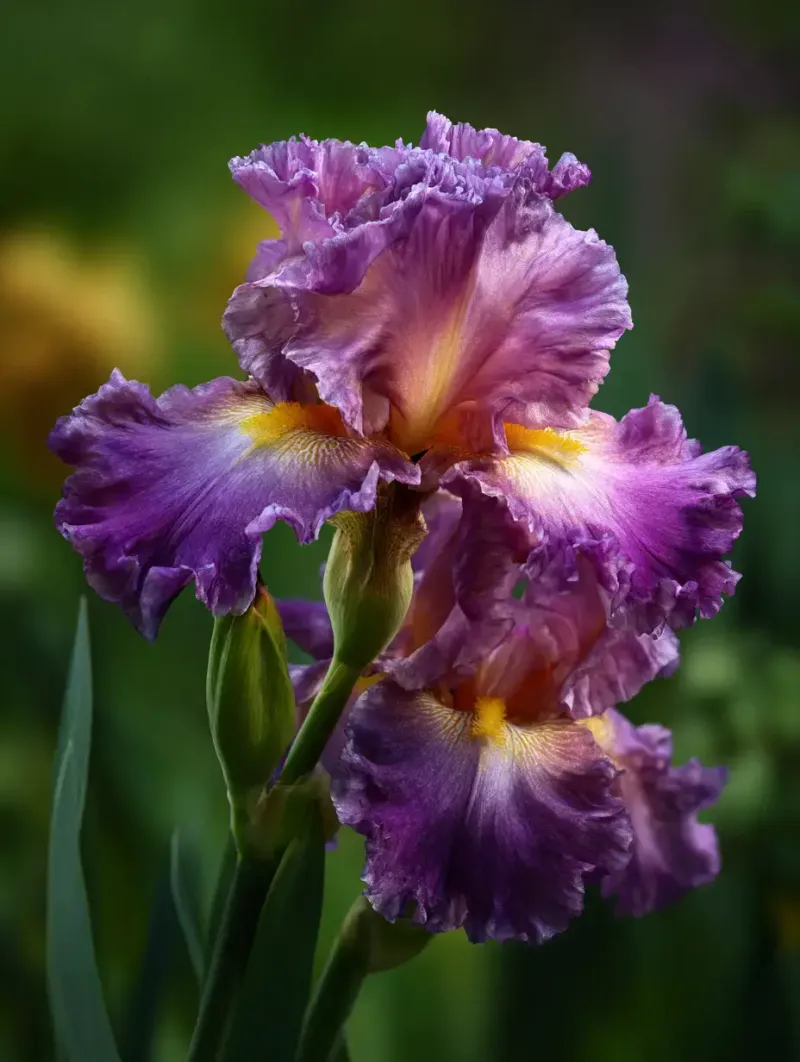
Iris borers and leaf spot love a messy iris bed. Clearing old, browned foliage in fall removes places where pests and disease can hang around until spring.
For bearded iris, trim leaves into a neat fan about 6 inches tall and pull away any dead material at the rhizome. Louisiana irises, which actually wake up and grow through the cool season in Texas, just need their brown summer leaves removed.
Toss the trimmings in the trash rather than the compost if you saw spots or borer damage. Clean beds now usually mean healthier blooms in March and April.
4. Cut Back: Garden Phlox and Powdery Mildew Plants
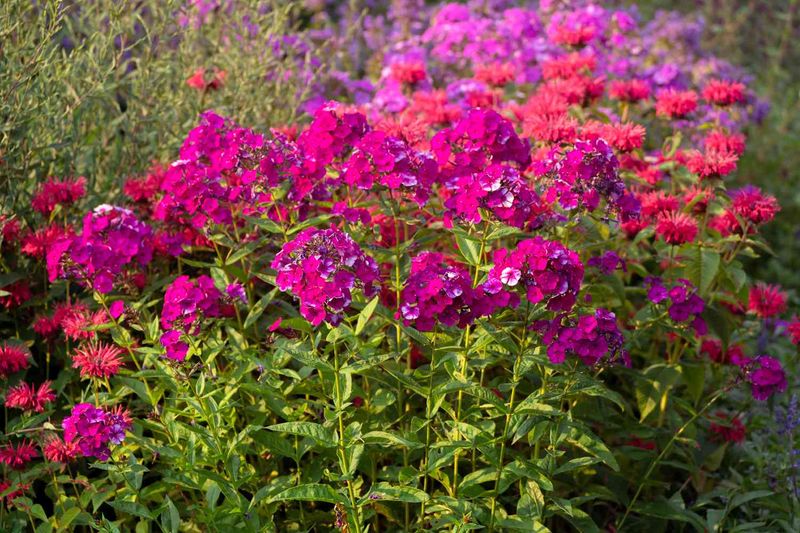
Humid Texas falls are tough on phlox, bee balm, and zinnia-type perennials. By October, many leaves wear a dusty gray coat of powdery mildew.
That fungus can carry over on dead stems and leaves, so cutting these plants to the ground and bagging the debris may help reduce trouble next year. It is one of the few cases where a fully tidy cut makes real sense.
Next spring, give them more airflow by thinning stems and watering at the soil line instead of over the leaves.
5. Cut Back: Salvia Greggii and Autumn Sage
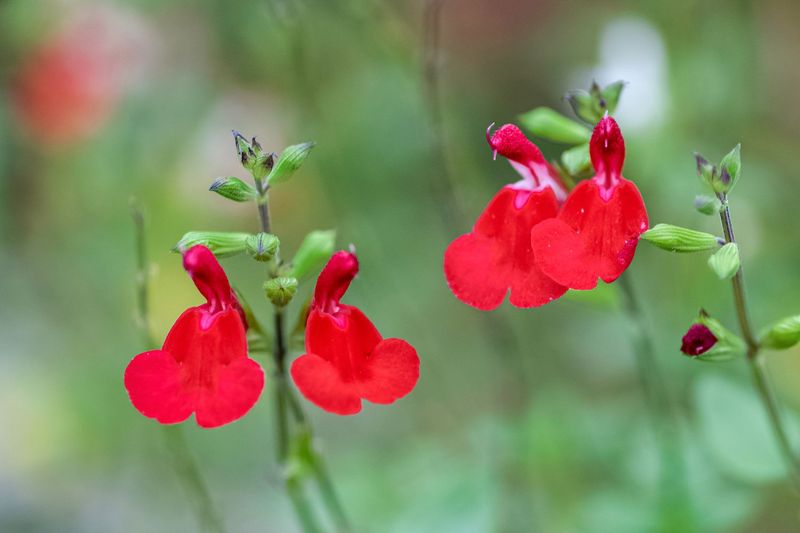
Autumn sage is a Texas native star, and hummingbirds often feed on it right through fall migration. So hold off on heavy cutting until those last ruby-throats move south.
After that, a light shearing to remove spent flower spikes keeps plants tidy. The serious trim, cutting back about a third, works best in late winter before spring growth starts.
Skip the hard cut and Salvia greggii tends to get woody and open in the middle. A yearly haircut keeps it dense, drought tough, and loaded with color in triple-digit heat.
6. Cut Back: Mexican Bush Sage
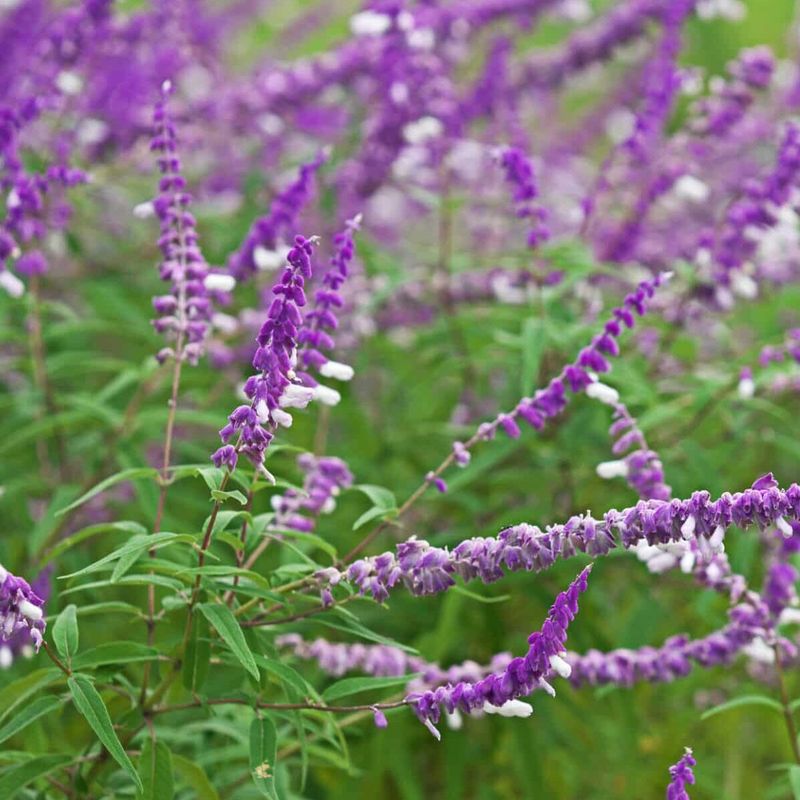
Few fall sights beat a fuzzy purple wave of Mexican bush sage in November. Wait until blooms fade or frost browns it, then cut stems down to a few inches above new basal growth.
Left alone, old stems flop and look ragged until spring. A clean cut also encourages a stronger, less sprawling plant next year.
Fun fact: its velvet color comes from calyxes, not petals, which is why the show lasts so long.
7. Leave Standing: Purple Coneflower
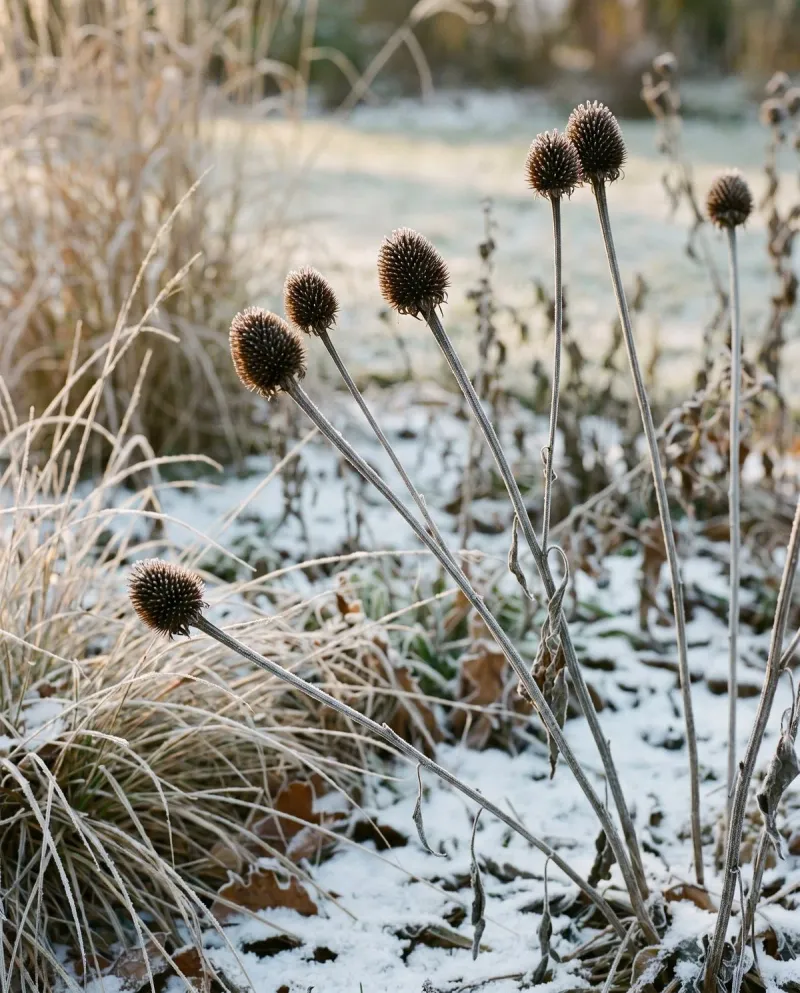
Watch a dried coneflower patch on a cold January morning and you may spot goldfinches clinging upside down to pick out seeds. Those spiky brown heads are a winter buffet.
Leave stems standing through winter and cut them in late February as new leaves appear. Dropped seeds may also self-sow a few new plants.
Bonus: the cones add structure and texture to beds that would otherwise look flat until spring.
8. Leave Standing: Maximilian Sunflower
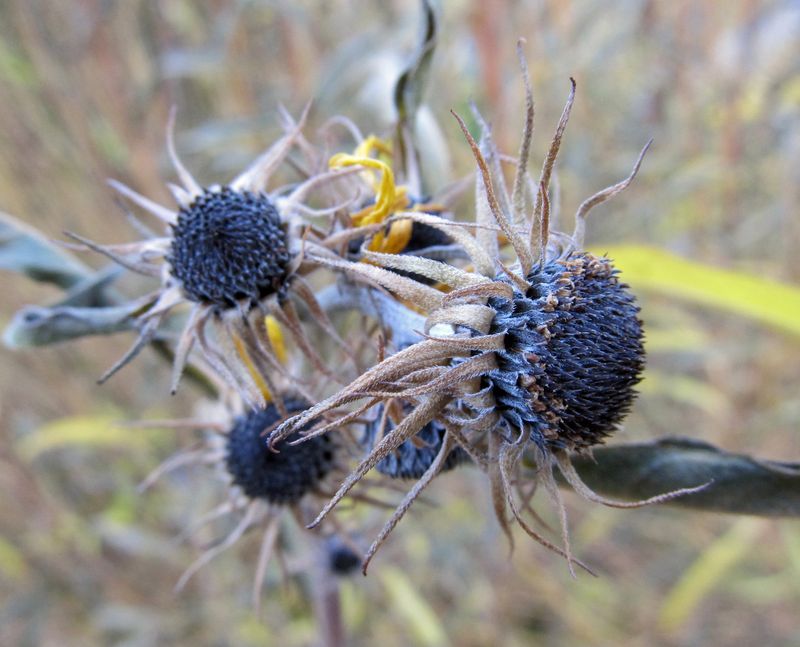
Standing up to 8 feet tall, Maximilian sunflower is a Texas prairie giant with a big payoff for birds. Its small seed heads feed sparrows, finches, and chickadees well into winter.
Let the stalks stay up. If they flop over walkways, cut only the leaning ones and lay them in a back corner where birds can still forage.
Many native bees also nest in old pithy stems, so trim the rest in spring to about 12 to 18 inches and leave those stubs in place.
9. Leave Standing: Little Bluestem
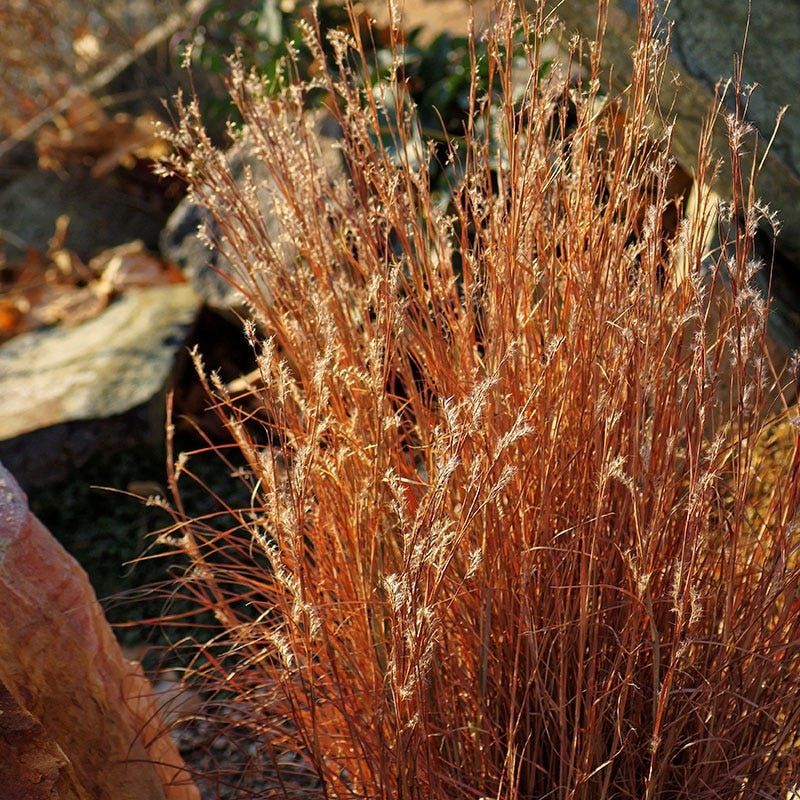
Little bluestem turns a gorgeous copper color in fall, and that alone is reason to keep it. Wildlife has even better reasons.
Dense clumps shelter overwintering insects, ground-feeding birds, and even some butterfly caterpillars, including skippers that use it as a host. Seeds can feed sparrows and juncos too.
Cut it back to 4 to 6 inches in late winter, before fresh green shoots emerge. It is drought tough and one of the best native grass swaps for thirsty lawn edges.
10. Leave Standing: Gregg’s Mistflower
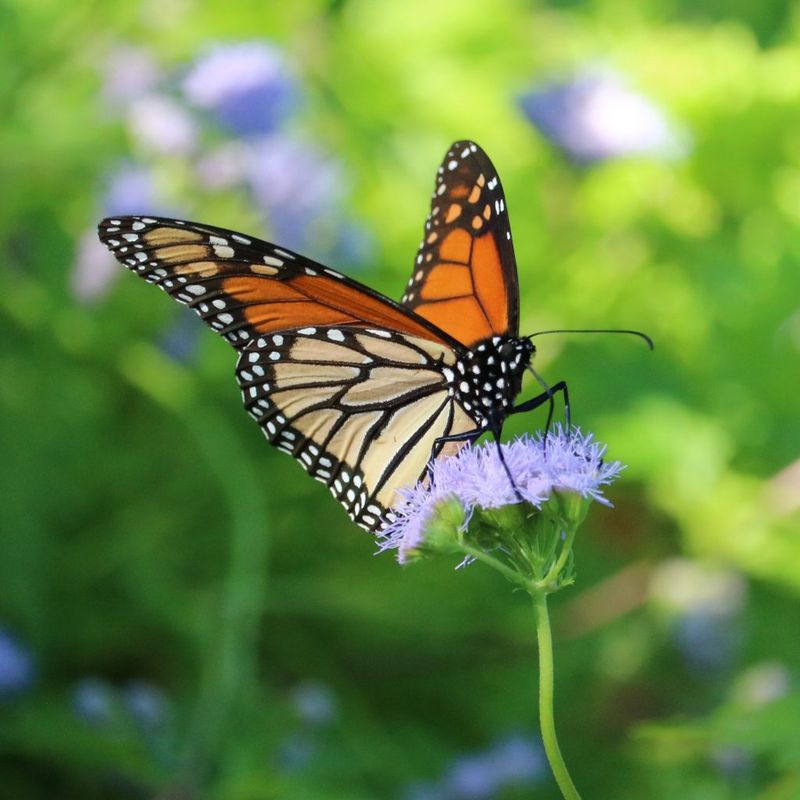
Monarchs and queens crowd Gregg’s mistflower in October like it is the last gas station on the highway. During fall migration, this native can be one of the busiest plants in a Texas yard.
Keep it blooming and uncut through migration. Once frost knocks it back, the tangled stems still give shelter to small insects.
Trim to a few inches in late winter. It spreads happily, so dig and share extras with neighbors.
11. Leave Standing: Frostweed
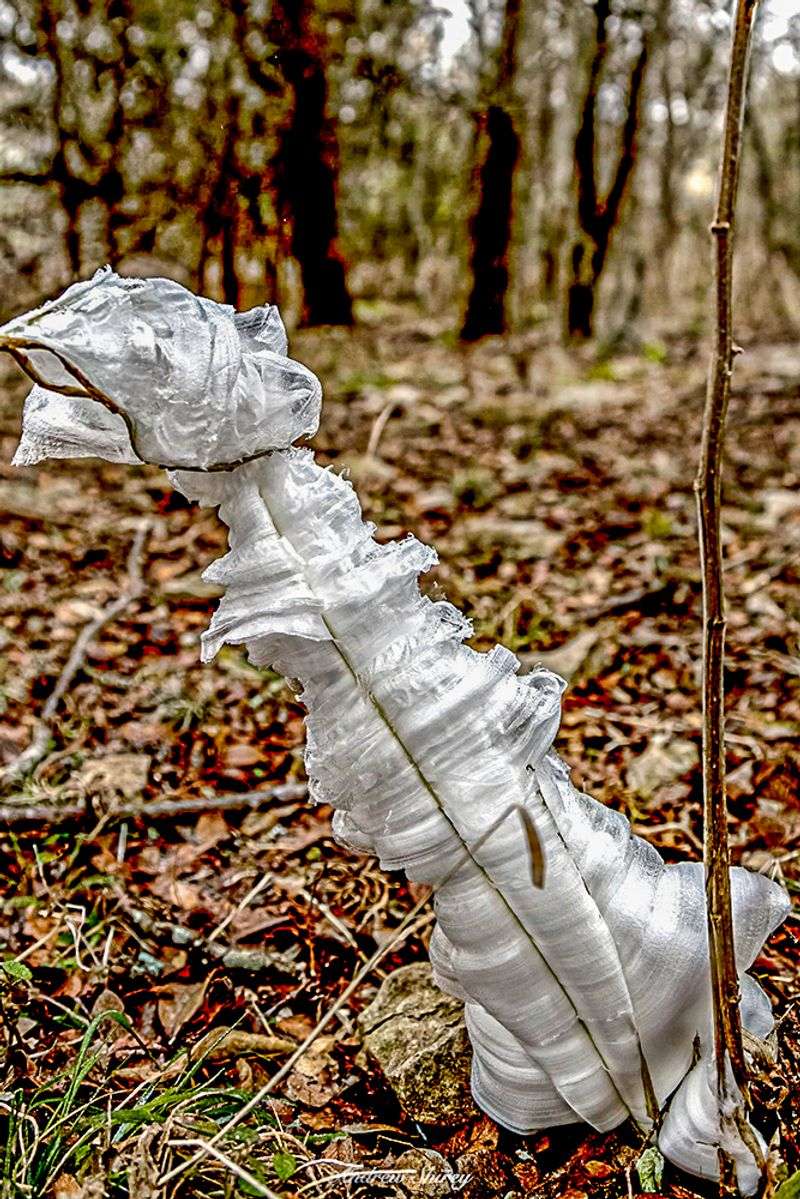
On the first hard freeze, frostweed does something magical. Sap pushes out of its stems and freezes into curling white ice ribbons, a sight Texans love to photograph.
That only happens if the stalks are still standing. Before the freeze, its white flowers also feed late monarchs and many bees.
Let dry stems remain through winter, then cut in early spring, leaving some hollow stubs for native bees to nest in.
12. Leave Standing: Milkweed
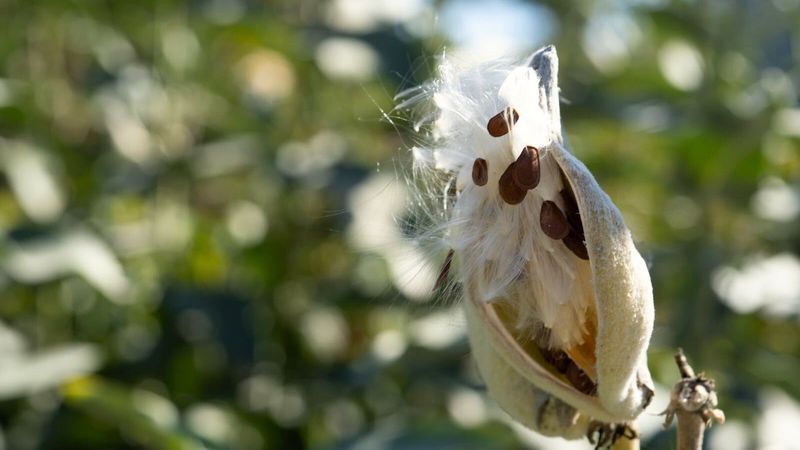
Milkweed is the monarch’s only host plant, and Texas sits right in the middle of their migration path. Leaving native milkweeds such as antelope horns standing lets pods split and scatter seed naturally.
If you grow tropical milkweed, the story flips. Many experts suggest cutting it back in fall and winter in South Texas, since lingering foliage may encourage monarchs to stay and could raise parasite risk.
So keep the natives, trim the tropicals, and you will be doing monarchs a real favor.