
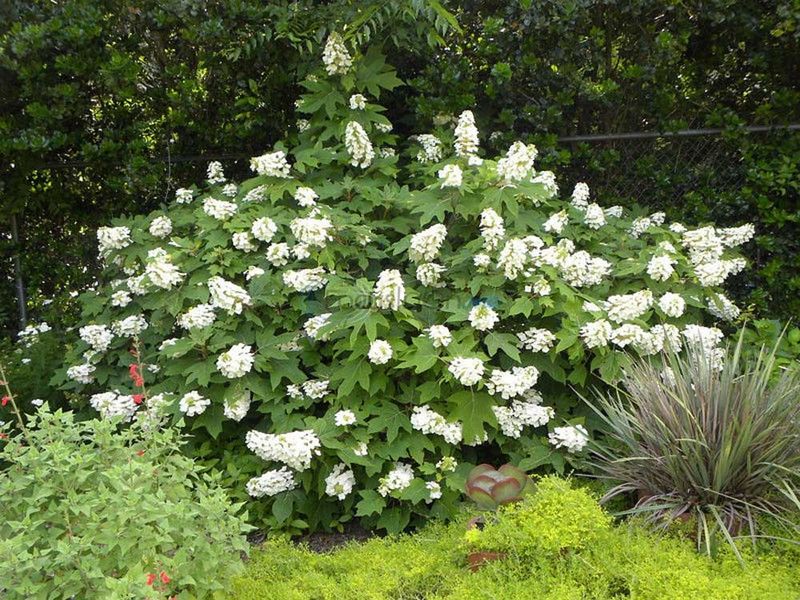
Big, showy flower clusters usually make Florida gardeners think of thirsty shrubs that droop by afternoon. Oakleaf hydrangea is a real hydrangea that grows wild in parts of Florida, and it brings a bold bloom display to shady spots.
Once it settles in, it may ask for less routine watering than you expect. Here is how to tell whether it fits your yard.
Oakleaf hydrangea offers a different kind of flower show
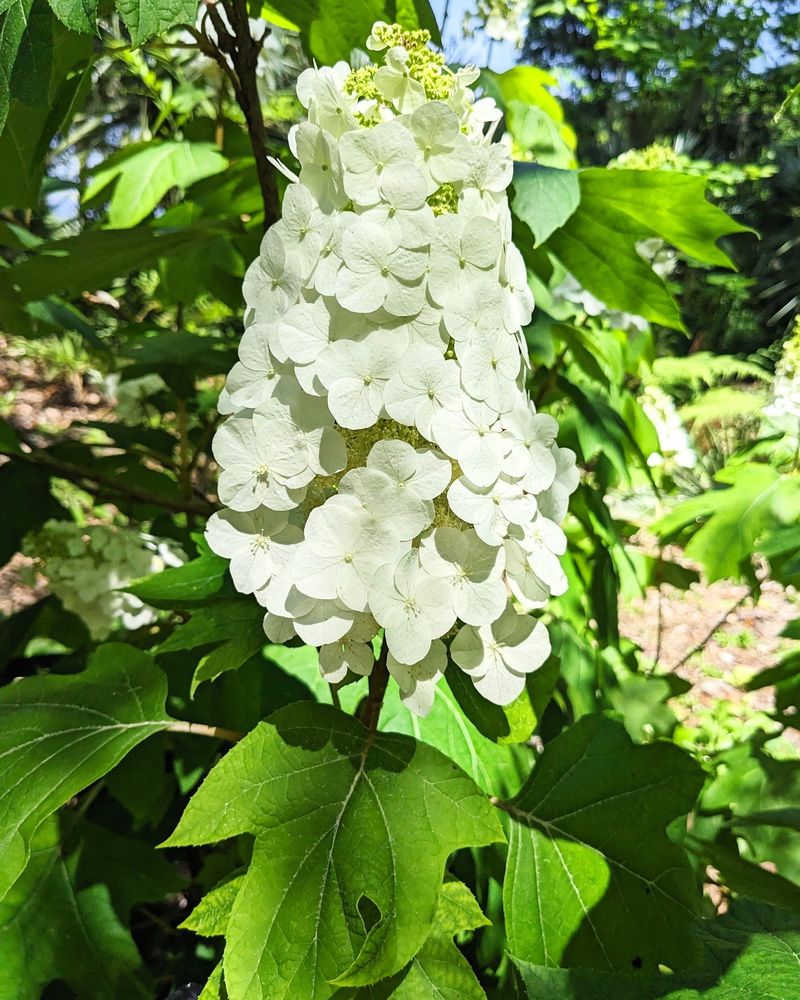
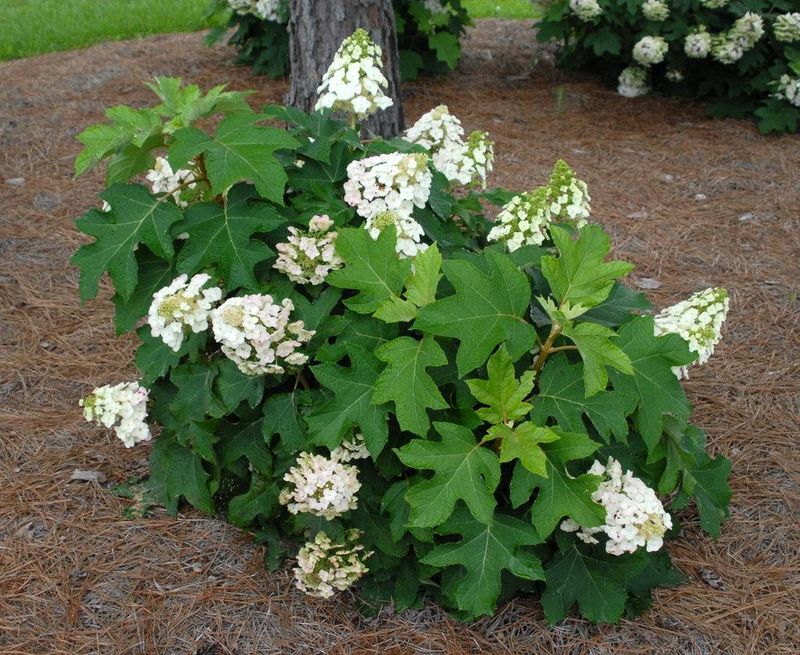
Hydrangea quercifolia, known as oakleaf hydrangea, is a true hydrangea and it is native to Florida. Its large, lobed leaves look a bit like oak leaves, which is where the name comes from.
The real star is the bloom, and it is easy to spot in a shady border.
The flowers are elongated, cone-shaped clusters of white. UF/IFAS describes the blooms as lasting for months, fading toward pink or purple and then to tan as they age.
That slow color change gives the shrub a long season of interest, well beyond the first flush of white.
Many people picture a different flower when they hear the word hydrangea. Bigleaf hydrangea, Hydrangea macrophylla, is the one with the rounded mophead blooms, and UF/IFAS hydrangea guidance covers how those types differ.
Oakleaf will not give you that ball shape, and it will not give you bigleaf’s range of blue and pink shades.
What you get instead is a tall, airy plume that stands out against dark foliage. If you want a showy flowering shrub with a native pedigree, the display is real.
Just plan for cones, not globes.
That difference matters when you are shopping. A gardener expecting a mophead may feel let down, while one who wants a natural, woodland-style bloom will likely be thrilled.
Knowing the shape ahead of time makes the choice easier.
Where it fits in Florida
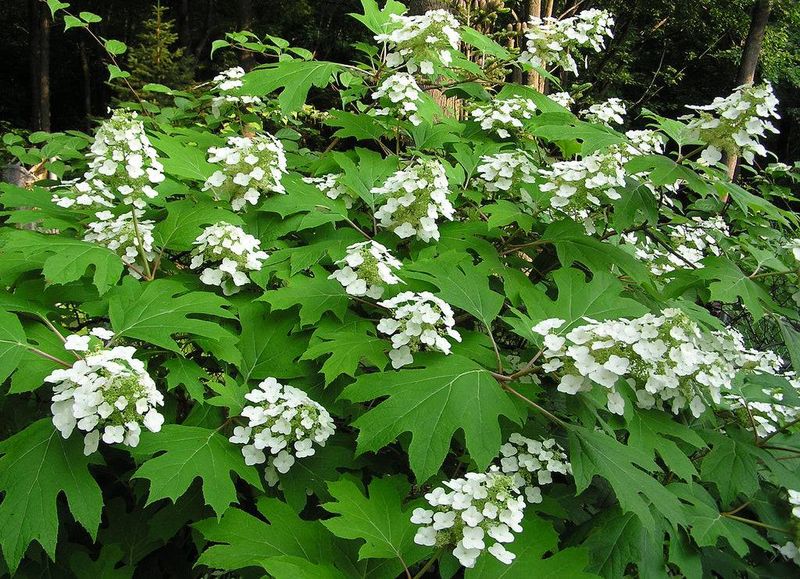
Native to Florida does not mean right for every Florida yard. The U.S.
Forest Service describes the native range as reaching northwestern Florida, so the plant has deep roots in the northern part of the state.
UF/IFAS lists hardiness zones 5a through 9b for the shrub, which covers North Florida and much of Central Florida. The same source says it needs at least some shade in Florida.
That one detail often decides success or failure.
Walk your yard at different times of day. A spot that gets morning sun and afternoon shade, or light filtered through tall trees, is a good candidate.
A bare, sunbaked bed along a driveway is not.
If you garden in far South Florida, be cautious. The zone range and native range both point north, so treat the shrub as a maybe there, not a sure thing.
In North and Central Florida, a shaded site with decent soil makes it a sensible pick worth trying.
Choose the site, not just the native plant
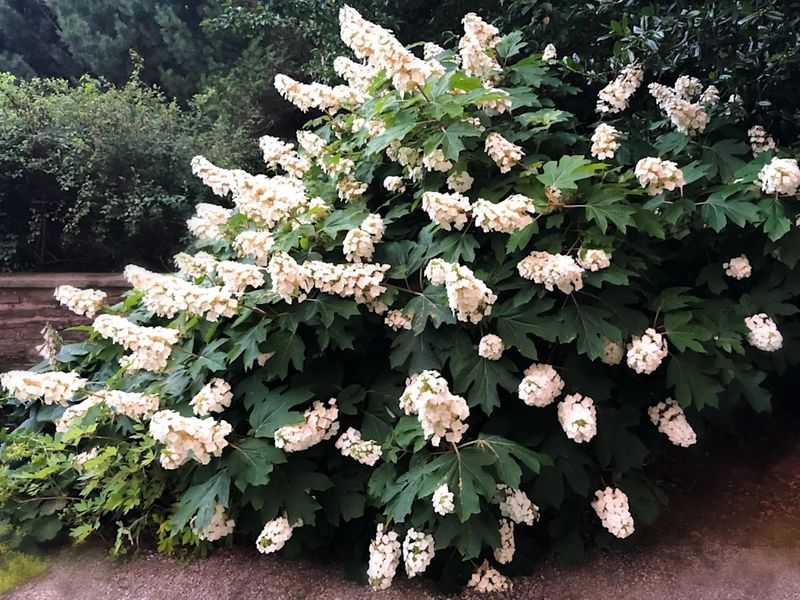
Picture where this shrub grows in the wild. The U.S.
Forest Service lists moist slopes, bottomland forests, ravines, and stream areas. Those are not dry places, so do not treat the plant as a dry-site fix just because it is native.
Aim for partial to nearly full shade. The UF/IFAS fact sheet lists sand among the soils it tolerates, but it also says the plant prefers rich, moist, well-drained soil and rates drought tolerance as moderate.
In plain terms, plain sand will keep it alive but may keep it from looking its best. Mixing compost into the planting area and adding a layer of mulch helps hold moisture and feed the roots.
Fertile, well-drained ground is the target.
Bigleaf hydrangeas come with their own list of worries. A Florida Extension article notes that sandy, infertile soil and summer wilting can be concerns for that type.
Those problems should not be pinned on every hydrangea species or cultivar, and oakleaf has its own, different needs.
Water it while it establishes, then watch for stress
A new planting is thirsty. UF/IFAS shrub-establishment guidance says to water regularly while roots spread into the surrounding soil, then reduce or stop routine irrigation once the shrub is established.
It also says to water during long hot, dry weather if plants show stress.
That advice covers shrubs in general. It is not a fixed oakleaf hydrangea schedule, so use it as a framework and watch your own plant.
Stress signs are easy to read. Leaves that droop and do not recover by evening, or edges that crisp up, mean it is time for a deep soak.
Check the soil a few inches down before you turn on the hose.
Moderate drought tolerance is not the same as high drought tolerance. UF/IFAS says it is relatively easy to care for after establishment, with water needed during extended dry periods.
Site matters too. The same establishment guidance notes that very sandy soil and exposed, windy spots can raise irrigation needs.
A shaded bed with amended soil will likely need far less help than a breezy sandy corner.
Give it room and prune after flowering
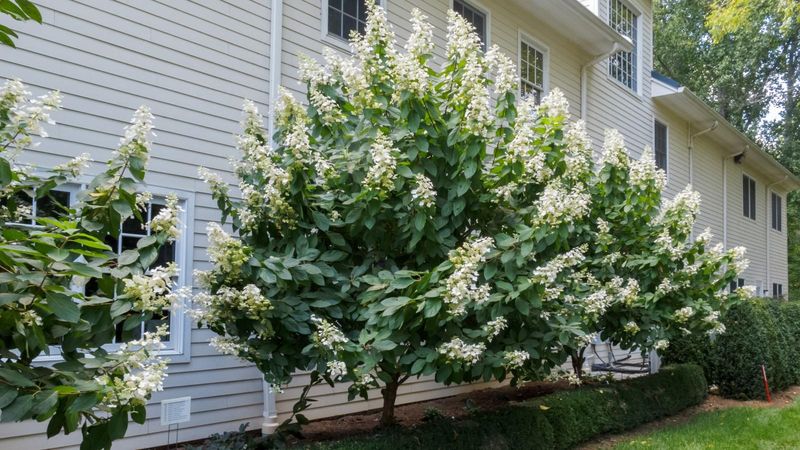
Measure before you plant. UF/IFAS gives a mature size of roughly 6 to 10 feet tall and 3 to 5 feet wide.
That is a substantial shrub, not a foundation filler you can tuck under a window.
Good spots include the back of a shaded border, a woodland edge, or a corner where it has space to open up. Leave several feet from walkways, fences, and the house so you are not fighting it later.
Pruning is simple if you time it right. Shape the shrub after it finishes flowering, because next year’s flowers develop on old wood.
Cutting it back in late winter or early spring can remove the buds that would have become blooms. If you only need to tidy up, take out dead stems and trim lightly once the flowers fade.
Planning the right size from the start means you rarely need to prune hard at all.
Account for pet toxicity
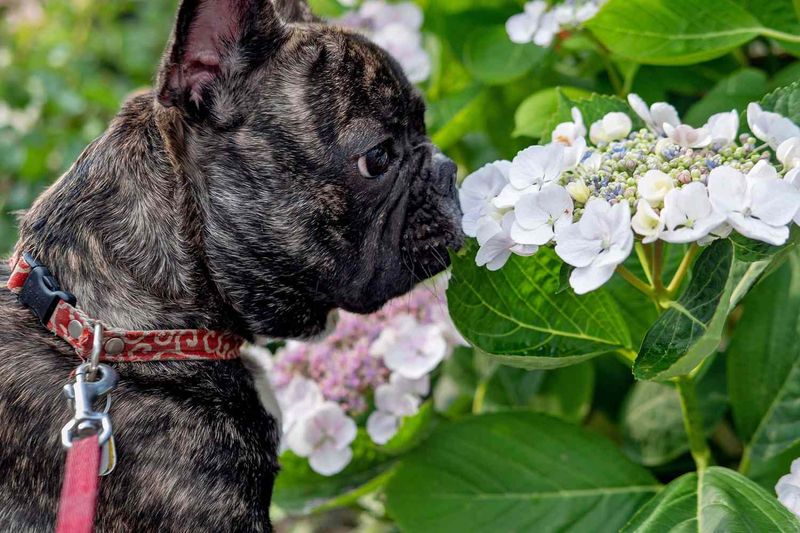
Households with dogs, cats, or other pets need to know this up front. UF/IFAS identifies oakleaf hydrangea as toxic to pets.
It should not be chosen or placed as though it were a pet-safe plant.
If your pets roam the yard freely, consider planting it where they cannot reach it, such as behind a fence or in a bed they do not use. You can also pick a different shrub for that spot.
If a pet eats any part of the plant, contact a veterinarian or an animal poison-control service right away. The FDA explains who to call in a pet emergency.
Keep those phone numbers handy, and let the professionals decide on treatment.
A lower-watering choice, with conditions
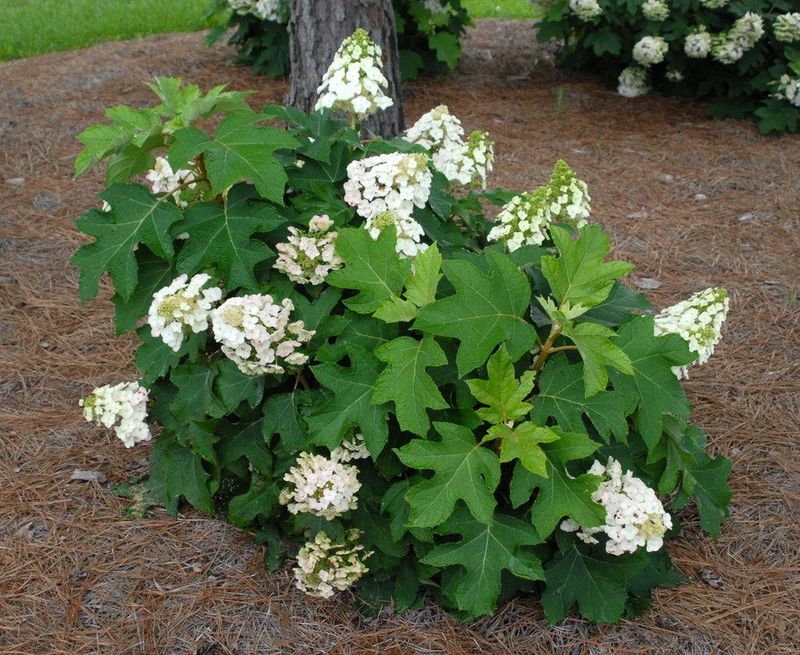
Pick oakleaf hydrangea when you have real shade, decent soil, and room for a big shrub in North or Central Florida. In that setting, it can deliver a native hydrangea display with less routine watering once it is established.
Plan on steady water in the first months, and a deep soak when a long dry spell hits. The UF/IFAS fact sheet keeps its drought tolerance at moderate, not high.
It is a smart match for the right spot, not a cure for every dry yard. Choose the site first and the flowers will follow.