
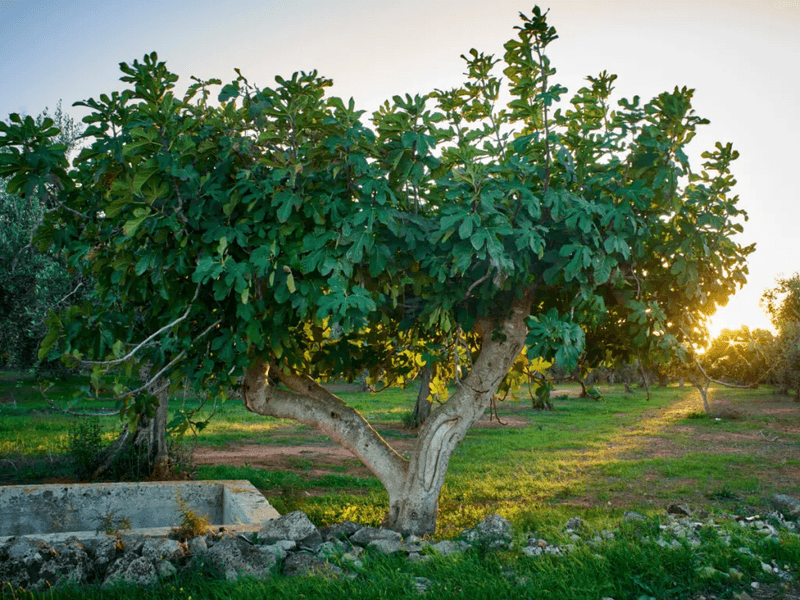
Fig trees look tough, and in much of Texas they are. Still, a few choices made between October and February can change what the tree gives you next summer.
Heavy cuts, late pushes of growth, and a hard freeze can all play a part. Here is how to sort the real risks from the myths so you can care for your tree with confidence.
Winter injury can put a crop at risk
No single fall mistake is guaranteed to cost a Central Texas gardener next summer’s figs. What fall care can do is nudge the odds one way or the other.
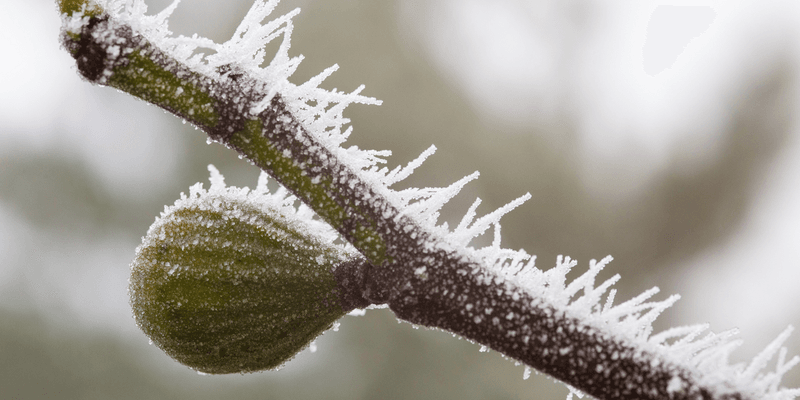
Cold is the biggest wildcard, because unprotected fig stems can be injured by winter freezes, and badly damaged stems can mean a smaller crop later.
Where you garden matters a lot. Texas A&M AgriLife guidance says figs grow across the state and do especially well along the Gulf Coast.
It recommends cold protection at the start of winter, especially in the colder northern and western parts of Texas. It does not say every Central Texas tree needs elaborate protection every year.
So think of fall as a time to weigh a few risks, not to panic. A tree in a sheltered Austin yard faces different odds than one on an exposed hilltop near the Panhandle edge of fig country.
Your own record of past freezes is a useful guide.
The next sections cover the choices that deserve a second look: how much wood you cut, whether you push late growth, how you protect the tree from cold, how you water, and when you clean up freeze damage. Each one can shape next year’s harvest, and none is a guarantee either way.
Cultivar matters too, since some figs shrug off cold better than others. Knowing your tree’s variety makes every decision easier.
If you are not sure what you planted, check old plant tags or ask the nursery where you bought it.
Know which wood bears the figs
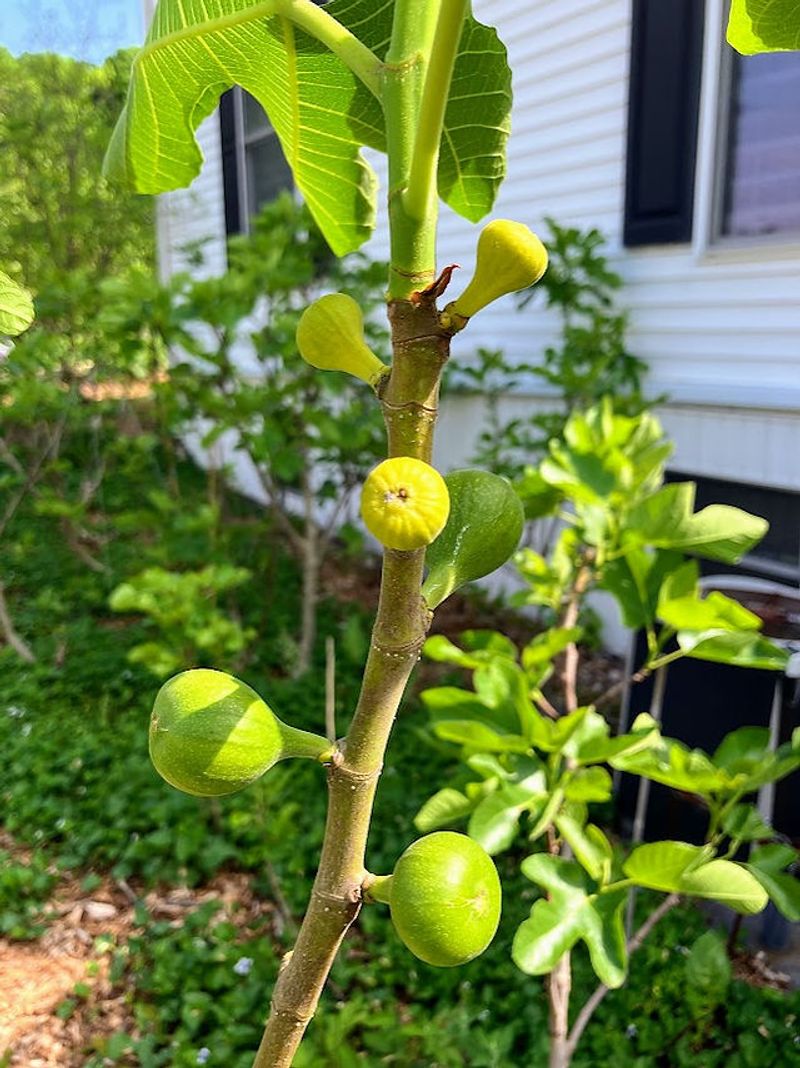
A fig tree can offer two different crops, and they grow on different wood. Some varieties set an early crop called brebas on last year’s wood.
The main crop, which ripens later in summer, forms on the current season’s new growth.
That difference explains why pruning advice can seem to disagree. UC Statewide IPM guidance on pruning figs notes that mature figs generally set fruit on current-season growth.
Cutting back older wood can therefore trim the early breba crop while leaving the main crop on the way.
Picture a gardener who shortens every branch in winter. The tree may still push out strong new shoots in spring and carry a main crop on them.
What that gardener likely gave up is the early round of brebas.
Cultivar and growing conditions change the picture. Some varieties lean heavily on brebas, and others hardly bother with them.
University of Maryland Extension describes how damage to main stems can reduce a following crop, but that comes from Maryland conditions and is not a forecast for your Texas yard.
A simple habit helps. In winter, look at the wood on your tree and recall where last summer’s early figs appeared.
That tells you which branches are worth keeping.
Prune for a reason, not by default
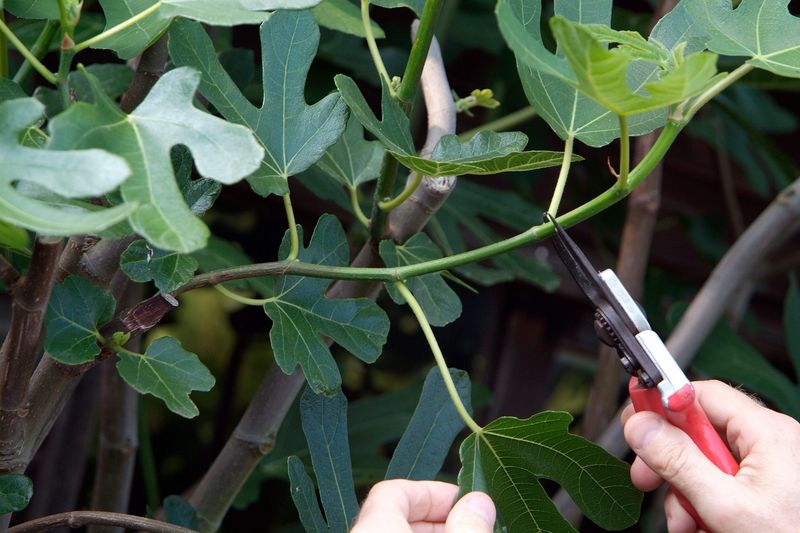
Figs need less pruning than most fruit trees, so a big haircut is rarely required. The risk comes from cutting hard without a purpose.
Severe cuts can remove the older wood that carries brebas, and UF/IFAS cautions that heavy winter pruning can eliminate the following crop in some situations.
A lighter approach fits Texas well. Texas A&M recommends removing dead, diseased, and weak limbs during dormancy.
That is cleanup, not reshaping, and it leaves most productive wood in place.
Timing advice varies by region and goal. Florida sources lean toward pruning after harvest, and other states describe pruning after leaf drop.
No single calendar fits every yard, so match the cut to your purpose instead of the date.
If you love early brebas, be extra careful with older branches that fruited last year. Thin out crossing or crowded limbs, and leave the sturdy framework alone.
For a tree that mainly gives a summer main crop, you have more freedom, since that crop comes from current-season growth.
Before each cut, ask what problem it solves. If the answer is dead, diseased, or weak, go ahead.
If the answer is only that it is fall and the tree looks big, put the pruners down.
Avoid unnecessary late-season growth stimulation
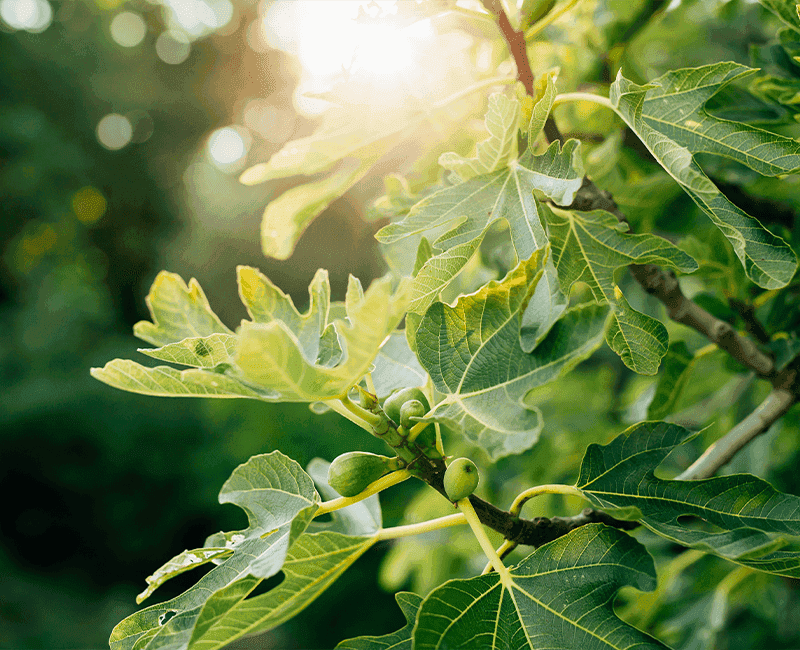
Fresh, soft shoots are the tender part of a fig, and cold hits them first. That is the reason for a narrow caution about late-season care.
Practices that push a flush of growth as the weather cools may leave new tissue exposed to the first hard freeze.
UF/IFAS advises against late-summer fertilizing or irrigation habits that trigger that kind of growth. UGA Extension likewise notes that very vigorous growth is more prone to winter injury in North Georgia.
It helps to keep this in proportion. These sources do not show that any fall fertilizer destroys next year’s crop.
Too much nitrogen can also favor leafy growth over fruit, which is a separate reason to go easy.
Be careful with calendars, too. Florida’s fertilizer schedule ends by early August, but that date was written for Florida and is not a tested Central Texas cutoff.
Texas gardeners are better served by watching the tree.
If your fig is already growing fast and looks lush, skip the extra feeding as autumn approaches. A slower tree heading into dormancy is usually a calmer tree.
Let it settle down on its own.
Match freeze protection to local conditions
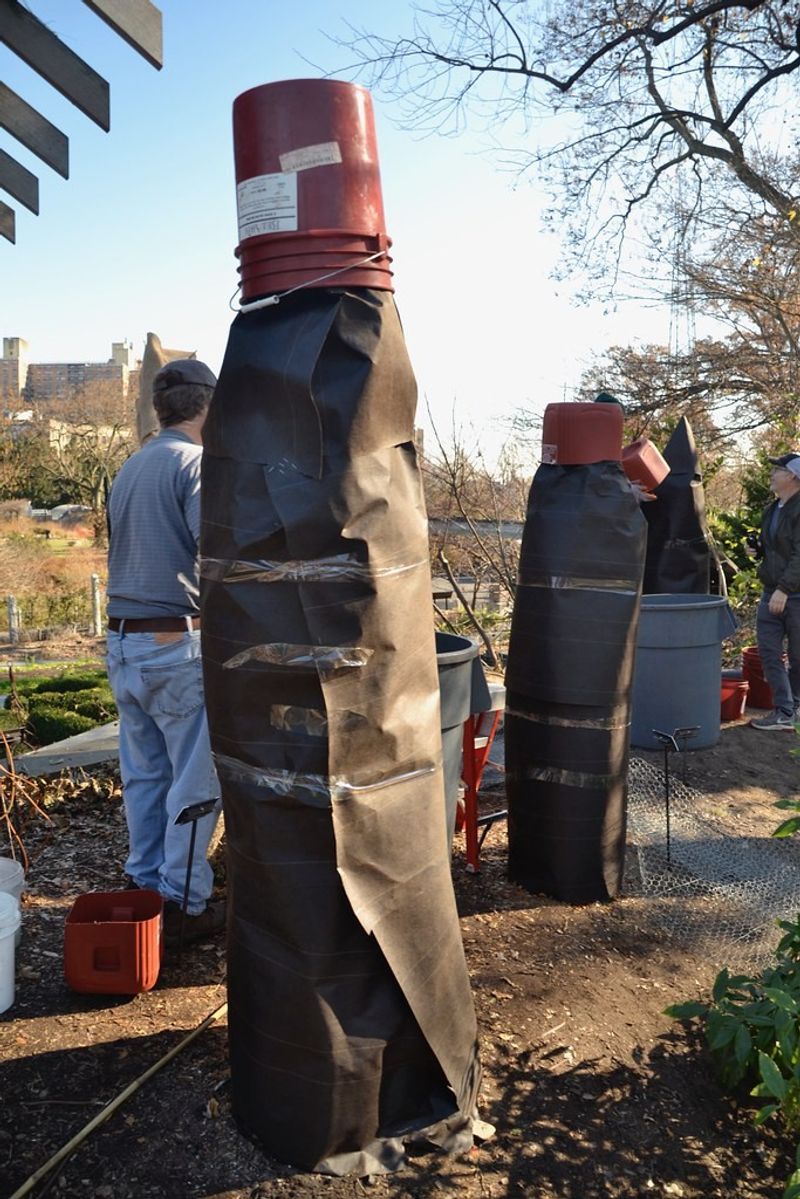
Freeze protection is the main fall action step, and it should fit your location. Texas A&M recommends cold protection at the onset of winter where conditions warrant it, especially in far northern and western Texas.
Many gardeners farther south can get by with far less.
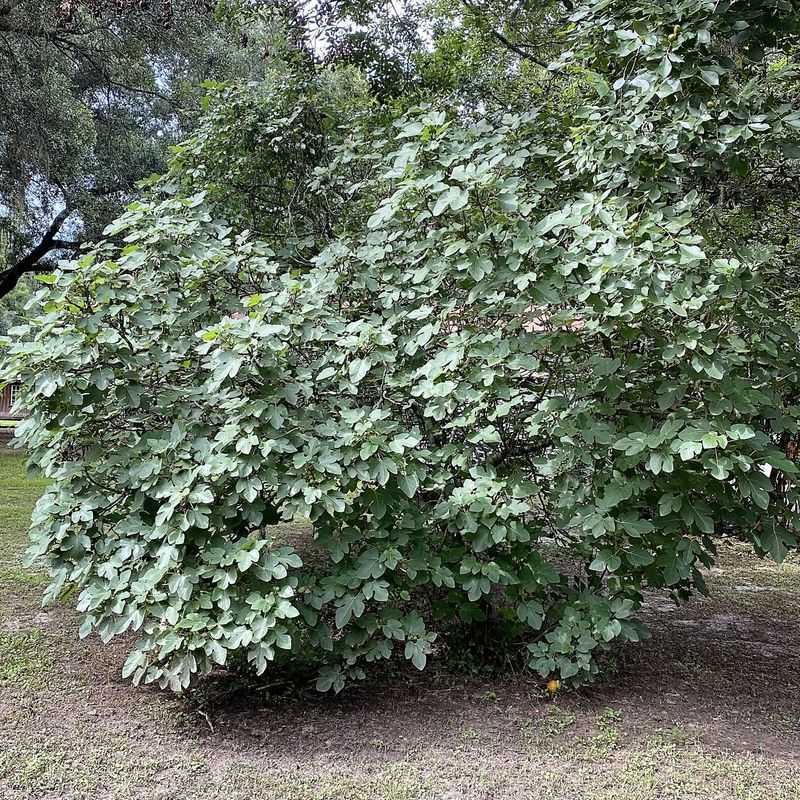
Shape helps before any covering goes on. Texas figs are often grown as multi-trunk bushes because that form protects them better from freezes.
If one trunk is lost, others may carry on.
For protection, the guidance is simple. Mound hay 2 to 3 feet high over mature trees, or fill a wire cage with hay around young ones.
Take the covering off once the danger of frost has passed.
These are recommendations, not guarantees. A protected tree can still lose stems, and an unprotected one in a mild spot may sail through.
Check your local forecast and your own history of hard freezes.
Cold tolerance also differs by variety. A Williamson County AgriLife guide describes Celeste as especially cold hardy among Texas figs, though winter injury can still reduce its crop.
It lists Texas Everbearing, also sold as Brown Turkey, as less hardy but able to bear on new growth after a severe freeze.
If you have a young tree, a tender variety, or a spot that gets sharp winter winds, protection is worth the effort. For an established, hardy fig in a sheltered yard, a watchful eye may be enough.
Keep watering responsive through fall
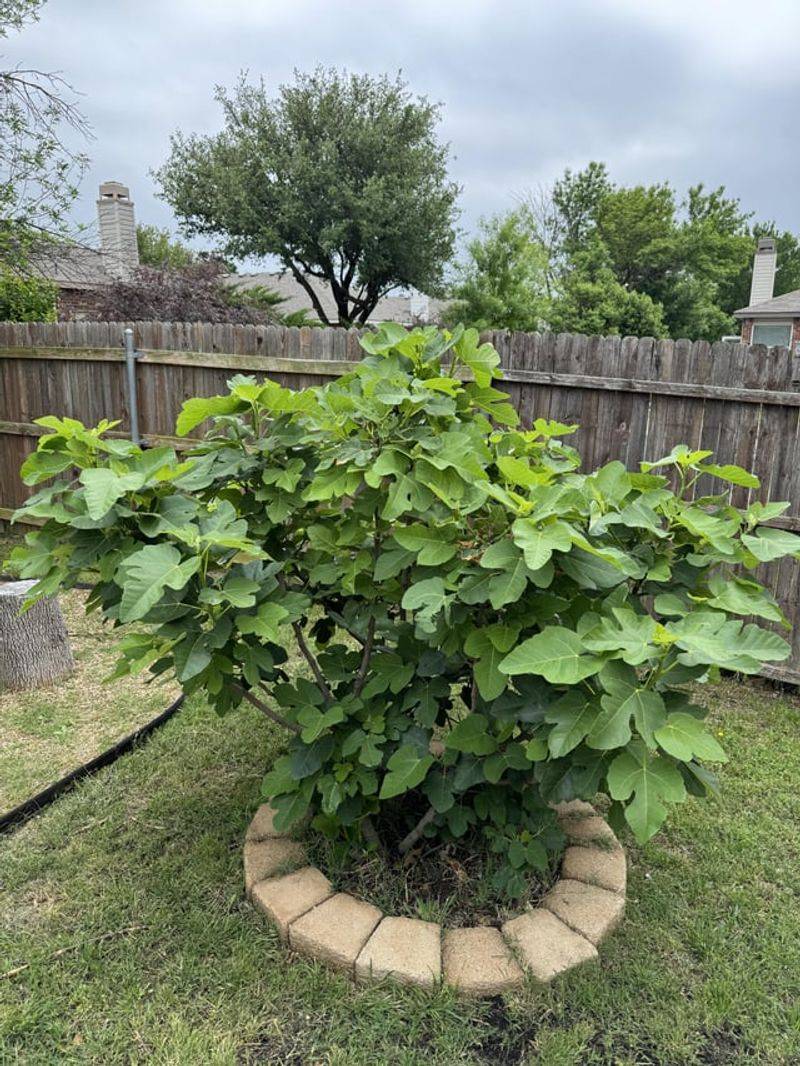
Fall in Texas can be dry for weeks, and a thirsty tree heads into winter with less going for it. Preparing for cold should not turn into drought stress.
The better habit is to check the soil and respond to what you find.
Texas A&M advises watering as drought develops and avoiding overwatering where drainage is poor. That points to monitoring moisture instead of shutting off the hose for the season.
A quick test works well. Push a finger or a trowel several inches into the soil near the drip line.
If it is dry that deep after a stretch without rain, give the tree a slow, deep soak.
Heavy clay deserves extra care. Soggy ground around the roots can cause its own trouble, so skip routine sprinkling when the soil is still damp.
A layer of mulch helps hold moisture without much effort.
Watering will not keep a freeze from injuring stems, so treat it as a separate job from covering the tree. Its goal is simply a healthy, well-hydrated plant.
Follow local watering restrictions as well, and water by hand or with a soaker line on allowed days.
Wait for regrowth before removing freeze damage
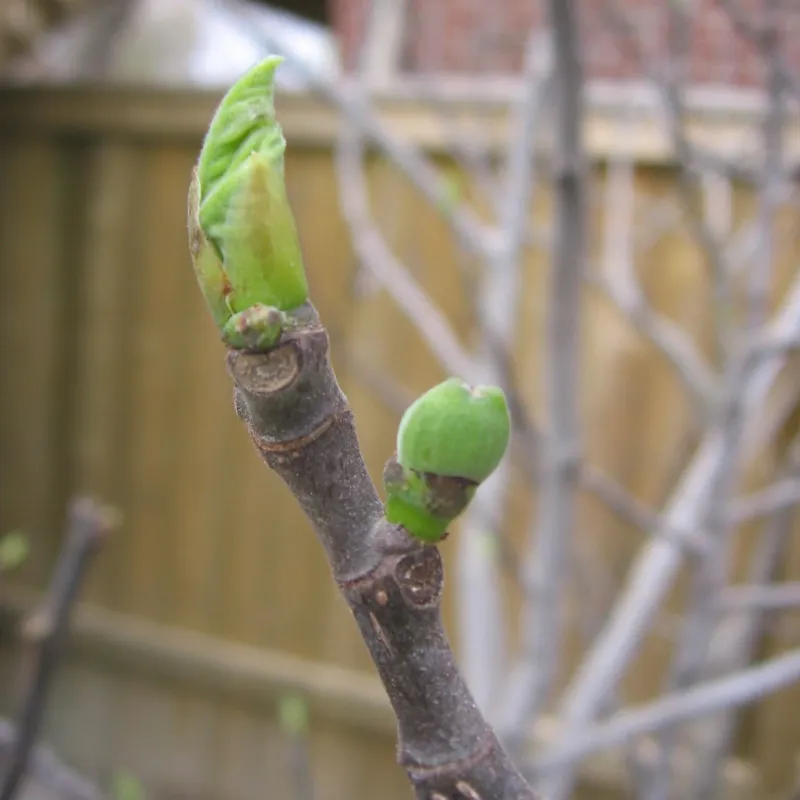
After a hard freeze, a fig can look dead. Stems may turn dark, and leaves may hang limp or fall.
The urge to grab the saw is strong, but patience pays off.
UF/IFAS says to remove freeze-damaged wood after regrowth begins. Waiting shows you which stems are truly lost and which are only slow to wake up.
Cutting early can remove wood that was still alive.
This differs from routine fall cleanup. Trimming dead or weak limbs in dormancy is planned maintenance.
Dealing with freeze injury is a recovery step that follows the tree’s own schedule.
Once new shoots appear in spring, cut back to healthy, green tissue. Freeze-damaged plants can often regrow in bush form, as UF/IFAS Gardening Solutions notes.
A surviving tree is not always a heavily fruiting one. Stem loss can trim the next crop, even when the roots send up vigorous shoots.
Give it steady water and time, and expect fruit to depend on how much wood made it through.
Use a measured fall plan
A good fall plan is short. Prune only what is dead, diseased, or weak, as Texas A&M recommends.
Skip extra feeding that pushes tender growth, judge your freeze risk honestly, protect the tree where it is warranted, and water when the soil says so.
If winter does bite, hold off on cutting damage until regrowth begins. None of this guarantees a crop, but it removes risks you can control.
A fig tree forgives a lot, and a quiet fall is often its favorite kind.