
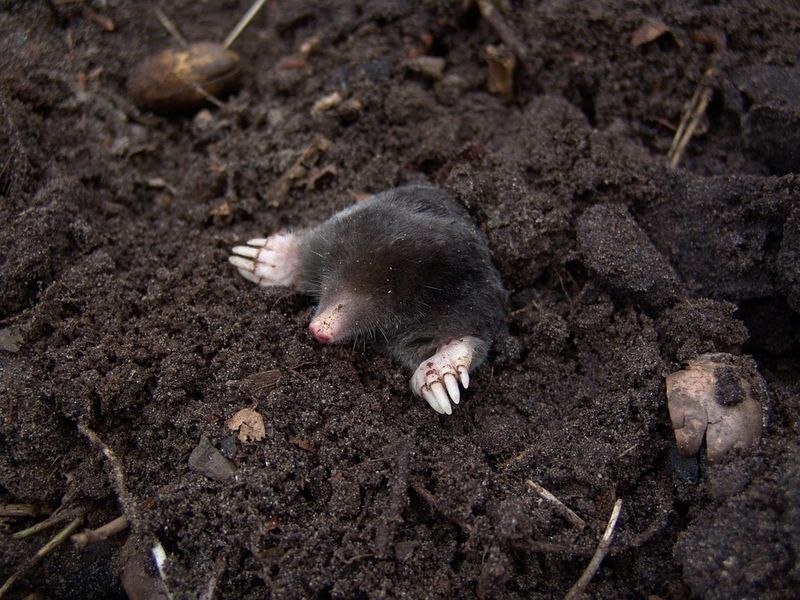
You walk out one morning and find a fresh raised ridge snaking across the lawn. It looks like something dug through overnight, and it can be hard to know whether to worry.
Fall is a time when many North Carolina gardeners notice this kind of damage. Here is how to figure out what made it and how to respond without overdoing it.
Why fresh ridges can show up in fall
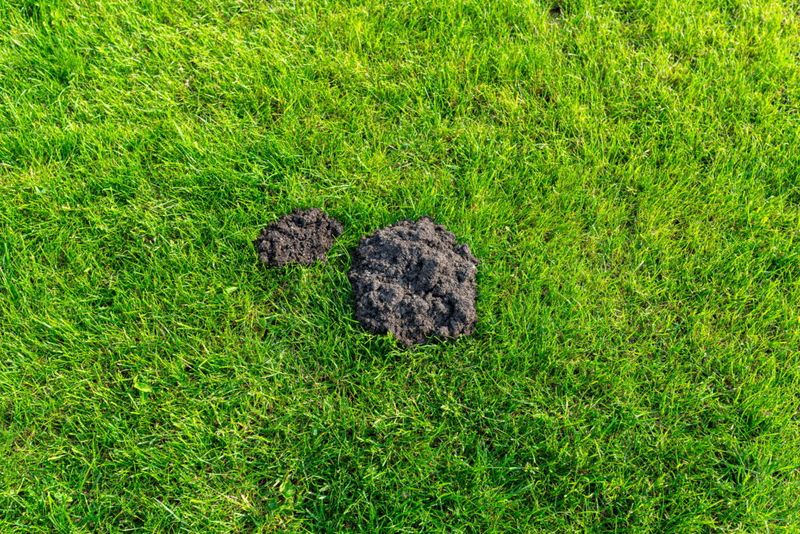
Seeing new ridges in October does not mean moles have arrived in a seasonal wave. NC State Extension guidance says moles are more active during rainy summer periods and that tunnel depth changes when conditions turn dry.
It does not describe a statewide jump in mole numbers in the fall.
What probably changes is where the tunnels show up and how easy they are to spot. Soil that is moist after a good rain lets moles tunnel close to the surface, which pushes up the ridges you can see.
When the ground dries out, the same animals may dig deeper, and their work simply disappears from view.
Moles tunnel because they are hunting. Their meals are mainly earthworms and other insects and invertebrates living in the soil.
Where those foods are easy to reach, moles may work the area more, and where soil conditions shift, the tunnels may move too.
So a fresh ridge in your yard is a sign that something has been digging recently, not proof of an invasion. Mountains, Piedmont clay, and sandy coastal plain soils all hold moisture differently, so what you see in Asheville may not match what you see near Wilmington.
Treat the ridge as a clue to investigate, and keep notes on where and when new ones appear.
Is it a mole—or a vole?
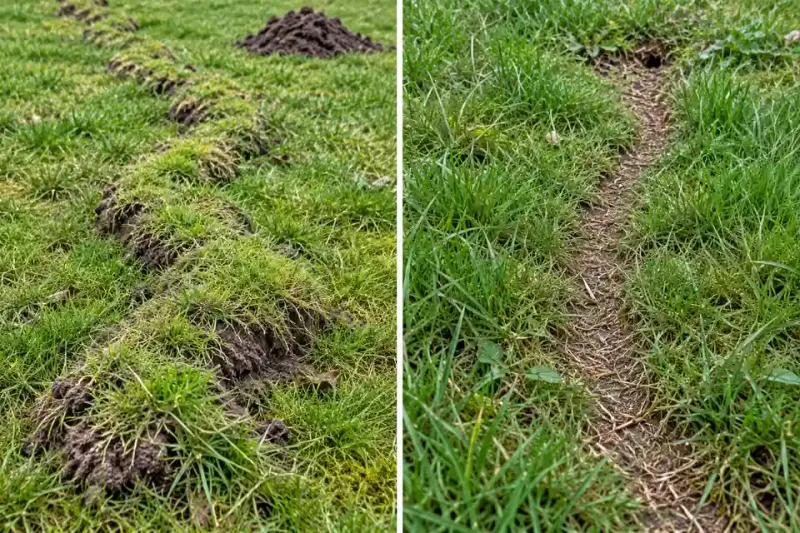
Before you pick a fix, figure out who did the digging. A mound or ridge alone can be confusing, so look at the whole scene.
University of Maryland Extension notes that moles make raised, shallow soil ridges, while voles make surface runways in grass.
Walk the damaged area slowly and look for clues. Mole ridges feel spongy underfoot and look like pushed-up soil.
Vole runways are narrow paths of clipped or flattened grass, sometimes with small openings, and you may see gnawed stems or chewed bulbs nearby.
This matters because the two animals eat very different things. According to NC State Extension, moles feed on earthworms and other invertebrates, not roots, bulbs, or tubers.
Their digging can loosen or disturb plants, but gnawing damage may come from voles or other rodents.
If your tulip bulbs vanished or a shrub base looks chewed, do not assume moles did it. Look for teeth marks, clipped grass blades, and runways first.
Matching the response to the right animal saves time and avoids steps that will not help.
For modest damage, flatten and monitor
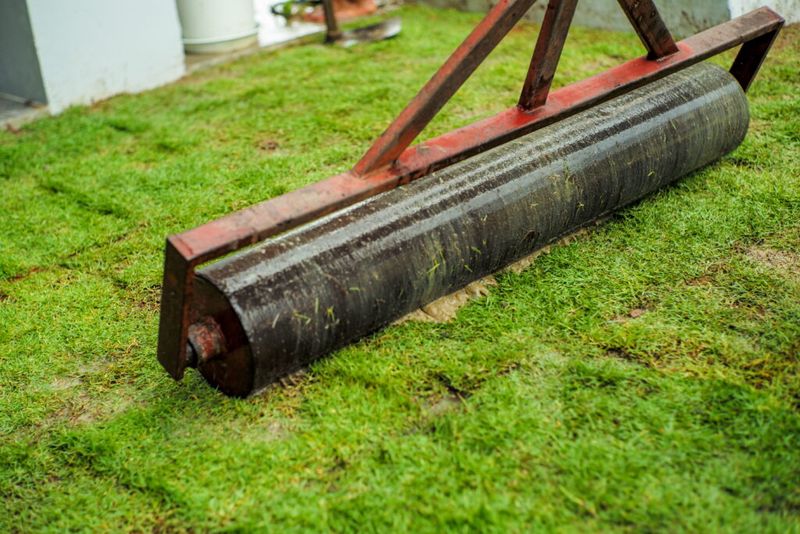
Limited damage often calls for the gentlest response. Press the ridges flat with your foot or a lawn roller, then patch any thin or torn turf with soil and seed or a small piece of sod.
Extension guidance suggests that for modest damage, further control may not be needed.
After tamping things down, watch the spot for a week or two. If the ridges stay flat, you may be done.
If new ones keep popping up, you have learned something useful about where the activity is.
Moisture plays a part too. NC State Extension says reducing irrigation may be somewhat effective, but do not cut water from plants that need it.
A thirsty azalea or new planting matters more than a tunnel.
It helps to remember the tradeoff. Extensive tunnels can dry out shallow-rooted plants and make a lawn bumpy.
On the other hand, moles loosen soil and eat some lawn pests. Flattening and watching gives you a calm way to manage the damage, though it will not promise the digging stops.
Protect small, high-value areas
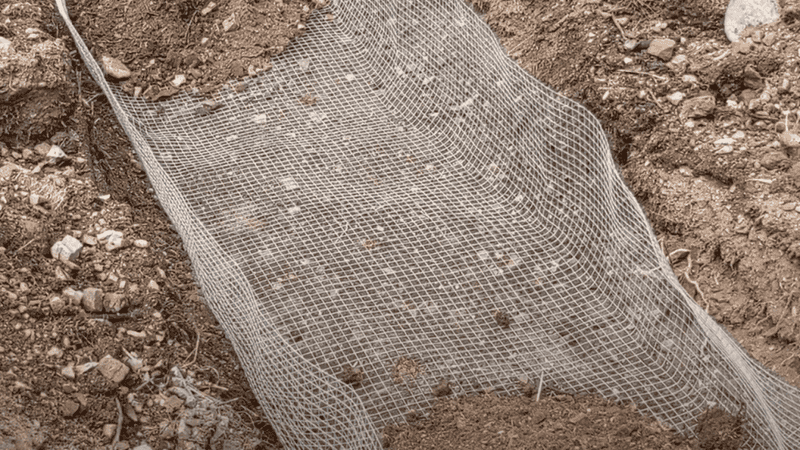
Some spots are worth extra protection, like a seedbed, a new planting, or a small patch of prized turf. A buried barrier can work there because it blocks tunnels from running through.
It is not practical for a whole yard.
NC State Extension recommends hardware cloth or sheet metal buried at least 12 inches deep. The barrier should also extend outward about 10 inches at a right angle, forming an L shape that makes it harder to dig around the edge.
Plan the work before you start digging. Mark the edges of the bed, dig a trench to the full depth, and set the material in place with the outward lip pointing away from the area you want to protect.
Wear gloves, because cut edges of hardware cloth are sharp.
Keep your expectations realistic. A barrier protects the area inside it.
Moles can still tunnel in other parts of the yard, and the barrier does not guarantee that activity stops. Think of it as a targeted shield for the few square feet that matter most to you.
Check the active run and the rules before trapping
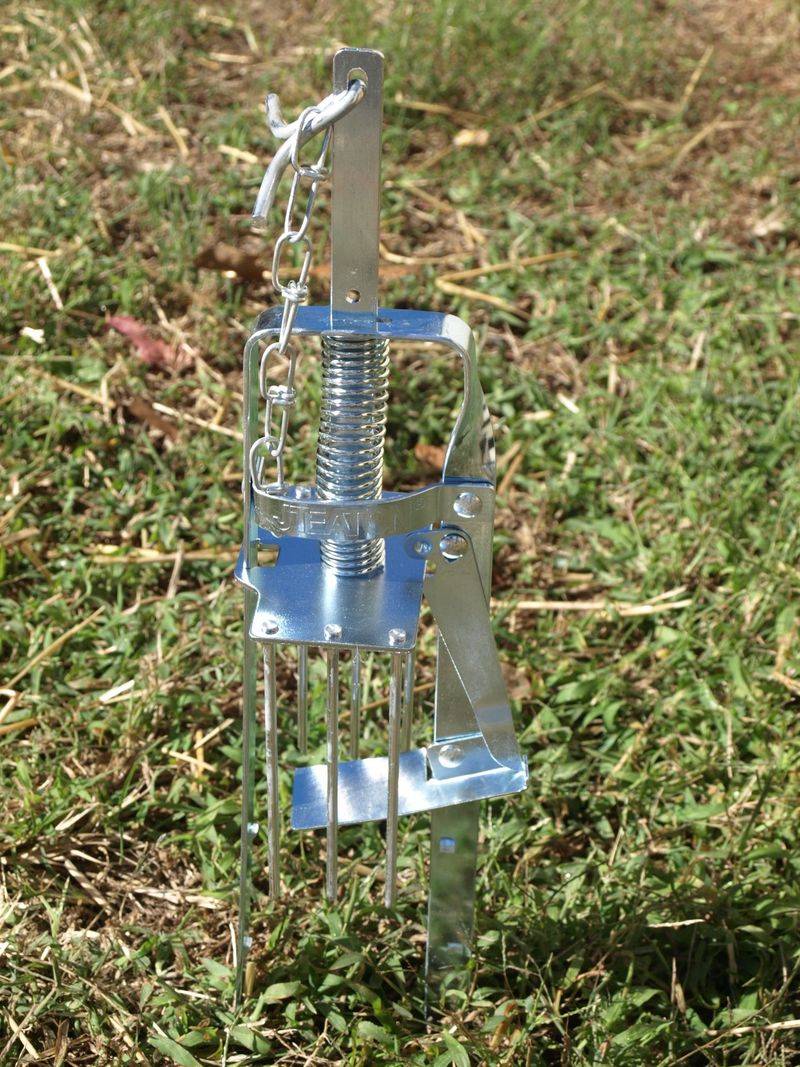
If damage keeps coming back and you are thinking about trapping, start by finding out which tunnels are in use. Flatten short sections of a tunnel and check daily.
The sections that get pushed back up are active.
NC State Extension says a spear-type trap can be placed over an active, relatively straight runway. That is practical advice about technique, not permission to trap.
The rules come next. North Carolina has eastern, hairy-tailed, and star-nosed moles.
The supplied guidance says a depredation permit is required to trap eastern and hairy-tailed moles, and the NC Wildlife Resources Commission fact sheet also says a permit is required.
The star-nosed mole is a Species of Special Concern and has no open trapping season. You cannot assume the mole in your yard is one that may be trapped.
Before setting anything, check current rules with the NC Wildlife Resources Commission or a licensed wildlife-control professional. Regulations can change, and a quick call is far easier than fixing a mistake afterward.
Why common quick fixes may disappoint
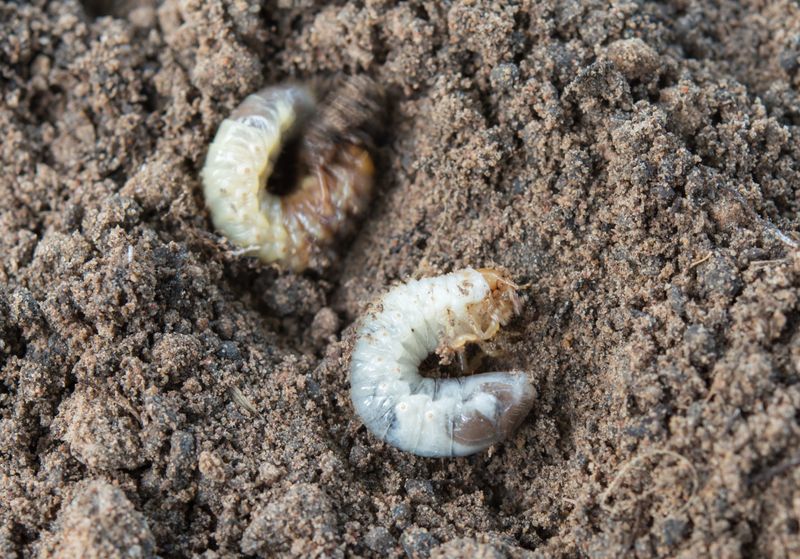
Store shelves and websites are full of mole fixes, but most come with big promises and thin proof. Grub killers are a common one.
Moles eat earthworms and other soil invertebrates as well as grubs, so treating for grubs may do little to reduce mole activity.
Gadgets are no better bets. NC State Extension says electronic, magnetic, and vibrating devices have not been shown to work, and it lists common tunnel remedies as unproven and not recommended.
That covers many scents and folk tricks too.
Poison bait deserves extra caution. It is not a casual fix, and it carries risk to people, pets, birds, and other wildlife.
One EPA-registered zinc phosphide label warns of exactly those hazards.
If you ever consider bait, check current registrations, read the product label closely, and confirm applicable North Carolina rules first. No product here is endorsed, and none can promise results.
Spending that effort on flattening, monitoring, and barriers is often the better use of a weekend.
Match your response to the damage
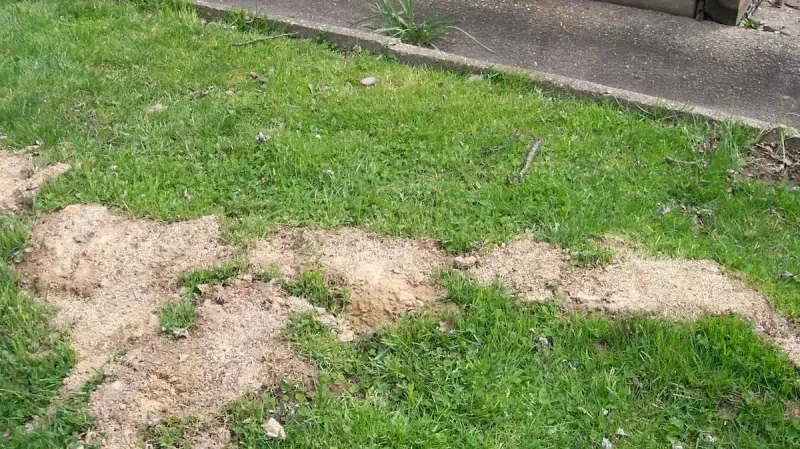
Start by checking the clues, since ridges versus runways point to different animals. Flatten and monitor modest damage.
Save barriers for small valuable areas, and look up current guidance before trapping or bait.
Per NC State, no method guarantees moles will stop. A fresh ridge is a reason to look closely, not a sign of invasion.