
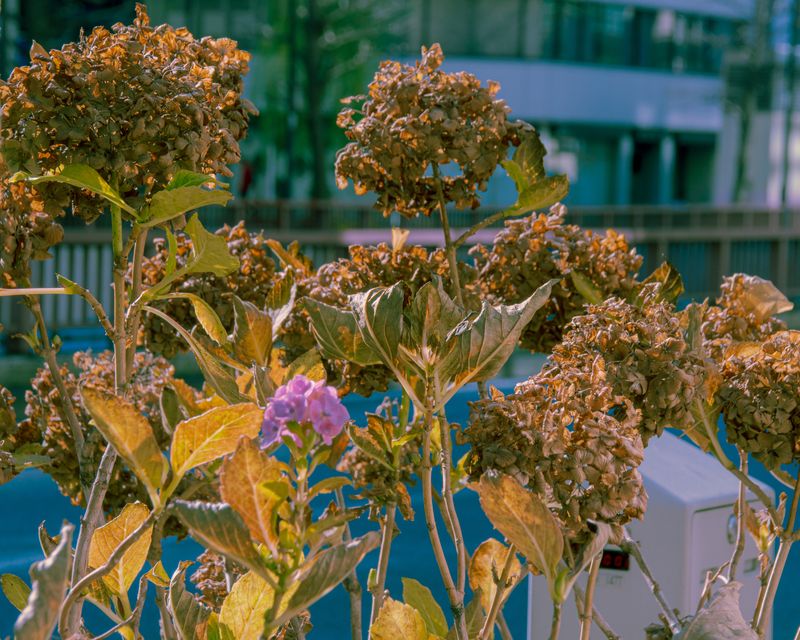
You soaked the soil, yet your hydrangea is drooping again by afternoon. That sinking feeling is common after a long, hot Southern season.
Roots may be part of the story, but they are not the only suspect. A few simple checks can help you figure out what your plant is really telling you before you change anything.
Wilting after watering does not prove root rot
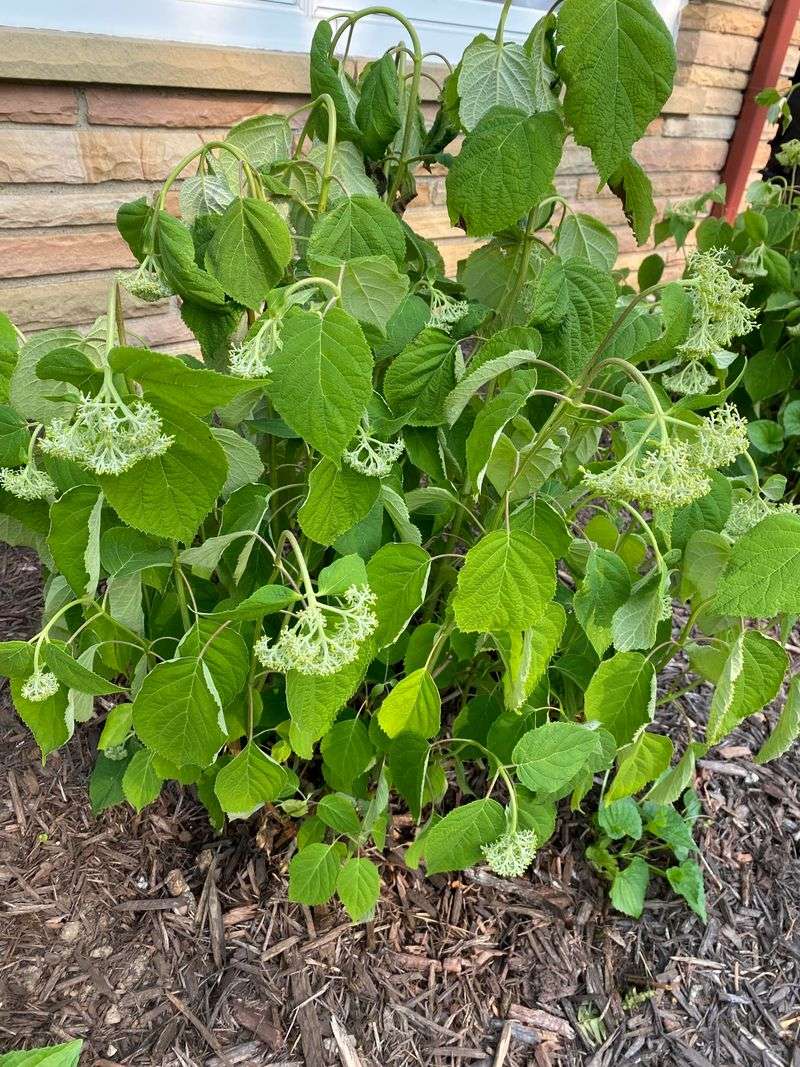
Roots that are damaged or diseased may not be able to take up water, and that can leave a hydrangea limp even when the soil looks damp. Still, a drooping plant does not prove root rot.
Arkansas Extension notes that bigleaf hydrangeas can also wilt in hot weather, especially in direct afternoon sun.
Drought can injure roots, and a recent move can stress a plant too. A Maryland Extension response says a plant that dried out badly may stay wilted or decline after watering resumes if its roots were hurt.
Disease is another possibility, and UConn describes root problems such as Armillaria that can cause wilting.
Also, saying you watered does not tell you where the water went. It may have run off or stayed shallow.
So the smart move is to gather clues first: check the soil, note the timing of the wilt, and think about the plant’s recent history before changing your routine.
Start by checking moisture below the surface
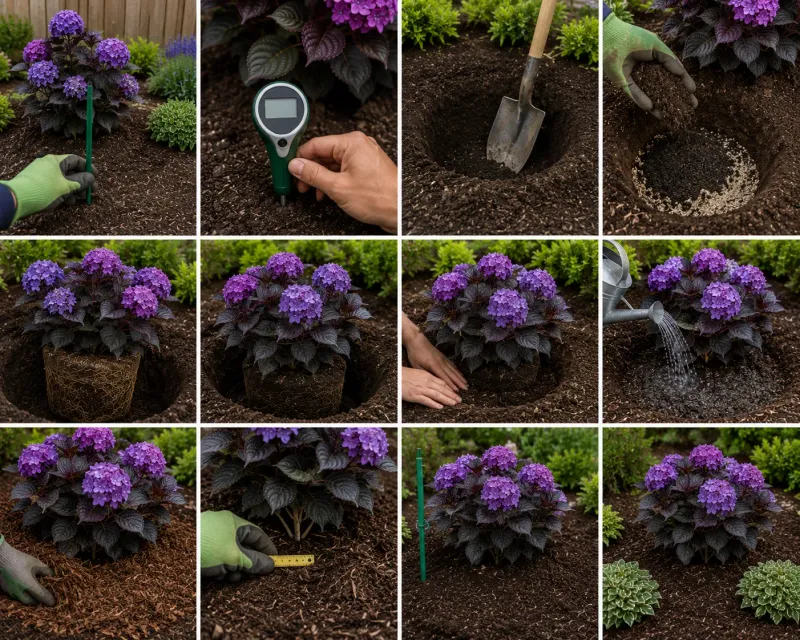
Surface soil can fool you. A crusty top layer may look dry while the roots sit in damp ground, or a dark, mulched surface may hide dry soil underneath.
Push a trowel or your finger into the ground near the plant’s root zone and feel what is there.
A Maryland Extension response suggests checking about 6 inches deep. Soil that feels dry and crumbly at that depth suggests the plant may simply need a good drink.
Soil that feels soggy or stays wet day after day points you toward drainage and possible root trouble.
Neither result is a diagnosis on its own. Dry soil can still sit over injured roots, and wet soil can still belong to a heat-stressed plant.
Think of this check as a fork in the road that tells you which clues to follow next.
Persistently wet soil raises concern about root disease
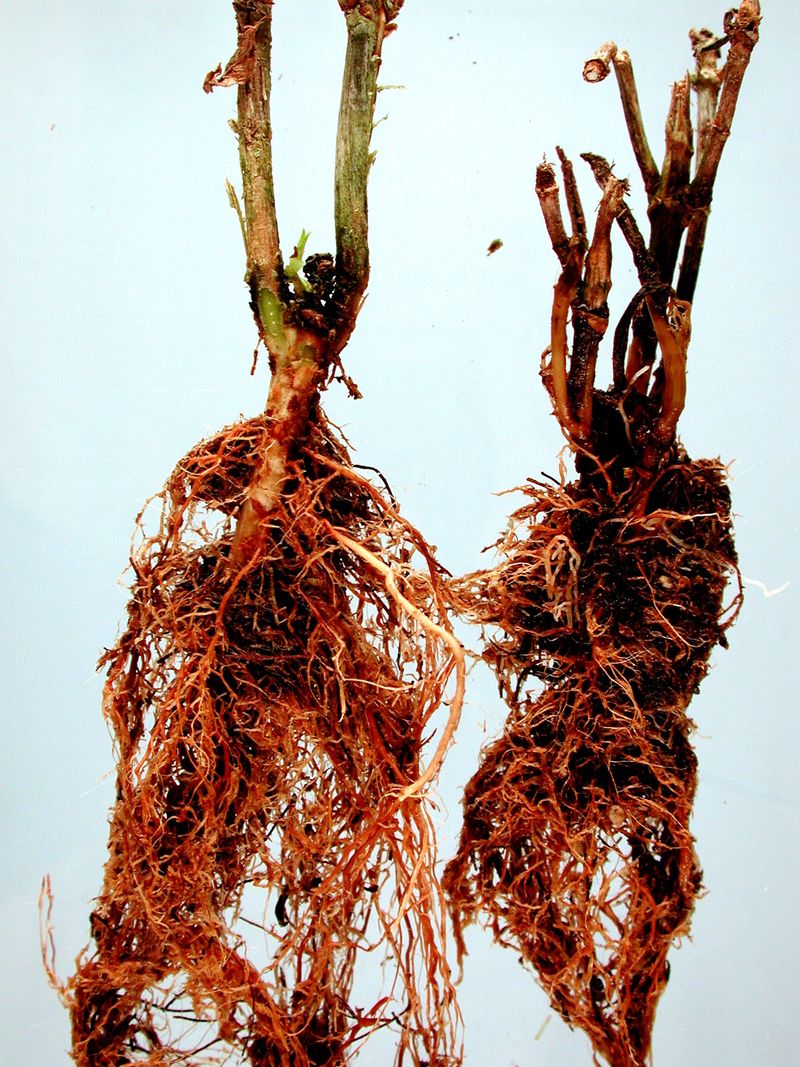
Soggy ground is a setup that some root diseases like. UConn says Phytophthora root rot is favored by poorly drained soil and advises against planting hydrangeas where water stands after heavy rain.
Tennessee State University Extension also links wet soil with higher Pythium risk.
Look at how the wilting unfolds. UConn describes Armillaria root rot as sometimes starting with one or more wilted shoots.
Watering does not bring those leaves back, and other shoots may wilt over the following weeks.
Two more clues are white, fan-shaped fungal growth under the bark near the soil line and dark, cord-like growths called rhizomorphs. These signs raise concern, but they are clues and not a home diagnosis.
Wilt alone is not proof of Armillaria, so a local Extension office can help if you suspect it.
Does the wilt ease after the afternoon heat?
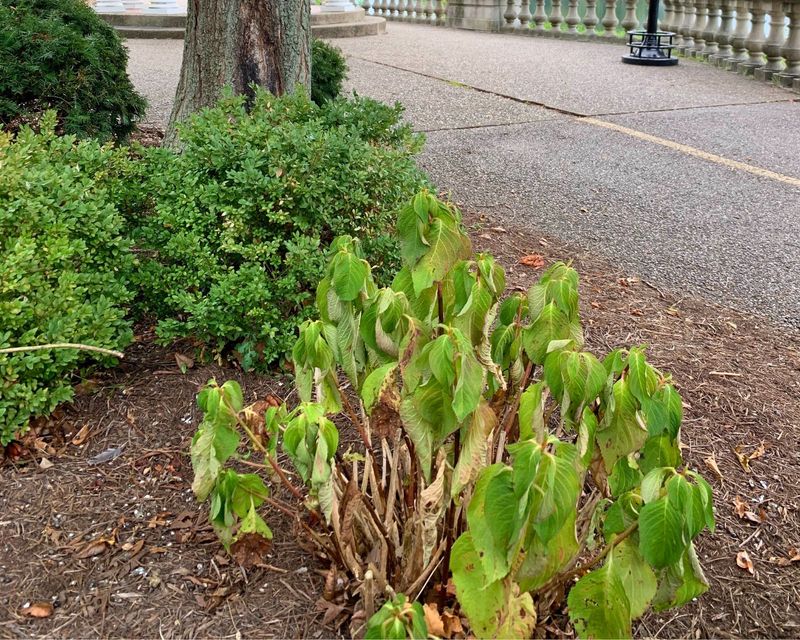
Timing tells a story. If your hydrangea droops at 3 p.m. and perks up by evening or the next morning, heat and sun may be doing much of the damage.
That pattern is common in Southern summers, when afternoon sun can be intense.
Arkansas Extension says bigleaf hydrangeas can wilt in hot weather, especially in direct afternoon sun. Morning sun with afternoon shade or dappled light suits them better.
Notice which way your bed faces and what the plant gets after lunch.
A daily pattern points toward heat stress, but it does not rule out root damage. A plant with weak roots may wilt sooner in the heat than a healthy one.
If the wilt does not ease by the next morning, give more weight to what you found in the soil.
Drought damage and transplant stress can linger
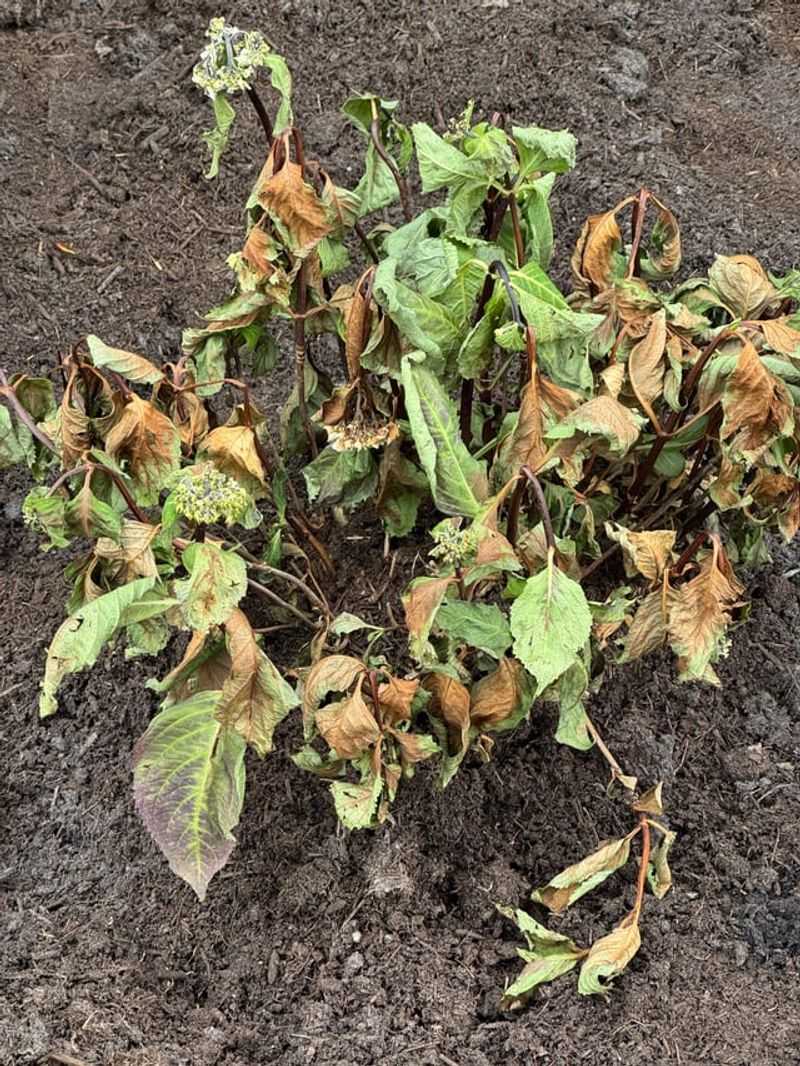
Think back over the past few months. Did the plant go through a dry spell or a stretch of missed watering?
A Maryland Extension response explains that a severely dried plant may stay wilted or decline after watering resumes if its roots were injured. Fine roots that died during the drought cannot soak up water right away.
Recent planting matters too. An Ask Extension answer notes that newly transplanted hydrangeas may wilt from transplant stress, and extra heat or a change in sun exposure can add to it.
A shrub moved into a sunnier spot may need time to adjust.
Pair that history with today’s soil moisture. Moist soil now does not erase last month’s drought, and recovery may take time and is not guaranteed.
Match the next step to the root zone
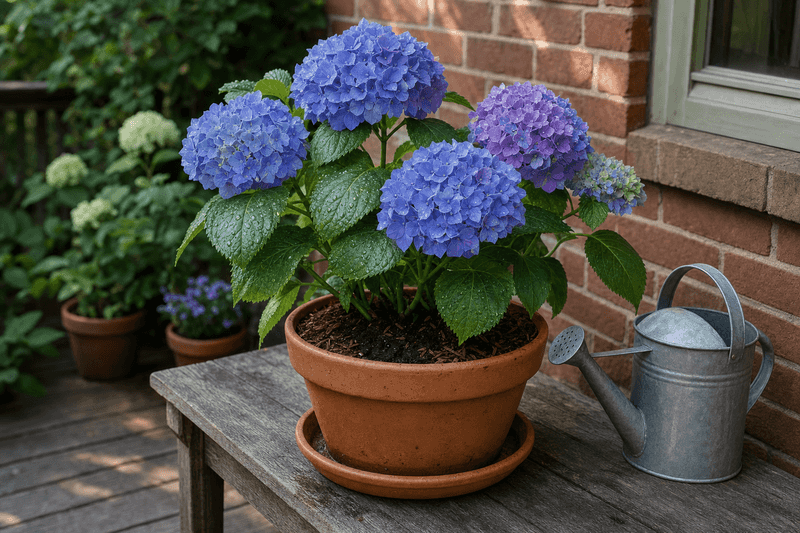
If the soil is dry at the root zone, water deeply enough to wet it. Texas A&M AgriLife explains that light watering can wet only the upper part of the root zone, and sandy and fine-textured soils take in water at different rates.
Water may also run off hard, compacted ground.
UF/IFAS advises Florida gardeners to consider soil type and root depth. Sandy soils hold less water, so it can drain below the roots, while compacted soils can limit water penetration.
That is why no single weekly amount fits every yard.
If the soil stays wet, hold off on adding more water while you look at drainage. UConn links poorly drained soil to root disease and reports no chemical control for Armillaria root rot, so fungicide is not a general fix.
Recovery is never guaranteed, but matching your action to the soil gives the plant its best chance.
Use the pattern to choose your next move
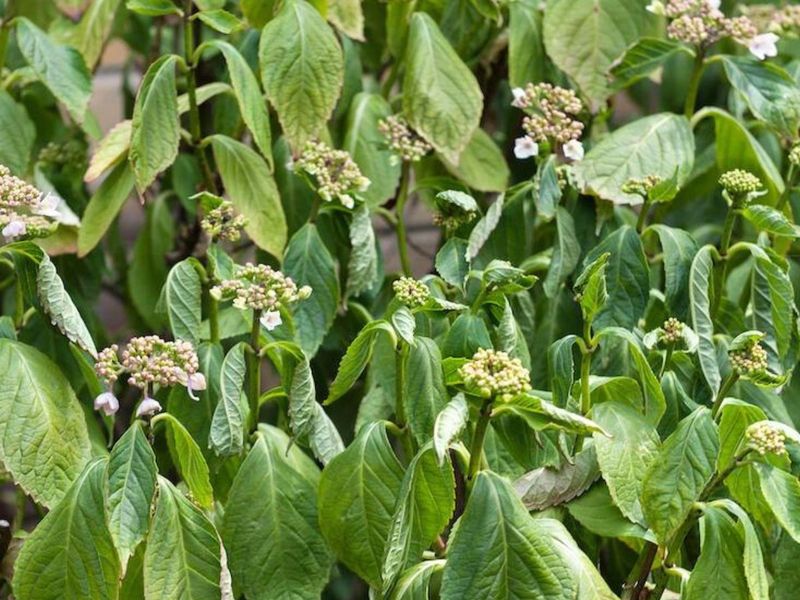
Start with the soil, since moisture near the roots sets the direction. Then note whether it stays wet, whether shoots keep wilting one after another, and whether the plant only droops in afternoon sun.
Add its drought and transplant history to the picture.
Each pattern points to a different response, and wilting alone cannot settle the question. Your plant is giving you clues, and the careful gardener is the one who reads them before reaching for the hose.