
Lavender looks tough, but wet feet can quietly finish it off before spring. Many gardeners hear that one fall chore decides whether it lives or dies, and that story is too simple.
The real risks are soggy soil, damp air, cold snaps, and bad pruning cuts. Here is how to sort out what matters in a Southern yard, especially in humid Florida and Texas.
A dead lavender plant is not automatically rotten
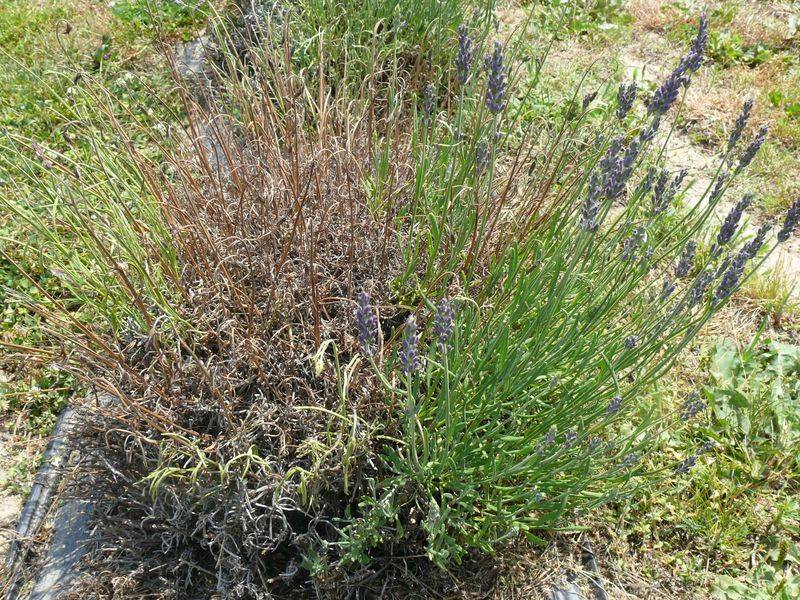
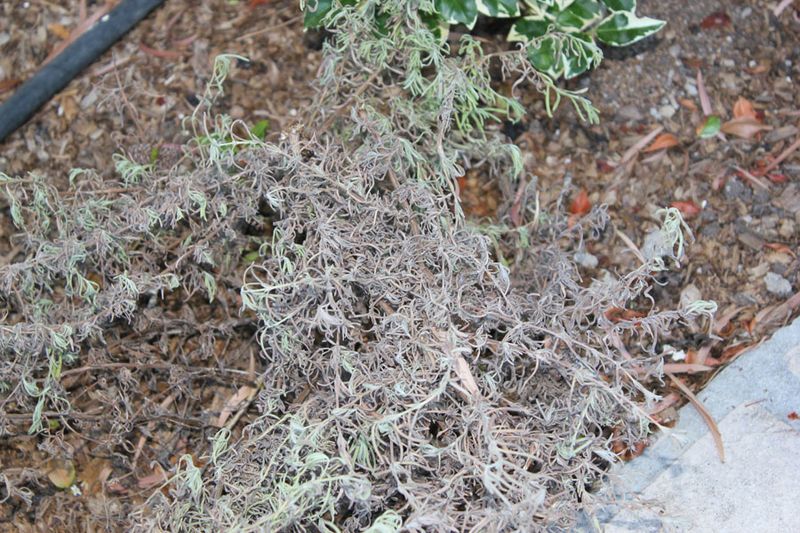
A lavender plant that looks dead in late winter has not always rotted. Researchers have documented Phytophthora root and crown rot on several lavender species, so the disease is real.
But a dead plant can also point to cold injury, a site that never suited lavender, or a bad pruning cut.
Nothing in the research shows that skipping one October chore causes rot. What the sources do show is a pattern of risk.
Iowa State Extension says heavy or poorly drained soil often leads to root rot and winter loss, and cold, wet conditions add to the trouble.
So treat the word rot with care. Looking at a brown, collapsed plant cannot tell you what killed it.
A better question is what conditions your lavender sat in all season, especially how long the soil stayed wet. That gives you something you can actually change.
Check drainage before the wet season
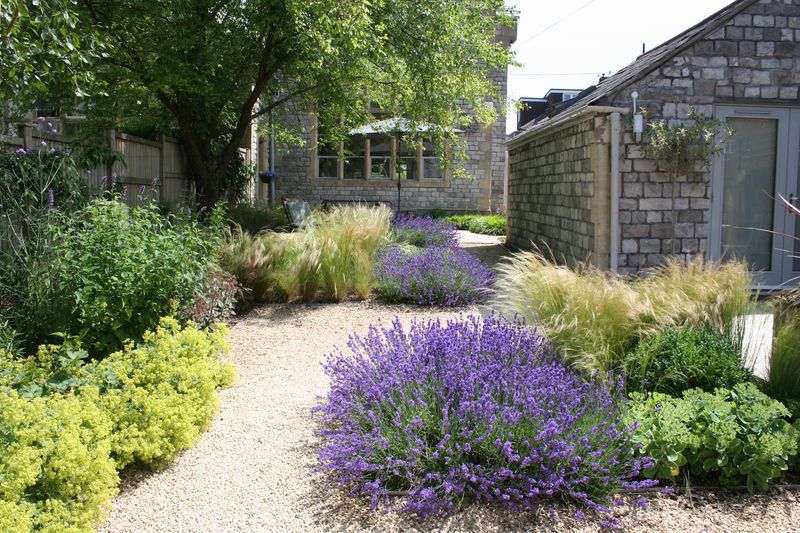
Soil that stays soggy is the biggest warning sign for lavender. When roots sit in water, the plant struggles, and the risk of root rot and winter loss goes up.
Iowa State Extension points to heavy or poorly drained soil as a common reason lavender fails.
Try a simple test before fall rains settle in. Dig a hole about a foot deep, fill it with water, and let it drain.
Then fill it again and watch. If water still stands many hours later, that spot is a poor home for lavender.
Raised beds are one fix. Texas A&M AgriLife suggests raising beds where the subsoil drains poorly.
A mound of gritty, fast-draining soil lifts the crown above puddles.
Better drainage lowers the risk, but it does not guarantee a plant will survive the winter.
Water at soil level and avoid saturated roots
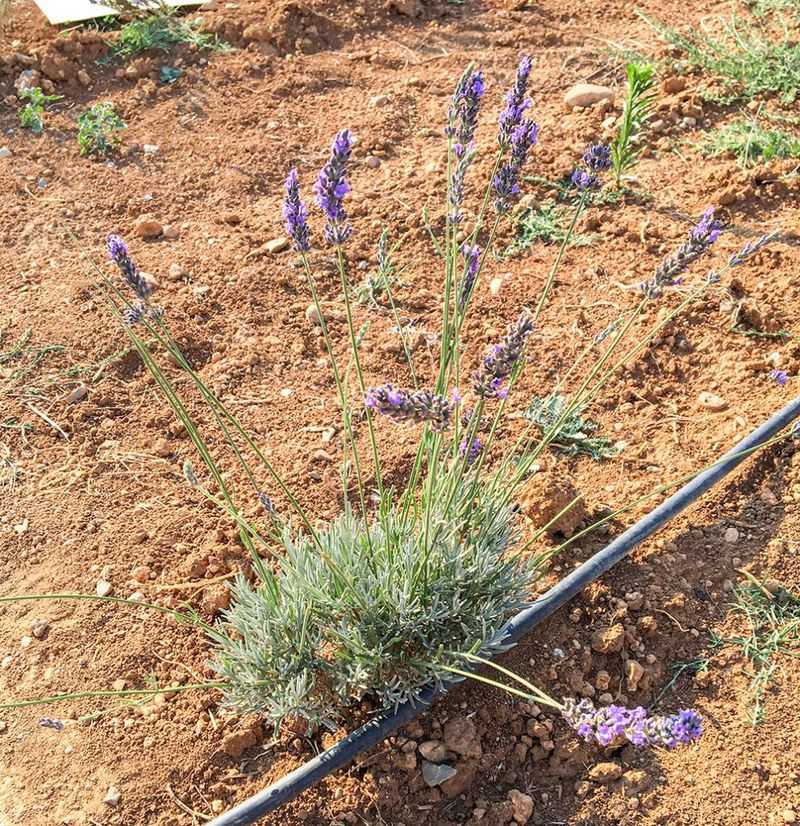
Once drainage is sorted, watering habits decide how wet the roots stay. Aim water at the soil, not the leaves.
UC IPM recommends drip irrigation because overhead watering can promote disease.
Lawn sprinklers are a common trap. If lavender sits at the edge of a turf zone, it may get a splash several times a week without you noticing.
Texas A&M also advises ground-level watering and keeping sprinklers away from lavender.
Skip any fixed schedule that leaves the soil saturated. Poke a finger a few inches down and water only when the soil feels dry.
In humid weather or after heavy rain, that may mean holding off for a good while.
These habits can limit excess moisture. They will not cure or prevent every disease.
Should you prune lavender in October?
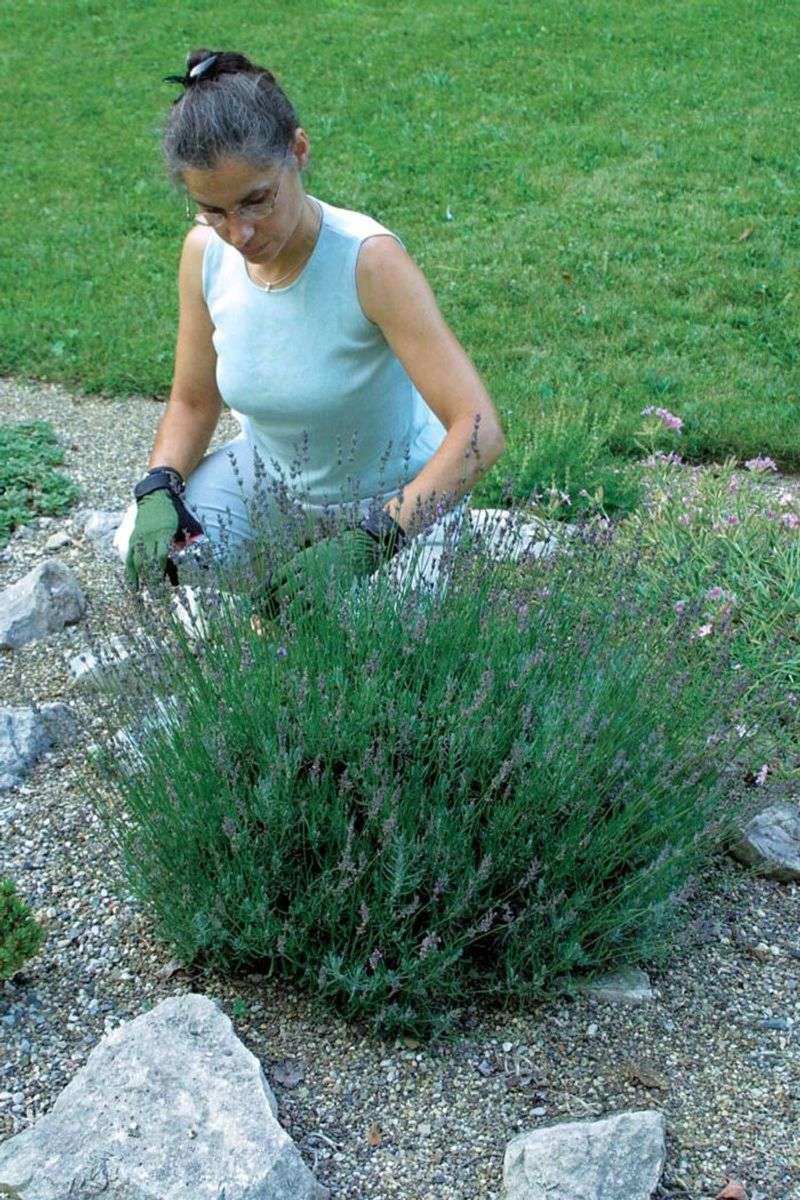
If the mystery October job is pruning, the advice is mixed. Ask Extension suggests trimming after flowering, removing about one-third of the green growth, and stopping roughly six weeks before your first frost.
That is one extension’s guidance, not an October deadline.
Other sources lean the other way. Illinois Extension says not to cut lavender in fall, which fits colder regions.
Where you live matters. In much of Florida and Texas, frost comes late or barely at all, so count weeks back from your own local first frost and check for fresh green growth.
Never cut into bare, woody stems. University of Maine Extension covers how pruning can leave lavender dead or dormant, and Texas A&M warns that cutting woody lavender can kill it.
Pruning has not been shown to prevent root rot, so do not count on it as protection.
Adapt winter protection to the site and region
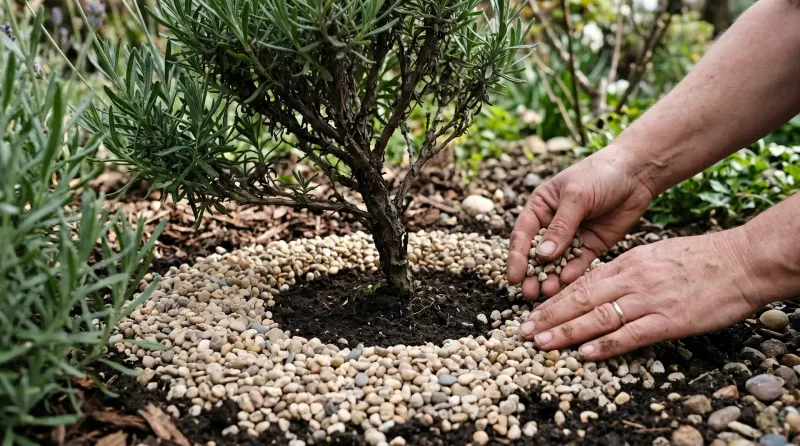
Mulch advice changes with the climate. Texas A&M says to pull mulch away from lavender stems.
Iowa State describes light mulch after the ground freezes in cold regions, applied so it does not trap moisture at the crown.
Those are two answers to two settings. Frozen ground is not a normal winter event across most of the South, so a thick blanket of mulch may only hold dampness against the plant.
Local conditions add their own limits. Texas A&M calls lavender difficult in the state’s climate and lists varieties it considers better suited there.
In Florida, UF/IFAS notes that warm, humid conditions can bring disease problems and recommends avoiding waterlogged soil. It names Spanish lavender and Phenomenal as heat-tolerant choices, but no single type or method works everywhere in either state.
Prioritize moisture management over a calendar date
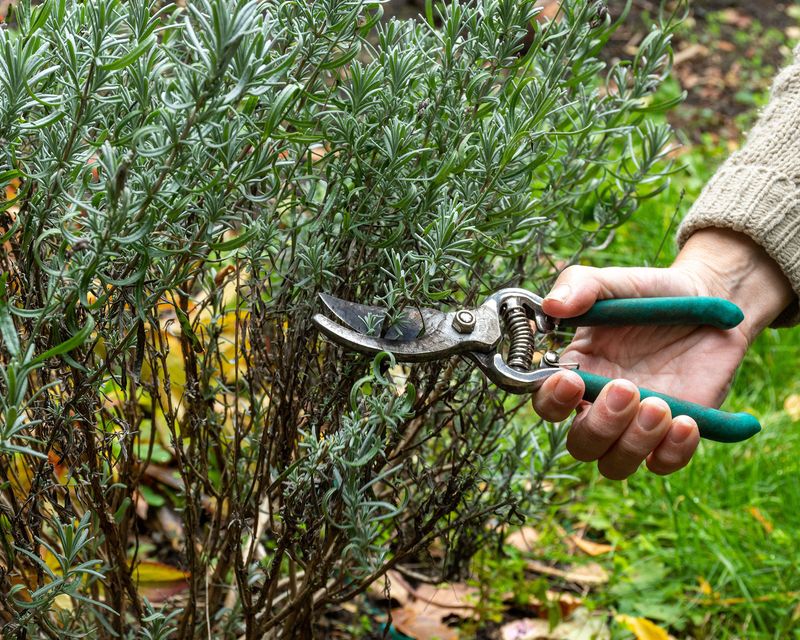
Before the cool season, run through a short list. Check how fast water drains, since Iowa State links poor drainage to winter loss.
Keep irrigation from leaving the roots saturated. Base any trim on green growth and your local frost date, using guidance like this pruning advice as a reference, not a rule.
These steps address documented risks, but they cannot promise survival or explain why a particular plant died.
Lavender forgives a dry spell far more easily than a drowned root.