
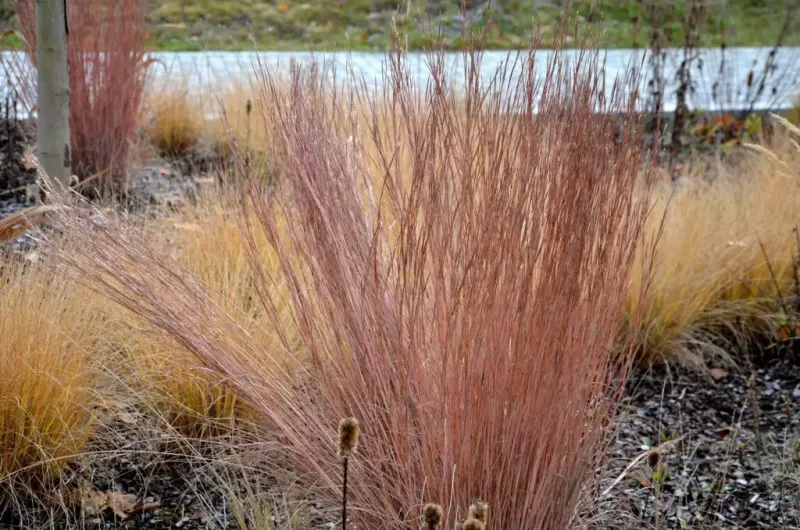
Some plants show up for one summer and quietly vanish, leaving you to buy them all over again next spring. Other plants send roots so deep that drought, heat, and clay soil barely slow them down.
The native perennials below have spent thousands of years adapting to North Carolina, from the mountains to the coast, so they settle in for decades once you give them a good start. Late September is a great time to plant them, because cooler air and warm soil help roots grow strong before winter.
1. Butterfly Weed
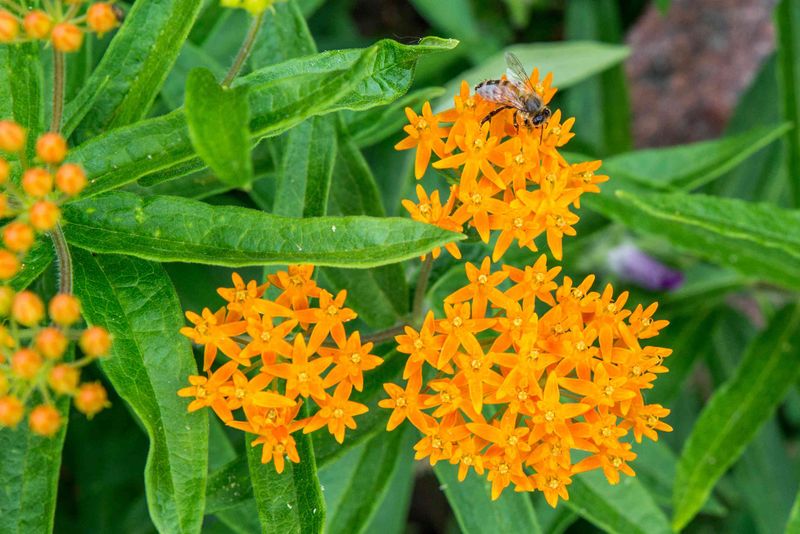
Dig up a mature butterfly weed and you will find a carrot-like taproot that can reach more than a foot down. That root is the secret to its staying power.
It stores water and energy, so the plant shrugs off the dry spells that hit the Piedmont most Augusts.
Plant it in full sun with well-drained or even sandy soil, and then leave it alone. Butterfly weed hates being moved, so pick its spot carefully the first time.
It also wakes up late in spring, so mark the location to avoid digging into it by accident.
Monarchs use it as a host plant, and the orange flowers may attract many other pollinators. Coastal plain gardeners will find it handles salt breezes and sandy beds better than most showy flowers.
2. Purple Coneflower
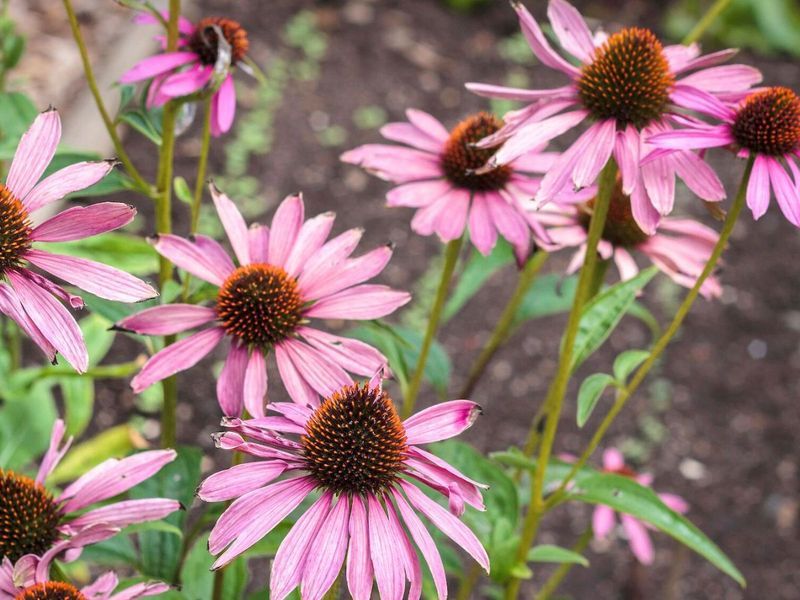
Ask almost any longtime North Carolina gardener which flower never lets them down, and purple coneflower comes up fast. It is tough, cheerful, and forgiving of beginner mistakes.
The fibrous roots spread wide and deep enough to ride out heat waves without daily watering. Clumps get fuller each year, and you can divide them every few years if you want free plants for other beds.
It works in mountain gardens and sunny Piedmont yards alike.
Here is a fall bonus: skip cutting back the seed heads. Goldfinches love to pick at them through autumn and winter, which turns your border into a bird feeder you never have to refill.
3. Little Bluestem
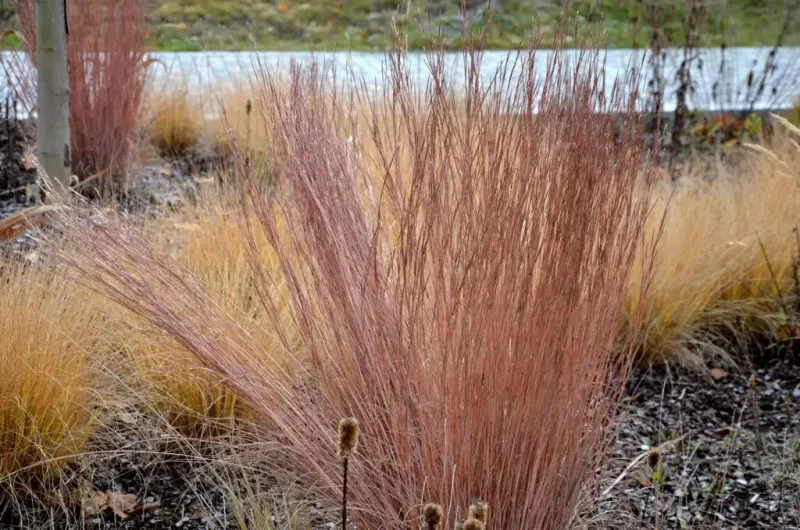
Few lawn grasses can claim roots that reach several feet deep. Little bluestem can, and that is why it stays green-blue all summer and needs little to no watering once settled.
Use it along a sunny slope, a mailbox bed, or a strip where regular lawn struggles. It holds soil in place during heavy summer storms and turns stunning shades of copper and rust right around now as fall arrives.
Leave the stems standing over winter. Bunching native grasses can shelter overwintering insects, including some beneficial species, and you just cut them back in late winter before new growth starts.
4. Black-Eyed Susan
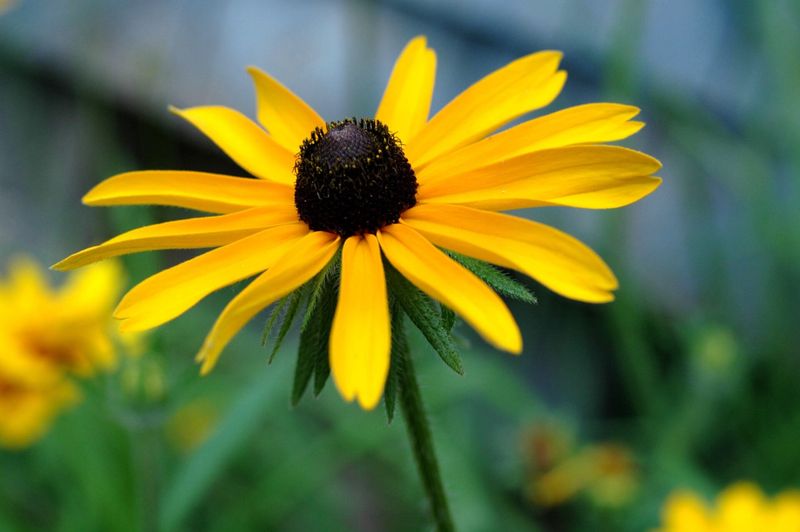
Picture a sunny porch edge in August, bright gold flowers nodding while everything else looks tired. That is the black-eyed Susan doing what it does best.
The perennial forms, especially orange coneflower (Rudbeckia fulgida), spread slowly through underground stems and fill in gaps on their own. They tolerate clay soil, humidity, and long stretches without rain.
Plant them in groups for the biggest impact. Within two or three seasons, you will have a self-sustaining patch that blooms reliably with almost no care beyond pulling a few volunteers.
5. Wild Blue Indigo
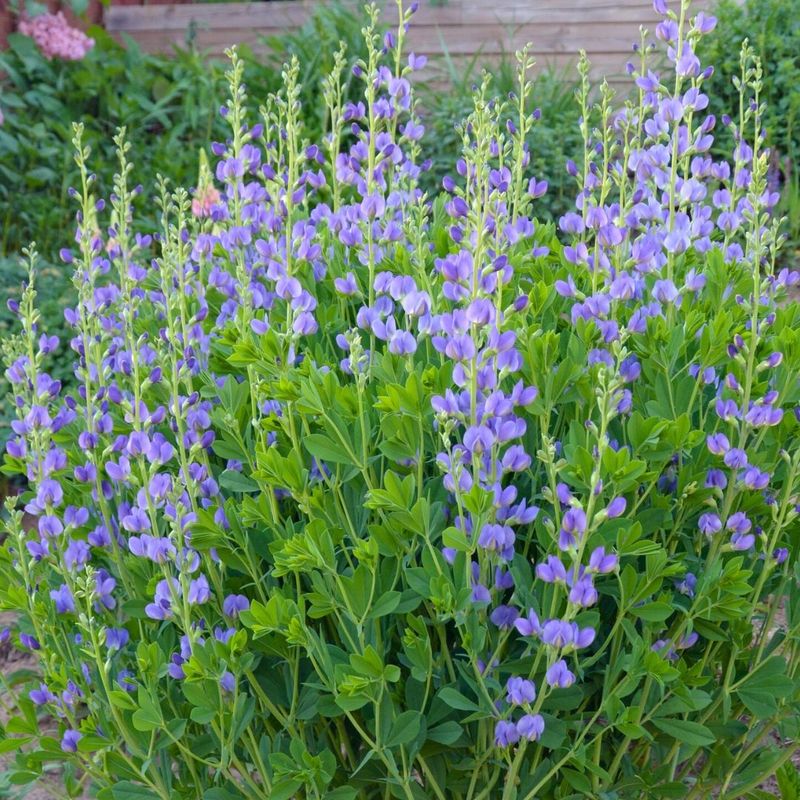
Patience pays off big with wild blue indigo. Year one, it looks like it is doing nothing.
Year three, it suddenly becomes a shrub-sized clump covered in blue spikes every spring.
What happened underground is the real story. Baptisia builds a massive, woody root system that can live for decades, and mature plants can be hard to move.
Once rooted, it is almost drought-proof.
It belongs to the pea family and can help add nitrogen to the soil. Deer usually leave it alone, which makes it a smart pick for mountain and suburban yards with heavy browsing.
6. Swamp Sunflower
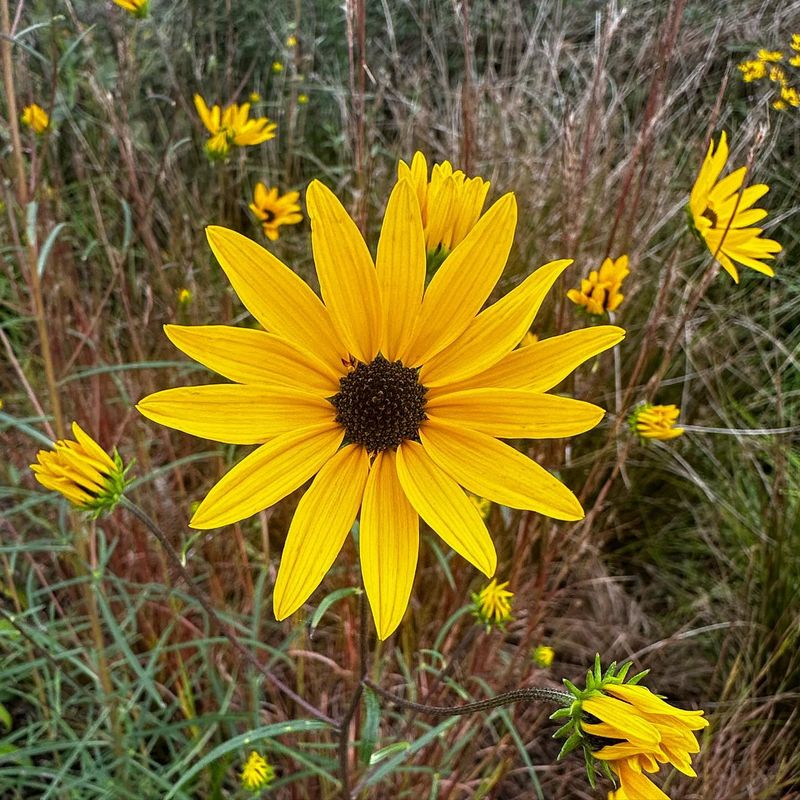
October in eastern North Carolina has a signature look, and it is a wall of golden swamp sunflowers. They bloom when most gardens have already called it quits.
Despite the name, this plant does not need a swamp. It handles wet spots and average soil, which makes it a great fix for soggy low areas where other plants rot out.
Its spreading roots keep it coming back stronger each year.
Give it room, since it can top six feet. If you want a shorter plant, cut the stems back by half in early June, and you will still get plenty of late-season color for migrating butterflies.
7. Eastern Columbine
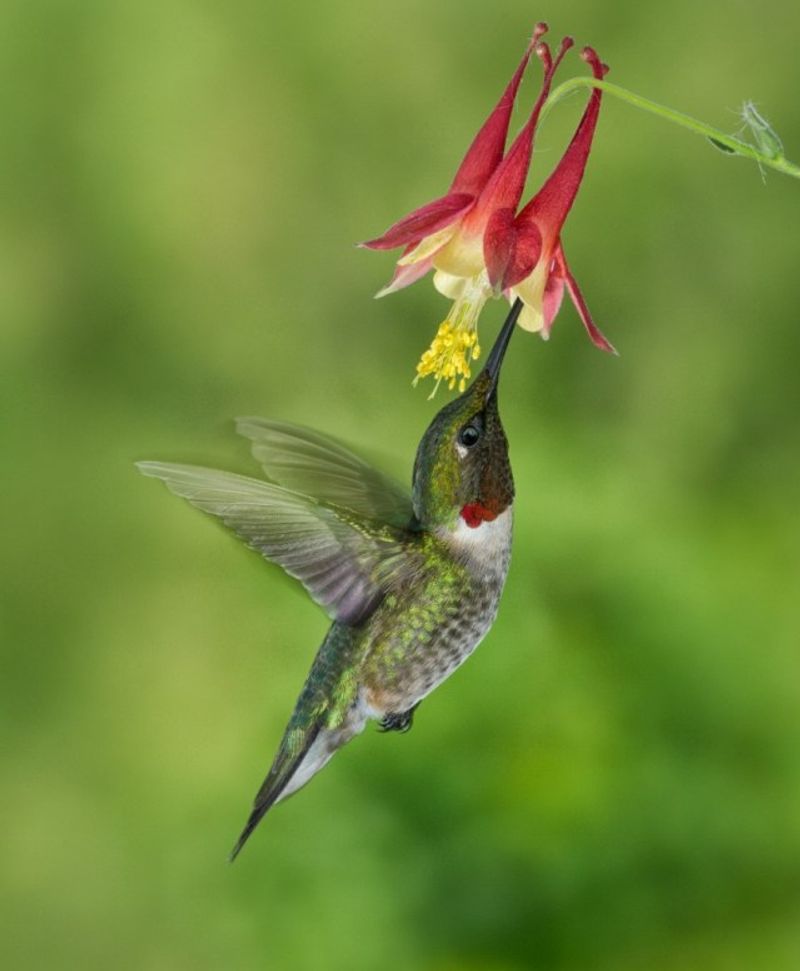
Not every yard is drenched in sun. For shady corners and rocky slopes, eastern columbine is a delicate-looking plant with a surprisingly tough streak.
Its red and yellow blooms open in spring, often right when ruby-throated hummingbirds return from the south. Individual plants may be short-lived, but they reseed gently, so a patch keeps itself going for years without you lifting a finger.
It thrives in mountain gardens and partly shaded Piedmont beds. Tuck seeds or small plants in this fall, and the colony will slowly settle into the cracks and edges it likes best.
8. Joe-Pye Weed
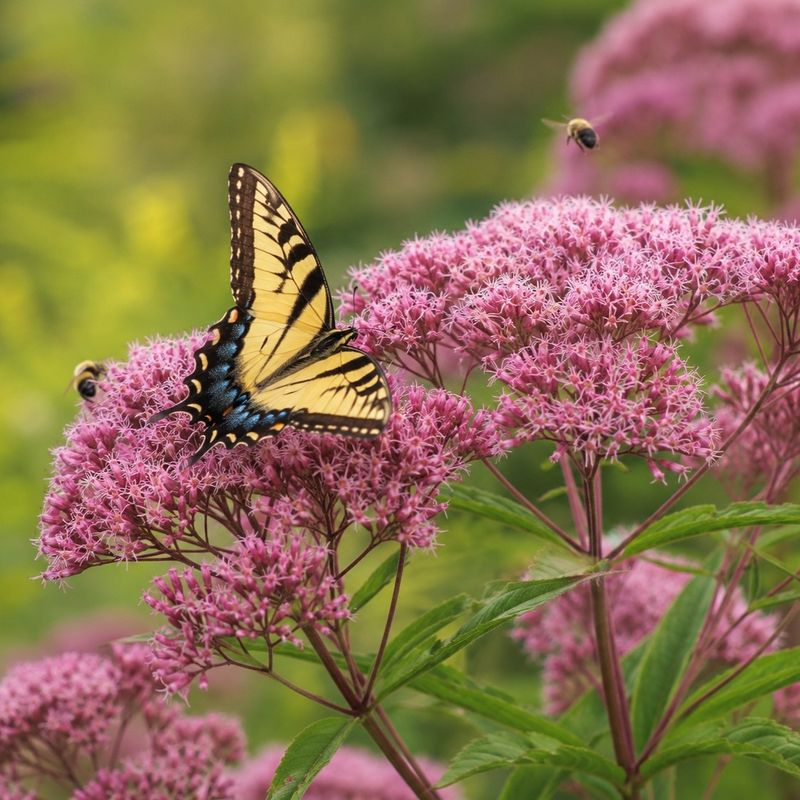
Swallowtails seem to find Joe-Pye weed from across the neighborhood. Stand next to a blooming clump in late summer and you may count a dozen butterflies at once.
The plant grows from a sturdy crown with thick roots that return bigger every year. It loves moist soil, so it is ideal for rain gardens, downspout areas, and the back of a border that stays damp.
It can reach five to seven feet, so plant it where it will not shade out smaller flowers. Leave the stems standing in fall, since hollow stalks may give some native bees a place to overwinter.
9. Christmas Fern
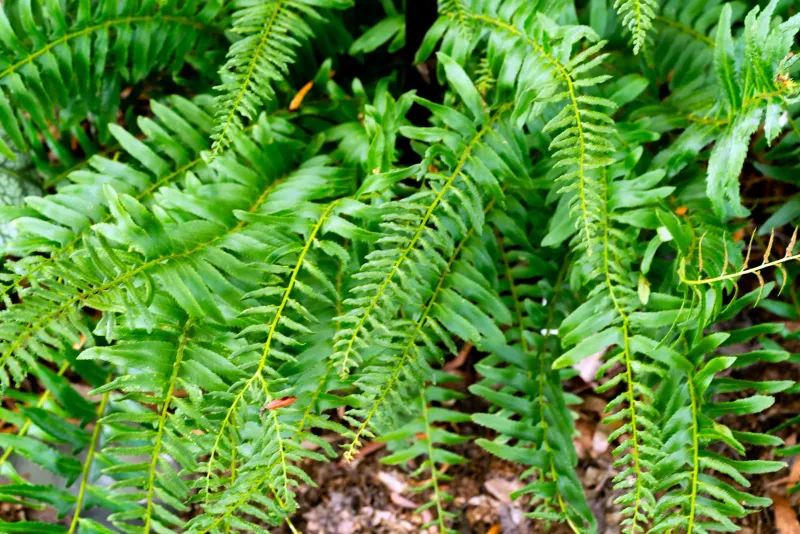
Bare dirt under trees is a common headache. Christmas fern solves it, staying green through winter while deciduous trees drop their leaves around it.
It forms long-lived clumps with deep, fibrous roots that hold soil on shady slopes. Once established, it handles dry shade better than most ferns, and deer tend to pass it by.
Fun fact: the name comes from early settlers using the green fronds for holiday decorations. It also makes a great native swap for liriope along shady walkways.
10. Aromatic Aster
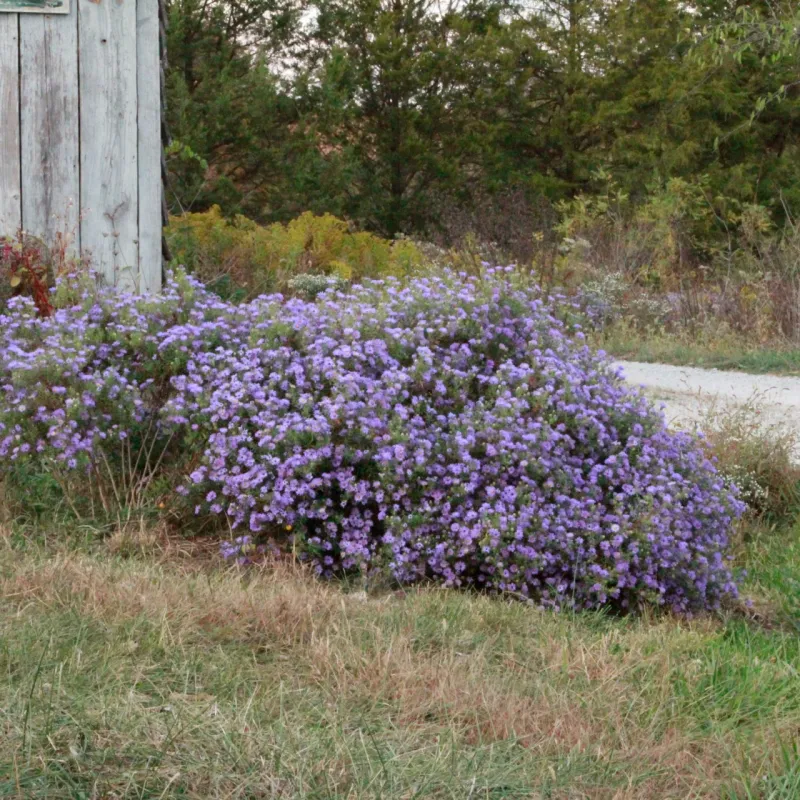
When the first frost is close and the garden looks spent, aromatic aster puts on its biggest show. Mounds of lavender-blue flowers cover the plant through October and into November.
Its roots spread steadily and dig into poor, dry soil, so it does well in hot spots near driveways or sidewalks. It rarely flops, and it can live for many years with little care.
Late bees and migrating monarchs may rely on blooms like these for fuel. Plant one now, and you will have a fall pollinator stop that returns year after year.
Bottom line: start with one or two of these this fall, water them through their first year, and let their roots do the rest for decades to come.