
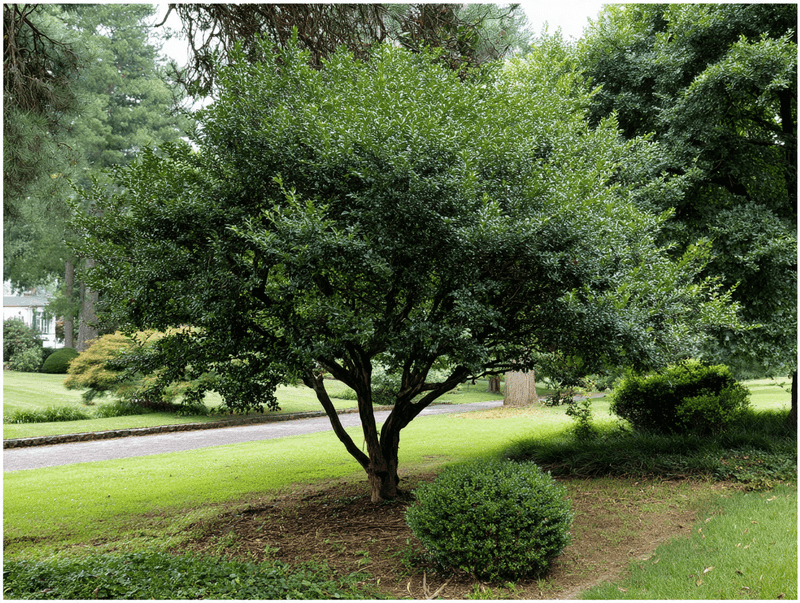
A good privacy screen can make a Texas backyard feel like a calmer place to sit. Yaupon holly is a native evergreen shrub that many gardeners consider for the job.
It can fill in thick and handle dry spells once it settles in. Before you buy, though, it helps to know what kind of work it still asks of you.
Yaupon can make a screen, but it is not a no-work promise
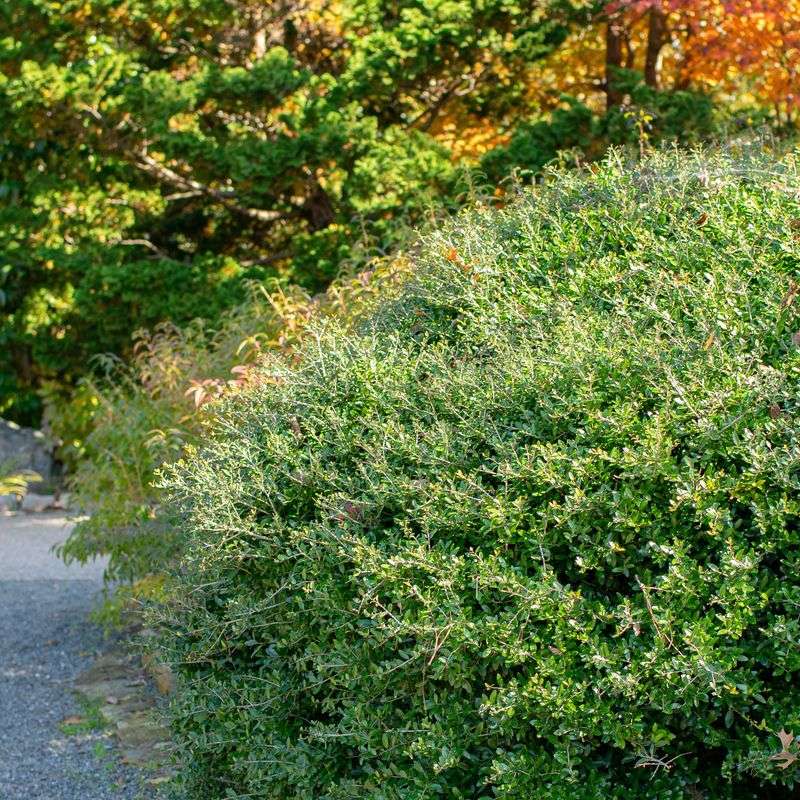
Gardeners hunting for an evergreen screen want leaves at eye level in January, not just in June. Yaupon holly (Ilex vomitoria) is a native shrub that fits that wish.
USDA NRCS describes it as an excellent hedge plant, and it tolerates drought once established.
Its small, glossy leaves and branching habit are what make it useful for privacy. UF/IFAS also recommends it for screens and hedges.
When branches thicken, they can block views of a neighbor’s patio, a side street, or a utility box.
Here is the candid part. Low maintenance does not mean maintenance-free.
Drought tolerance applies after the plant has established, so a new shrub still needs water while its roots spread into your soil.
You may also have some pruning to do, depending on the look you want. A loose, natural screen asks for less than a tightly clipped wall of green.
Later sections cover how to choose the right form, check your local conditions, and plan your time.
Think of yaupon as a promising candidate rather than a guarantee. Whether it earns a spot in your yard depends on your site, the cultivar you pick, and the screen you picture.
Choose a yaupon that will reach your privacy line
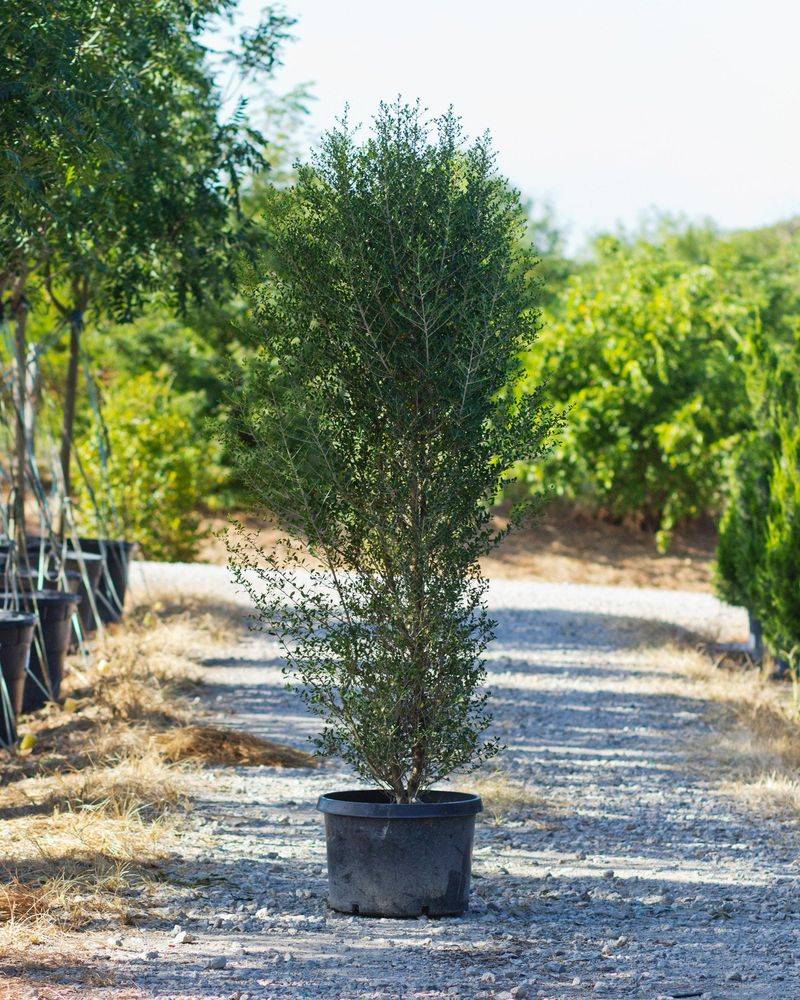
The name yaupon covers some very different plants. A standard upright form is a large shrub or small tree.
UF/IFAS lists large forms at 15 to 25 feet tall and wide, and USDA NRCS notes it can reach about 30 feet under ideal conditions.
That is a lot of shrub for a narrow side yard. It can be just right along a back fence where you want a tall, wide green wall.
Dwarf cultivars are another story. They stay compact and rounded, which suits foundation beds and low borders.
A plant like Schilling’s Dwarf yaupon is a good example of a form bred to stay small, so it will not block a second-story window or a neighbor’s view over the fence.
Before you buy, measure the height you need to hide. Then read the plant tag or nursery listing for the named cultivar’s mature height and width, not just the word yaupon.
If the tag lists only a small size, keep looking.
Spacing matters too. A shrub that will spread wide needs room, or you will end up cutting it back hard to keep it off a fence or walkway.
Texas-native does not mean right for every Texas yard
Texas stretches from piney woods to Gulf coast to dry hills and plains. A plant that thrives in one corner of the state can struggle in another.
Yaupon is native to the South, including Texas, and USDA NRCS describes it as adapted to a range of soils and climate conditions.
Still, native to the state does not mean equally happy everywhere in it. Its natural range is concentrated in the Southeast and coastal plain, so your yard’s conditions matter.
Start with your own site. Notice how much sun it gets, how water drains after a heavy rain, and how quickly the soil dries out in August.
Those clues tell you more than a plant’s reputation.
Then check local guidance. Texas A&M’s Earth-Kind plant selector lets you search by ZIP code.
The Texas A&M Forest Service tree planting guide also has a yaupon entry worth reading.
Your county Extension office is another good stop. Staff there know local soils and what has worked for neighbors.
A quick call before you buy can save you a season of guesswork.
Fall planting starts an establishment-watering commitment
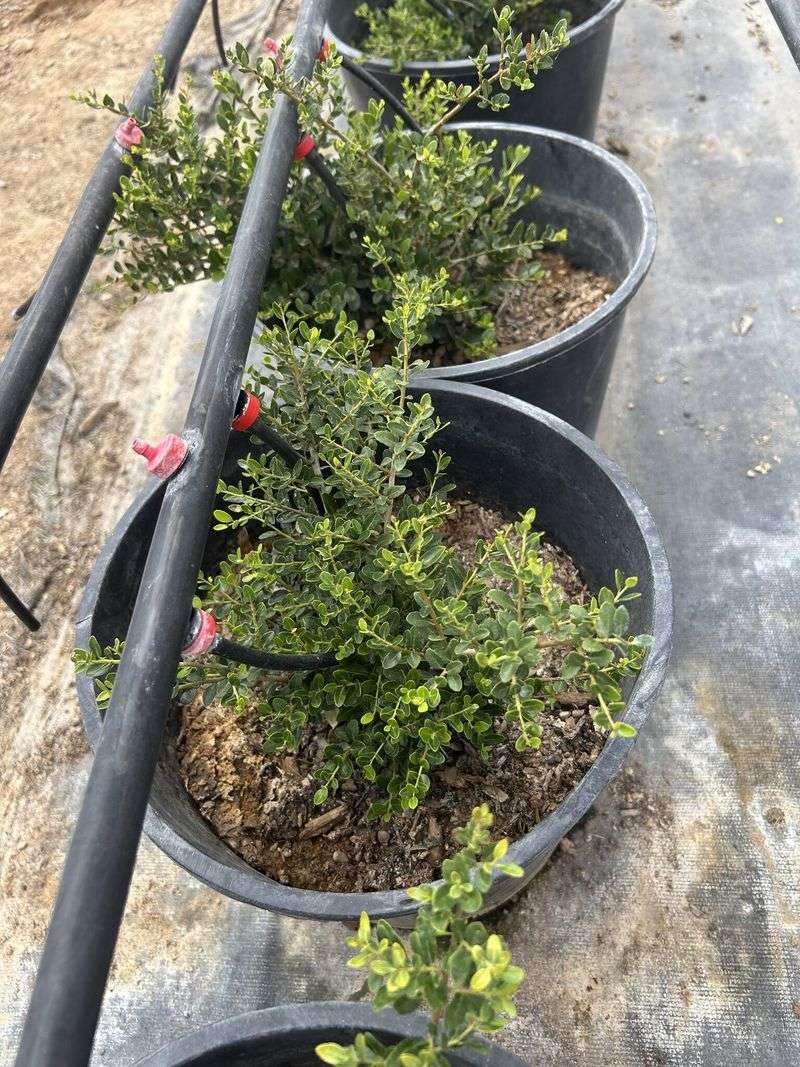
Fall is a friendly time to plant shrubs in much of Texas, with cooler air and roots that can grow while the soil is still warm. Texas A&M AgriLife Extension says container ornamental trees and shrubs can go in during October if soil moisture is good.
It also suggests considering a delay when conditions are exceptionally dry.
So check the ground before you dig. If the soil is parched and hard, waiting for rain may serve a new shrub better than forcing it into dry dirt.
Planting in fall does not end the watering job. Texas A&M Forest Service advises watering newly planted trees through two growing seasons, and it prefers deep, infrequent watering over frequent light sprinkles.
That guidance is written for newly planted trees in general, not for yaupon specifically. Treat it as a useful starting point and adjust to your soil, weather, and how the plant looks.
A simple habit helps. Before watering, push a finger or trowel a few inches into the soil near the root ball.
If it is still damp, hold off. If it is dry, give the plant a slow, deep soak.
The drought tolerance people praise comes later, after roots have settled. Until then, plan on being the plant’s water source.
A relaxed screen needs less shaping than a clipped hedge
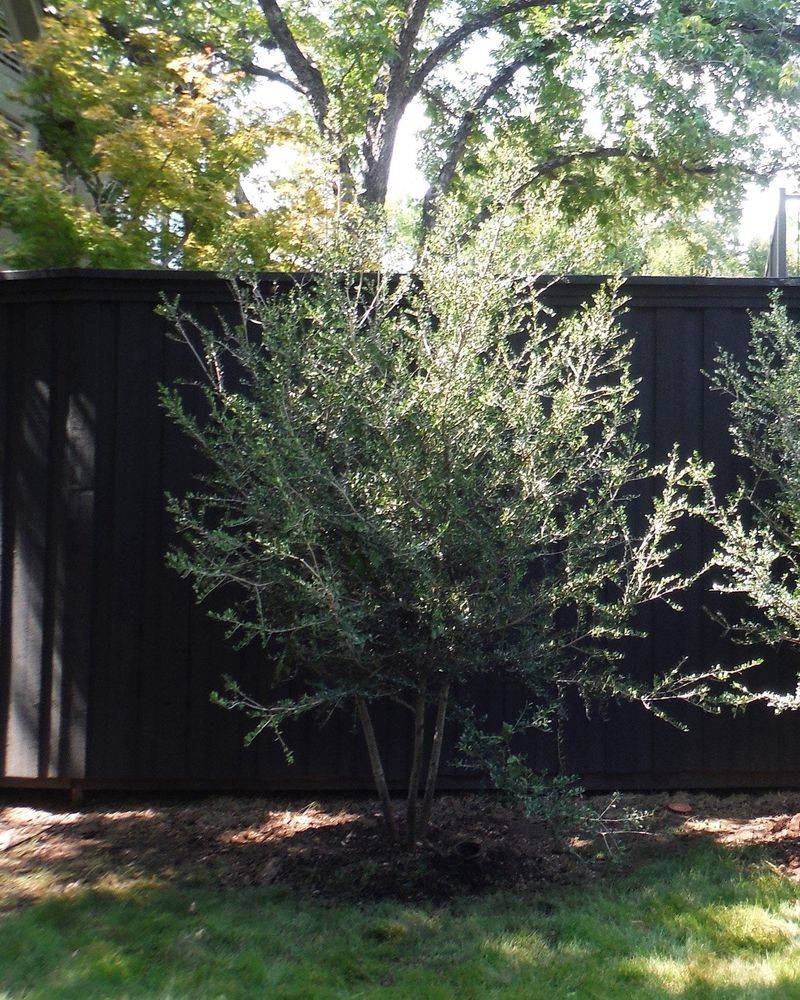
Picture two different yards. In one, yaupon grows loose and a little wild along the back property line.
In the other, it is sheared into a crisp green wall beside a front walk. Both are yaupon, but the weekend workload is not the same.
Yaupon can be shaped, and many gardeners do. A formal hedge, though, has to hold a set size and outline, and that means regular clipping.
Skip it and the edges blur back into a natural shape.
A relaxed screen asks for less. You might remove a stray branch, thin a crowded spot, or trim only where the shrub crowds a path.
There is one chore that surprises people. UF/IFAS notes that yaupon sprouts from its roots, and those sprouts may need cutting back two or three times a year to keep the base neat.
Look at where the sprouts will pop up in your yard. In a mulched bed they are easy to snip.
In a lawn edge you may meet them with the mower.
So decide on the look first. If you want a soft, natural wall, expect lighter pruning.
If you want a clipped line, budget regular time with the shears. Either way, plan on some trimming rather than none.
Want berries? Choose the plant deliberately
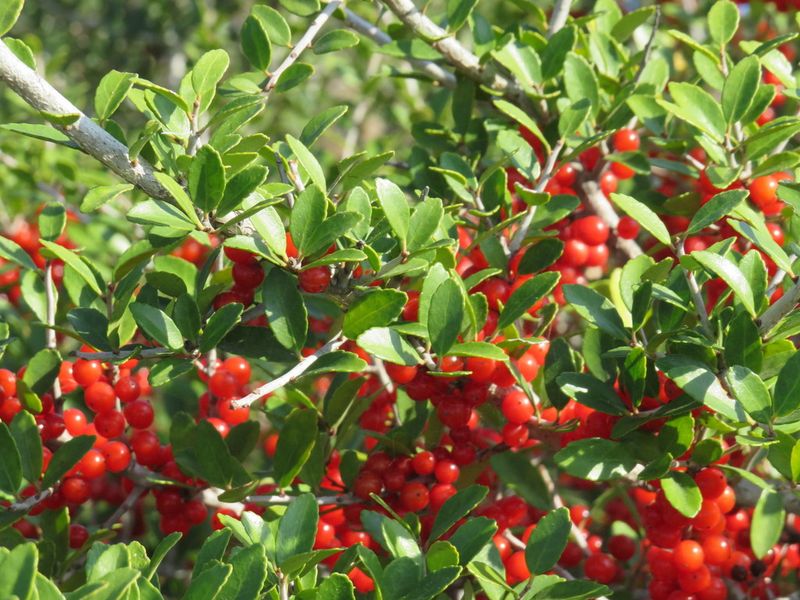
Red berries are a bonus, not a requirement for privacy. If you want them, the plant’s sex matters.
UF/IFAS explains that fruit needs a female plant and a male yaupon nearby for pollination.
Some dwarf cultivars are male, so they will never carry berries. If you pick a dwarf for its size and still hope for fruit, check the cultivar’s details before you buy.
A mix of plants, or a neighbor’s yaupon within reach, may supply the male pollen.
Berries also draw wildlife. USDA NRCS documents birds and other animals using the fruit, so a berrying screen can add some life to a winter yard.
That wildlife use is not an invitation for people. Do not eat or sample the berries.
The same USDA fact sheet warns that ingestion can cause nausea and vomiting, and Poison Control’s holly berry guidance notes possible stomach symptoms too.
If children or pets play in the yard, keep that in mind when choosing where to plant. If someone swallows berries, call Poison Control.
Make a realistic yaupon hedge plan
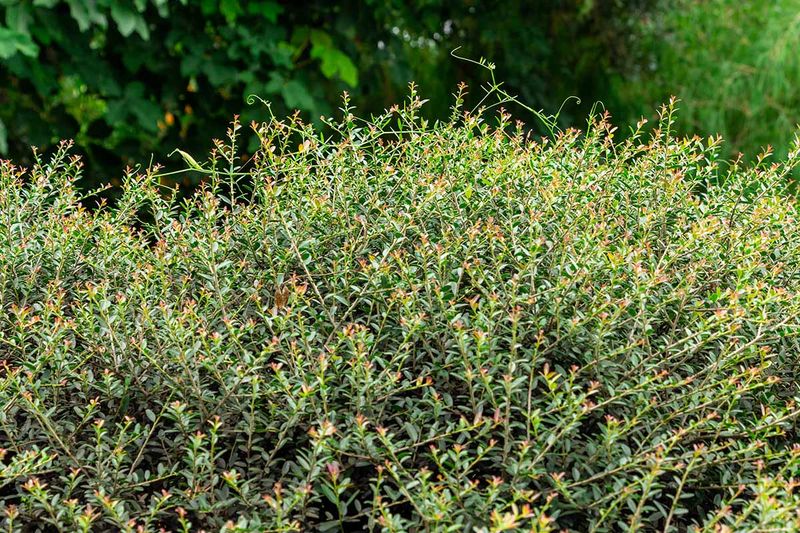
Start by checking local fit with the Texas A&M plant selector or your county Extension office. Next, pick a cultivar whose mature height reaches your privacy line.
Plant in fall when soil moisture allows, and budget for establishment watering plus occasional sucker control.
Yaupon is a promising low-maintenance native option, not a maintenance-free guarantee. Plan the work, and the screen has a fair shot at paying you back.