
October is the secret season for planting trees in Texas. The soil is still warm, the brutal heat is fading, and new roots get months to settle in before next summer hits.
Wait too long, though, and the best native trees at your local nursery get picked over fast. Here are ten tough, beautiful trees worth grabbing now while the selection is still good.
1. Live Oak
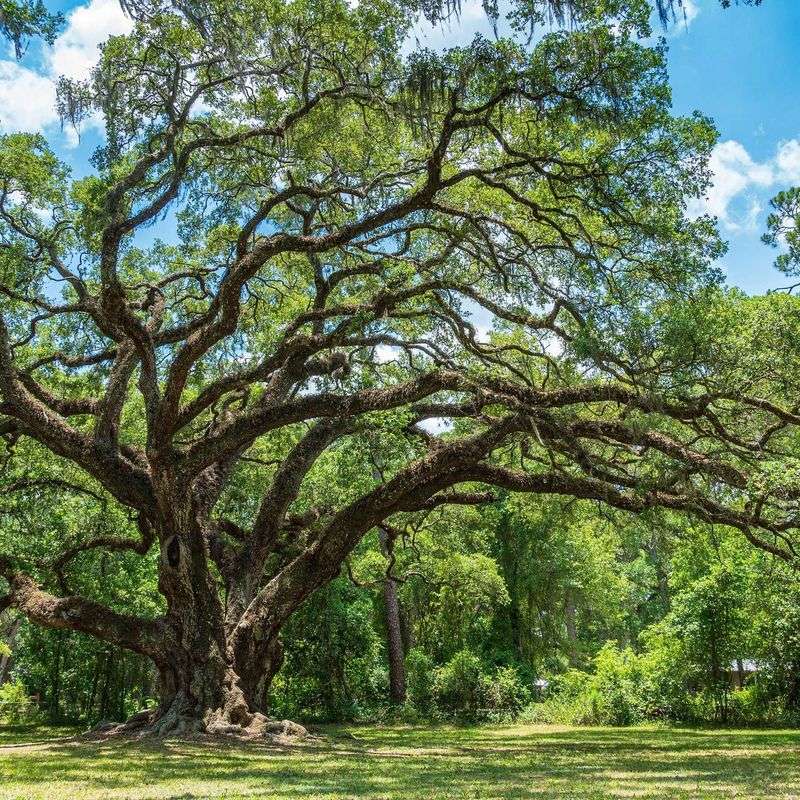
Ask any Texan to picture a classic shade tree, and odds are they will describe a live oak. Those wide, sweeping branches have shaded courthouse squares and family picnics for generations.
Live oaks handle heat, drought, and many Texas soils, from Hill Country limestone to Gulf Coast clay. They stay green most of the year, dropping old leaves in spring as new ones push out.
Planted in October, a young live oak can build roots all winter and face its first summer far stronger.
Give it room, at least 30 to 40 feet from your house. In parts of Central Texas, oak wilt is a real concern, so avoid pruning from February through June and paint fresh cuts.
Pick a healthy container tree now, because the nicest specimens tend to sell first.
2. Texas Redbud
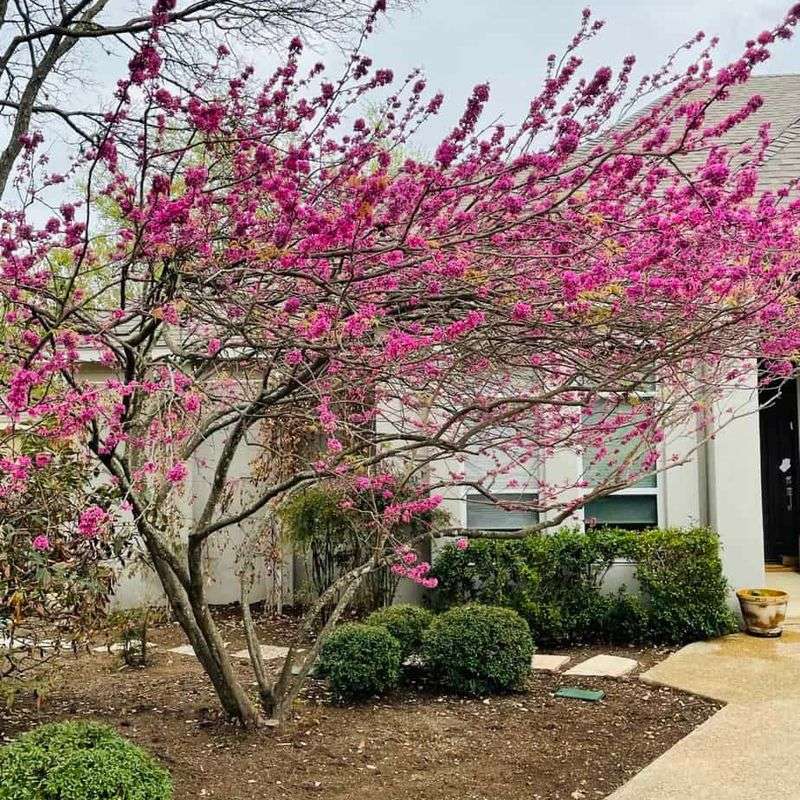
Long before most trees wake up, the Texas redbud bursts into vivid pink along bare branches. It is one of the earliest signs of spring across the state, and bees go wild for it.
This smaller tree usually tops out around 15 to 20 feet, so it fits front yards and tight corners. Its thick, shiny leaves help it shrug off dry spells better than eastern redbuds.
Alkaline soil? No problem at all.
Fall planting gives redbuds a head start on that big spring bloom. Look for the Texas or Oklahoma types at the nursery, since they are the tougher choices for western and central parts of the state.
3. Cedar Elm
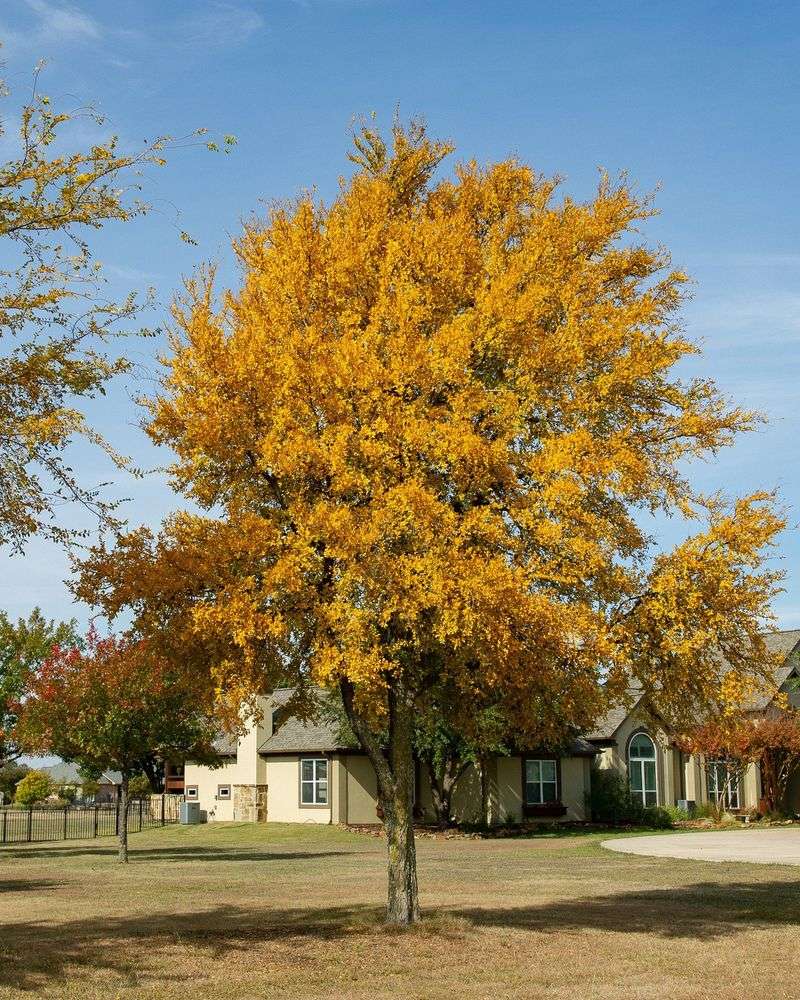
Here is a tree that rarely gets bragged about but almost never lets you down. Cedar elm grows wild from the Red River down toward the coast, and it handles compacted clay, drought, and flooding better than most.
Its tiny leaves give dappled shade instead of deep gloom, so grass can still grow beneath it. In late fall, the foliage often turns a soft butter yellow.
Growth is fairly quick, which helps homeowners waiting on shade.
Many cities list cedar elm as a top street tree for good reason. If your yard has heavy soil where other trees struggle, this one deserves a spot on your October shopping list.
4. Mexican Plum
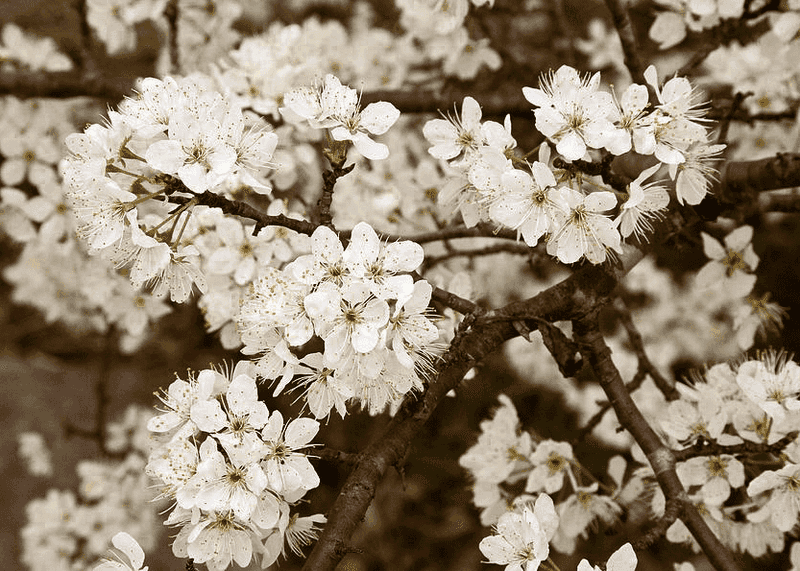
Picture a cloud of white, sweet-smelling flowers in late winter, then small purple-red plums by late summer. That is the Mexican plum in a nutshell, and wildlife loves every stage.
Early bees feed on the blooms when little else is open. Birds, foxes, and other critters snack on the fruit later.
You can make jelly from the plums too, if you beat the mockingbirds to them.
Unlike many plums, this native does not sucker much, so it stays tidy as a single trunk. It tolerates part shade and drought, making it a smart pick for the edge of a woodland or a pollinator border.
5. Desert Willow
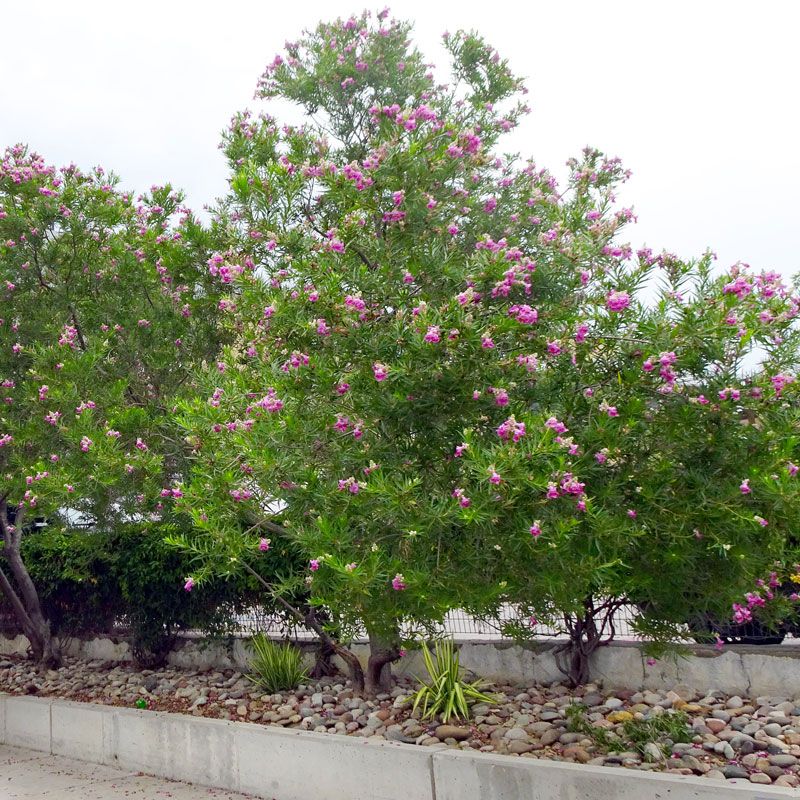
Hummingbirds treat a blooming desert willow like a summer buffet. Its trumpet flowers, in pinks, purples, and whites, appear on and off from late spring through fall, right when the heat is fiercest.
Despite the name, it is not a true willow. It comes from the dry washes of West Texas and needs very little water once settled.
Soggy soil is its weakness, so pick a spot that drains well.
Growing about 15 to 25 feet, it works nicely in rock gardens and water-wise yards. October planting lets roots spread before summer, which can mean more flowers sooner.
6. Chinquapin Oak
Got thin, rocky, alkaline soil? Plenty of Texans do, and the chinquapin oak was practically built for it.
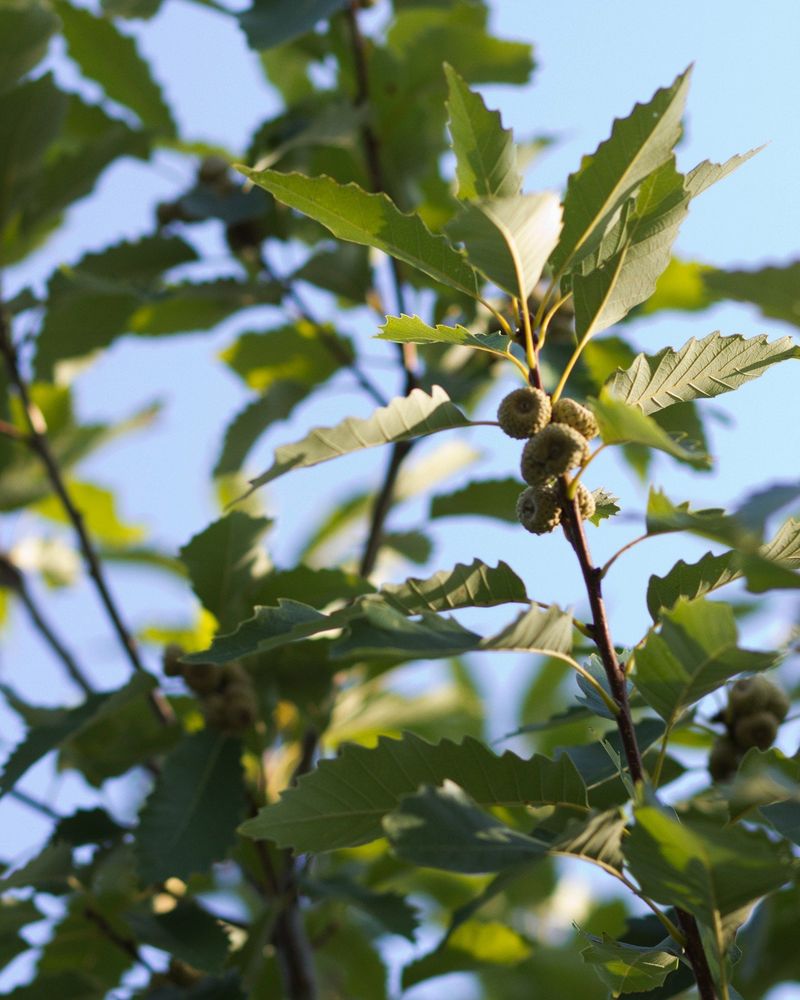
Its saw-toothed leaves look a bit like chestnut leaves, and they can turn yellow-brown or bronze in fall. Growth is moderate, but the tree becomes a sturdy, long-lived shade giver.
Its sweet acorns feed deer, squirrels, wild turkeys, and blue jays.
Many nurseries carry only a limited number each season. If you want something different from the live oaks lining your street, snag one early before they vanish from the lot.
7. Yaupon Holly
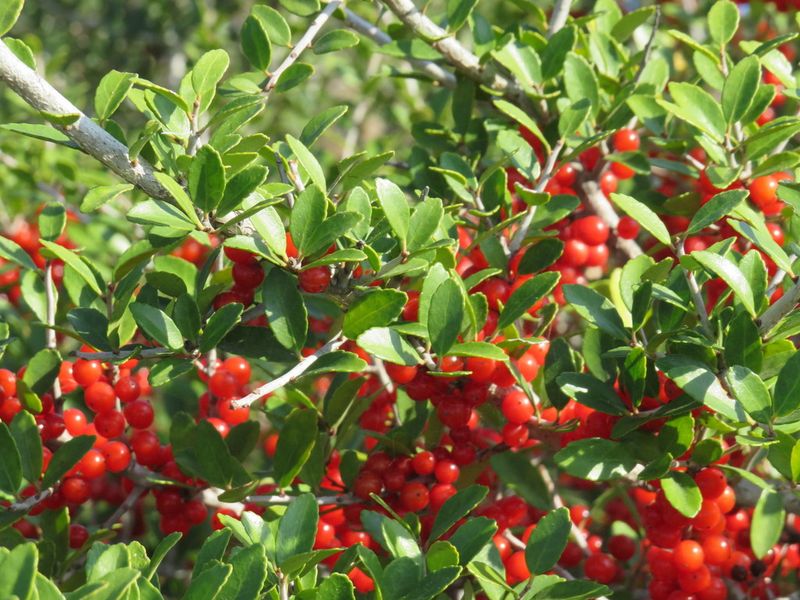
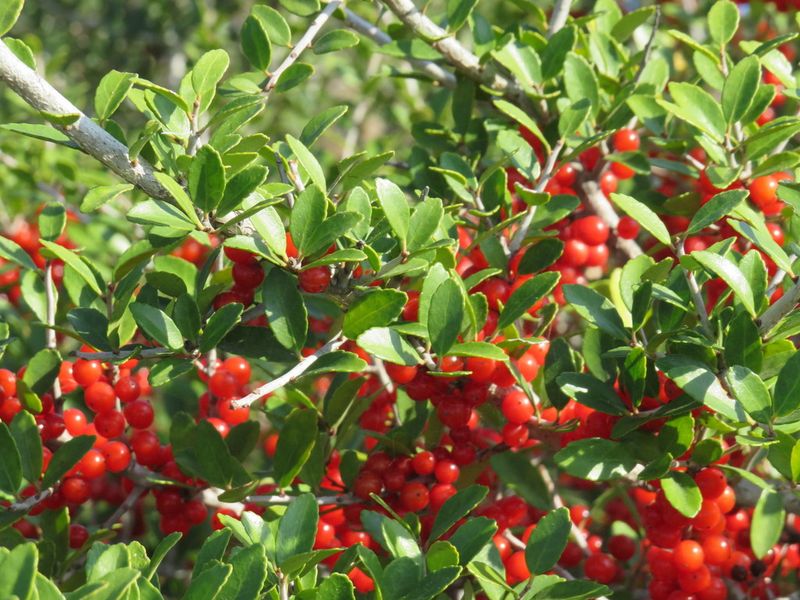
Bright red berries in December, glossy leaves all year, and a habit of surviving almost anything. Yaupon holly earns its fans honestly.
Female plants carry the berries, which feed cedar waxwings, robins, and mockingbirds through winter. Trained as a small multi-trunk tree, yaupon makes a lovely accent by a porch or entry.
It handles sun or shade, drought or wet ground, and even salty coastal air.
Fun fact: yaupon is the only native caffeine plant in North America, and some people still brew its leaves into tea. When shopping, look for berried females now so you know what you are getting.
8. Bald Cypress
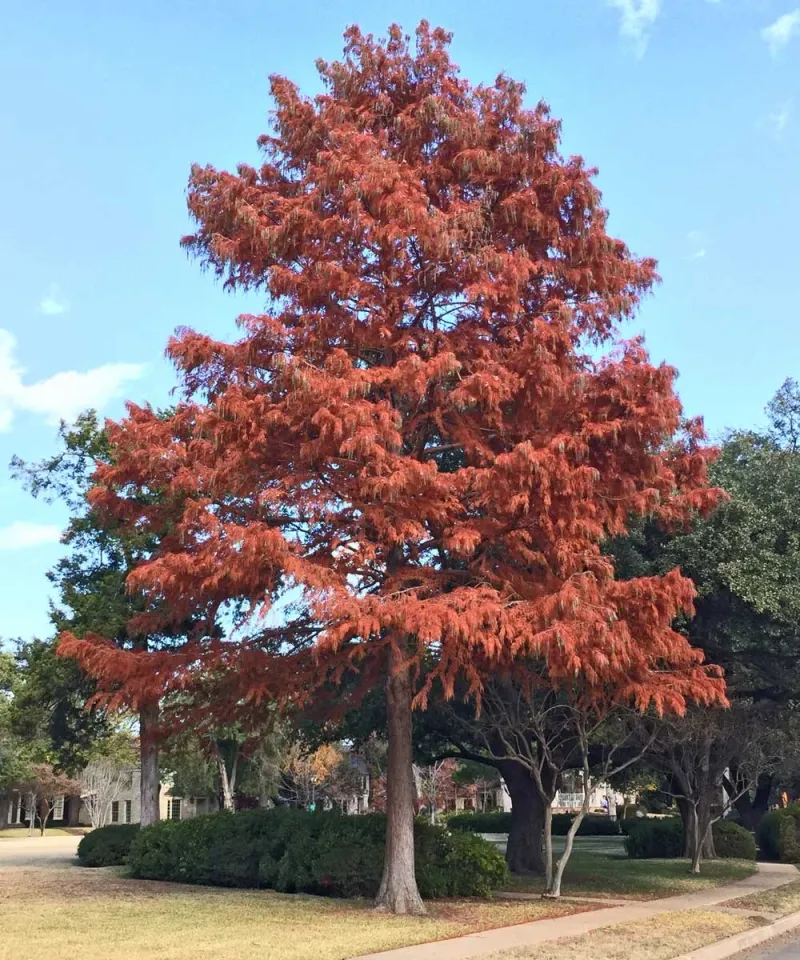
Some trees sulk in soggy spots. Bald cypress happily drinks them up.
Native along Texas rivers like the Guadalupe and Frio, it handles wet clay and low areas that flood after storms. Oddly, it also tolerates dry yards once established.
In fall, its soft needles turn rusty orange before dropping, which is why it is called bald.
Plant it where it can grow tall, since mature trees can pass 60 feet. Near ponds or drainage swales, it may grow those quirky knees.
Montezuma cypress is a close cousin that holds needles longer in South Texas.
9. Texas Mountain Laurel
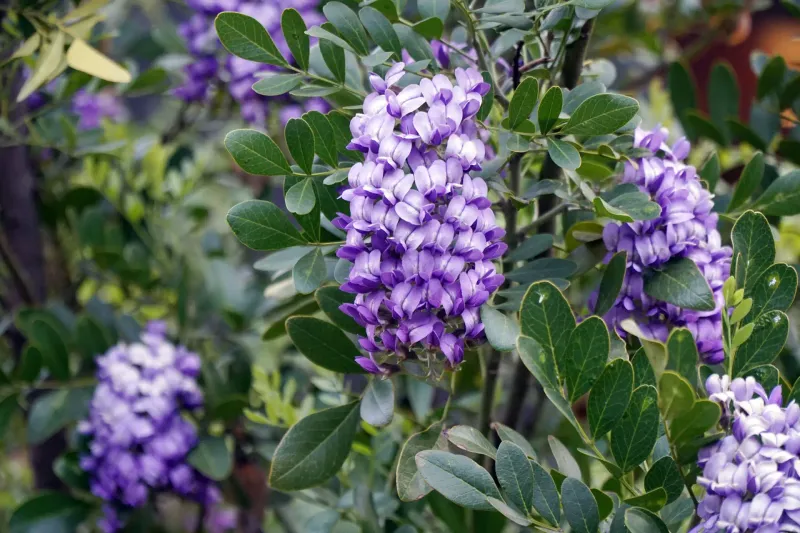
One whiff of a Texas mountain laurel in March, and you will swear someone opened a can of grape soda. Those drooping purple flower clusters smell exactly like it.
This slow-growing evergreen is a star across Central and South Texas, where it handles heat, drought, and rocky ground with ease. Its dark, glossy leaves look sharp all year, even in a dry August.
It stays small, often 10 to 15 feet.
Keep in mind that the bright red seeds are toxic, so plant thoughtfully around kids and pets. Because it grows slowly, larger plants are pricey and scarce.
Grab a good one this fall if you spot it.
10. Shantung Maple
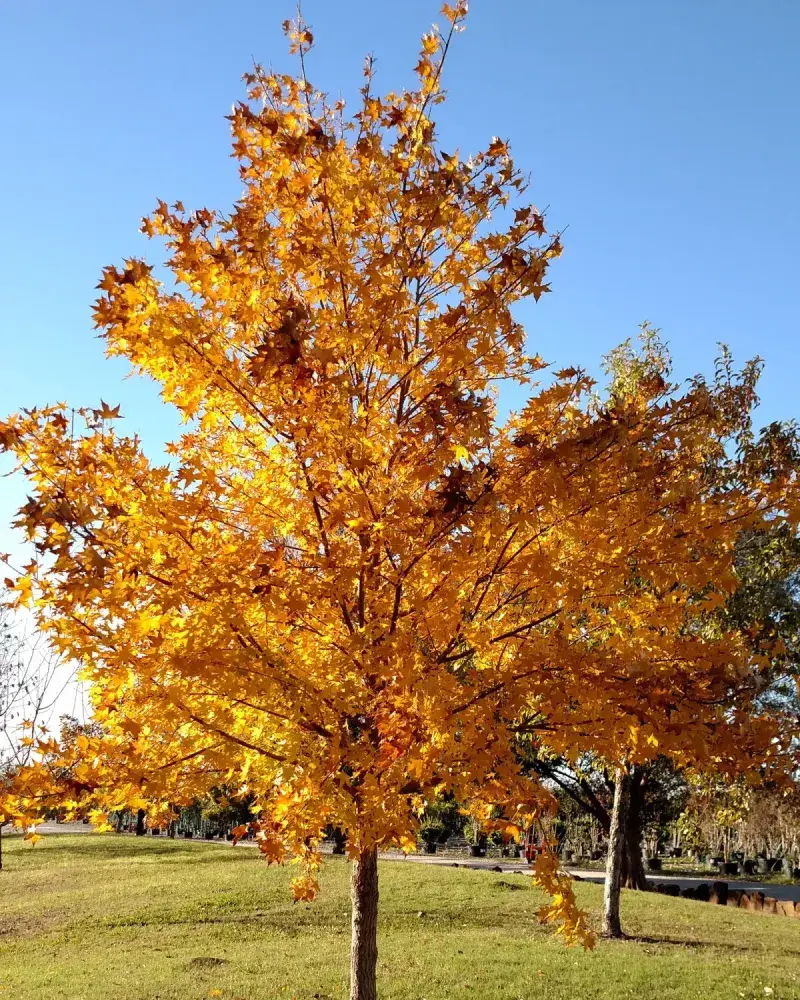
Missing real fall color? Most maples struggle in Texas heat, but the Shantung maple is a happy exception.
Native to Asia, not Texas, it has still proven itself in Dallas, Austin, and beyond. Its star-shaped leaves resist scorching better than red maples, and autumn brings reds, oranges, and golds.
At 25 to 30 feet, it suits medium yards well.
It may appreciate some afternoon shade in the hottest areas, plus deep watering the first two summers. October is the perfect time to buy one, since you can see its fall color right on the nursery lot before you commit.
Quick takeaway: pick one or two trees from this list, plant this month, mulch well, and water deeply through winter dry spells. Your yard will thank you next July.