
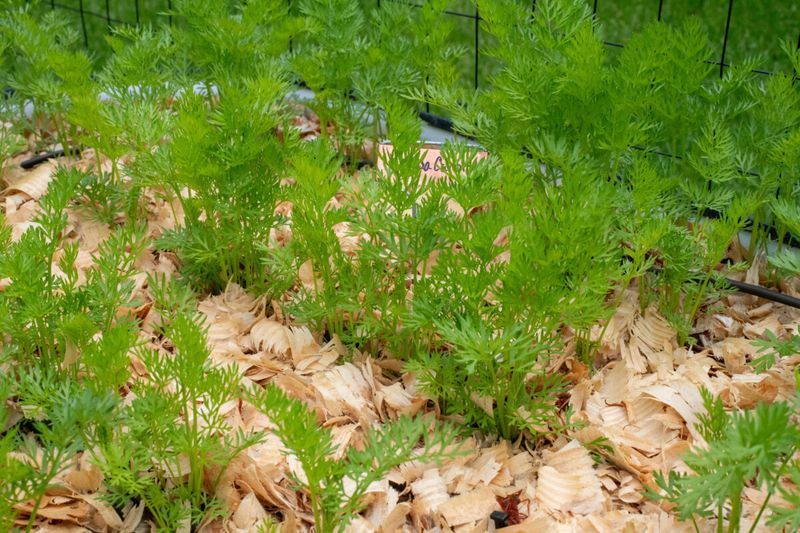
A cold snap can catch a fall garden off guard, and carrots and spinach do not need the same kind of help. Carrots hide underground, so the main worry is soil that freezes hard.
Spinach grows leaves in the open, so it needs a different plan. Here is how Florida and Texas gardeners can decide what to protect and when.
A hard freeze is not a universal mulching deadline
The title of this article points to the first hard freeze as a deadline, but that is too rigid for the South. An air frost happens when the air temperature drops low enough to coat leaves in ice.
It does not mean the soil has frozen solid, and soil can stay workable through many frosty nights.
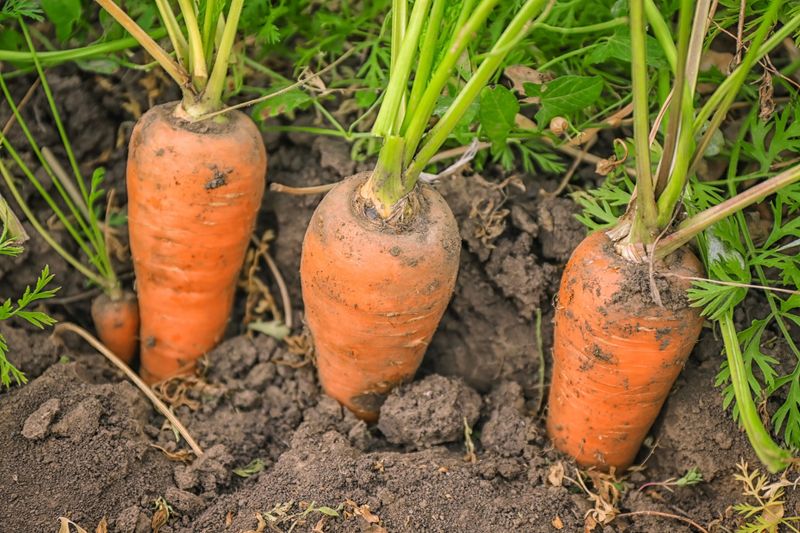
For carrots, the real concern is whether frozen ground will damage the roots or make digging impossible. Illinois Extension carrot guidance frames harvest timing around that soil risk, and Penn State Extension likewise advises getting roots out before the ground freezes.
Local weather, soil type, and how exposed your bed is all change the timing. A sheltered in-ground row near a wall behaves very differently from a raised bed open to the wind.
Planting calendars also vary across the South. UF/IFAS lists different vegetable seasons by Florida region, and Texas A&M’s fall vegetable guide stresses regional dates too.
Check with your county Extension office instead of trusting one calendar date.
Loose mulch can extend carrot harvest
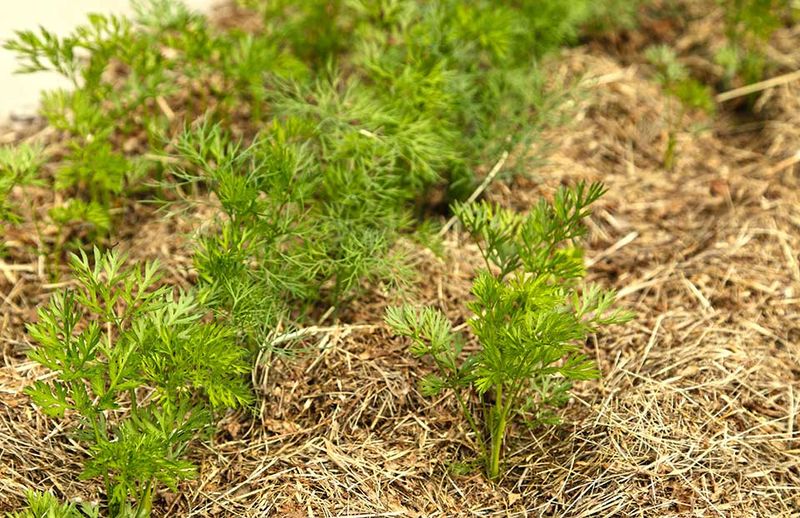
Straw or leaves work like a blanket for the ground. Loose, clean material traps air, which slows the cold from reaching the soil, so carrots may stay in the ground and stay diggable longer.
It buys time, but it does not stop winter.
Illinois Extension suggests mulching with clean straw or loose leaves, and its storage tips mention 6 to 8 inches as a depth that may extend harvest. That advice comes from a colder region where winters are far harsher than in most of Florida or Texas.
So treat that number as a reference point, not a Southern rule. A heavy blanket may not be needed in a mild winter, and no single depth guarantees protection.
Watch your own weather and adjust, using thicker cover before a deep cold forecast and less when nights stay mild.
Keep the mulch loose and free of weed seeds, and check the UF/IFAS seasonal guidance or your own county office for local timing.
Harvest carrots before frozen ground gets in the way
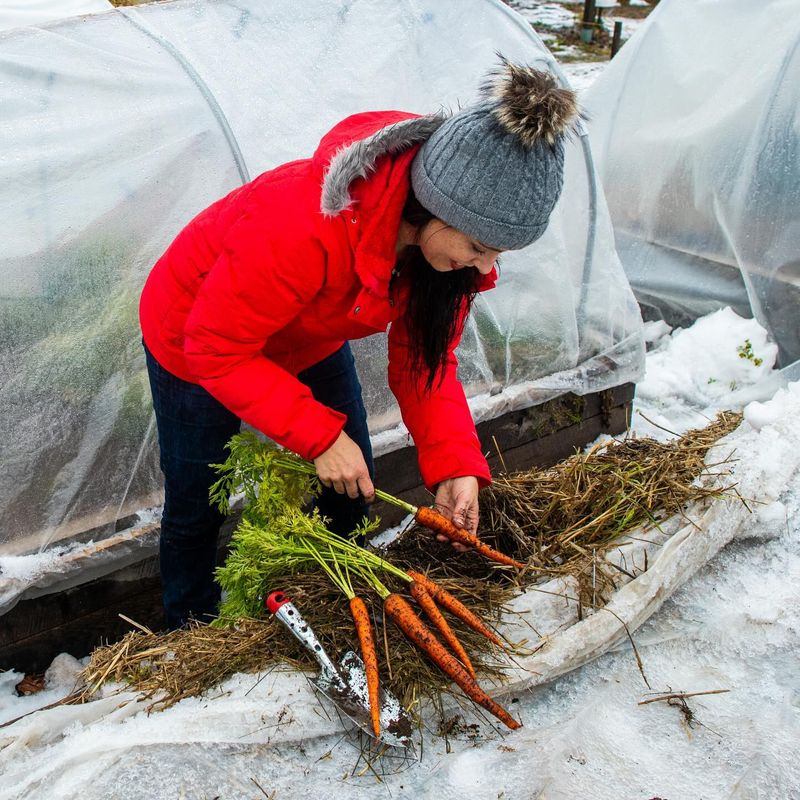
Mulch is a tool for buying time, and the harvest still has to happen. Illinois Extension advises digging carrots when temperatures are above freezing.
Roots pulled from frozen ground can be hard to loosen, and freezing can damage them.
A simple check helps. Push a trowel or garden fork into the soil near the row before a cold night is forecast, and if it goes in easily, you still have time.
If the top layer is crusty or rock hard, the window is closing.
Raised beds and containers need extra care because their soil is more exposed to cold air on the sides and bottom. They can freeze sooner than ground-level rows, so check those first and pull carrots earlier.
The Penn State Extension root vegetable guide also covers harvesting and storing roots, which helps if a big freeze is on the way. Pulling a few extra carrots ahead of a cold night is cheap insurance, and you can brush off the soil and store them in the refrigerator.
Rely on what your soil is doing, not on mulch depth alone.
Cold may affect carrot sweetness, but it does not guarantee it
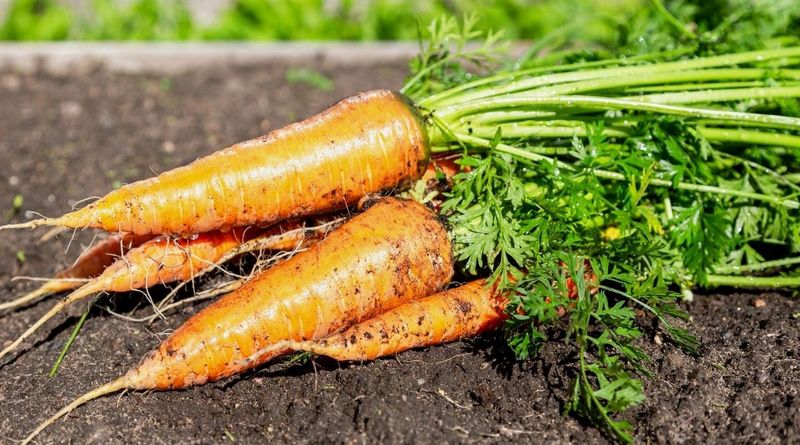
Many gardeners swear that carrots taste better after cool weather. Extension sources note that cold exposure can be linked with sweeter-tasting root crops, and Penn State Extension’s fall vegetable advice mentions this flavor boost.
It is a possible bonus, not a promise.
One frost will not reliably turn a bland carrot into candy. Variety, soil, and weather all play a part, and mulch itself does not add sweetness.
Cold can also work against you. A peer-reviewed study on carrot sugar content found that frost injury could reduce sugar content instead of raising it.
A light frost is not the same as a root freezing, and damaged roots can lose quality.
Keep flavor separate from your harvest plan. Dig on the basis of soil conditions, then enjoy a sweeter carrot if you happen to get one.
Protect spinach leaves differently from carrot roots
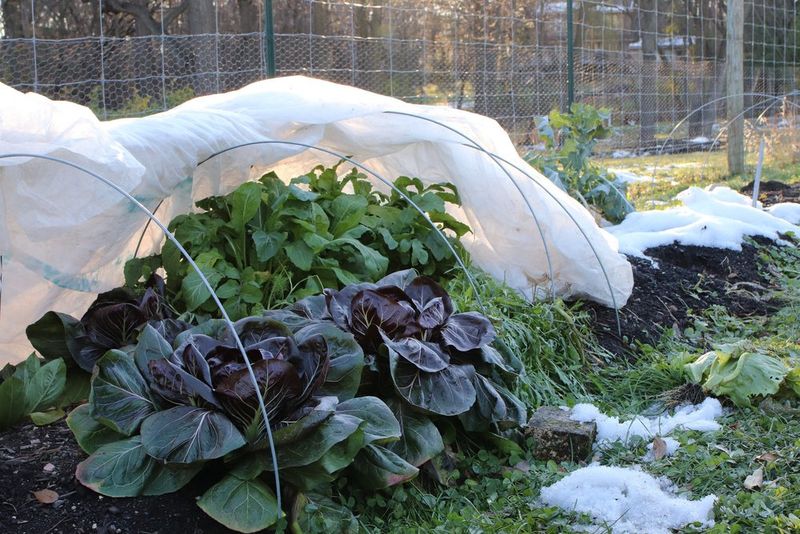
Spinach is already fairly cold tolerant, so it plays by different rules than carrots. Mulch insulates soil and roots, which is why it suits carrots.
It does not reliably protect exposed spinach leaves through severe cold.
Mulch may help young spinach seedlings overwinter, as Illinois Extension’s spinach page and University of Minnesota Extension describe. When you want leaves to harvest in harsher conditions, a row cover, low tunnel, or protected cold frame is the better choice, as covered in Illinois Extension’s low tunnel guide.
Covers need attention. On warm, sunny days, open or vent them so plants do not overheat.
For steady picking, take the outer leaves and leave the growing point in the center intact, a tip from UGA Extension. The plant can keep making new leaves.
Wet, humid weather can bring disease, so give plants airflow.
Let local conditions guide the last harvest
Start with your county Extension office, since planting and protection timing differ across Florida and Texas. The UF/IFAS seasonal vegetable guidance is a good example of how much the calendar shifts by region.
For carrots, spread loose straw or leaves to slow soil freezing, then harvest while the ground is still diggable, as Illinois Extension’s carrot advice suggests. For spinach, add a row cover or low tunnel when the forecast calls for it, following its spinach guidance.
These steps may stretch your harvest, but they cannot promise sweeter carrots, prevent every kind of cold damage, or keep both crops available all winter.
The forecast, not the calendar, sets the real deadline, so the best gardeners are the ones who keep checking the soil.