
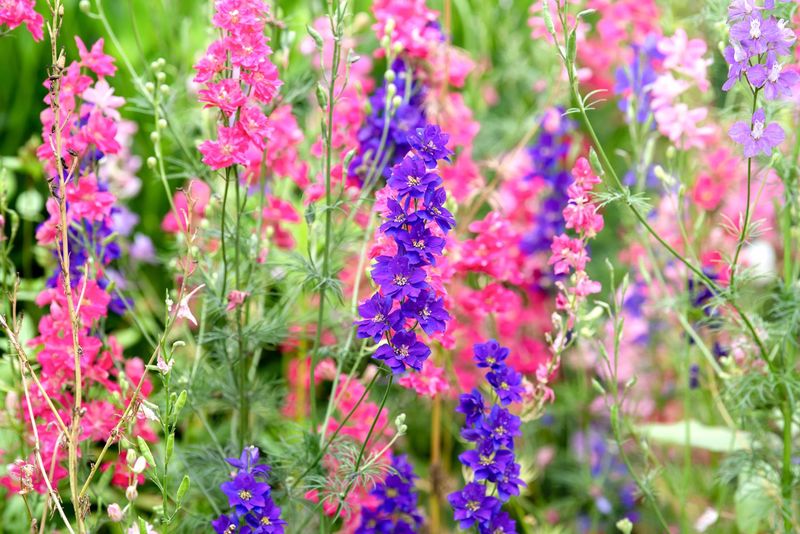
When summer heat finally breaks across the South, most people put their trowels away. That is a mistake, because October is one of the best planting months for Texas and Florida gardeners.
Cooler soil and gentler sun give young flowers time to settle their roots before spring. Plant a few of the right picks now, and your yard can burst with color while your neighbors are still shopping for seed packets.
1. Snapdragons
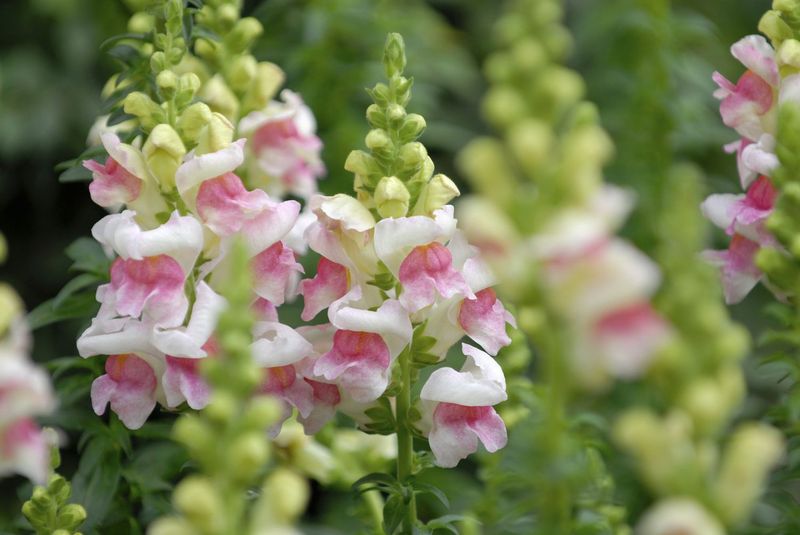
Kids love to squeeze the blooms and watch the little dragon mouths snap open and shut. That playful trick is only part of the charm, though.
Snapdragons are tough cool-season bloomers that handle Southern winters far better than most people expect.
Set transplants in the ground in October, and they spend the mild months building strong roots and sturdy stems. In much of Texas and north Florida, plants often flower lightly through winter, then really take off in March and April.
Tall varieties like Rocket shine at the back of a border, while dwarf types fit neatly along a porch edge or in containers.
Pick a sunny spot with soil that drains well, since soggy roots can lead to rot. Space plants about 8 to 10 inches apart so air can move between them, which may help reduce fungal problems during damp spells.
Here is a handy tip: pinch the top of each young plant once it has a few sets of leaves. That small snip encourages side branches and more flower spikes.
Once spring heat arrives in late May, snapdragons usually fade, so enjoy them as a bright seasonal show before your summer plantings take over.
2. Pansies and Violas
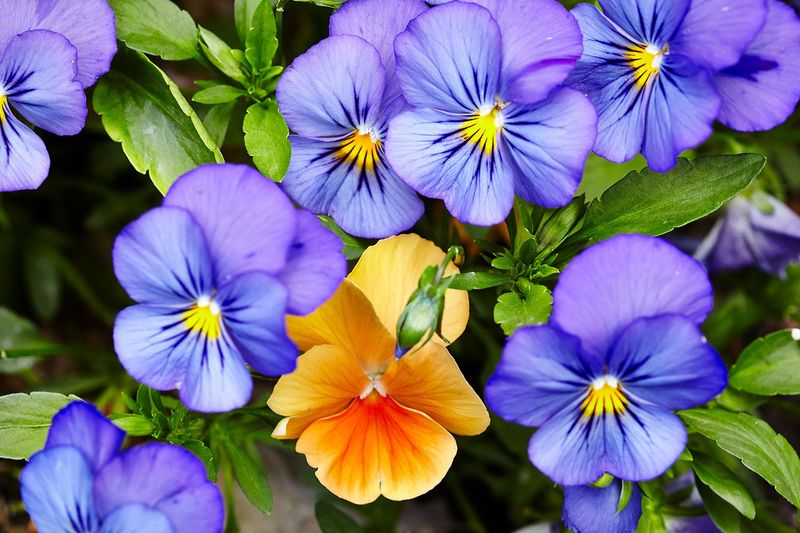
Few flowers look this cheerful in January. With their tiny painted faces, pansies and violas brighten the dullest corners of a yard right when color is hardest to find.
Timing matters in the South. Wait until nighttime temperatures stay below about 70 degrees, which often means mid to late October in Texas and November in central Florida.
Planting too early in lingering heat can leave plants stretched and weak.
Violas are the smaller cousins, with more blooms per plant and a bit more toughness against cold snaps. Pansies give you bigger, bolder faces.
Many gardeners mix both for a full, layered look in window boxes, hanging baskets, and front walk borders.
Give them morning sun and some afternoon shade if you can. Water the soil, not the leaves, and feed lightly every few weeks with a balanced fertilizer to keep flowers coming.
Bonus: pansy and viola blooms are edible. They make pretty garnishes for salads or cupcakes, as long as you skip pesticides.
Deadhead faded flowers often, and these little charmers can keep blooming well into April before warm weather sends them packing.
3. Larkspur
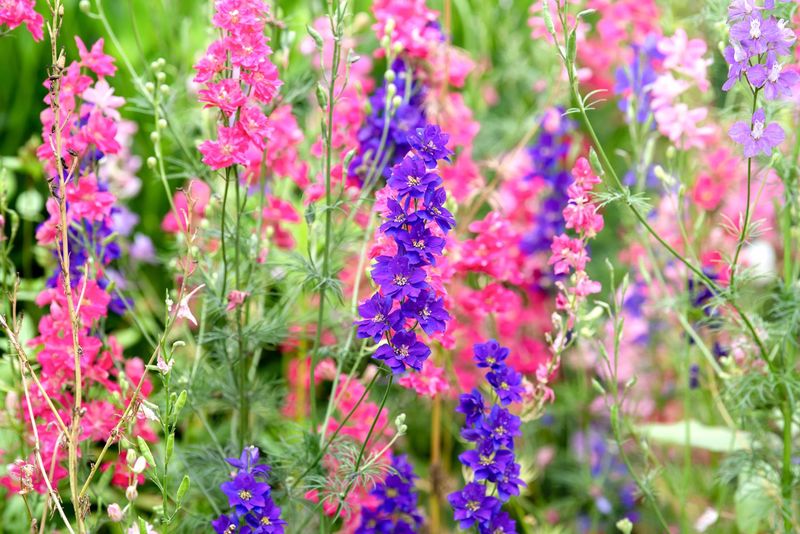
Grandmothers across Texas have scattered larkspur seed in fall for generations, and for good reason. Toss it out once, and it often comes back year after year on its own, filling beds with tall spikes of blue, purple, pink, and white.
Larkspur actually needs a chill to sprout well, which makes October and November ideal for sowing in the South. Seeds sown in spring often struggle.
Just rake the soil lightly, scatter seed, and press it down so it touches the dirt. There is no need to bury it deeply.
Choose a sunny area with average soil. Larkspur does not like being moved, so sowing directly where you want it works much better than starting transplants.
By April, plants can reach two to four feet, making them great for the back of a bed or along a fence. Bees and butterflies visit the blooms, adding life to your yard.
One caution: all parts of larkspur are toxic if eaten, so plant it away from spots where pets or small children like to nibble. Let some flowers dry and drop seed in early summer, and you may enjoy a free encore next spring.
4. Bluebonnets
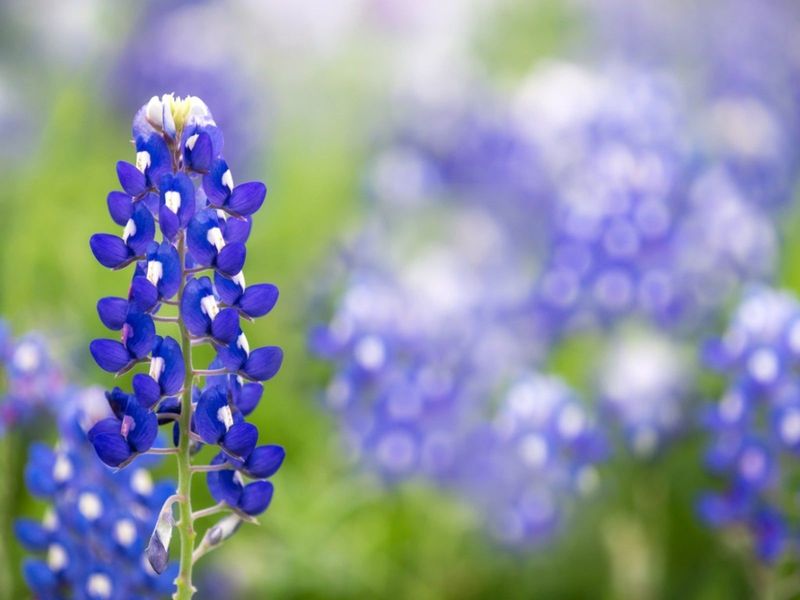
Nothing says spring in Texas quite like a sweep of bluebonnets. Many people assume these wildflowers only grow along highways, but you can grow your own patch at home if you plant at the right time.
Fall is that time. Bluebonnets sprout in autumn, form small rosettes of leaves through winter, and then bloom in late March and April.
Seed sown in spring usually misses the window entirely.
The seeds have a hard coat, so lightly scuffing them with sandpaper or soaking them overnight can help more of them sprout. Spread them over loose, well-drained soil in full sun.
Bluebonnets dislike rich, heavy, or soggy ground, so skip the fertilizer and compost.
Florida gardeners can try them too, especially in the northern part of the state, though sandy, humid conditions may produce mixed results. Starting with a small test patch is a smart move.
Leave the plants alone after blooming until seed pods turn brown and split. That patience lets them reseed for next year.
Pollinators like bumblebees love the flowers, so your patch helps local wildlife while giving you a real Lone Star postcard in your own yard.
5. Calendula
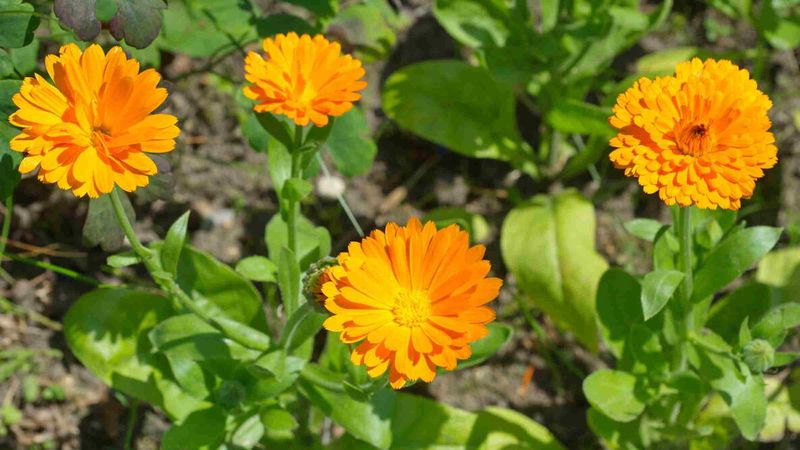
Looking for a flower that pulls double duty in the vegetable garden? Calendula, sometimes called pot marigold, earns its spot by bringing sunny orange and gold blooms right alongside your winter lettuce, kale, and broccoli.
October is a great month to sow calendula seed or set out transplants in Texas and Florida. The plants thrive in cool weather and often bloom from winter straight through spring.
Summer heat is what usually ends their run, not cold.
Tucking calendula into vegetable beds may help draw in helpful insects like hoverflies and ladybugs, which feed on aphids. Some gardeners also find it can act as a trap plant, pulling aphids away from nearby crops.
Results vary, but the extra pollinator traffic is a nice perk.
Plant in full sun with decent drainage. Calendula is not fussy about soil, which makes it a forgiving choice for beginners.
Petals are edible and add a peppery pop of color to salads and rice dishes. Keep picking spent blooms, and plants tend to keep producing.
Save a few dried seed heads at the end of the season, and you will have free seed ready for next October.