
A neighbor knocks on your door and says your tree has to be cut back because it blocks their view or shades their solar panels. That sounds serious, but the answer depends on where you live, what the tree is doing, and when it was planted.
California has some surprising rules that can give neighbors real leverage in a few cases. Knowing the difference between a request and a legal duty can save you money, stress, and a healthy tree.
California does not guarantee a neighbor an open view
Start with the basic rule. California courts have said there is no general common-law right to an unobstructed view across a neighbor’s land, a point discussed in Boxer v.
City of Beverly Hills. In plain terms, losing a view does not, by itself, give a neighbor the power to demand that you trim a tree.
That said, the starting point can change. A local ordinance, a recorded covenant, an easement, or another specific property right may give a neighbor a way to raise the issue.
The details of that rule matter far more than how upset the neighbor feels.
A court looked at one such local rule in Kahn v. Price, which involved San Francisco’s view-dispute ordinance.
That case shows what a local remedy can look like. It does not show a statewide entitlement.
So there are really two separate paths to keep in mind. One is local rules and property rights about views.
The other is the state’s Solar Shade Control Act, which has its own narrow conditions. The next sections take them one at a time.
Local view rules depend on where the property sits
Some places do have view rules, and they differ a lot. Contra Costa County explains in its Kensington ordinance FAQ that its tree view ordinance applies only in unincorporated Kensington.
It concerns views that became obstructed after a resident first occupied or acquired the home. It relies on reconciliation or mediation, then arbitration or civil proceedings, rather than county enforcement.
Malibu works differently. Its view preservation code sets out its own eligibility findings and a restoration process.
A homeowner in Malibu and one in Kensington could face very different steps for a similar complaint.
Most California cities and counties have nothing like these rules. The San Francisco ordinance in Kahn v.
Price is a local example, not a rule for the whole state.
Spite fences are a narrower idea. Civil Code section 841.4 covers a fence or fence-like structure that unnecessarily exceeds 10 feet and is maliciously erected or maintained to annoy a neighbor.
A court noted in Wilson v. Handley that a row of trees can potentially qualify.
That does not make every tall or view-blocking tree unlawful, and planting a tree is not always illegal.
The solar law covers only qualifying collectors
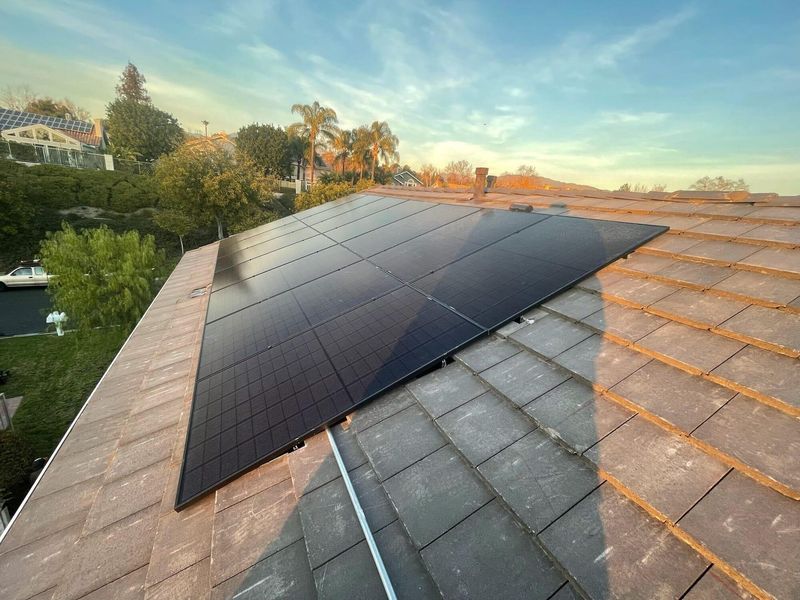
California’s Solar Shade Control Act does not protect every solar setup. Under section 25981, a solar collector generally means a fixed rooftop solar-energy device used for water heating, space heating or cooling, or power generation.
Ground-mounted devices count only in specified situations, mainly where a rooftop installation is unsuitable. Even then, the statute adds location and setback requirements that the system must meet.
There is also an electricity-demand limit. Systems intended to offset more than the building’s electricity demand are excluded.
A large array built to sell power, for example, may fall outside the Act.
If a neighbor says their panels are shaded, a useful first question is simple: does this system actually fit the definition? Is it on the roof, or on the ground, and if on the ground, was a roof truly unsuitable?
Those facts come before any talk about your tree.
A solar claim turns on the tree’s timing and shadow
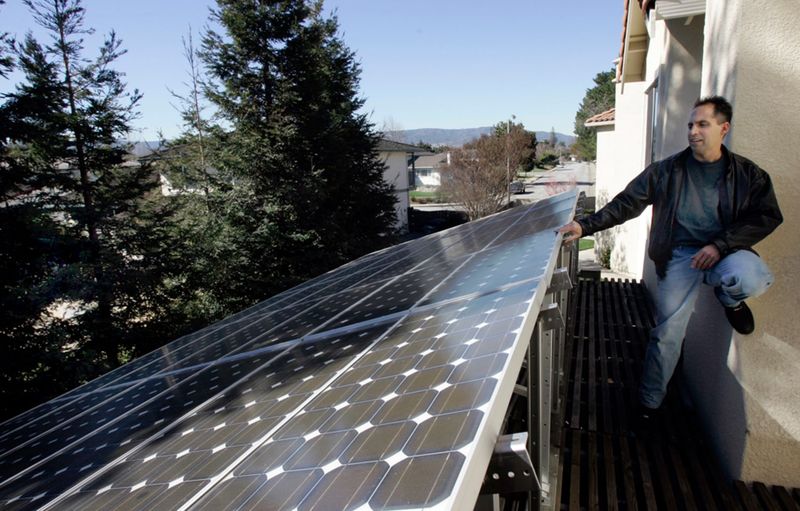
The Act uses a specific test. Under section 25982, it applies after a qualifying collector is installed.
A tree or shrub planted afterward, or allowed to grow afterward, must cast a shadow exceeding 10% of the collector absorption area at any time from 10 a.m. to 2 p.m. local standard time.
Each part matters. The timing asks whether the tree came after the collector.
The shadow asks how much of the collector is covered. The window asks when the shade falls.
Notice what is missing. Morning shade at 8 a.m. or late afternoon shade at 4 p.m. falls outside the window.
Lower output on a monthly bill does not prove the test is met either, because the statute looks at the shadow, not at how much power the system produced.
A homeowner facing a complaint can ask a neighbor which hours the shade appears and what share of the collector it covers. Clear answers, backed by installation dates and photos, tell you far more than a general statement that the panels are shaded.
Notice and exemptions can change the solar dispute
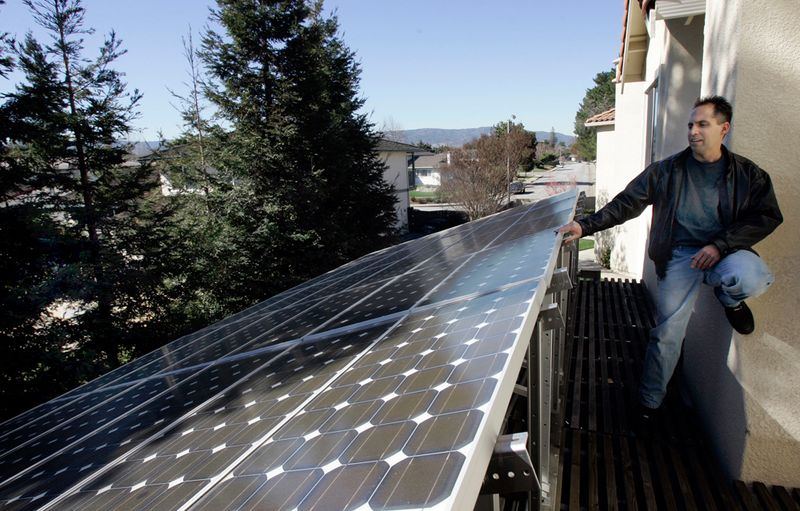
Two kinds of notice often get mixed up. Under section 25983, a tree or shrub kept in violation of section 25982 becomes a private nuisance only if the owner fails to remove or alter it after written notice from the collector owner or agent requesting compliance.
The other notice is optional. Section 25982.1 lets a collector owner send a certified-mail notice before installation, and if sent, it must be mailed no more than 60 days before installation.
Skipping it is not mandatory, and it does not replace the written request later.
Exemptions matter too. Section 25984 excludes a tree or shrub planted before the collector was installed.
It also covers certain timberland or commercial agricultural trees, and qualifying replacements of older trees that die or are removed for health, safety, or environmental protection.
Local law enters here as well. Trees or shrubs subject to a city or county ordinance are exempt from the Act, and section 25985 lets local governments adopt their own tree or solar rules.
Whether that ordinance gives a neighbor an enforceable remedy depends on its own terms.
Check local rules and records before agreeing to tree work
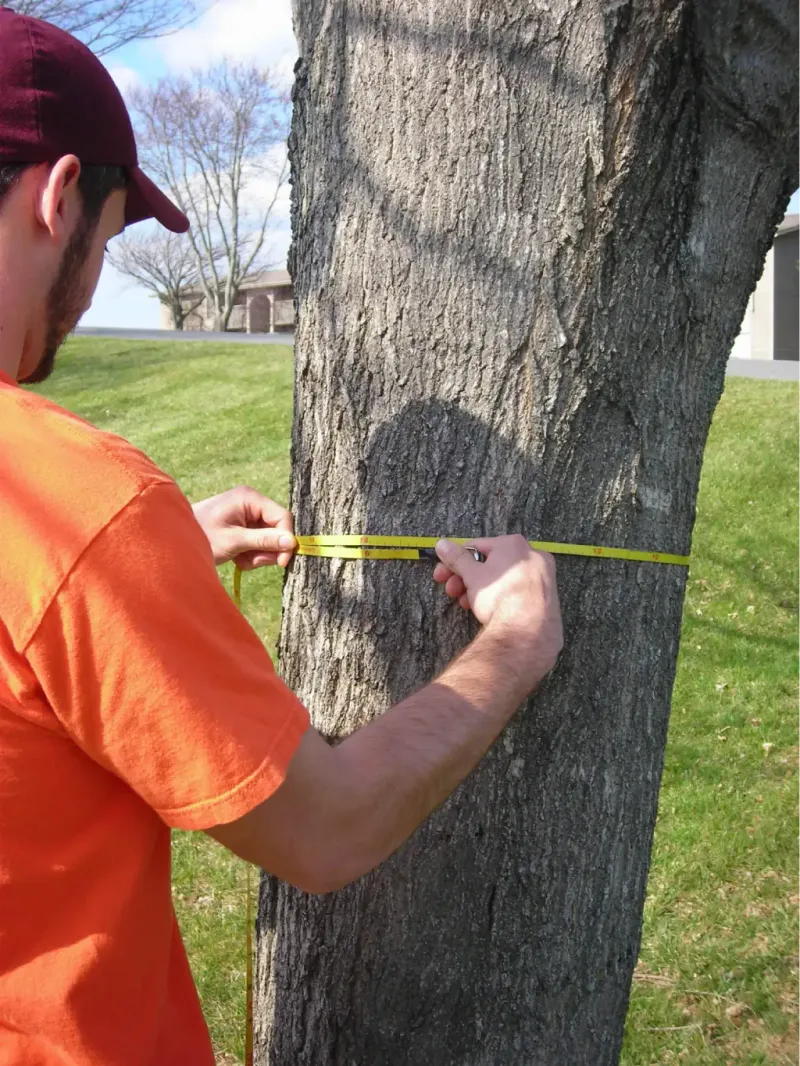
Before saying yes to any trimming, slow the process down. First, confirm whether your home sits in a city or in unincorporated county land, since the rules follow that line.
Then look up current view, tree, and solar rules, such as the Kensington ordinance or the Malibu code, if either applies.
Next, review your deed records, recorded covenants, and any HOA rules. A view claim often rests on a document like these, and that is why the San Francisco dispute in Kahn v.
Price turned on local law and not on general rights.
For a solar complaint, gather dates. When was the tree planted, and how has it grown?
When was the system installed, and what type is it? These facts line up with the timing and shadow test, the written request step, and the exemptions.
Also check for permits and tree protections, since some trees need approval before major pruning or removal. Talk to a local attorney or certified arborist before agreeing to heavy work.
And never prune or remove a neighbor’s tree yourself, or let anyone else do it for you without confirming ownership and the rules.
A neighbor’s request is not automatically a legal duty
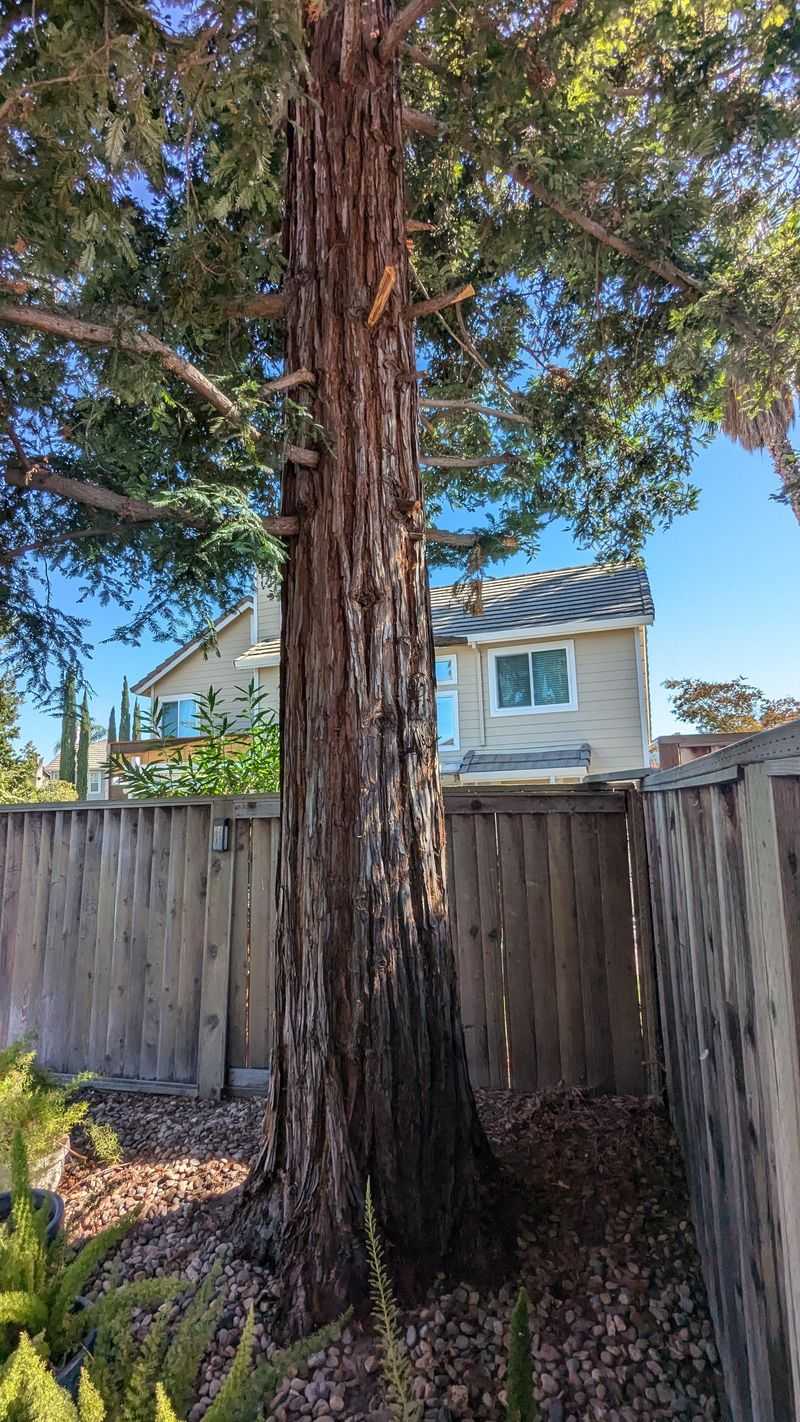
A view complaint needs a specific applicable right, because California has no general right to an open view. A solar complaint must meet the terms of the shading test, the notice rule, and the exemptions, or a relevant local rule.
A local ordinance may govern the dispute or affect how the state Act applies, but that alone does not mean it lets a neighbor compel trimming.
Check the rules and facts first, then decide what to do. A polite reply that you are reviewing them costs nothing.
A neighbor’s ask is only a request until the law says otherwise.