
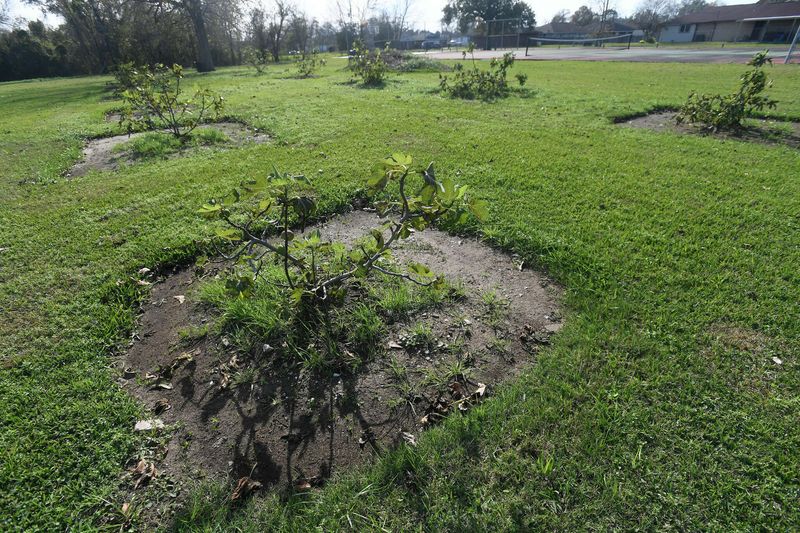
Fig trees are tough enough to handle a Central Texas summer, but fall is when a lot of them quietly get set back. Small habits like late pruning, extra fertilizer, or skipping cleanup can cost you next year’s crop or even the whole tree after a hard freeze.
The good news is that most of these slip-ups are easy to fix once you know what to look for. Here are ten common fall fig mistakes and what to do instead.
1. Pruning Too Early in Fall
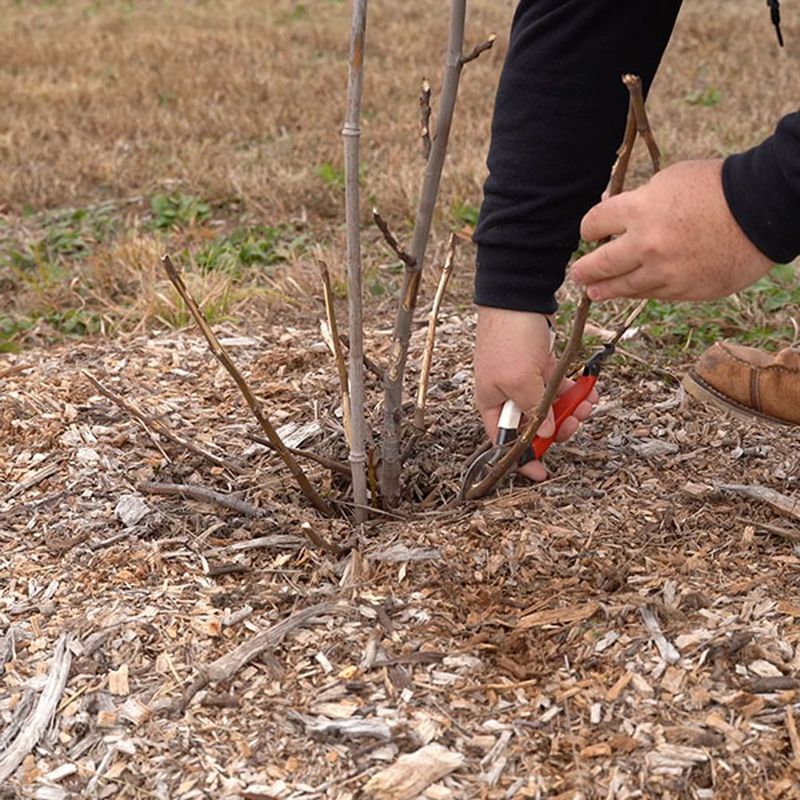
Grabbing the loppers in October feels productive, especially when a fig has sprawled all summer. Unfortunately, those cuts can wake up the tree at exactly the wrong moment.
Fresh, tender shoots that push out after fall pruning have little time to harden before the first freeze.
In Austin, San Antonio, and the Hill Country, the first frost often arrives somewhere between mid-November and early December. Soft new growth caught by that cold can die back and leave open wounds on the branches.
The better plan is patience. Wait until late winter, usually February after the worst cold has passed, and prune then.
You will also be able to see which wood died over winter, so you only remove what truly needs to go.
2. Feeding Nitrogen Fertilizer After Summer
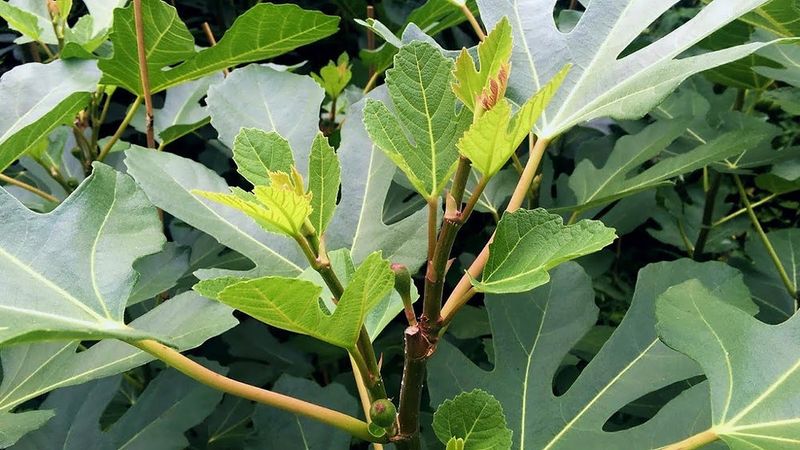
Picture a fig tree gulping down a big dose of lawn fertilizer in September. It responds the only way it knows how, by growing fast and green.
That burst looks great for a few weeks and then becomes freeze bait.
Figs in Central Texas generally do best with light feeding in spring and early summer, then nothing after about July. Late nitrogen keeps the tree in growth mode when it should be slowing down and storing energy in its roots and wood.
Watch out for sneaky sources too. Lawn fertilizer spread nearby can wash right into the fig’s root zone, so keep a buffer around the tree when you feed the grass this fall.
3. Watering Like It Is Still July
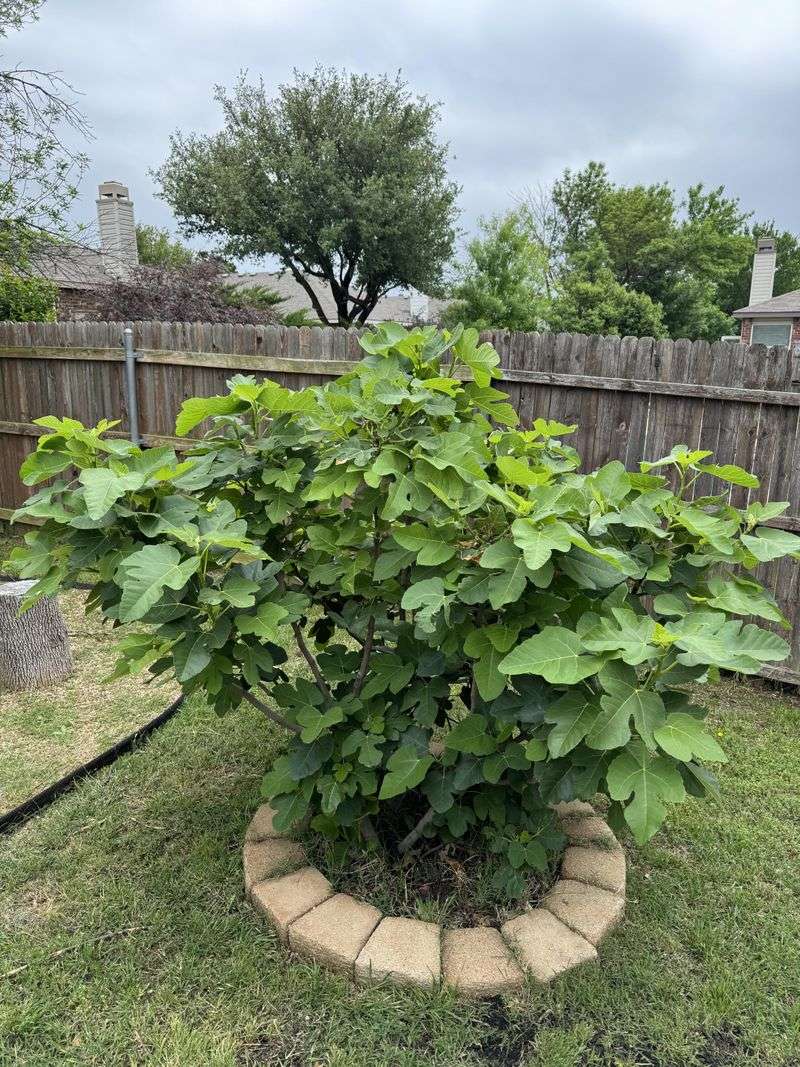
Old habits die hard. After months of dragging hoses through triple-digit heat, many gardeners keep the same deep-soak schedule well into November.
Fig roots sitting in cold, soggy blackland clay can struggle, and constant moisture encourages the tree to keep growing instead of going dormant. Overwatering in cooler weather may also raise the risk of root rot in poorly drained spots.
Taper off as temperatures drop. Check the soil a few inches down with your finger and water only when it feels dry.
One exception matters, though: give the tree a good drink a day or two before a hard freeze, since moist soil holds heat better than dry soil.
4. Leaving Fallen Leaves and Fruit Under the Tree
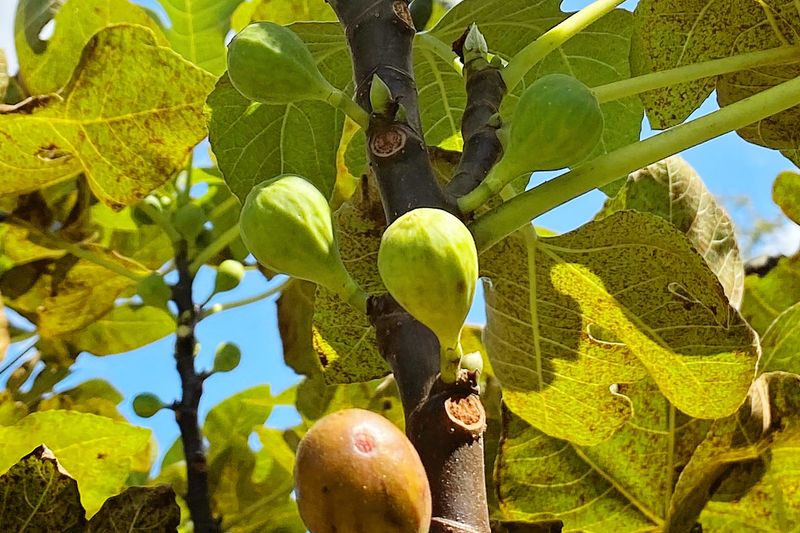
Those big, papery fig leaves pile up fast, and it is tempting to let them sit as free mulch. Here is the catch: fig rust, a common fungal disease in humid parts of Texas, can linger on infected leaves.
If your tree had rusty orange spots and dropped leaves early this summer, that debris may help the problem return next year. Mummified figs left on the ground can also draw beetles, fire ants, and other pests.
Rake up the leaves and old fruit and bag them or send them to a hot compost pile, not a cool backyard heap. Then add fresh, clean mulch in their place.
5. Skipping a Fresh Layer of Mulch
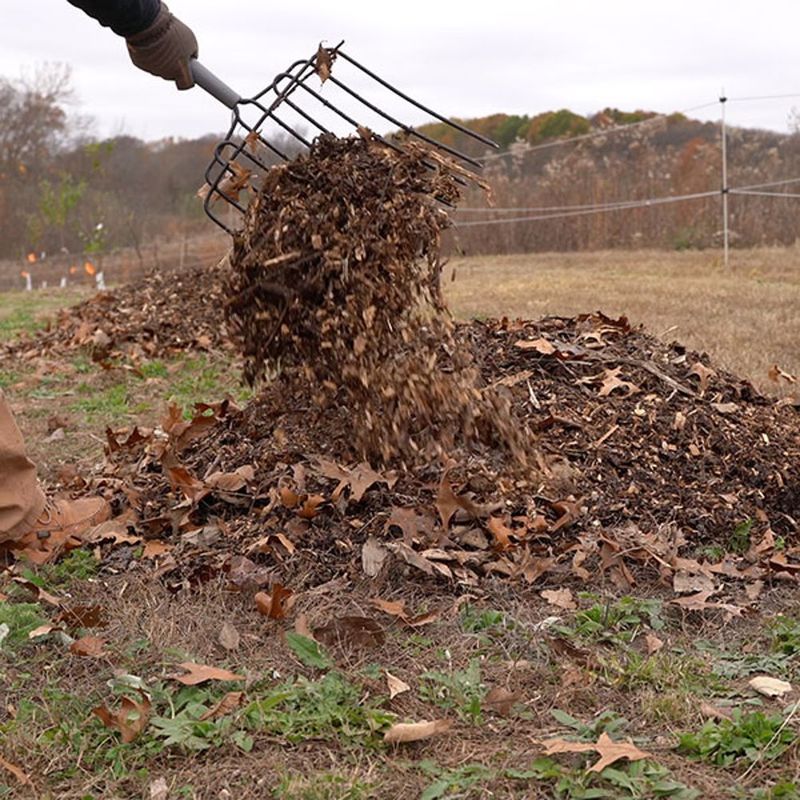
Mulch is the cheapest freeze insurance you can buy. A 3 to 4 inch layer of shredded bark, leaves from healthy trees, or pine straw helps hold soil warmth and protects shallow fig roots from sudden cold snaps.
Root protection matters more than most people think. Even if the top of a fig dies back in a bad freeze like the one Texas saw in February 2021, a healthy, insulated root system can often send up new shoots in spring.
Spread the mulch wide, out to the drip line if you can. Just keep it pulled back a few inches from the trunk so moisture does not sit against the bark.
6. Waiting Until the Freeze Warning to Plan Protection
Every Texan knows the scramble. The forecast suddenly drops into the teens, and every hardware store in town is out of frost cloth by noon.
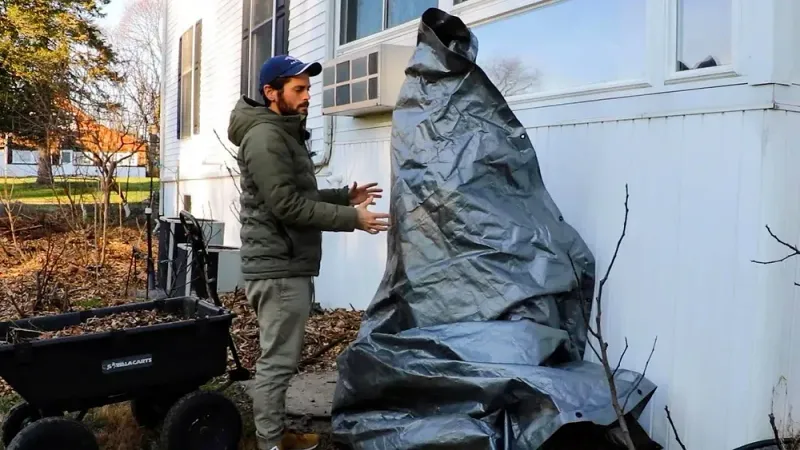
Young figs, especially those planted in the last two or three years, are the most vulnerable. Have supplies ready before December: frost cloth or old blankets, stakes, clips, and maybe a string of old-style incandescent lights for extra warmth under the cover.
When cold arrives, drape the cover all the way to the ground so it traps heat rising from the soil. Avoid plastic touching the leaves or stems, since it can transfer cold.
Uncover once temperatures climb back above freezing so the tree does not overheat.
7. Forgetting Potted Figs Need Different Care
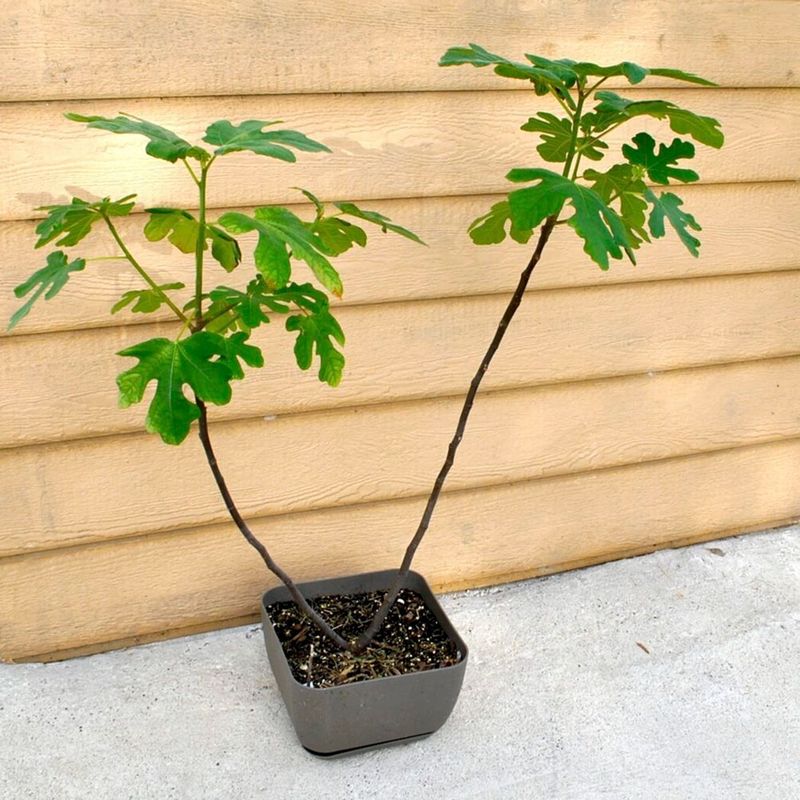
A fig in a container lives a very different life than one in the ground. Its roots have no earth wrapped around them, so a hard freeze can chill them far faster.
Plenty of gardeners leave potted figs on the patio all winter and wonder why they never come back. When lows dip into the mid-20s or below, move the pot into an unheated garage, shed, or against a south-facing wall.
The tree does not need light while dormant, but it does need an occasional sip of water so the roots do not dry out completely. Roll it back outside once the cold spell passes.
8. Planting New Figs at the Wrong Time
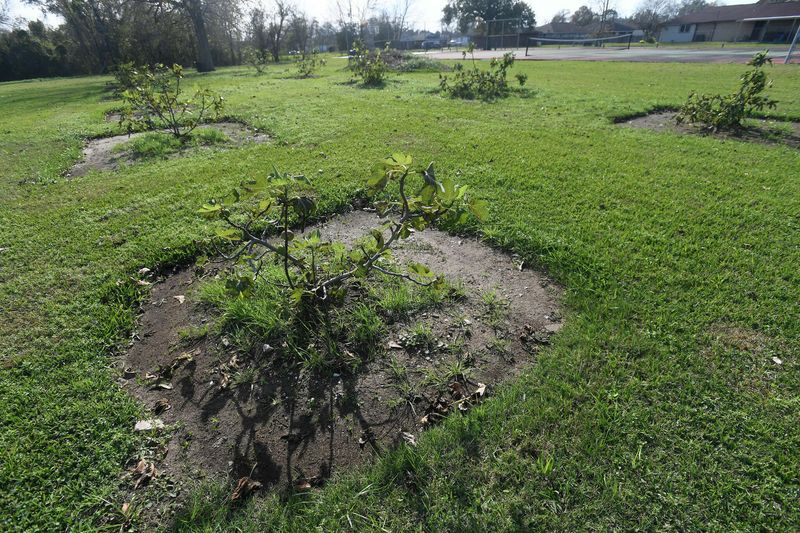
Fall is a wonderful planting season in Central Texas for many trees and shrubs, but young figs are a bit of a gamble. A tiny fig that goes in the ground in November gets very little time to settle before winter tests it.
Many local growers prefer planting figs in early spring after the last frost, around March in much of the region. That gives the roots a full growing season to establish before facing a freeze.
If you do plant in fall, choose a larger, sturdy plant, mulch it well, and be ready to cover it. Pick a protected spot near a wall or fence with good afternoon sun.
9. Growing a Variety That Is Not Cold Hardy
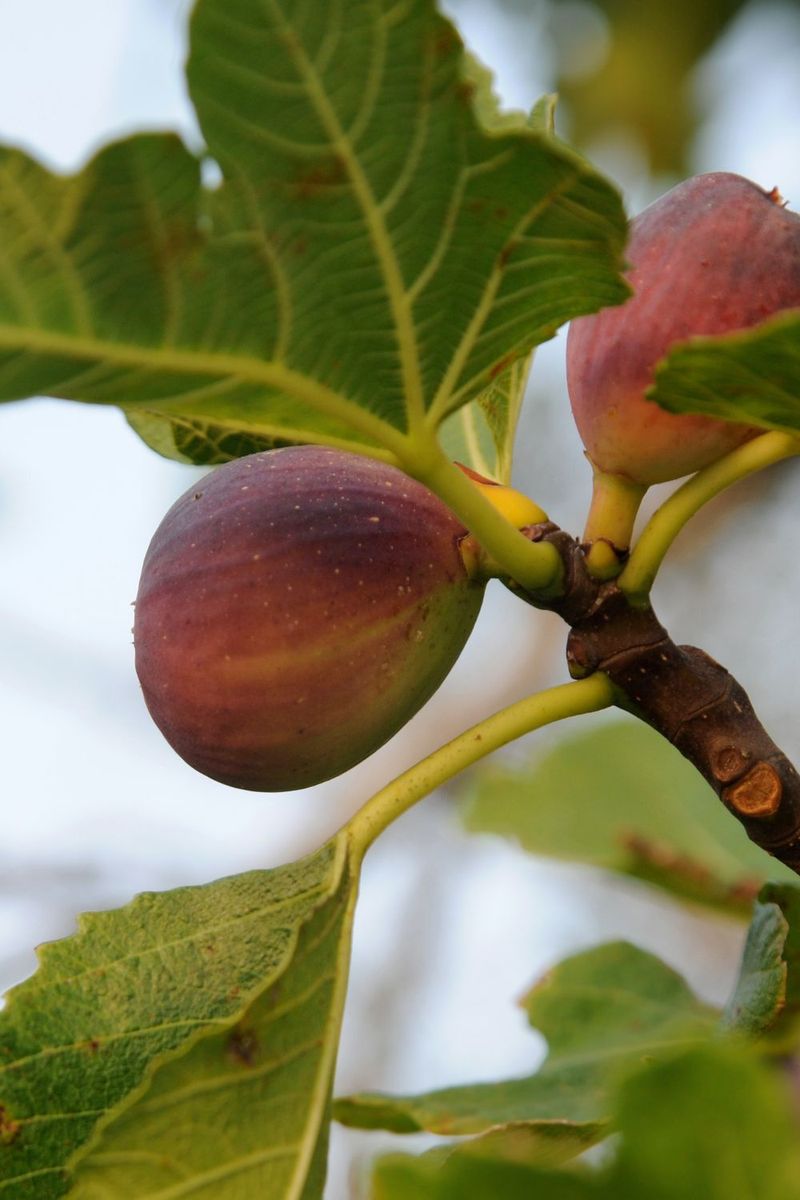
Not every fig at a big-box garden center is built for a Texas winter. Some varieties look tempting but sulk or die back hard when a blue norther blows in.
Texas A&M AgriLife has long recommended cold-tolerant choices like Celeste, Texas Everbearing (often sold as Brown Turkey), and Alma for much of the state. Celeste in particular has a reputation as a reliable, sweet little fig that handles cold better than many others.
Fun fact: Alma was actually developed in Texas, released by Texas A&M in the 1970s. If your current tree freezes back year after year, fall is a good time to research a hardier replacement for spring.
10. Panicking and Removing Freeze-Damaged Wood Too Soon
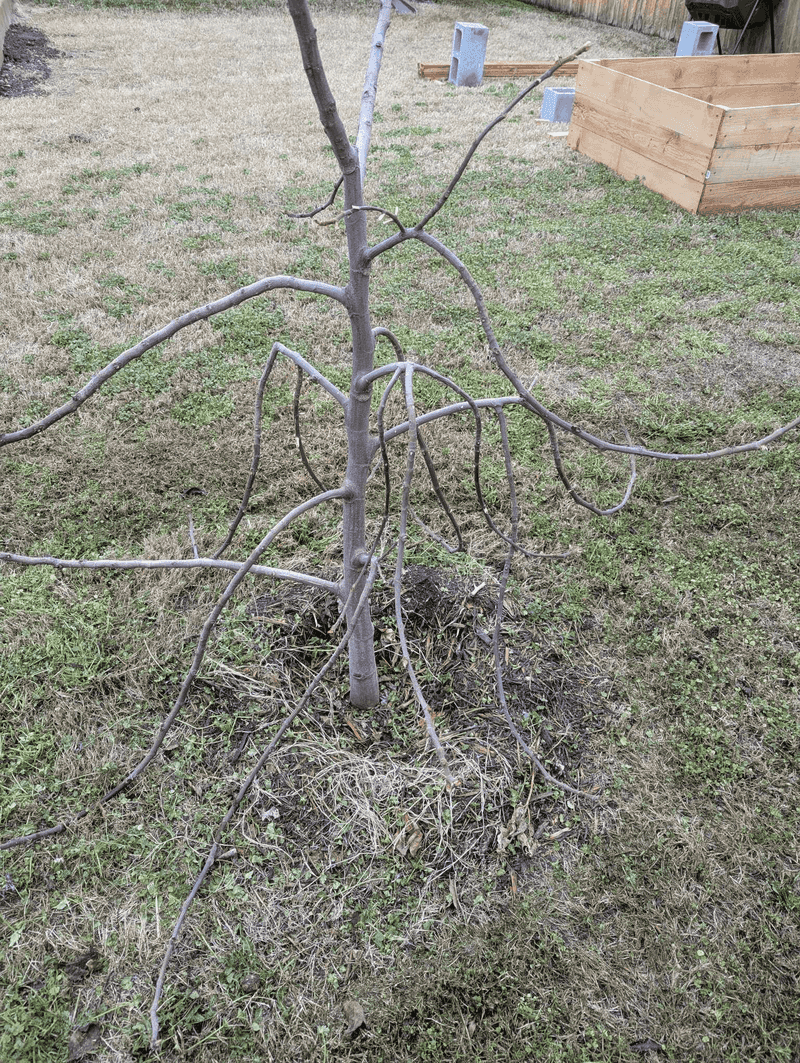
A brown, leafless fig after a hard freeze looks heartbreaking. Many gardeners chop it to the ground or dig it up right away, convinced it is gone.
Give it time. Figs are surprisingly stubborn, and wood that looks dead in January may still be alive.
Use the scratch test: gently scrape a bit of bark with your fingernail, and green tissue underneath means that branch is still living.
Wait until new growth appears in spring, then cut back to just above the live buds. Even if every branch is lost, shoots often rise from the roots by April or May.
A little patience may save years of growth and the sweet summer harvest you were counting on.