
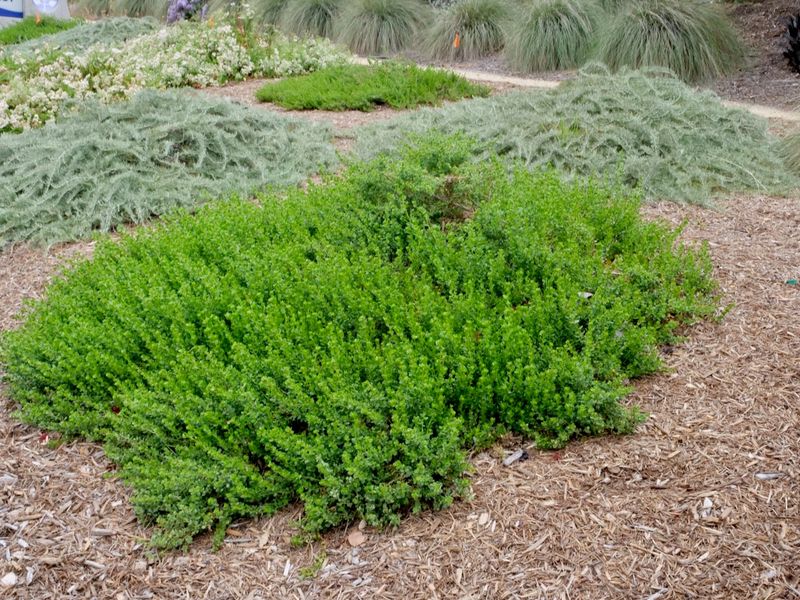
Roof rats love a fence line wrapped in thick ivy or overgrown hedges, because it gives them a hidden road straight to your fruit trees, attic, and trash bins. The good news is that the plants you choose can change that route.
Some California shrubs stay open at the base, smell strong, or have prickly leaves that rats would rather skip. Swap the right ones in, and you can get a water-wise, wildlife-friendly border that feels a lot less welcoming to rodents.
1. Black Sage (Salvia mellifera)
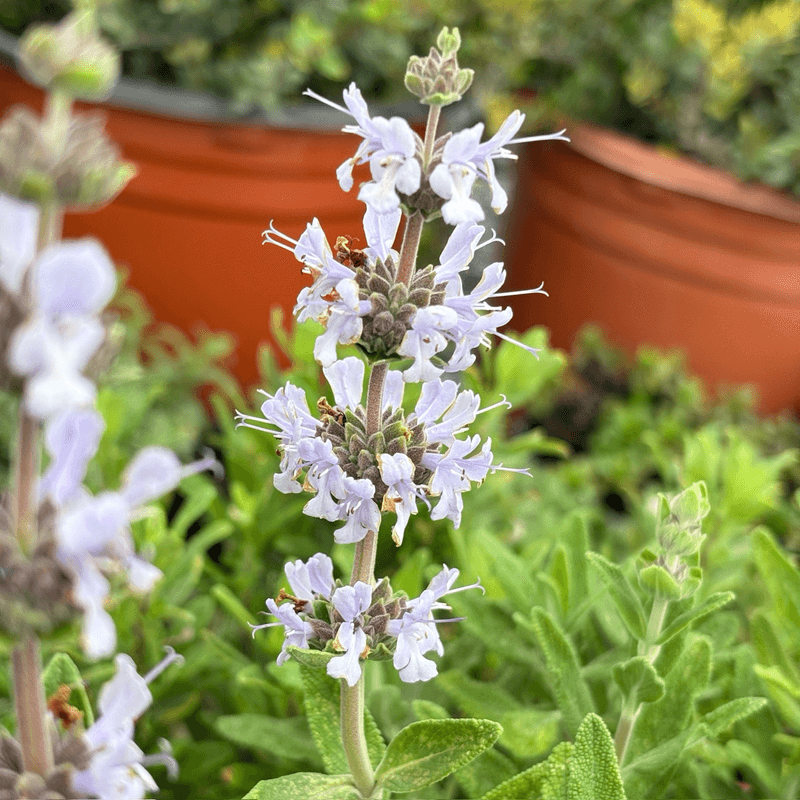
Brush past black sage on a warm afternoon and your hands will smell like a spice cabinet for an hour. That strong, resinous scent comes from aromatic oils that many gardeners believe may help discourage rodents from lingering.
Bees, on the other hand, adore it.
The real trick is its shape. Black sage grows as an airy mound with woody stems, so you can lift the lower branches and keep a clear gap at the soil line.
Rats prefer to travel under cover, and an open base takes away that hidden lane.
Plant it in full sun, water deeply the first summer, then mostly let winter rain handle it. Prune lightly after bloom to keep it tidy and away from the fence boards themselves.
2. Cleveland Sage (Salvia clevelandii)
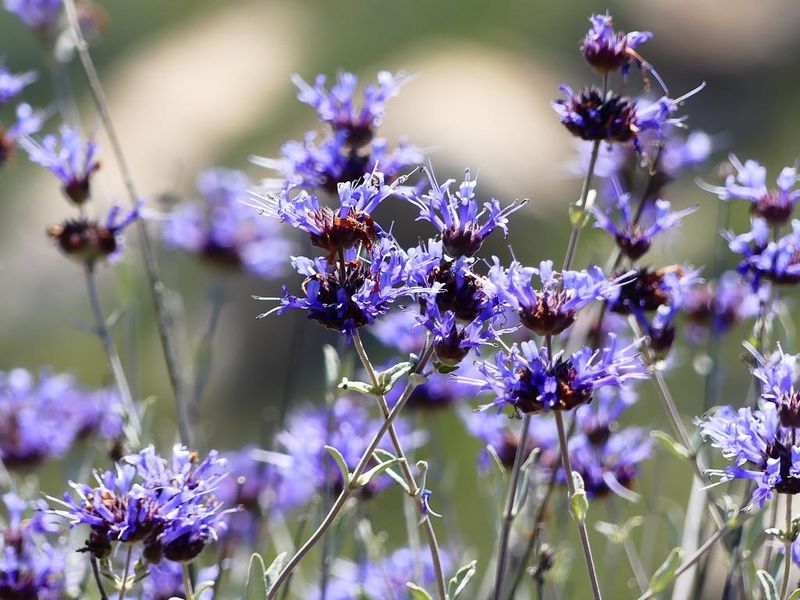
Ask any native plant nursery worker which sage smells best, and Cleveland sage usually wins. Its fragrance is sweeter than black sage but just as powerful, especially in summer heat.
Purple pom-pom blooms pull in hummingbirds and native bees from late spring on.
For fence lines, it shines because it stays compact, roughly four to five feet, and does not form a solid wall of leaves touching the ground. You get color and scent without building a rat tunnel.
Give it fast-draining soil and resist the urge to overwater. Soggy roots are the number one way people lose this plant in valley yards.
3. Hollyleaf Cherry (Prunus ilicifolia)
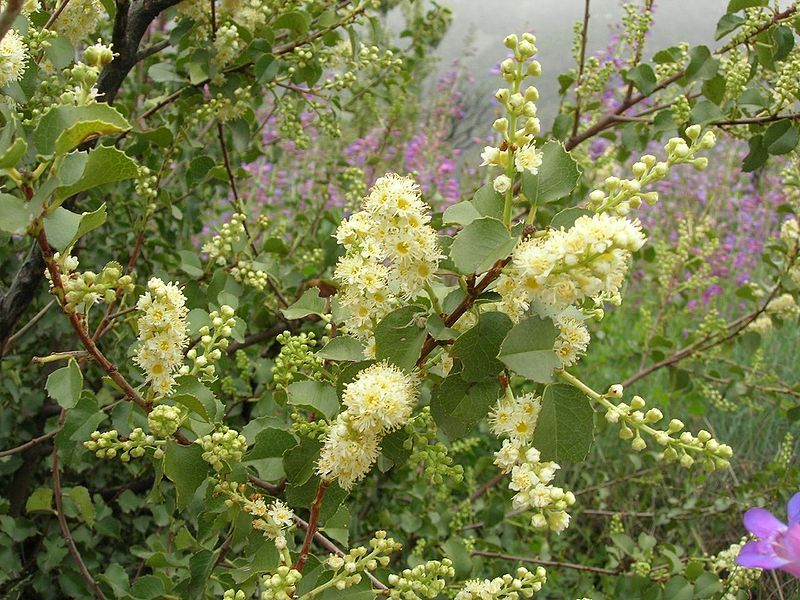
Spiky, glossy, and tough as nails, hollyleaf cherry looks a lot like holly at first glance. Those toothed leaf edges can make climbing and squeezing through less comfortable for small animals.
It is also a native food plant for birds.
One honest caution: it does produce fruit, and dropped cherries can attract rodents. Rake up fallen fruit in late summer, or plant it a bit away from the fence and keep the canopy lifted.
With that habit, it works as a prickly screen instead of a snack bar.
Drought tolerant once established, it handles coastal and inland gardens alike.
4. California Sagebrush (Artemisia californica)
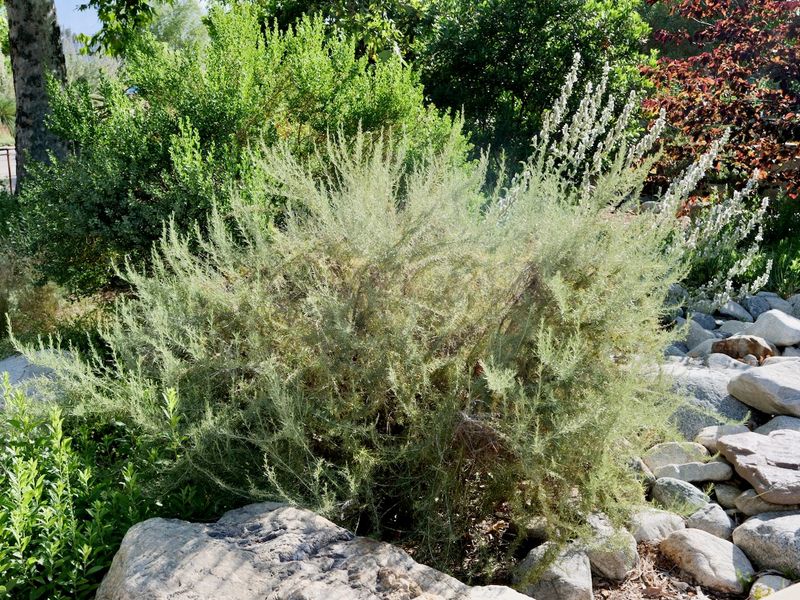
Old-timers called it cowboy cologne. California sagebrush has a sharp, camphor-like smell that drifts across the whole yard after a light rain.
Its feathery gray foliage is soft to the touch but loose and see-through, which means fewer dark hiding spots. Many gardeners report fewer rodent trails around strongly scented natives, though results can vary from yard to yard.
Pair it with good cleanup habits for the best effect.
Keep it cut back each fall, since older plants get woody and can carry fire risk. In fire-prone areas, place it well outside your five-foot home ignition zone.
5. Coyote Brush ‘Pigeon Point’ (Baccharis pilularis)
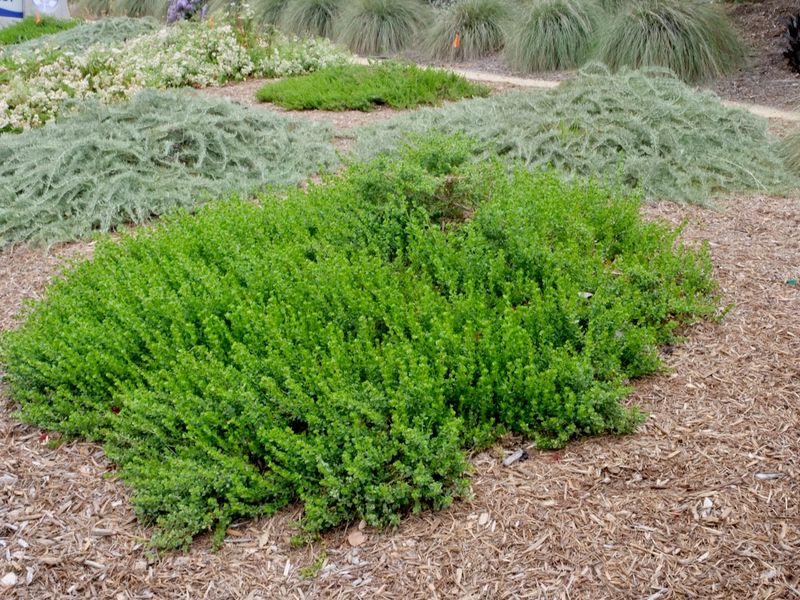
Here is a swap that fixes a common mistake. Many homeowners plant ivy or ice plant along fences, and both create dense, damp mats rats love to nest in.
Coyote brush ‘Pigeon Point’ covers ground with stiff, small-leaved branches that dry out quickly and stay fairly open underneath. It hosts many native insects, which feed birds.
Leave a bare gravel strip, about 12 inches wide, right against the fence so rodents have no hidden path.
It needs almost no summer water once settled. Shear it back every couple of years to keep it fresh and low.
6. Woolly Blue Curls (Trichostema lanatum)
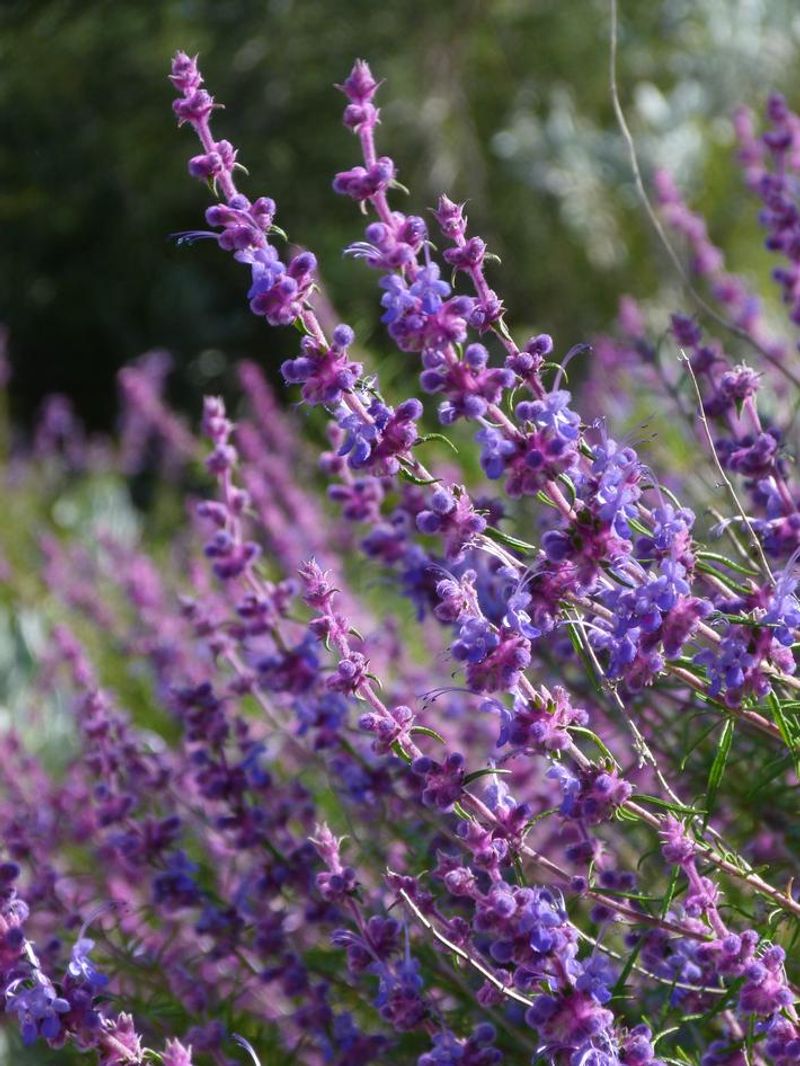
Few plants turn heads like woolly blue curls in bloom. Fuzzy violet flower spikes cover it for months, and hummingbirds patrol it like guards.
The leaves carry an intense minty-pine aroma that may make it less inviting to rodents. Better still, it grows upright with a narrow footprint, so the ground beneath stays visible and dry.
Fair warning, it can be fussy. Plant it on a slope or mound with zero summer water after year one, and it rewards you; baby it, and it may sulk and die.
7. Rosemary (Salvia rosmarinus)
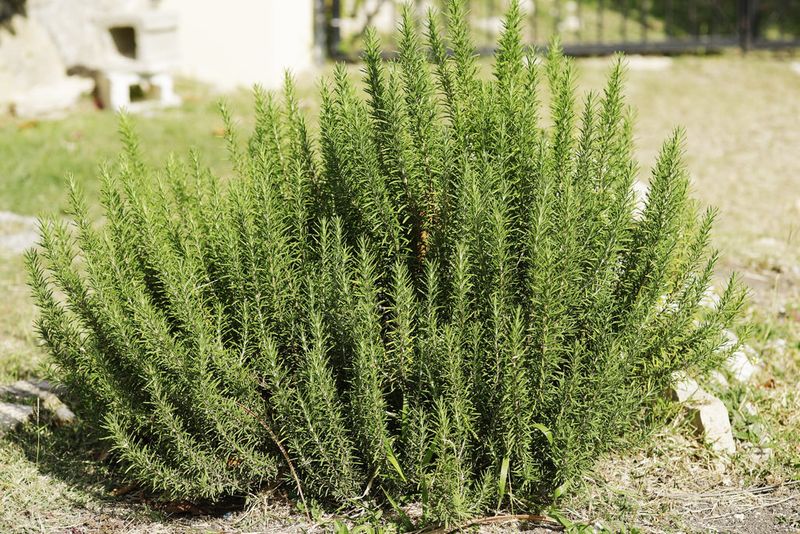
Not a native, but rosemary earns its spot because nearly every California yard can grow it and it is easy to find. Its piney oils are often listed among plants that may help repel rodents, and it barely needs water.
Choose upright types like ‘Tuscan Blue’ rather than trailing forms. Creeping rosemary spreads into a thick mat that can hide rats, which defeats the purpose.
Bonus, you can snip it for dinner. Keep stems thinned so air moves through the base.
8. Fuchsia-Flowered Gooseberry (Ribes speciosum)
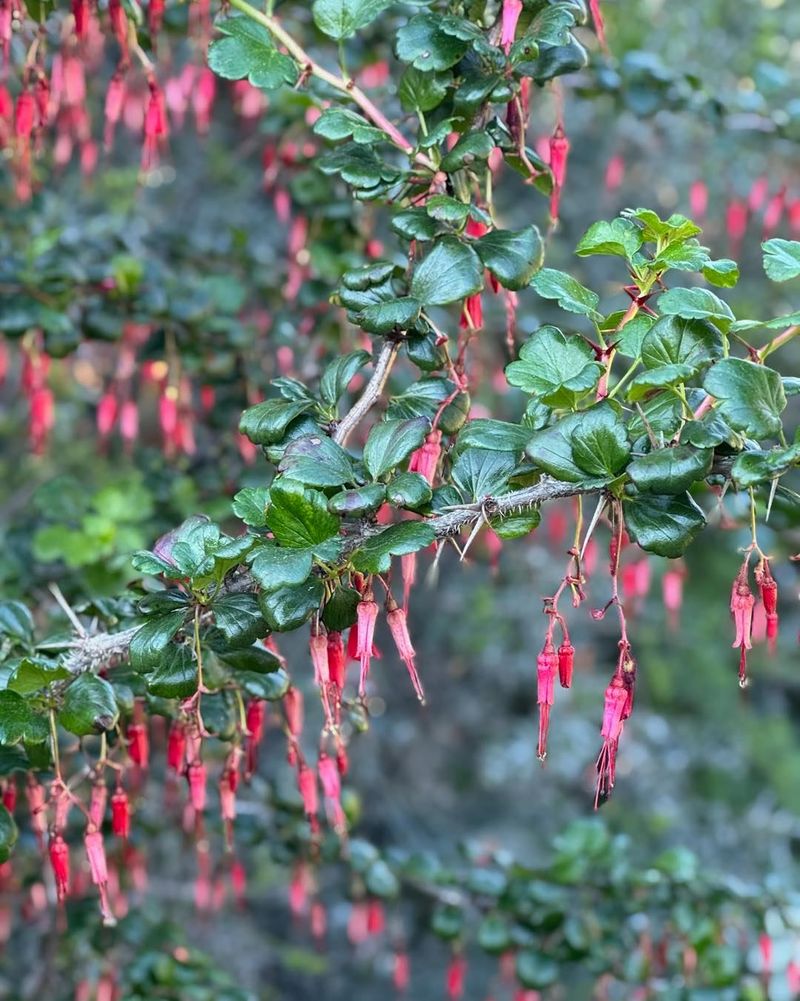
Every stem of this shrub is lined with sharp spines, and that is exactly the point. Fuchsia-flowered gooseberry builds a thorny barrier that rodents, and neighborhood cats, tend to avoid squeezing through.
Brilliant red flowers dangle like tiny lanterns from winter into spring, perfect timing for early hummingbirds. It naturally goes summer-dormant, dropping leaves in the dry months, which leaves the base open just as rats get most active.
Plant it in part shade in coastal or inland gardens. Wear thick gloves when pruning, and pair it with tight fence repairs and sealed trash for a border rats are more likely to skip.