
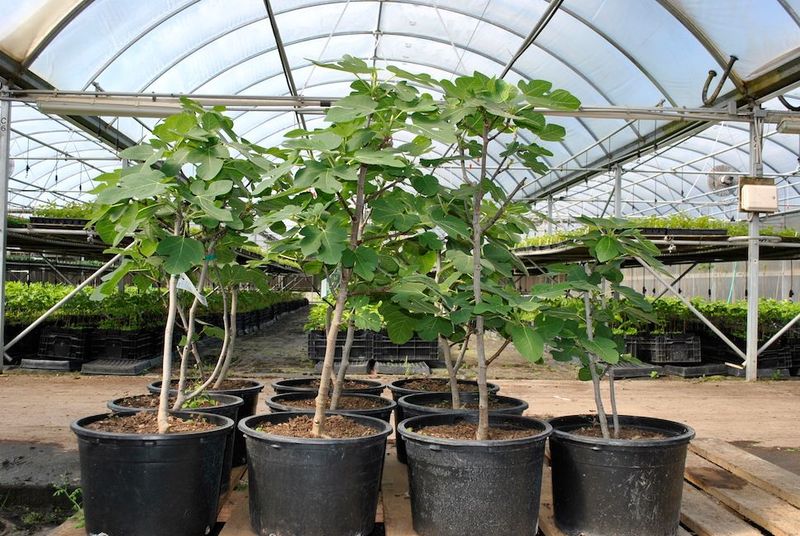
A fig in a pot can look like it is falling apart in autumn, with leaves yellowing and dropping day by day. For most gardeners that sight is a signal to act, not to panic.
Many Southern container growers wonder whether the tree belongs in the living room or somewhere cooler. Here is how to read the season, pick the right spot, and bring your fig back to life in spring.
Decide whether your potted fig needs winter protection
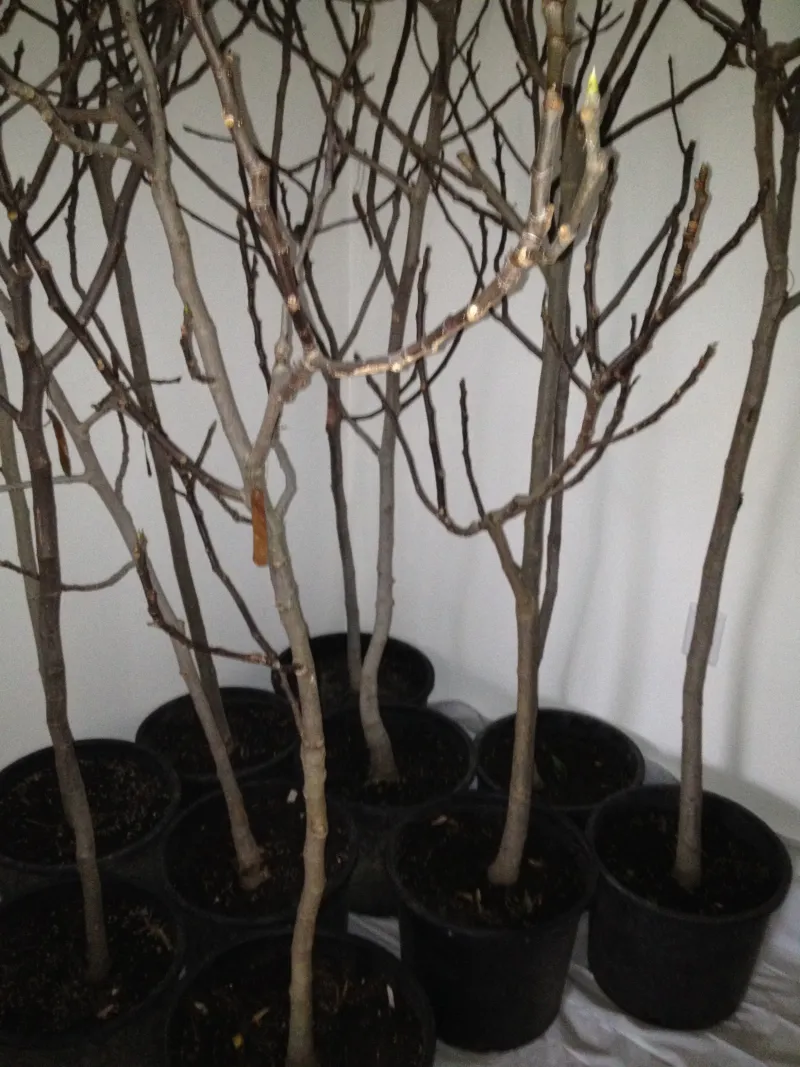
Before moving anything, check your local winter lows. A fig planted in the ground has soil insulating its roots, while a potted root ball is exposed on every side and can chill much faster.
That difference is why containers often need help when in-ground figs do not.
Conditions vary a lot across the South. UF/IFAS guidance on figs describes figs as suited to north and central Florida, and Texas A&M AgriLife notes that cold injury depends on the cultivar, soil moisture, and how well the tree has been conditioned to cold.
So the question is not whether every Southern gardener must bring a fig indoors. If hard freezes are likely where your pot sits, protecting the container makes sense.
If your winters stay mild, a sheltered spot outside may be plenty.
Recognize a common fig entering dormancy
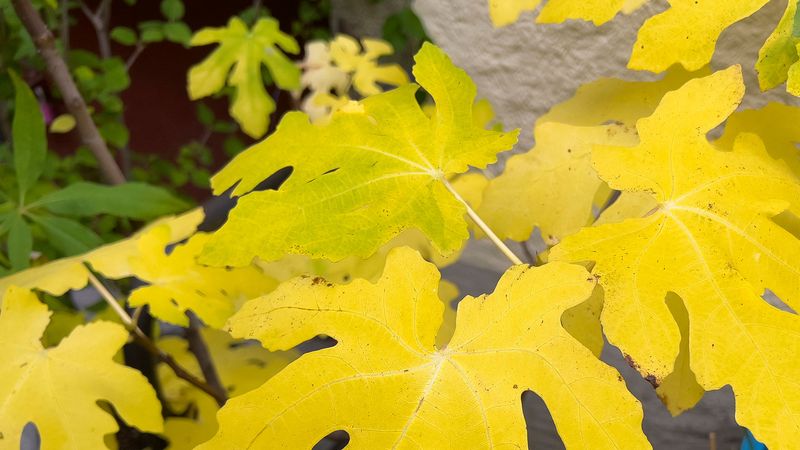
Everything here applies to the edible common fig, Ficus carica. It does not apply to the fiddle-leaf fig, Ficus lyrata, a tropical houseplant with very different winter needs.
Common figs are deciduous, so dropping leaves in fall is normal and a sign the tree is settling into dormancy. Bare branches alone do not mean the tree has died or is failing.
UNH Extension suggests moving a container fig to an unheated basement, garage, or greenhouse as the leaves begin turning, or before the first killing frost. If a hard frost has already hit, Penn State Extension advises removing leaves and unripe figs still on the tree.
A gentle scratch on a twig later in winter, showing green beneath the bark, is a handy check that the wood is alive.
Choose cool, protected storage—not a warm living room
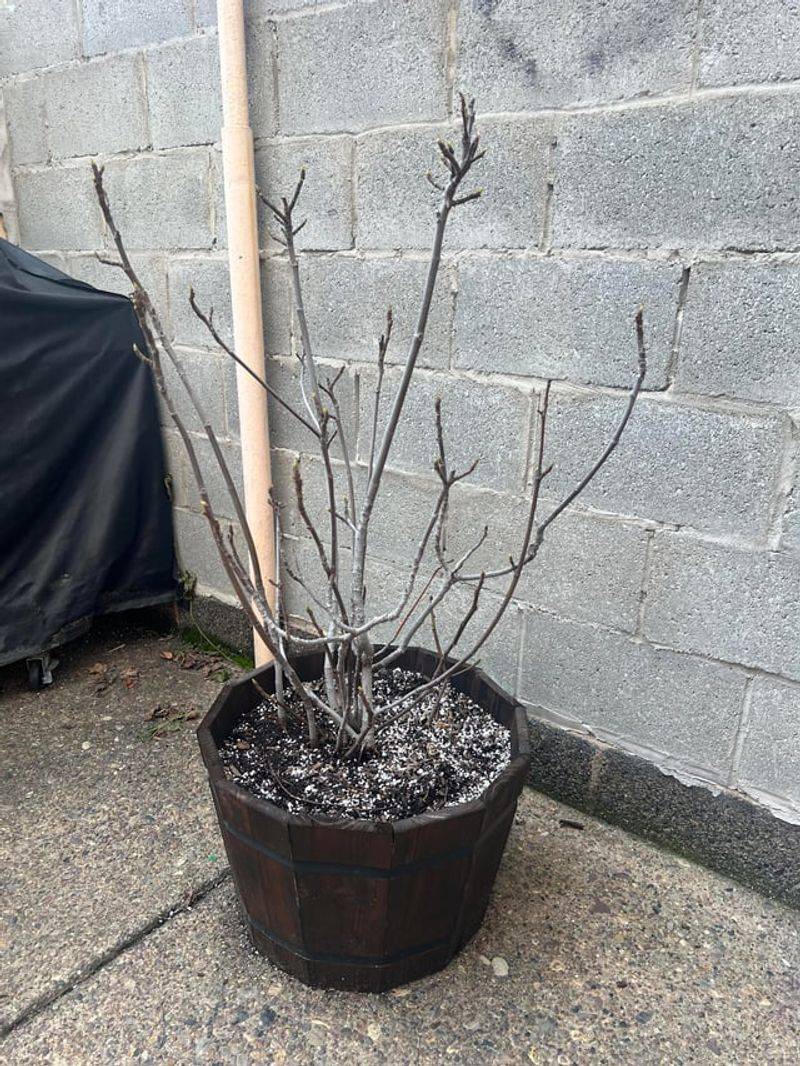
When a container fig needs shelter, cool and protected storage is the usual recommendation. Good options include an unheated basement, garage, or insulated room.
The goal is a spot where the pot will not freeze hard.
You will see specific numbers in research. UNH researchers stored dormant figs at 40°F, but treat that as one example, not a guaranteed safe limit for every pot.
Darkness is a bonus, not a must. Penn State says a dark room is preferable but a fig in a brighter space can simply be covered, and a Colorado Extension expert says light is not an issue during dormancy.
A warm living room is generally a poor choice for dormant storage. Iowa State notes that low light, drafts, and dry air indoors can cause leaf drop, so a warm room may stress the tree rather than rest it.
Water sparingly without drying out the root ball
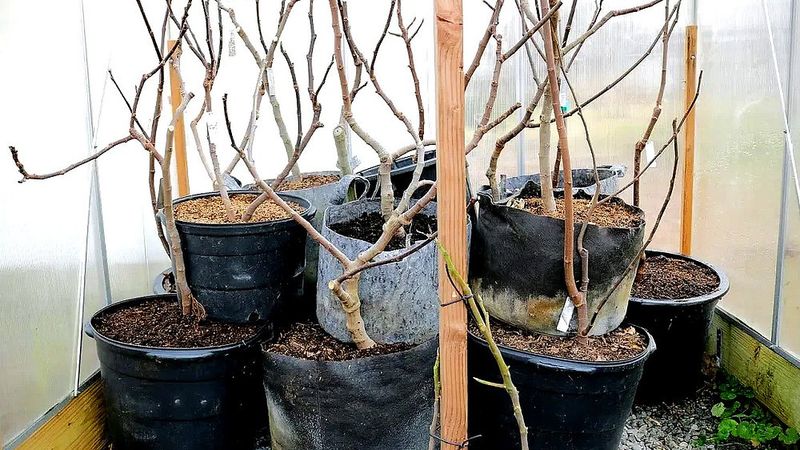
A sleeping fig sips rather than drinks. Soggy soil in a cold spot invites trouble, yet a root ball left bone dry can harm the roots as well.
UNH Extension explains that dormant roots use little water but still need some moisture, and that timing depends on pot size, growing mix, and temperature.
For a rough reference, Penn State suggests watering about monthly. Treat that as a starting point only.
A small pot in a warmer garage may need water sooner than a big pot in a cold basement.
Poke a finger a couple of inches into the mix. If it feels dry, add a modest amount of water and let it drain.
Reintroduce the fig outdoors gradually in spring
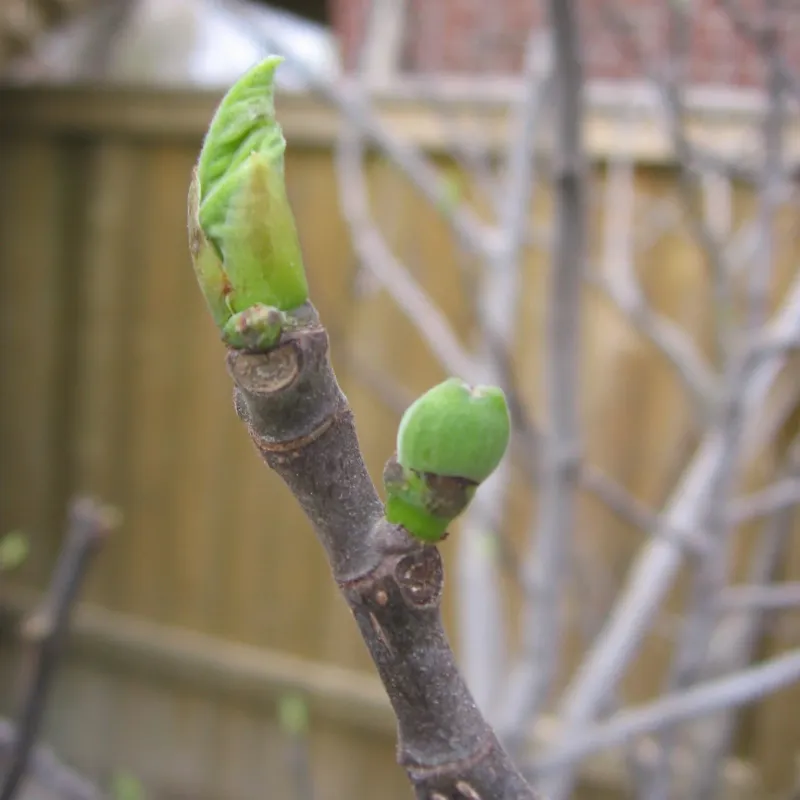
Spring is when the tree tells you what to do. Watch the branch tips for swelling buds, which signal that the fig is waking up.
From there, UNH Extension recommends increasing the fig’s time outdoors over a few weeks. Start with a few hours in a bright, sheltered spot, then lengthen the stay and add more sun as the days pass.
Keep an eye on the forecast. Until the risk of frost has passed, bring the pot back under cover on cold nights, and only leave it out permanently once nights are reliably mild.
This slow hardening off is spring care after storage. It is not a reason to keep a dormant fig in a warm room all winter.
Treat dormancy as seasonal care, not a survival test
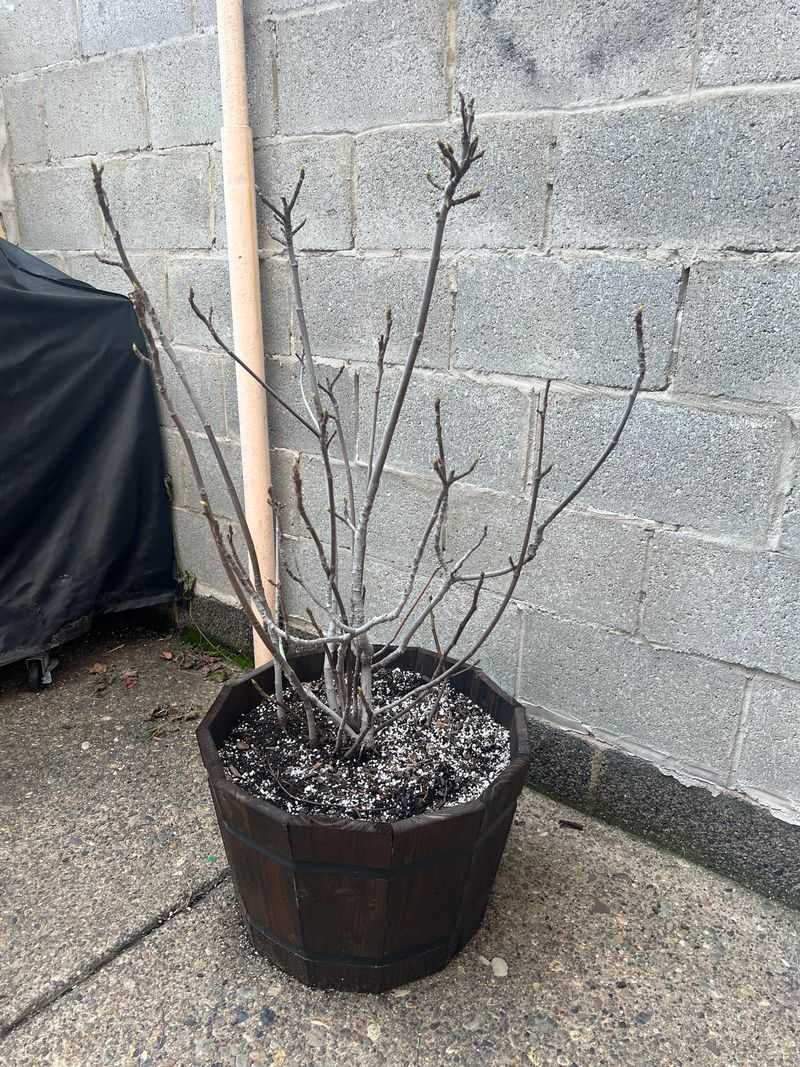
Cool dormant storage is a recommended way to protect a container fig when local cold calls for it, as Penn State’s winterizing advice shows. It is not proven to be the only way every fig survives, and Iowa State discusses figs grown indoors with some leaf loss rather than certain failure.
Chilling hours are a separate matter. UF/IFAS says common fig cultivars need no more than about 100 hours at or below 45°F for normal bud development, which relates to fruiting, not to protecting an exposed root ball.
Let your local lows and the tree’s own signals guide you. A fig that rests when the season says rest rarely needs more than a sheltered corner.