
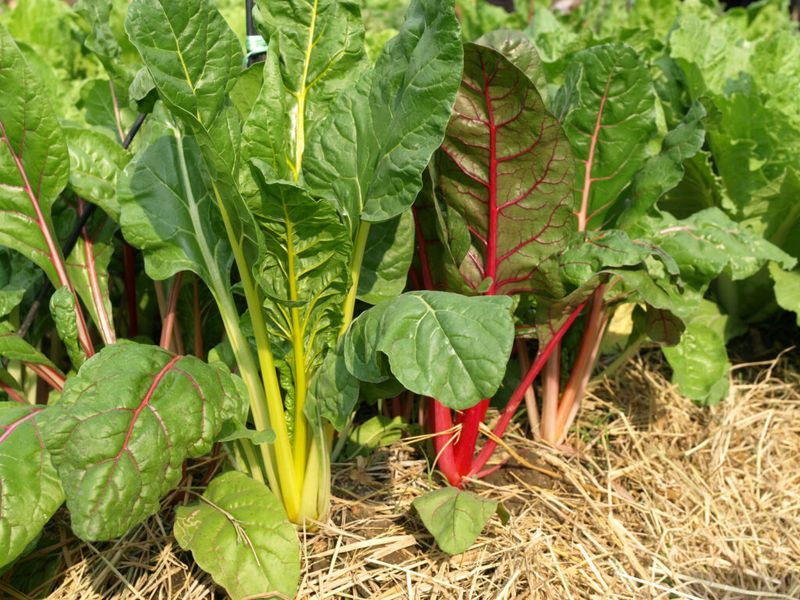
Swiss chard is one of the easiest greens to keep picking in a Southern fall garden. The way you cut it can shape how many smaller harvests you get from each plant.
Weather, water, and planting time matter too, and they decide how long your plants keep going. Here is how to pick chard well and what to expect as the cool months roll in.
Harvest from the outside in
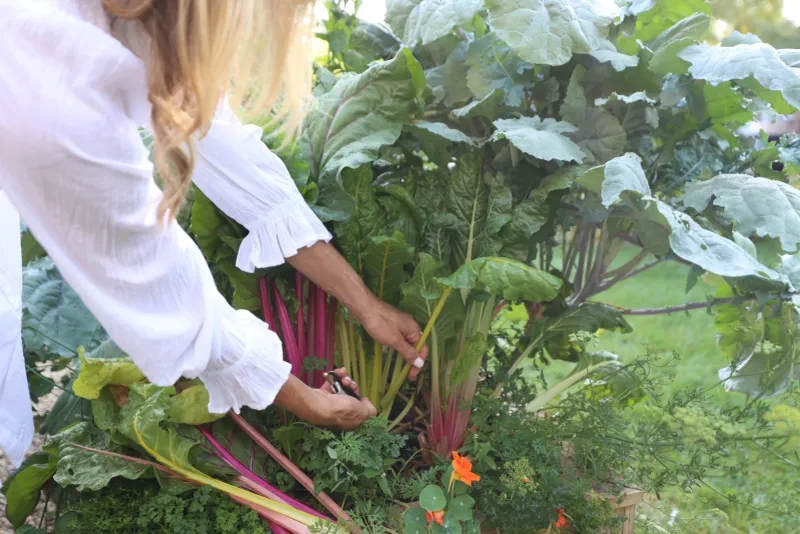
Picture a chard plant as a rosette. The biggest, oldest leaves circle the outside, and the small, tender ones crowd the middle where new growth starts.
Picking from the outside in means taking those big leaves first and leaving the center alone.
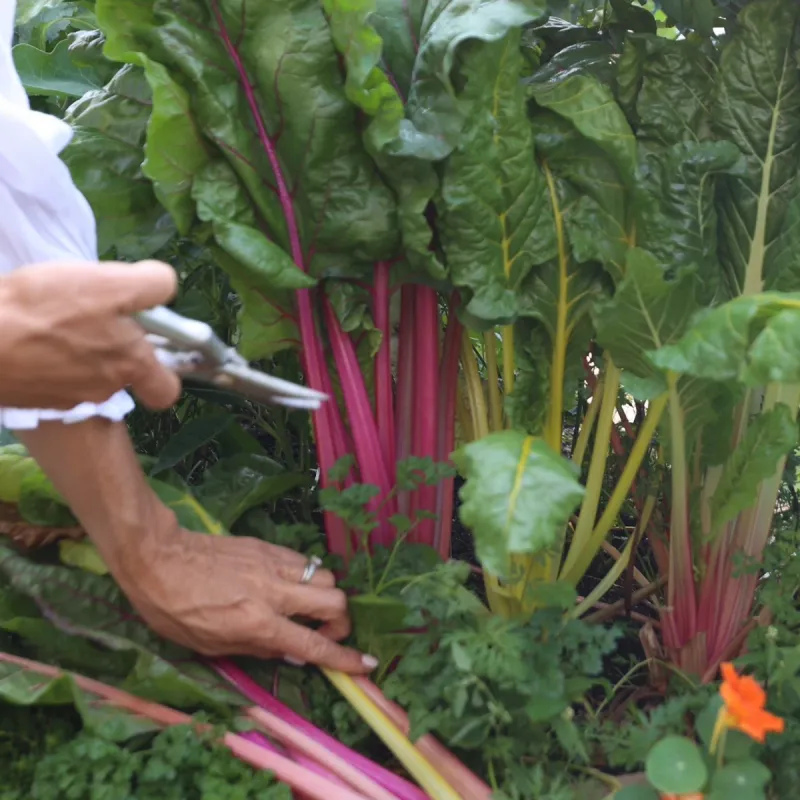
Cut or snap each leaf close to the base of the plant, using clean scissors or a sharp knife. Take care not to nick the inner leaves or the growing point in the middle.
University of Wisconsin Extension advises picking large outer leaves individually and avoiding damage to the central growing points, and the plant can then produce new leaves.
This approach suits gardeners who want a few leaves for dinner now and a few more next week. It gives you smaller, repeat harvests rather than one big pile.
It does not promise months of picking or leaves all winter, since the weather and the plant’s condition still have a say. Try to pick in the cooler part of the day, because cut leaves wilt fast in warm, full sun.
Leaf size is a guide, not a rule
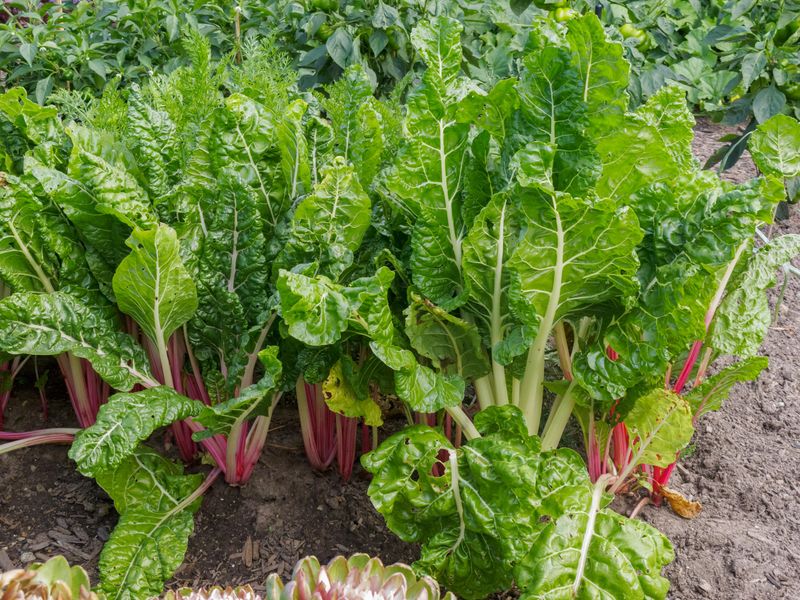
Ask three extension offices how big a chard leaf should be, and you will get three answers that fit together fine. Wisconsin says leaves can be harvested individually from about 3 inches long.
Clemson suggests outer leaves at 4 to 12 inches. Florida’s guide recommends 8 to 10 inches.
So there is no magic number. Small leaves are tender and mild, good for salads.
Bigger leaves give you more to cook, though very large ones can turn tougher.
Look for leaves that are full, glossy, and sitting on the outside of the plant. Then remove only a few at a time.
If the plant still has a healthy crown of leaves afterward, you are in good shape. Stripping it bare is not the goal when you want ongoing picking, and a few leaves per visit keeps the plant looking full.
A full cut is not automatically a mistake
Maybe you cut every leaf off a chard plant last week and now worry you ruined it. Relax.
Extension sources describe more than one way to harvest, and a full cut is one of them.
Wisconsin Extension describes cutting all the leaves about 3 inches above the soil and letting the plant regrow. Minnesota Extension notes that some gardeners harvest whole plants.
The difference is the rhythm. A full cut gives you a big batch at once, then a wait while new leaves form.
Outer-leaf picking spreads the harvest into smaller servings over time. If you cut all the leaves, leave a few inches above the soil, water well, and watch for fresh growth from the center.
Slow regrowth in cold, hot, or dry spells does not mean you did something wrong.
Fall harvest does not guarantee winter leaves
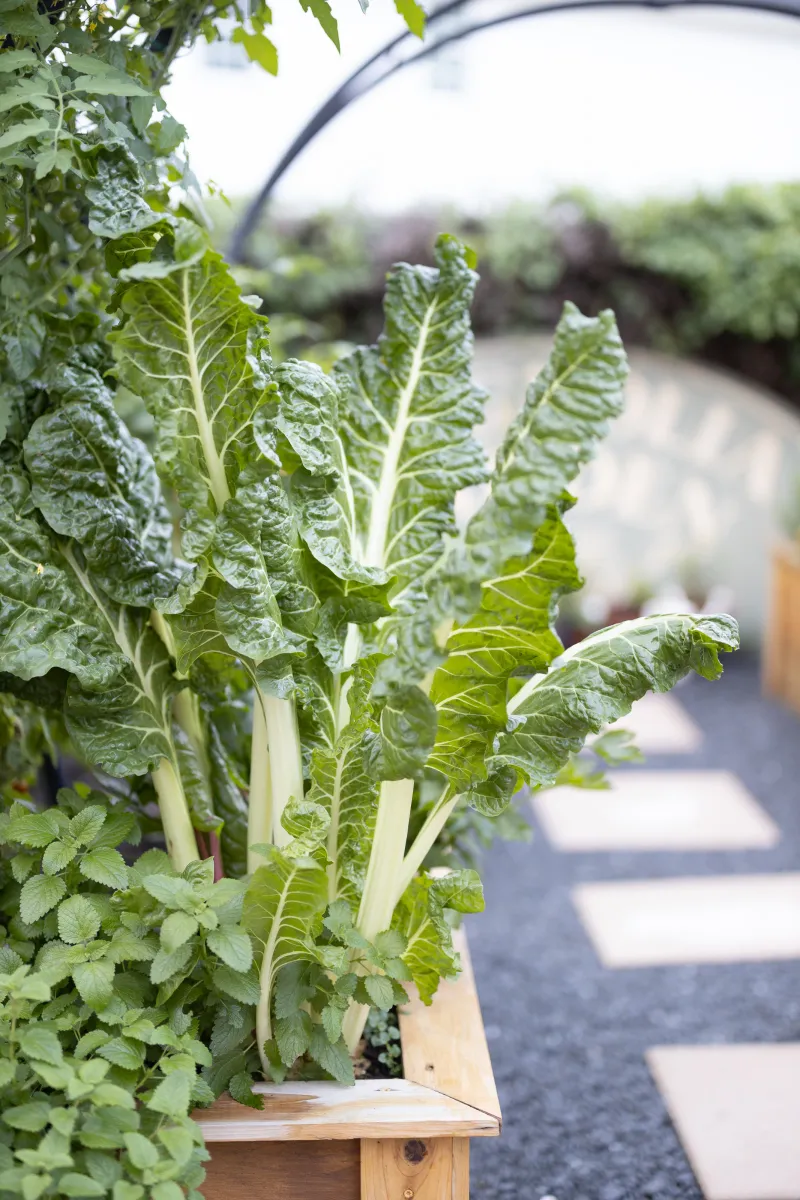
Chard handles cool weather well, but frost tolerance is not the same as frost-proof. Whether your plants still give you leaves in January depends on local weather, planting date, cultivar, site, and any protection you add.
In Texas, Texas A&M AgriLife Extension lists chard among its frost-tolerant fall vegetables. Wisconsin guidance says chard can keep growing through frosts until temperatures drop to the mid-20s, but that number is not a promise for every variety or backyard.
Florida varies a lot. UF/IFAS says gardeners can sow chard in fall or late winter to early spring, and North Florida sees more frost than central or southern parts of the state.
A hard freeze in Tallahassee is a different story from a mild winter in Miami.
Plants set out early enough to size up before the coldest nights have a head start. A row cover or a sheltered spot near a wall may help on frosty nights, though it cannot guarantee results.
Water and plant condition shape regrowth
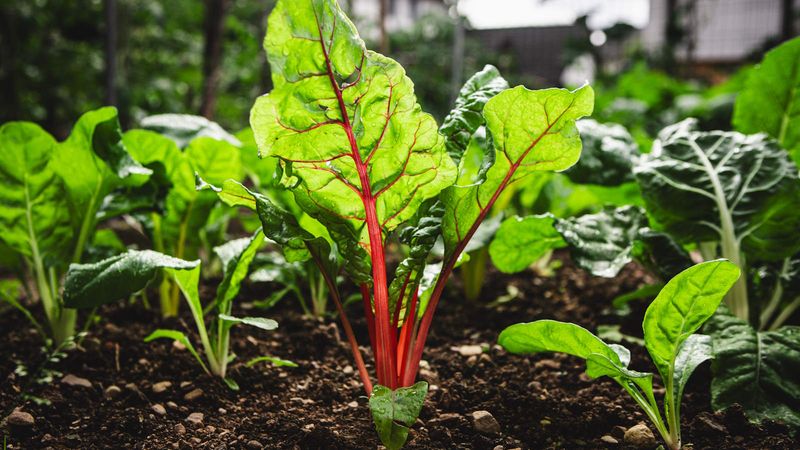
Chard that is thirsty makes tough, slow leaves. University of Georgia Extension recommends about 1 inch of water per week for tender leaves.
In a dry Texas fall, you may need to check the soil often, since rain may not make up the difference.
Heat pushes the other way. Wisconsin Extension notes that high temperatures slow leaf production, so a warm early fall spell in the South can make plants sluggish until it cools.
Bolting is the other limit. UGA notes that harvest continues until plants bolt, meaning they send up a flower stalk.
Pests matter as well, and Florida’s guide flags root-knot nematodes as a chard problem.
Steady water, mulch, and a close look at the leaves each week can help your plants keep going. None of it guarantees production, but it gives the plants their best chance.
Choose the harvest that fits your plans
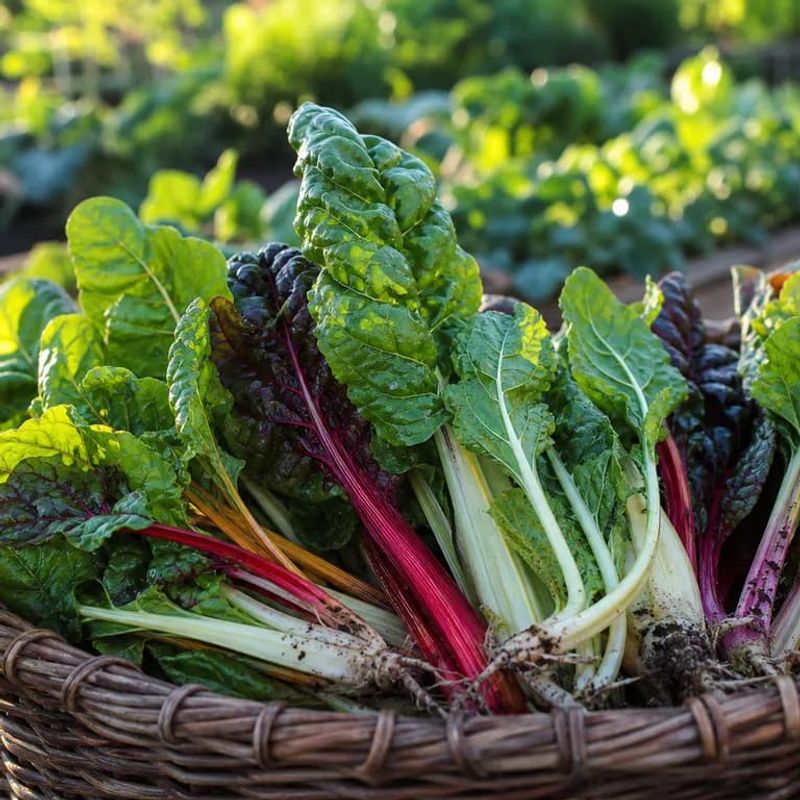
Match the method to your kitchen. If you want a handful of greens every few days, pick a few large outer leaves near the base and leave the center to keep working.
Wisconsin Extension backs this approach for repeat picking.
If you need a big batch for freezing or a party, cutting the whole plant is a valid choice too. Minnesota Extension notes that some gardeners harvest whole plants, and regrowth may follow.
Winter picking is a bonus that local conditions decide, so there is no fixed number of weeks to count on. Some Southern gardens will keep giving through the cool season, and others will fade after a hard freeze.
Chard rewards a gardener who pays attention, and the plant usually shows you what it can do.