
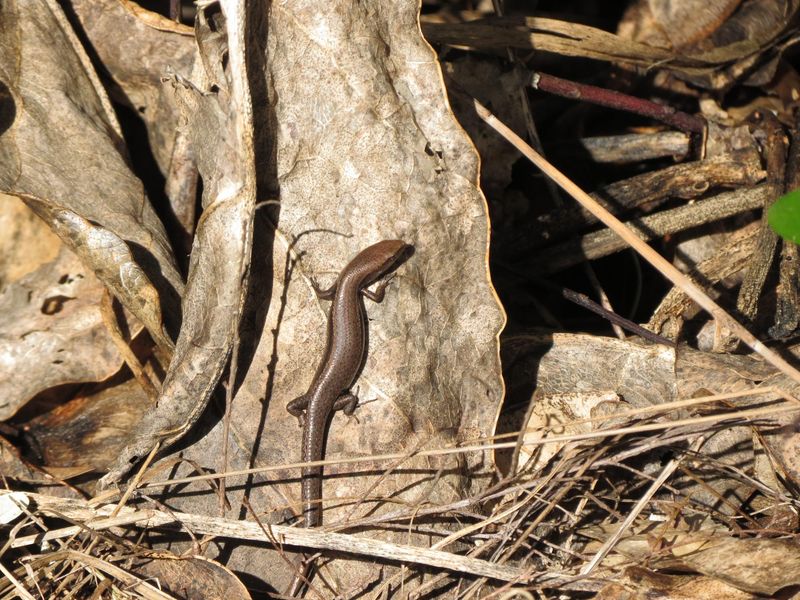
You lift a log and a slim, shiny lizard darts out of sight. A day later, you see one again.
Skinks often show up where wood is stacked, and what that means is less dramatic than some stories suggest. Here is what the sightings can tell you, what they cannot, and how to keep your yard safe from fire while treating wildlife kindly.
Repeated sightings point to shelter, not a confirmed infestation
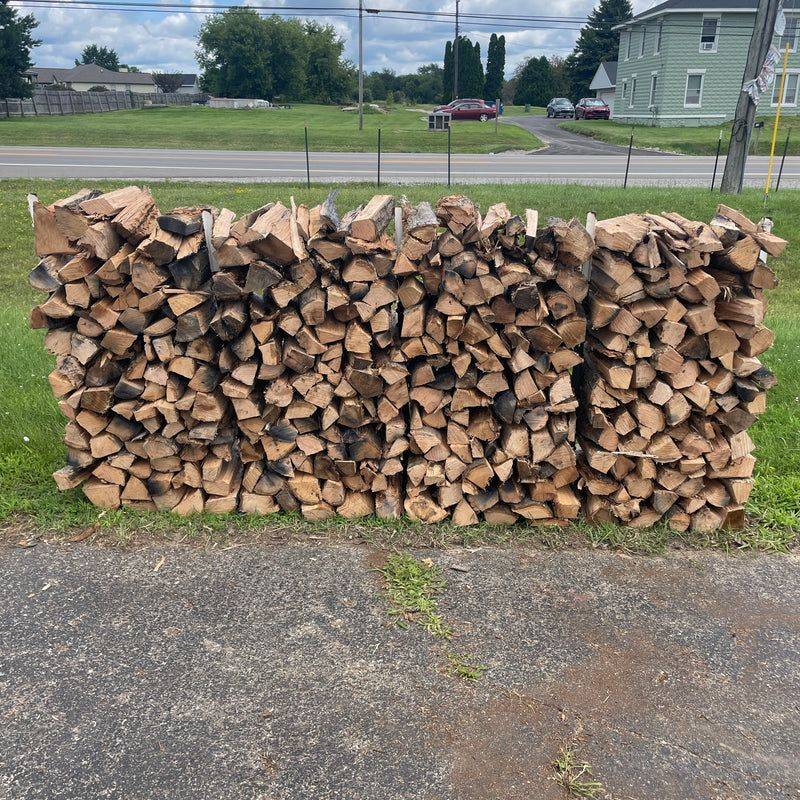
Seeing a skink more than once near your woodpile is consistent with one simple idea: the pile offers a place to hide. Stacked logs create shady gaps, cool spots, and cover from birds and cats.
That is about as far as a sighting can take you.
What a sighting cannot do is diagnose a pest problem. A lizard darting between logs does not tell you that insects are swarming the pile, that the skink is feeding there, or that it is keeping an infestation in check.
Those would be guesses, and plausible ones, but they are not proven by the animal simply being present.
Species is another open question. A quick glimpse of a brown or striped lizard rarely settles it.
The California Department of Fish and Wildlife account for Western Skink notes that Western and Gilbert’s skinks live side by side in parts of California, so your location alone does not tell you which one you have. That is why this article calls them skinks unless someone has confirmed the identification, for example with a clear photo reviewed by a local naturalist.
So here is the practical reading. Repeated sightings suggest cover and probably some food nearby.
They do not suggest an emergency. You can relax about the lizard, and then turn your attention to how the pile is stored, which matters more.
Logs give skinks cover, while litter offers foraging ground
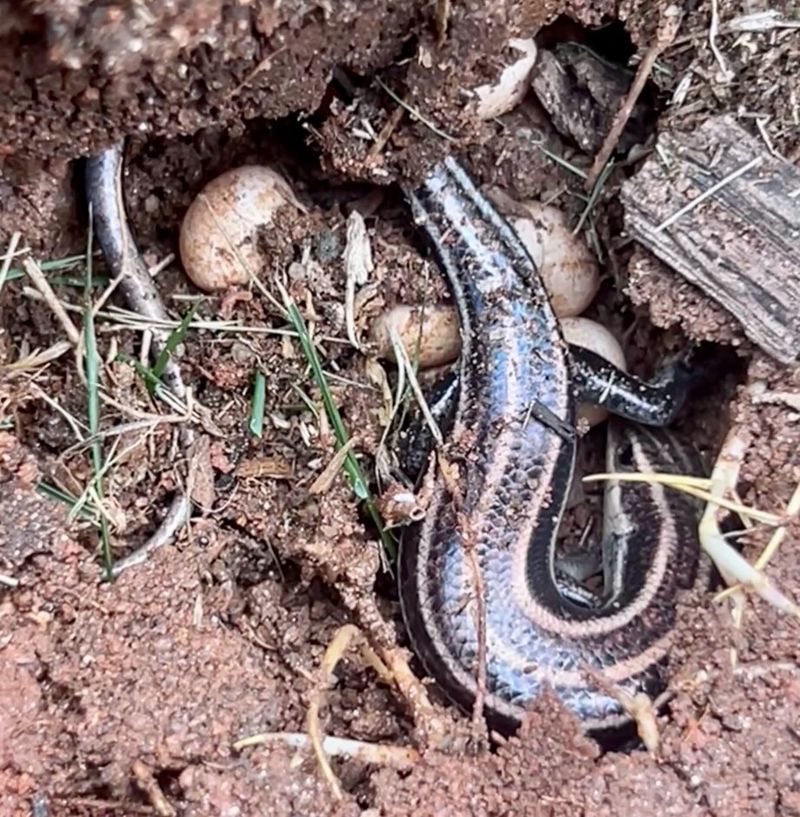
Skinks tend to like the exact conditions a woodpile creates. CDFW lists rotting logs and surface litter as cover for Western Skinks, and says they forage in leaf litter and vegetation.
A pile with leaves and debris around its base can offer both a hiding spot and a hunting area in one place.
The same account names a range of foods: beetles, caterpillars, crickets, ants, spiders, centipedes, and sow bugs. These are small invertebrates, the kind that live in damp litter and under cover objects.
Many of them are harmless to your home and plants.
On the garden side, UC IPM says lizards in California may benefit gardens by eating pest insects. Notice the careful wording.
It says may, and it speaks about lizards in general.
Put those pieces together and you get a modest picture. A skink using your pile fits what is known about where skinks hide and what they eat.
But nobody can say which bugs this particular lizard is catching beneath your logs, or how many. It also does not show that the lizard provides measurable pest control.
Think of it as a possible small bonus, not a service you can count on.
The woodpile’s pests are not all skink prey
“Pests in the woodpile” can mean three very different things, and mixing them up leads to bad decisions.
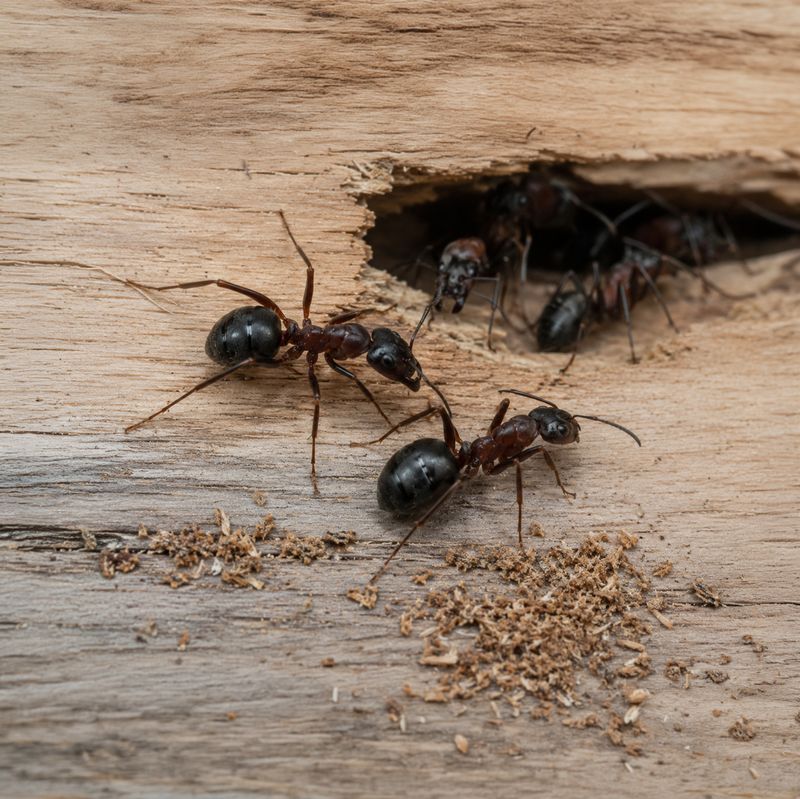
First, there are carpenter ants. UC IPM notes that carpenter ants can nest in woodpiles, and that they excavate galleries in wood rather than eat it.
Sawdust-like debris near wood is a clue to watch for. Ants are on the skink menu in general, but that does not mean a skink can control a carpenter ant colony.
Second, there are tree pests and diseases. California’s firewood guidance warns that moving firewood can spread them to new places.
That concern is about transporting wood, and nothing suggests skinks control those pests.
Third, there are the small creatures in the skink’s documented diet, such as beetles, crickets, spiders, and sow bugs. They are the ones a skink is known to eat, though only in a general way.
The takeaway is to sort out which of these you actually worry about. A skink is not a reason to assume any of them is present, and it is not a fix for the first two.
A fall sighting can be ordinary
Autumn sightings can feel odd, as if something has changed. Usually it has not.
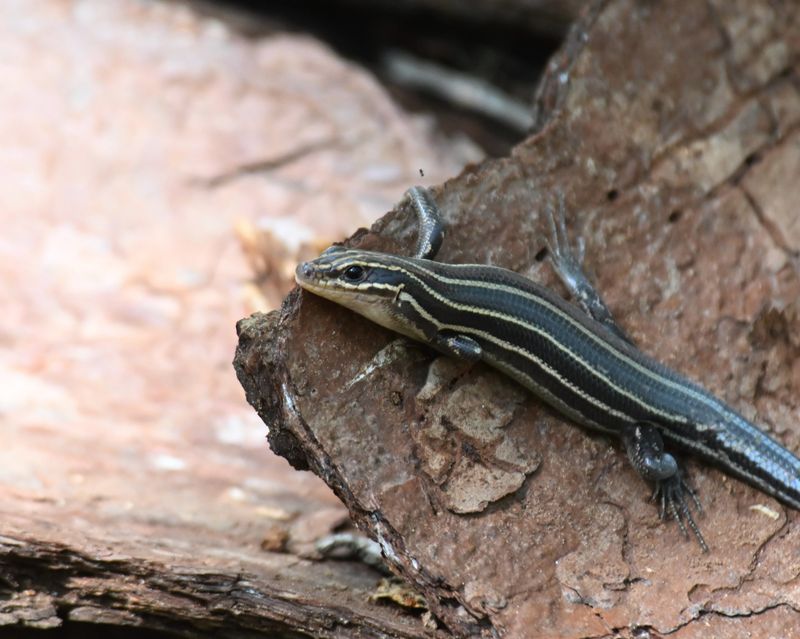
CDFW reports that adult Western Skinks usually become inactive by early fall, while juveniles may stay active several weeks longer.
So a small skink on a warm October afternoon fits a normal pattern. Young lizards are still feeding and soaking up sun while the adults have already settled in for the cooler months.
Skinks are also secretive animals. You may go weeks without noticing one, then spot it when you move wood for the season.
Stacking firewood is the very moment many people first see them, which can make it seem like a sudden arrival.
A fall sighting alone does not show an unusual migration. It does not show a pest outbreak either.
If you want a real clue about a problem, look for things you can check directly, such as ant trails, fine wood shavings, or damaged wood, rather than relying on the lizard’s timing.
Fire safety sets the limits on where wood can stay
Wildlife is a good reason to be gentle. It is not a reason to keep wood where it raises fire risk.
In California, fire safety comes first.
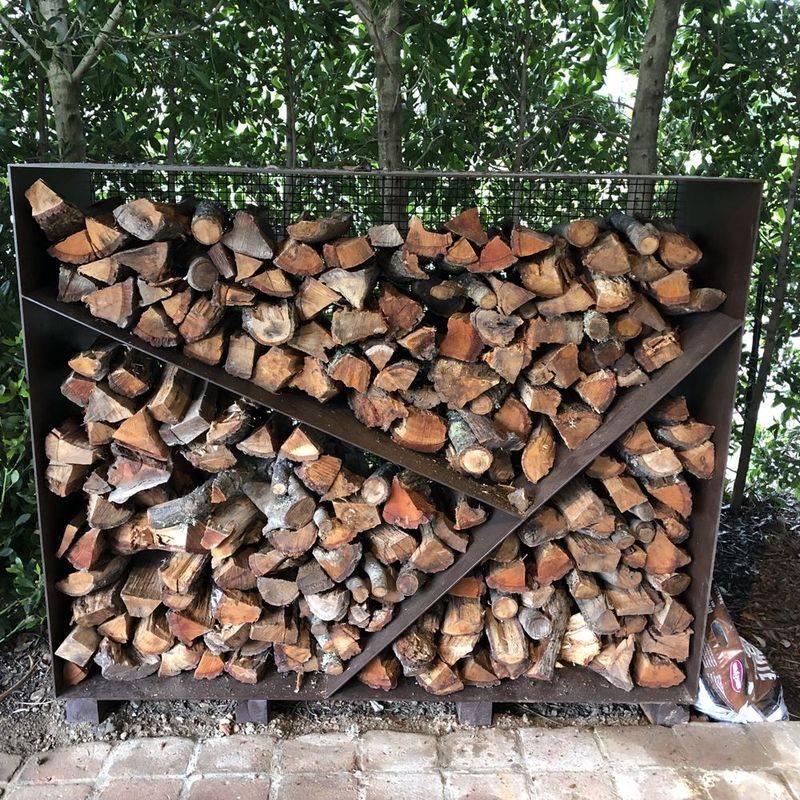
For carpenter ants, UC IPM advises keeping firewood off the ground and several feet from structures. Raising the stack on a rack also reduces damp contact with soil, which helps keep wood drier.
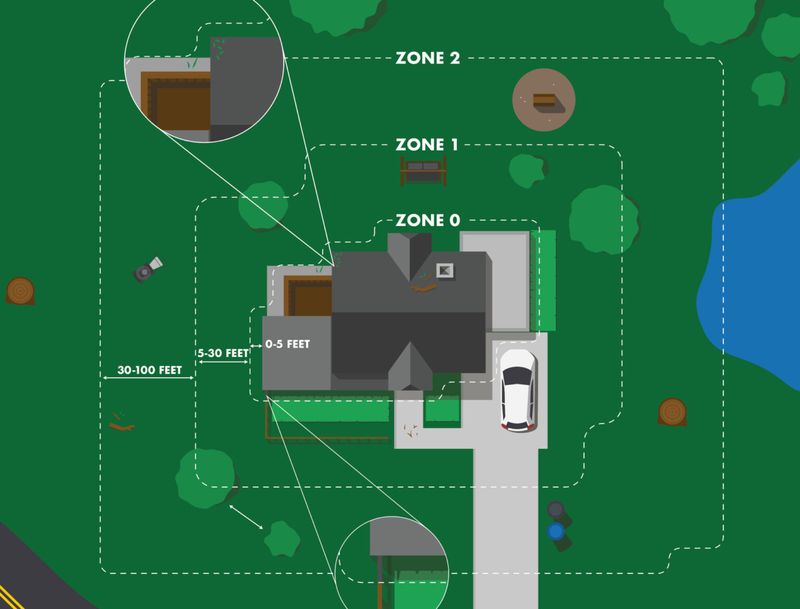
On the wildfire side, CAL FIRE’s defensible space guidance advises relocating firewood to Zone 2. It also calls for 10 feet of clearance around exposed woodpiles, cleared down to bare mineral soil.
That means no dry grass, leaves, or brush touching the pile.
Your city or county may set its own requirements, especially in hillside and wildland-edge areas, so check with your local fire authority and follow what applies to your property.
If your pile sits too close to the house or in a spot that does not meet these rules, it needs to move, even if a skink likes it. If you want to help wildlife, place cover habitat somewhere that is safe from a fire standpoint.
Move the pile carefully, and leave the lizard alone
If the pile has to move, take it in stages. Check beneath each log as you lift it, rather than tearing the whole stack down at once.
This is a practical inference from CDFW’s description of skinks using logs and surface cover. It is not a tested skink-management method, just a sensible way to reduce disturbance.
Do not chase, grab, or capture any lizard you find. UC IPM notes that rough handling or pursuit can cause lizards to drop their tails, and that taking or possessing lizards is regulated in California.
If one runs, let it go.
Spraying is another thing to skip. A skink showing up is not a reason to treat the pile with insecticide.
If bugs bother you, first figure out which pest it is. UC IPM recommends using pesticides only when nonchemical methods have not worked and pests have reached intolerable levels.
Plan the new location with fire rules in mind, and the lizard will find other cover on its own.
Coexist where practical, without overclaiming
A skink under your woodpile fits shelter and nearby foraging. It does not prove pest control or an infestation, and a quick look may not confirm the species.
Where practical, leave the lizard in peace, and store or move your firewood according to CAL FIRE guidance.
Treat the skink as a quiet neighbor, not a pest report.