
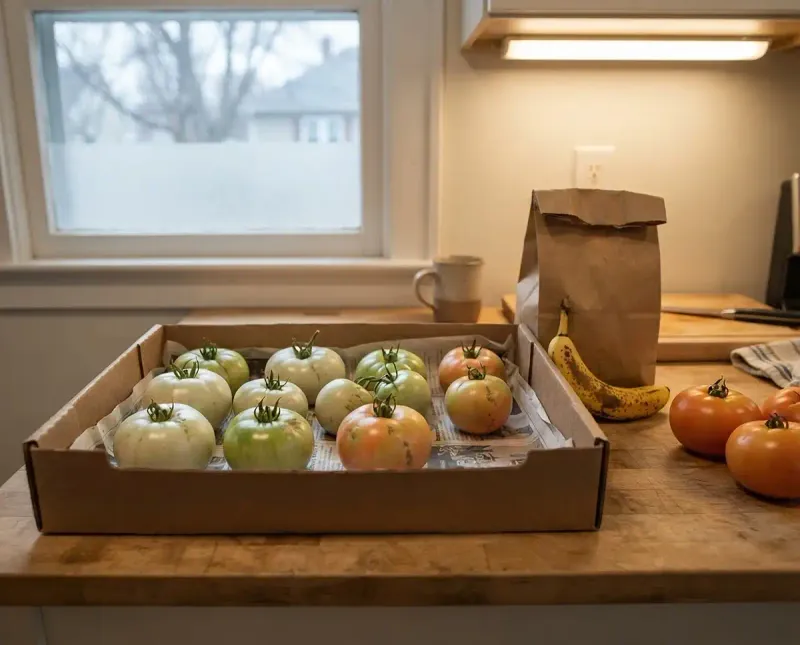
Frost hit, and now your tomato plants look rough, but a few hard green fruits are still hanging on. Some of those tomatoes may still turn red on your kitchen counter, and others never will.
A quick look at each one can help you decide where to put your effort. Here is how to sort the keepers from the ones better used in the kitchen another way.
Check each tomato rather than judging by frost alone
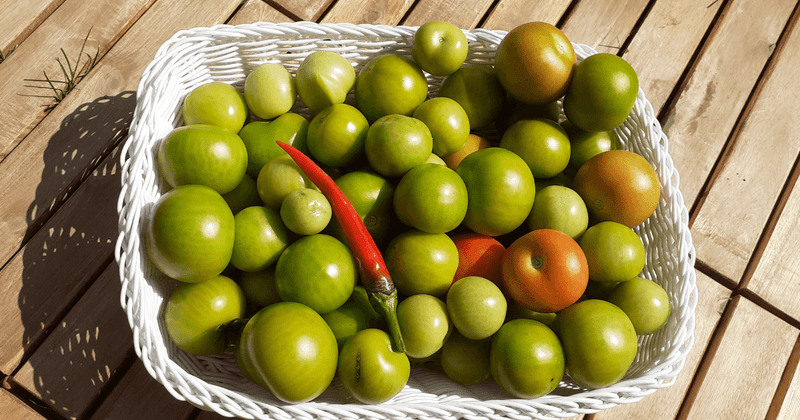
Frost is a clue about what happened to the plant, but it does not tell you the fate of every fruit. Tomatoes are frost-sensitive, so extension guidance from Utah State suggests picking mature-green or slightly colored fruit before a forecast frost or hard freeze when you can.
If frost already came through, do not toss everything in a panic. A light frost and a hard freeze are very different, and frost timing varies across the South, so look at the fruit itself rather than the calendar.
Pick one tomato at a time and give it a gentle squeeze. Firm, sound fruit is worth considering for ripening.
Soft spots, splits, or obvious damage are signs to set that tomato aside.
Glossy, well-developed fruit has the better chance
“Mature green” describes how far a fruit has developed, not just its color. Nearly every tomato on the vine is green at some point, so color alone proves very little.
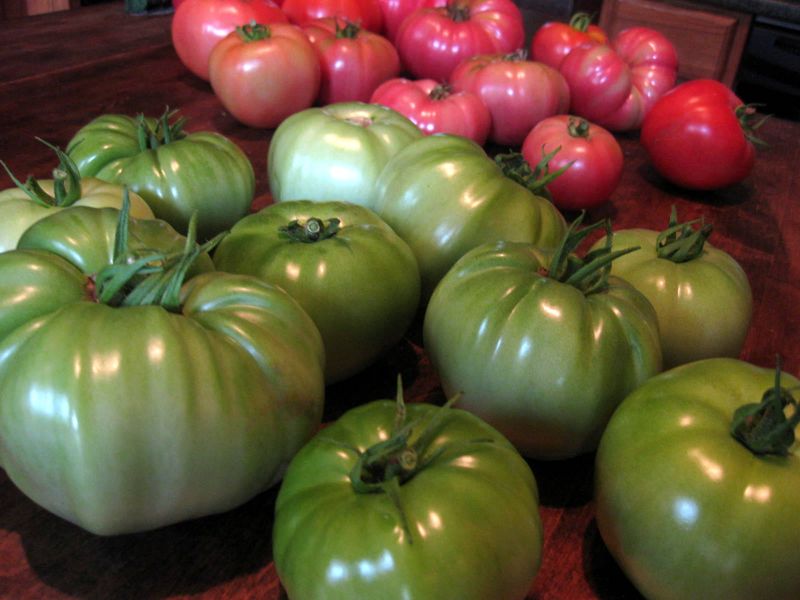
Better candidates have glossy skin, are full size or roughly three-quarters of full size, and show a pale or whitish star at the blossom end. Colorado State University Extension lists these as practical signs, and its guide to ripening indoors contrasts them with matte-green immature fruit.
Hold a small, dull-skinned tomato next to a large shiny one and the difference is easy to spot. These clues help you choose candidates, but they are not guarantees of flavor or success.
Use truly immature tomatoes in green-tomato recipes

Small, matte-green tomatoes are the ones most likely to disappoint on a windowsill. University of Minnesota Extension notes that fully green, immature fruit may not be worth ripening indoors.
Colorado State guidance draws the same line between glossy mature-green fruit and immature fruit, so do not count on every tomato becoming a good red one.
Instead, give these tomatoes a job they suit. Look for recipes written specifically for green tomatoes, such as fried slices, relishes, or chutneys.
Pick a tested recipe and follow it as written.
Arrange sound candidates for indoor ripening
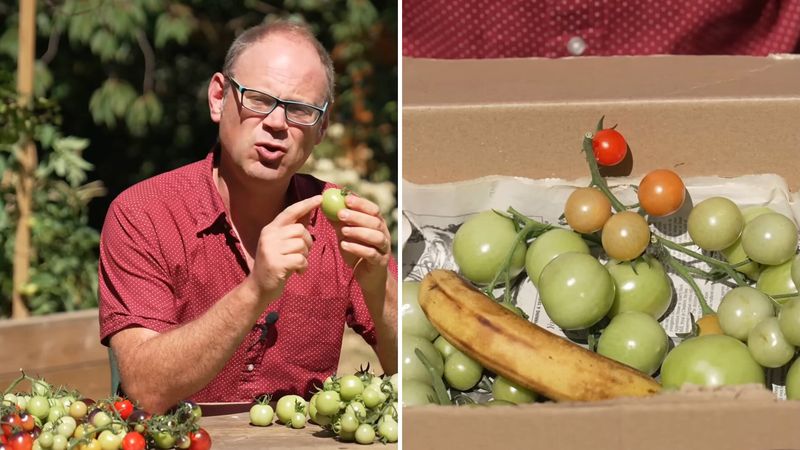
Once you have your best candidates, handle them gently. Choose sound, blemish-free tomatoes, since one damaged fruit can spoil and cause trouble for its neighbors.
Lay them in a single layer or a shallow box rather than piling them in a deep bucket. Colorado State University Extension recommends keeping them out of direct sunlight, and its tomato growing guide also stresses picking sound fruit.
A spare shelf, a dresser top, or a cardboard box in a spare room works well. Leave a little space between fruits and look them over regularly, removing anything that softens or molds.
Temperature shapes the waiting time and flavor
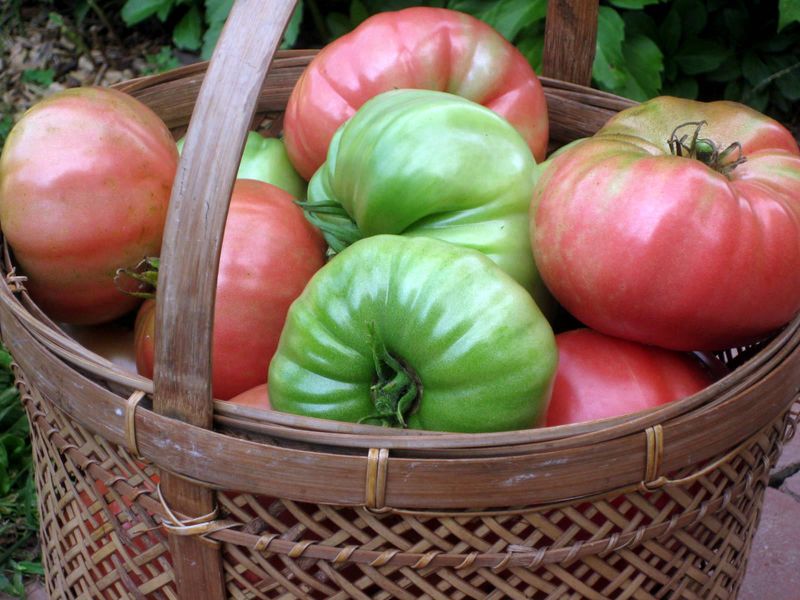
Around 65 to 70°F indoors, green tomatoes may ripen in roughly two weeks, according to Colorado State University Extension. That is a rough guide, not a deadline.
Cooler spots slow things down, so a chilly garage may stretch the wait by weeks. Avoid storage below 50°F, because Utah State guidance says it can lead to bland or off-flavored fruit.
That also rules out the refrigerator.
Check your tomatoes every few days. Some will blush pink first, and some may never color up, which is normal.
Keep tomatoes from dead or frost-killed vines out of home canning
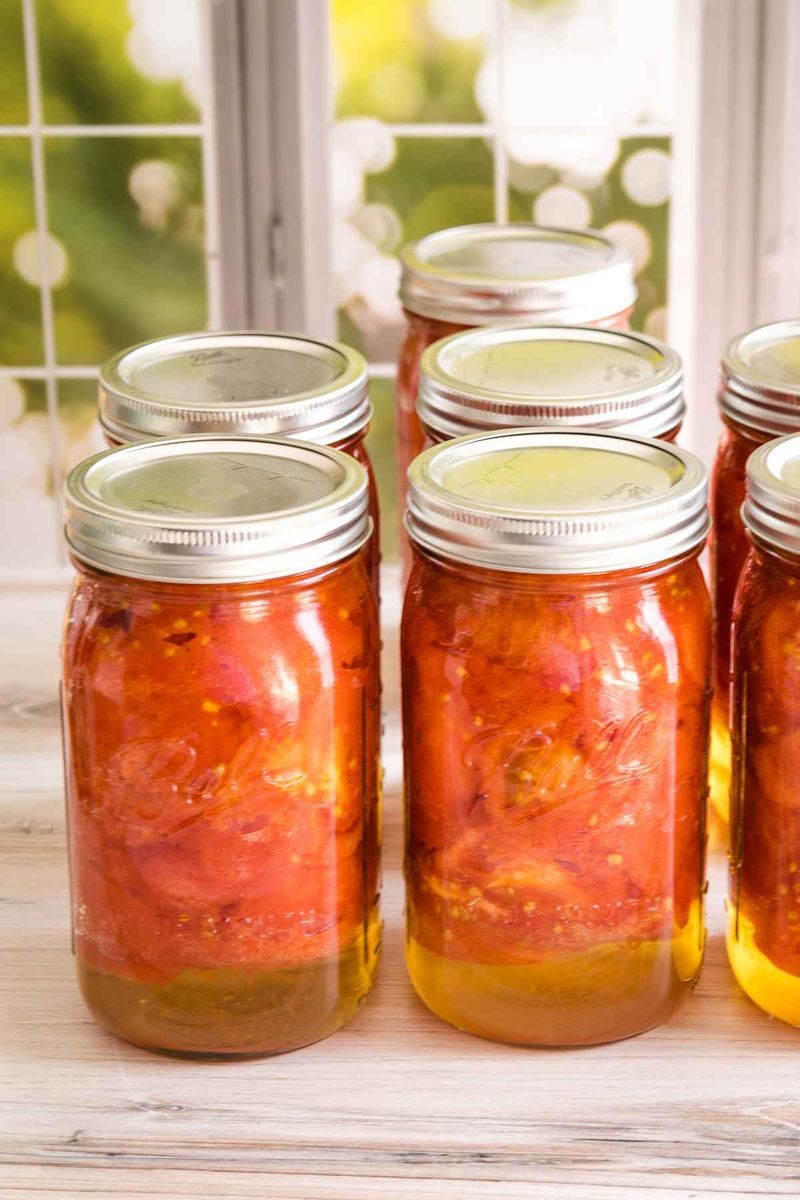
Canning has stricter rules than ripening or cooking. Home canning calls for firm, high-quality tomatoes and a research-tested recipe, and University of Minnesota Extension says not to can tomatoes from dead or frost-killed vines.
Tomato acidity varies, so canned tomato products need the recommended added acid. The National Center for Home Food Preservation explains why.
Acid does not make unsuitable fruit acceptable, so it cannot rescue tomatoes from a frost-killed vine or damaged fruit.
This rule is about canning only. It does not mean every such tomato is unsafe to eat fresh or cook.
Frost-hit tomatoes can still land in a skillet, just not in a jar.