
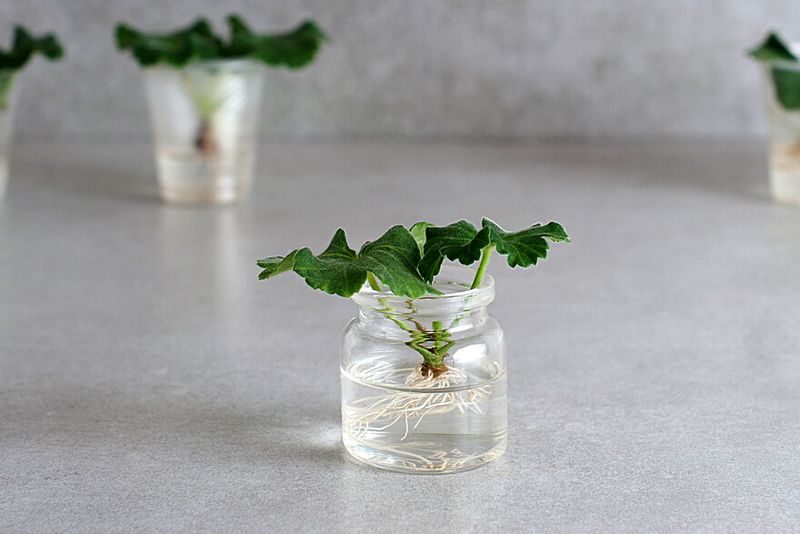
Those potted bedding geraniums on your porch can turn into new plants for next spring. All it takes is a few stem cuttings, a clean container, and a bright windowsill.
Water rooting is a simple home method, though roots may take longer than you hope. Here is how to save your best plants when cold weather starts to threaten them.
Take cuttings when local cold threatens the parent plant
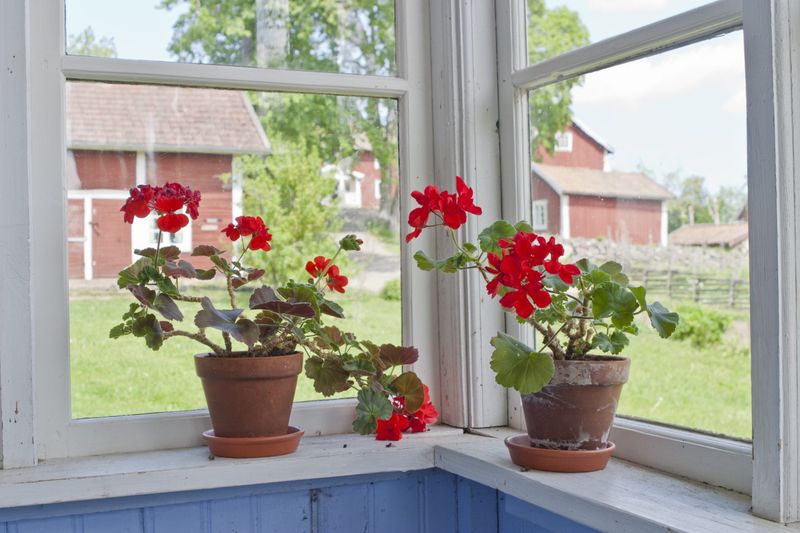
Forget the idea of one calendar date for the whole South. A gardener in north Georgia may need to act in early fall, while someone in south Florida may never need to protect plants from frost at all.
What matters is whether cold is likely to reach your plant.
UGA Extension notes that early-fall cuttings can carry geraniums through winter, and Illinois Extension advises bringing plants indoors before the first frost. Florida varies a lot.
UF/IFAS says common geraniums can go outdoors in south and central Florida from October to about March, while north and western Florida should wait until spring frost danger passes.
Taking cuttings is a separate step from putting plants outside again. Take them when a cold snap could hurt the parent, and plan the move back outdoors for after cold risk has passed in your area.
Choose a healthy Pelargonium worth saving
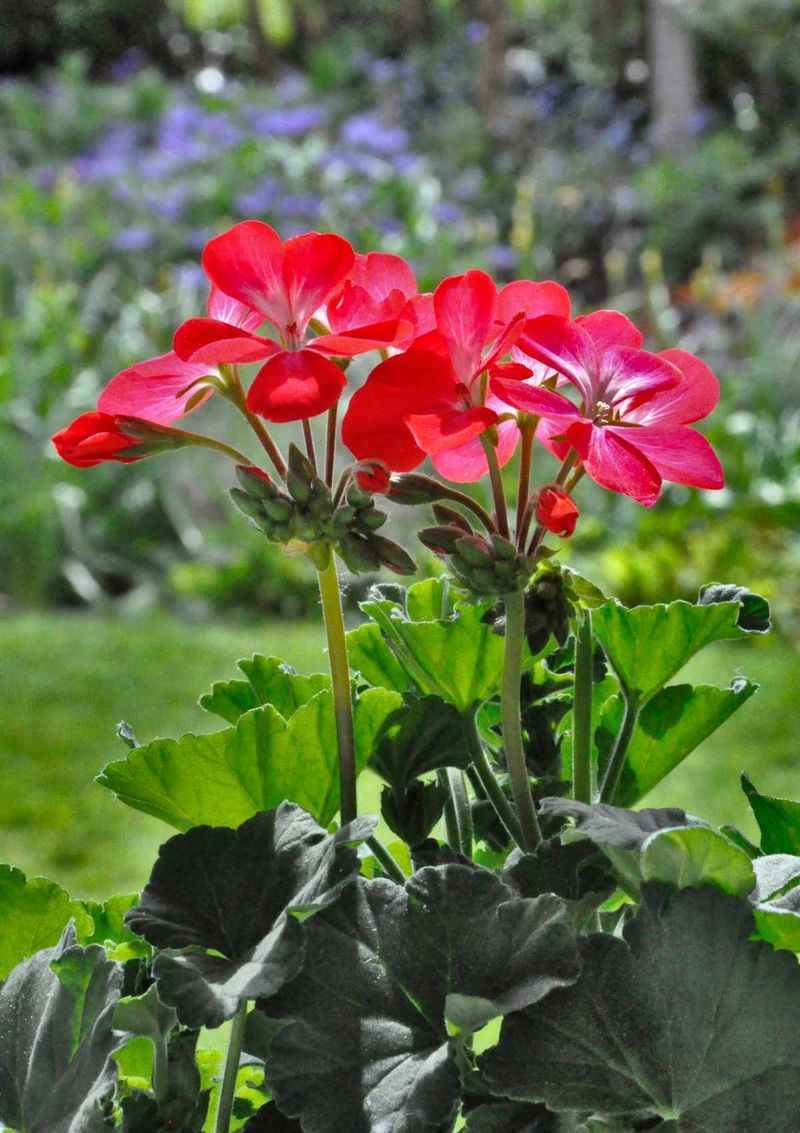
The bedding plant everyone calls a geranium is really a Pelargonium. It is a tender perennial, not the hardy true geranium that survives cold in perennial borders.
Many are grown as annuals, so saving one is a bonus.
Pick the plant with strong stems, firm green leaves, and no sticky pests or spotty damage. Cuttings can keep traits like flower color, scent, and leaf pattern.
Be aware that UGA notes many bedding geraniums are grown from seed, so seedlings from a seed-grown parent may not look like it.
Healthy starting material matters because geranium cuttings can suffer stem rot and blackleg. UF/IFAS advises healthy cuttings and sterile rooting media, and Penn State Extension covers geranium diseases that can spread.
Skip any plant that looks sick, and wash your tools and containers first.
Prepare short terminal cuttings
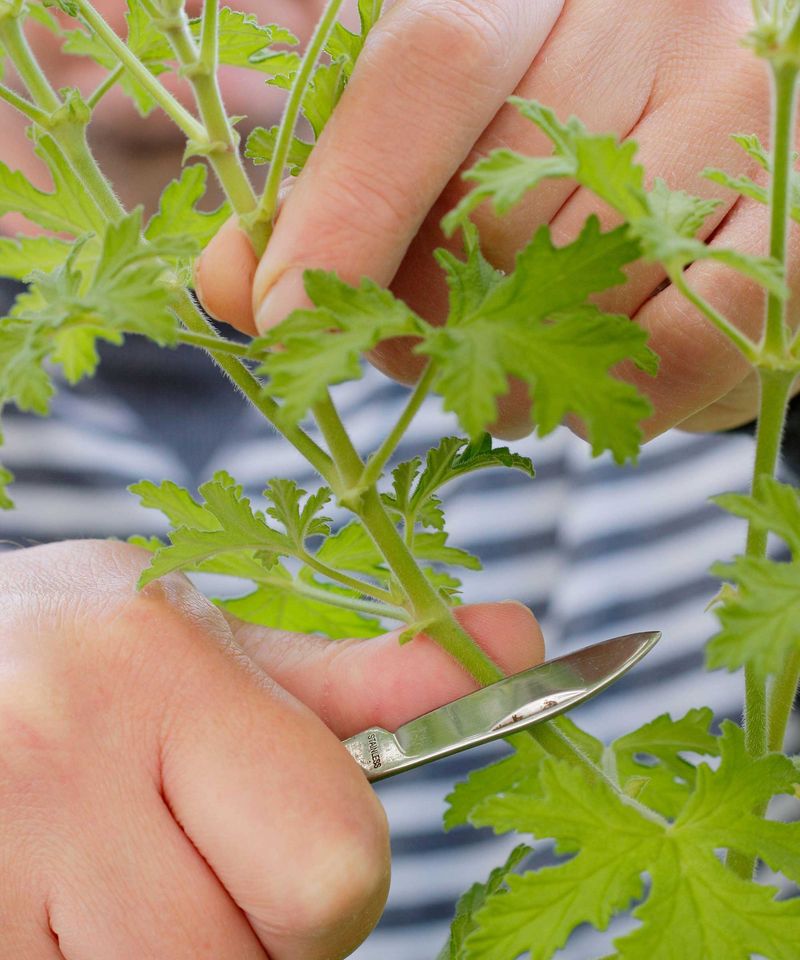
Look for shoots about 3 to 4 inches long, cut from the growing tip. UGA Extension and Iowa State Extension both describe this kind of cutting as the standard starting point.
Use clean scissors or snips. Pinch off flowers and buds so the cutting puts its energy into roots.
Then strip the lower leaves so no foliage will sit in water or rooting medium, where it can rot.
A Napa County Master Gardener column on homestyle cloning shows how simple the steps can be at home. Take several cuttings, since some may not make it.
That gives you backup without counting on any set number of survivors.
Water is simple, but fast roots are not assured
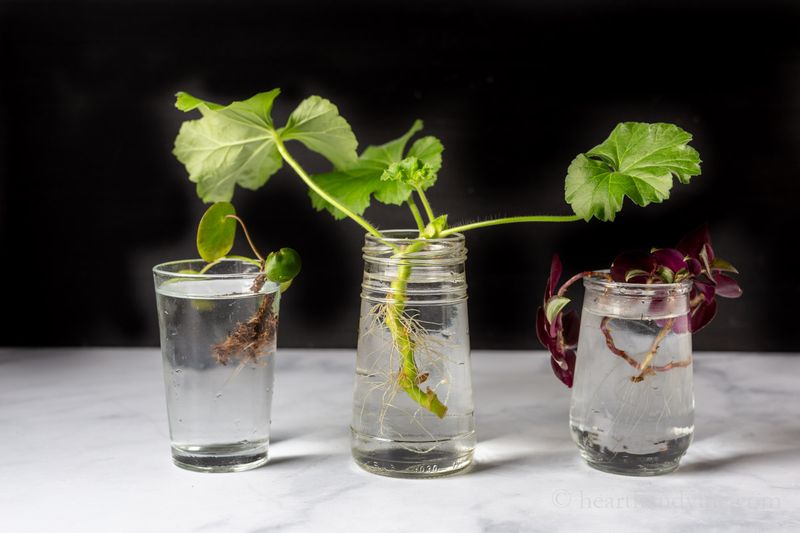
A glass of water is an easy way to start. Set the cutting so the bare stem is submerged and every leaf stays above the rim.
Put it in a warm spot with filtered or gentle light, and change the water regularly.
Timing reports vary. A University of Minnesota Extension Master Gardener describes roots starting in a few days.
A UC Master Gardener, writing in a Napa column, reports about two weeks for scented geranium and suggests changing the water every other day.
Those are personal experiences, not side-by-side tests. They do not give you a dependable schedule, and they do not show that water beats other methods for Pelargoniums.
Water-rooted cuttings may also not settle into potting mix as easily as ones rooted in a medium, so be patient.
An airy rooting medium is the conventional alternative
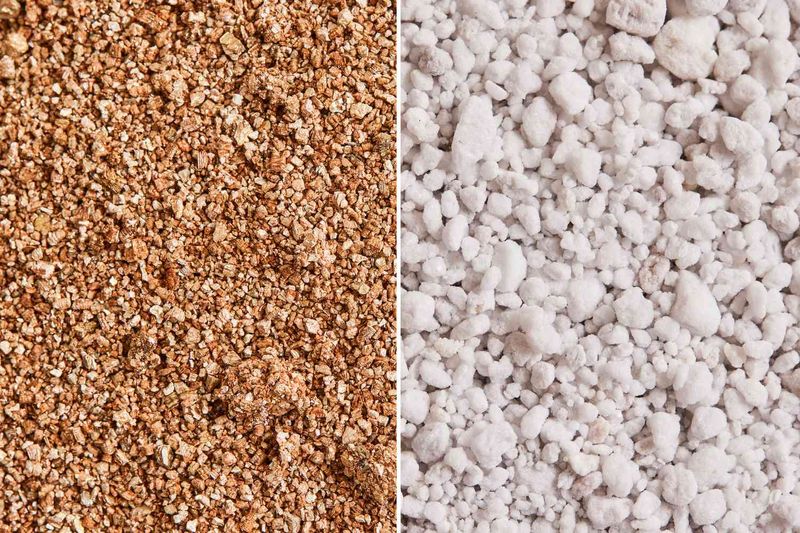
Extension guides usually point to a porous rooting medium. UGA suggests options like vermiculite, perlite, or a sand-based mix.
Start with a clean container and fresh medium.
Keep it damp like a wrung-out sponge, never soggy. Air around the stem helps limit rot, which is the reason this approach is the conventional one.
Medium rooting is not proven faster, and it will not guarantee more success. Some general guidance does raise a caution about water roots.
Maine Extension and Illinois Extension say roots formed in water may adapt less easily to potting mix. That is general advice for many plants, not a Pelargonium-specific failure rate, so water rooting remains a fair choice.
Provide gentle light and allow time for roots to develop
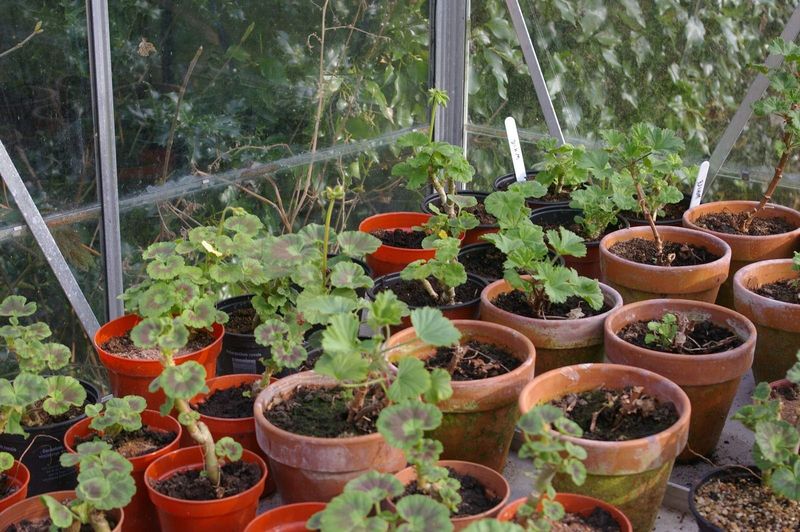
Bright, indirect light suits cuttings best. Harsh sun can scorch them before roots exist.
If you use a medium, keep it moist without letting it turn waterlogged.
Rooting time varies. For cuttings in a medium, UGA says usually 3 to 4 weeks, Illinois Extension says 4 to 8 weeks, and Iowa State says 6 to 8 weeks.
Water reports are less consistent. One Minnesota Master Gardener saw roots in days, while a UC Master Gardener waited about two weeks.
Neither timeline is universal, and not every cutting will root. Give them time before you give up.
Pot rooted cuttings and carry them through winter
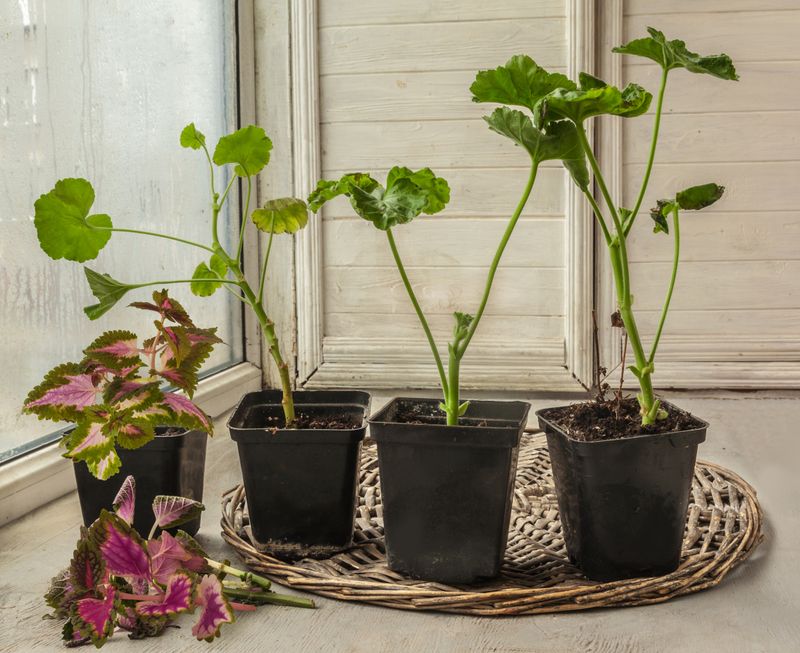
Once a cutting has a useful root system, move it into a small pot of fresh potting mix. Keep it in bright light and keep growing it as a possible spring plant.
The payoff is keeping a favorite Pelargonium going, not a guaranteed number of plants. Illinois Extension covers overwintering, and UGA explains that early-fall cuttings can carry plants through winter.
Keep local cold in mind. In north Florida, UF/IFAS says plants can be moved indoors on cold nights, but outdoor planting should wait until spring frost danger passes.
Taking cuttings in fall does not mean planting out in fall.
Try several healthy cuttings so you get more than one chance. A single rooted stem on a winter windowsill is a head start on spring.