
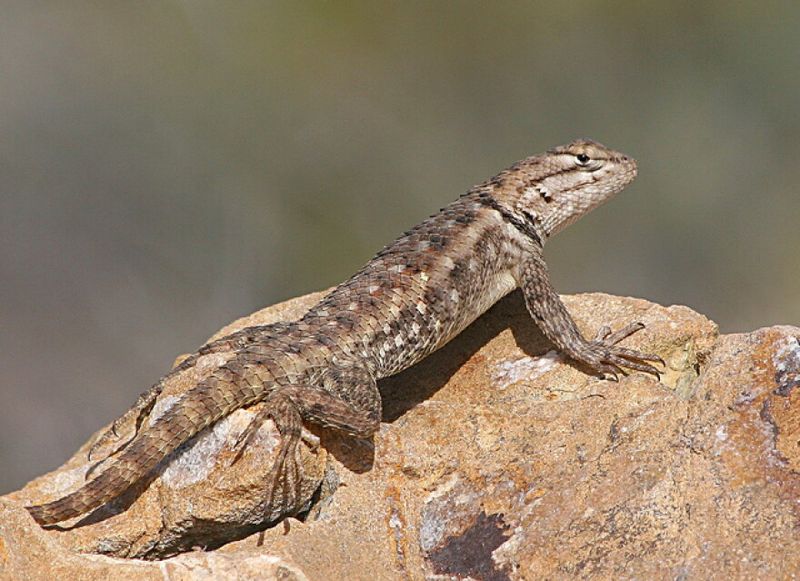
Warm days can linger in California well into autumn, and your yard lizards are out in it. These small reptiles scurry along fences, rocks, and garden beds, and they rely on the shape of your yard to stay comfortable.
A few simple choices can give them a better mix of sun and shelter. Here is how to do that while respecting water rules and fire safety.
Late-season heat can affect California yards
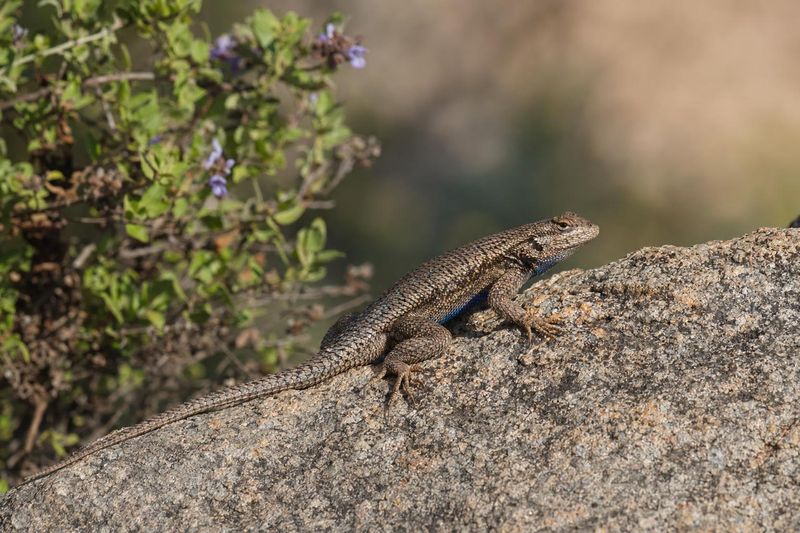
Autumn does not always mean cool relief in California. The state tracks extreme heat events from April through October, according to California’s Office of Environmental Health Hazard Assessment, so late-season heat is a recognized possibility.
Recent history backs that up. NOAA reported that October 2024 was the second-warmest October on record for California.
That does not mean every October brings a heat wave, and it does not tell you what your own yard or its lizards will face in a given year.
What it does tell you is that October heat is worth planning for, especially if you live inland or in a valley where warm spells can stretch on. Think of the steps in this article as ways to support lizard habitat, not as guarantees.
Nobody has shown that a homeowner’s changes will prevent lizard deaths in a heat wave. Still, a yard with good options is a kinder place for wildlife than one with none.
Before changing anything, take a short walk through your yard on a warm afternoon. Notice where the sun hits hard, where shade falls, and where the ground stays cooler.
That simple map will guide every choice that follows.
Keep both sunny spots and cooler refuges
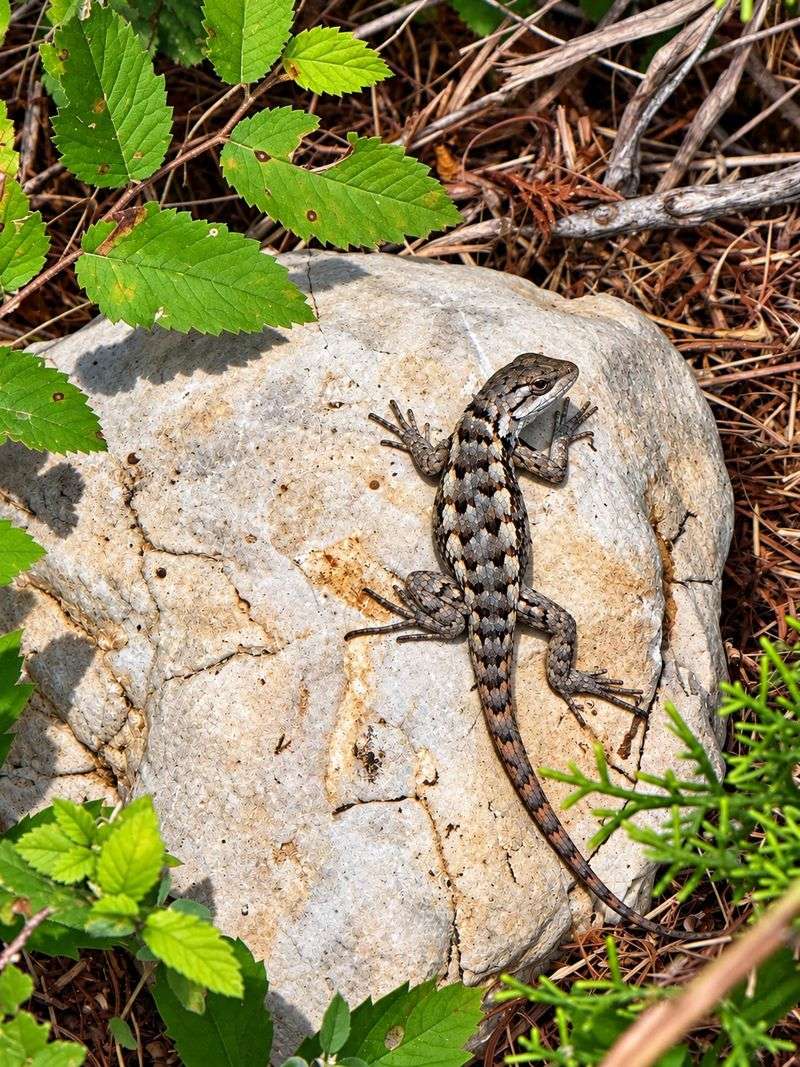
Lizards are cold-blooded, so they manage their body temperature by moving. They bask when they need warmth and slip into shade when they need to cool off.
Having both kinds of spots nearby lets them make that choice.
One lab-style experiment on a different species, the lizard Sceloporus aeneus, found that access to a thermal refuge helped lizards keep their body temperatures in a workable range under hot conditions. That study was not done in California yards and did not look at the fence lizards many of us see at home.
It shows the idea works, but it does not prove a result for your garden.
The practical lesson is to avoid going to extremes. A yard that is all bare, exposed ground leaves little escape from midday sun.
A yard that is shaded everywhere removes the basking spots lizards need. Fence lizards, for example, are often seen basking in the open, so sunny perches matter too.
Try a simple layout. Keep a warm rock, log, or fence section in full sun, and place a shrub, rock crevice, or low groundcover within a short dash of it.
Leave existing stone walls and flat rocks in place when you can.
Do not rush to plant or rearrange everything at once. Small, steady additions that give lizards a choice are plenty.
Protect suitable cover without creating fire hazards
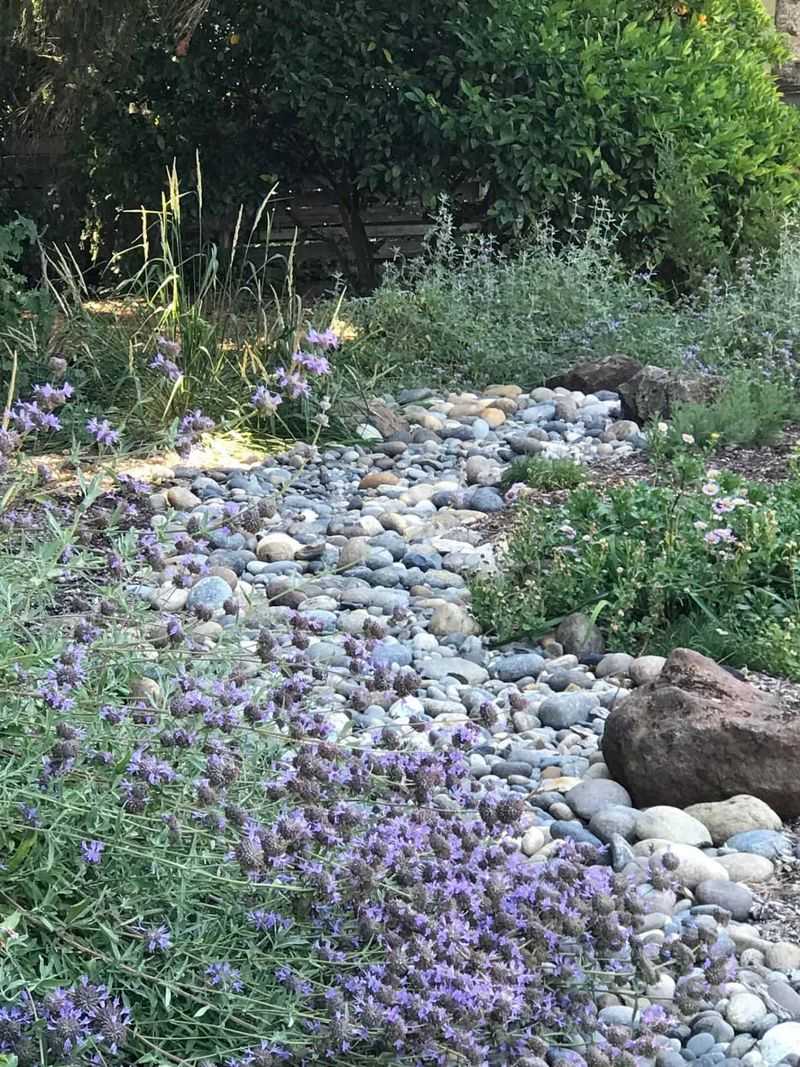
Shrubs can act like natural air conditioners for small reptiles. A study of the endangered blunt-nosed leopard lizard found that shade-providing shrubs helped buffer heat in its habitat.
That research took place in the lizard’s own grassland habitat, not in home gardens, and it does not cover western fence lizards or other common yard species. So treat it as a good reason to keep healthy cover you already have, not as a recipe for every yard.
Fire safety comes first in California. Follow your local defensible-space rules and CAL FIRE guidance, which includes keeping the first five feet around structures clear of combustible materials and removing dead or dry vegetation.
Please do not pile up brush, dry leaves, or debris against the house for lizard shelter.
Here is how to balance both goals. Keep the zone next to your walls clean, with gravel, pavers, or bare soil.
Farther out, where your local rules allow, keep living, well-maintained shrubs and leave stable rock features in place. Prune dead growth rather than removing whole plants that offer cover.
If you live in a hillside or wildland-edge neighborhood, check with your local fire agency about spacing before adding or keeping any cover.
Treat a water dish as optional, not a lizard lifesaver
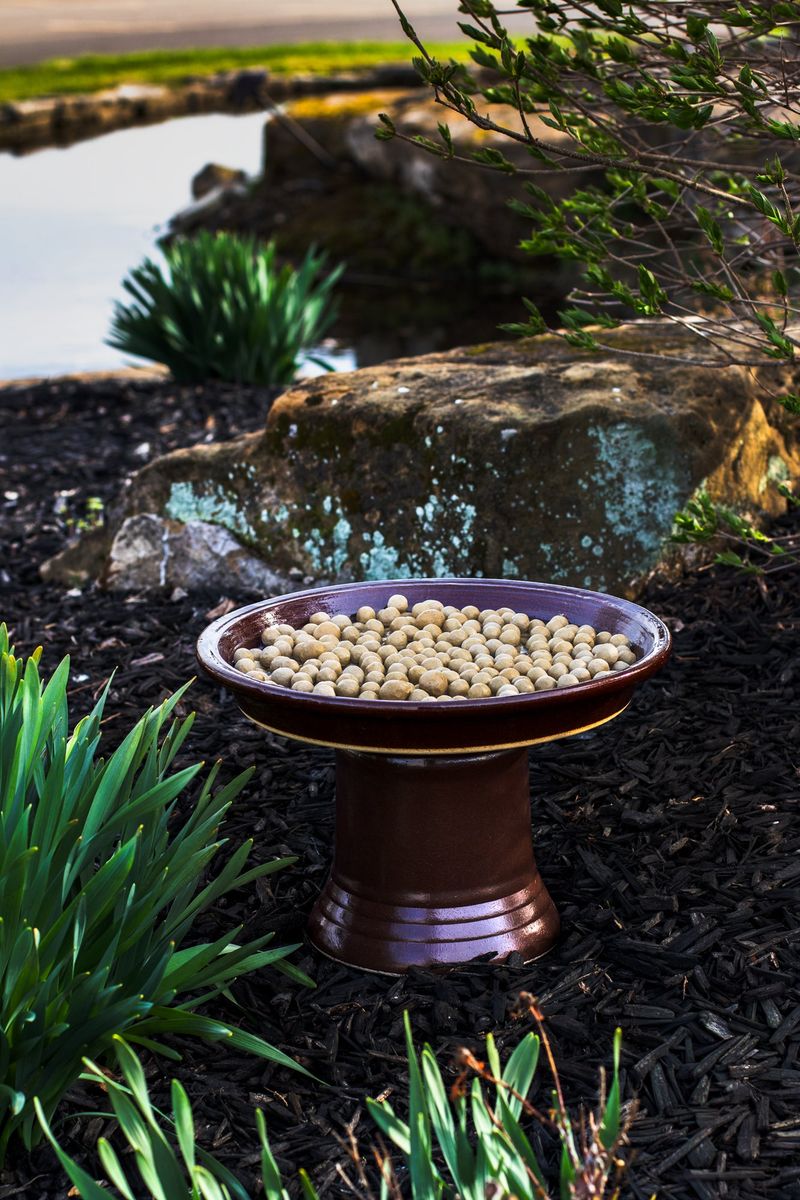
Plenty of gardeners wonder about leaving out water. The sources reviewed do not show that backyard lizards will use a dish, or that one improves their chances in hot weather.
So a water dish is an optional extra, not a proven fix.
If you want to offer one anyway, follow the general wildlife advice from Washington’s wildlife agency. It is not specific to California lizards, but it covers safe basics.
Use about an inch of water, add stones so small animals can land and climb out safely, and drain and replace the water every two to three days to limit mosquito breeding.
A few practical details help. Choose a shallow, stable dish, and set it near some cover instead of in open sun.
Scrub it when you change the water so algae does not build up. If you will be away for several days, skip it, since standing water can become a mosquito problem.
Water rules matter in California. Local suppliers may set stricter conservation measures than the state, as the State Water Resources Control Board notes in its conservation regulation.
Check your local rules before adding water features or extra irrigation.
A small dish uses very little water, but it should never replace the more useful step of keeping sun and shelter options in your yard.
Use pesticides only when nonchemical methods are inadequate
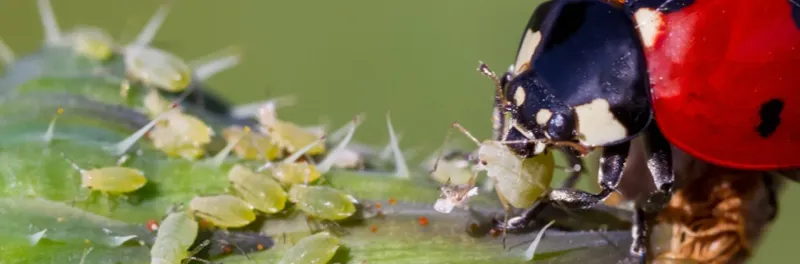
Garden pests are a fair worry, and the way you handle them shapes your yard’s wildlife. UC IPM advises using pesticides only when nonchemical methods are inadequate, and choosing the least-toxic effective option when you do.
That is sound, wildlife-aware advice. To be clear, the sources reviewed do not show that routine home pesticide use causes heat-related lizard deaths.
The point here is simply to avoid unnecessary chemicals around animals that share your space.
Start with the gentle options. Spray aphids off plants with a strong stream of water, hand-pick larger insects, prune damaged growth, and use barriers such as row covers.
Check plants regularly so you catch problems while they are small and easy to handle.
If those steps fall short, read the label closely and pick the least-toxic product that will work for your specific pest. Apply it only to affected plants, follow the directions exactly, and avoid spraying on windy or very hot days.
Keep products away from rock piles, shrub bases, and other spots where small animals shelter.
Finally, store leftovers safely and dispose of them according to local rules. Thoughtful pest management keeps your garden healthy and leaves room for the creatures that live in it.
Let lizards forage without expecting guaranteed pest control
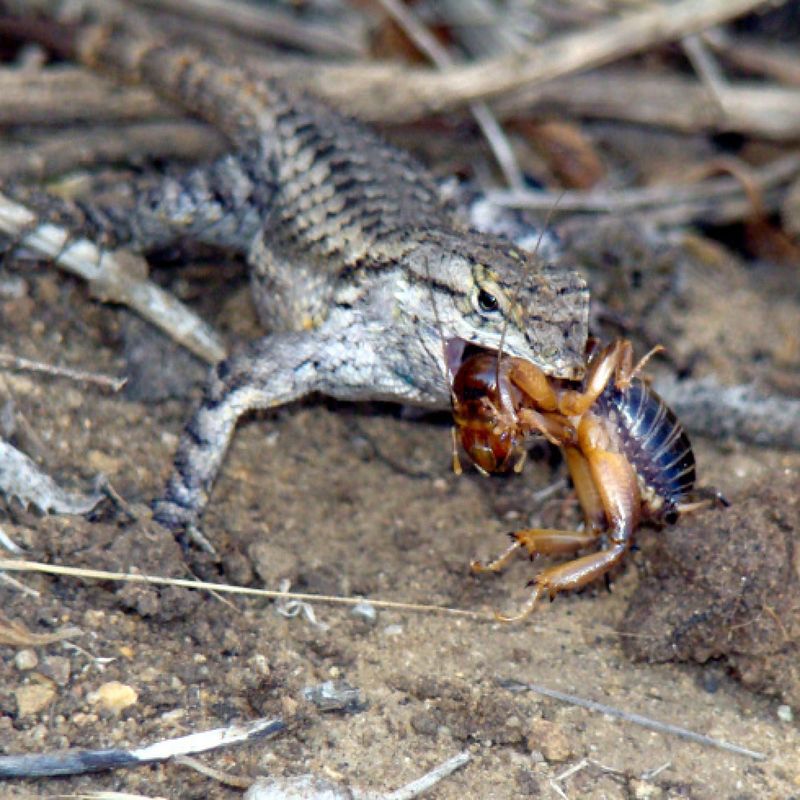
Most garden lizards in California eat insects, and UC IPM notes that they may help with pest control. The word may matters.
Diets vary by species and season, and nothing in the sources reviewed measures how much pest reduction lizards deliver in a home garden.
For western fence lizards, the state’s life history account describes a diet made up largely of terrestrial invertebrates such as insects and spiders. So a lizard may snack on some garden bugs, but it is a bonus, not a pest plan.
The best thing you can do is leave lizards alone. Skip the urge to pick one up for a closer look.
UC IPM warns that rough handling can result in bites, and it is stressful for the animal. Taking or possessing lizards is also subject to California rules, so do not collect them, even as a project with kids.
Watching from a few feet away works well. Sit near a sunny wall with a cup of coffee and see who shows up.
You may notice quick pushups, darting hunts, or a lizard tucking into a crack when a shadow passes.
If you ever find an injured lizard or one in a place that is unsafe, contact a local wildlife rehabilitator or your county animal services for advice instead of trying to relocate it yourself.
Choose habitat measures that fit your yard
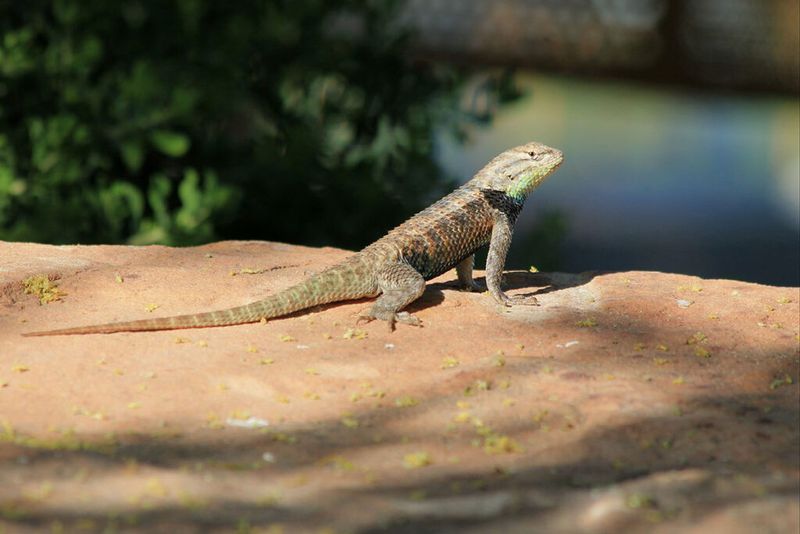
Good lizard habitat is a set of small decisions: a sunny perch beside a cooler hiding place, existing shrubs kept where fire rules allow, gentle pest control, and, if you like, a maintained water dish where local rules permit. Species, climate, and fire risk differ across California, so pick what suits your yard.
Remember the limits. The shrub research covered an endangered lizard in its own habitat, the dish advice comes from general wildlife guidance, and CAL FIRE’s defensible-space rules always come first.
None of this guarantees survival through a heat wave. It simply gives lizards a yard worth living in, and sometimes the best help is a quiet corner left alone.