
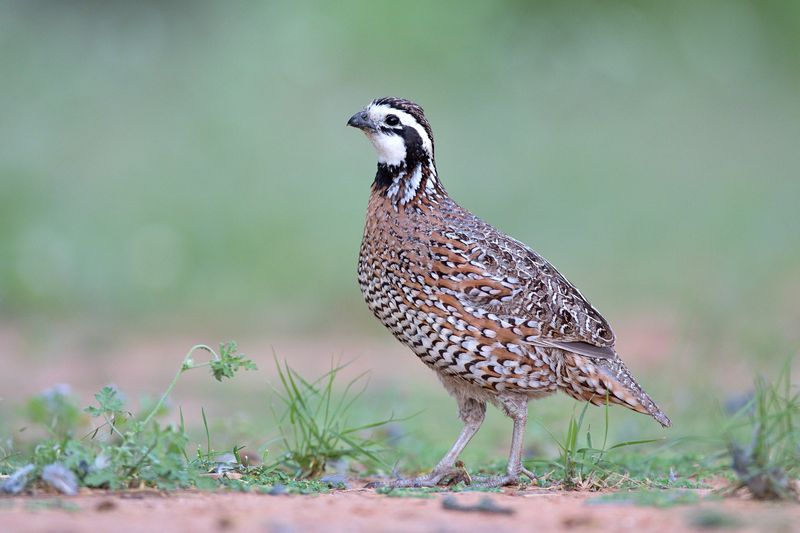
Seeing a group of quail scurry across your Texas yard in fall can feel like a surprise visit from old friends. But those birds may not have traveled anywhere at all.
Fall is when bobwhite groups become easier to spot, and the way your yard is built can play a small part in what they find there. Here is how to read those sightings and add a habitat patch the careful way.
Fall Sightings May Reflect Coveys, Not Migration
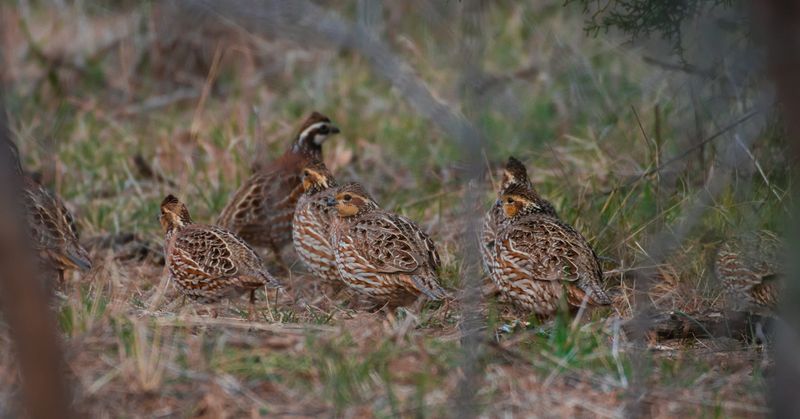
Many people assume quail that show up in fall have come back from somewhere else. For northern bobwhites, that is usually not the case.
U.S. Forest Service species review describes them as generally year-round residents, not long-distance migrants.
What changes is behavior. Bobwhites form coveys in late summer, which are tight groups that feed, rest, and roost together through the cooler months.
A group of a dozen birds crossing open ground is much easier to notice than a single bird hidden in grass during nesting season. Sightings can also shift with habitat and weather, as noted in Texas Parks and Wildlife guidance for the Panhandle.
Before you credit any bird for a reason, check which bird it is. Texas has four quail species, and where they live and what they need differ across the state, as the TPWD quail overview explains.
A bird you call a quail might be a scaled, Gambel’s, or Montezuma quail depending on where you live, so confirm the species before making bobwhite-specific plans.
One more caution: a sighting alone cannot tell you why birds appeared. If you planted something last spring and quail walk through in October, the planting may be a coincidence.
Treat each sighting as a nice observation, not proof that a yard change worked.
The Useful Feature Is a Patchwork, Not a Plant
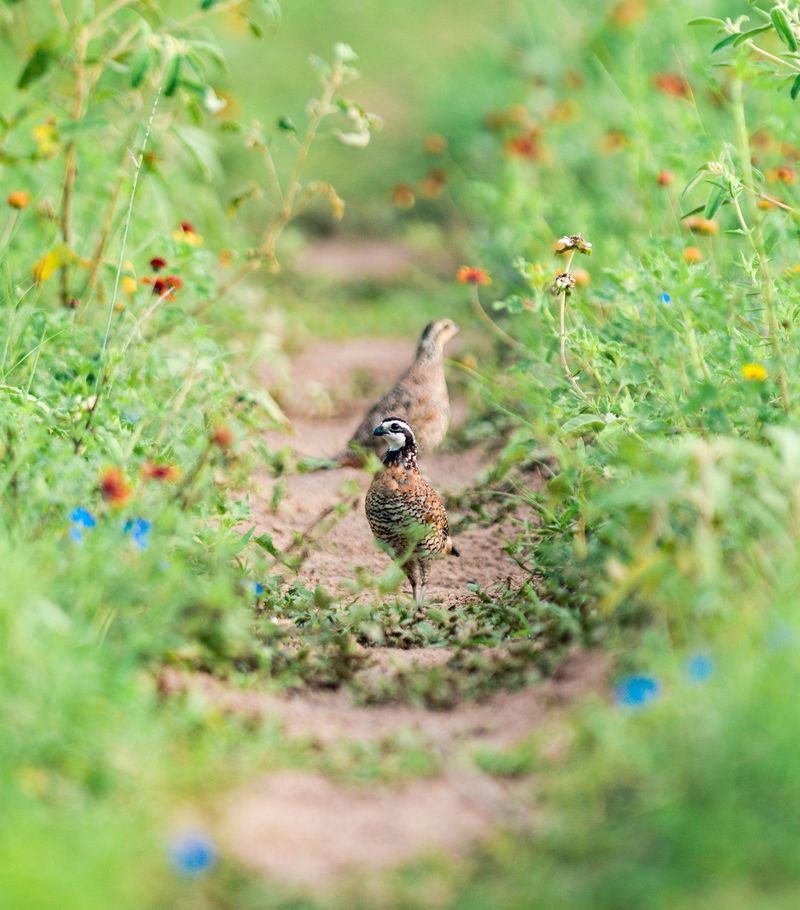
If there is one idea worth taking from Texas quail guidance, it is that habitat is a patchwork. Quail need different resources close together, and no single plant or feeder supplies all of them.
TPWD’s bobwhite management guidance describes a mix of food, nesting cover, and woody escape cover arranged near one another.
In homeowner terms, picture four ingredients. Seed-bearing wildflowers and other forbs supply food.
Clumpy native grasses offer nesting cover. Patches of open or lightly covered ground let birds walk and forage.
Low brush nearby gives them a place to duck when something overhead looks threatening.
This is very different from a uniform lawn, and also different from a thick, wall-to-wall stand of tall grass. TPWD’s follow-up guidance notes that dense growth can get in the way of movement, so more grass is not automatically better.
The practical feature you can create is a small, less-manicured patch that blends these pieces, ideally beside shrubs or brush you already have. The South Texas bobwhite manual is written for large rangeland, so think of your patch as a modest contribution to habitat.
It will not guarantee that quail visit.
Seed Is Part of the Menu, but Not the Whole Habitat
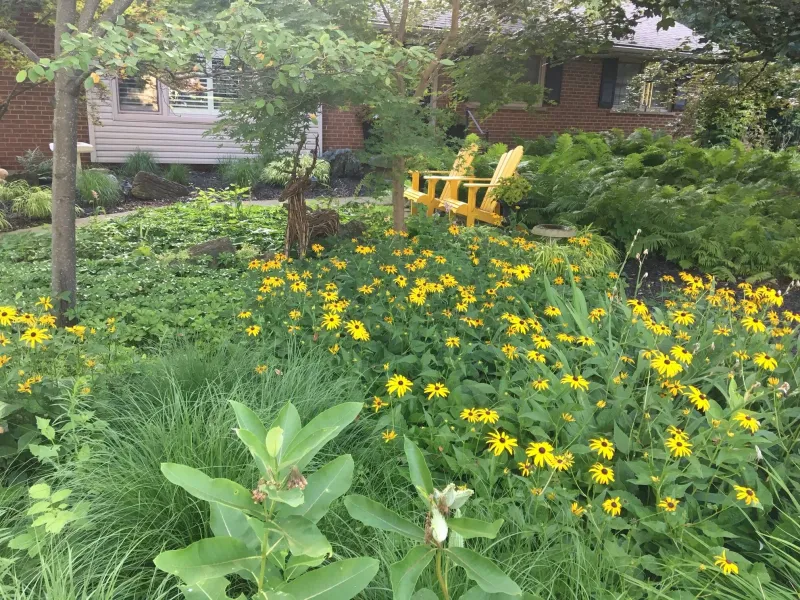
Seeds get the attention, but they are only one part of a bobwhite’s year. Forbs and other plants supply seed, while insects are an important food, especially for young birds.
According to TPWD’s Pineywoods guidance, grass clumps are used for nesting, and brushy cover provides escape, loafing, and roosting sites.
That is why a bed of seed-bearing plants alone falls short. Picture a lone patch of seed heads in the middle of a mowed lawn.
A bird feeding there has no grass to nest in and no brush to dash into if a hawk appears.
Now picture the same seed plants growing beside bunchgrass clumps and a hedge of low shrubs. Food, nesting cover, and escape cover sit within a short walk.
Insects tend to be more available in varied, plant-rich ground than in short turf, which matters when chicks need protein.
The same logic applies to feeders. A feeder supplies one thing and none of the cover.
TPWD’s second Pineywoods guide stresses that these resources need to be arranged together.
So when you add seed plants, ask where the cover is. If the answer is nowhere close, adjust the location before adding more plants.
Keep Grass Clumps and Open Ground Together
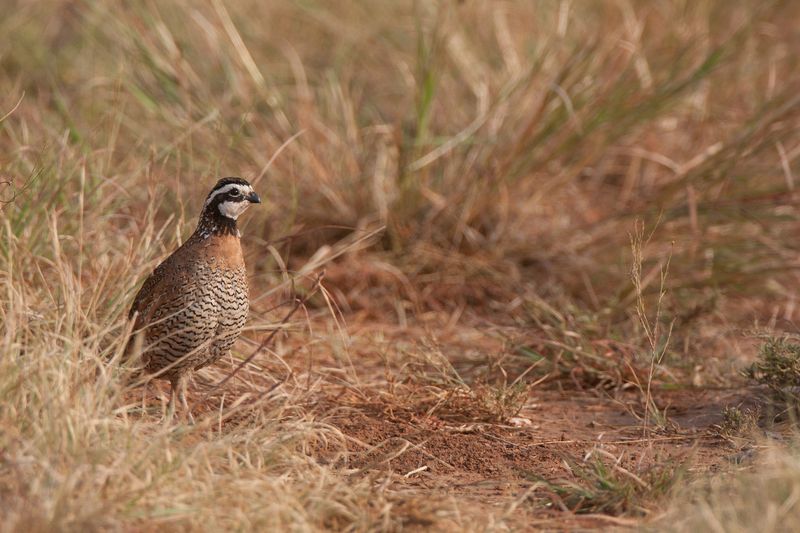
Letting grass grow tall everywhere is not the same as building habitat. Bunchgrasses grow in distinct tufts, and the gaps between them matter as much as the tufts themselves.
Quail nest in the clumps, but they also need ground that is open or lightly covered so they can walk and forage.
TPWD describes habitat with substantial bare or lightly covered ground interspersed with vegetation, in its South Texas management manual. A dense, uniform stand blocks that movement, even if it looks wild and natural.
Field managers use some numbers, such as residual grass clumps at least 8 inches tall and 12 inches across, outlined in TPWD’s bobwhite guidance. Those are benchmarks for managing large acreage, not yard requirements.
They are handy for picturing the structure, but meeting them does not promise any visits to a residential lot.
The visible feature to aim for is a mosaic. Walk your patch and look at it from bird height.
You want tufts of grass with little lanes of soil or sparse growth between them, not a solid green carpet and not bare dirt.
If everything in your patch has grown together into one mass, thinning some of it to restore gaps moves it closer to the structure described.
Choose Plants and Cover for Your Part of Texas
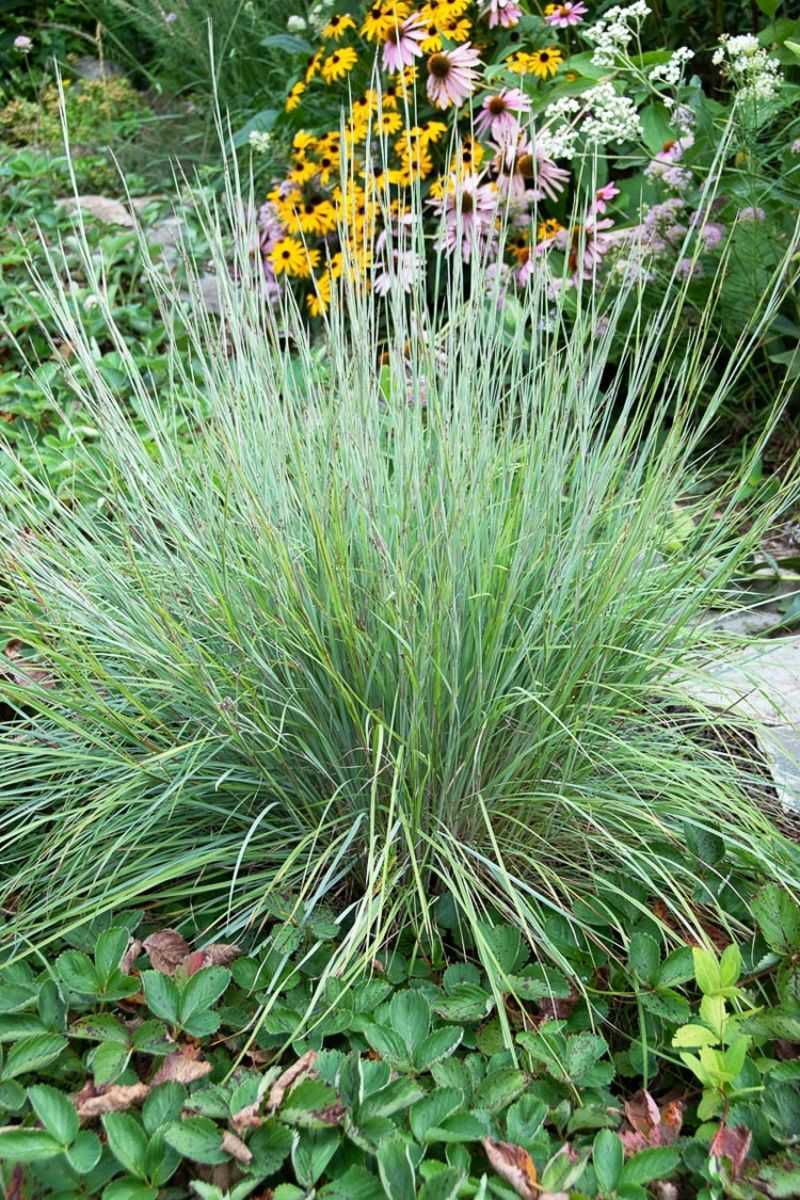
Texas is too big for one plant list. Habitat, rainfall, and even which quail live nearby change from the Panhandle to the Rio Grande to the Pineywoods.
The TPWD quail pages show how the species and their needs vary by region.
For placement, a simple rule works almost anywhere: put your less-manicured patch next to shrubs or other low cover you already have. That keeps escape cover within easy reach of the food and grass you add.
For plant choices, match your region. In the Hill Country, TPWD identifies bunchgrasses such as little bluestem as nesting cover.
That is a Hill Country example, not advice to plant little bluestem everywhere. A yard in East Texas or the coastal plains may call for different native grasses and forbs.
Regional suitability also varies. TPWD notes in its Pineywoods guidance that the Pineywoods are not generally as suitable for quail as some other regions.
In that setting, a yard patch may simply support other wildlife.
A good next step is to contact your county AgriLife Extension office or a local native plant society. Ask which native bunchgrasses and seed-producing forbs fit your soil and rainfall, and buy from nurseries that grow regional natives.
Maintain the Patch Without Routine Blanket Clearing
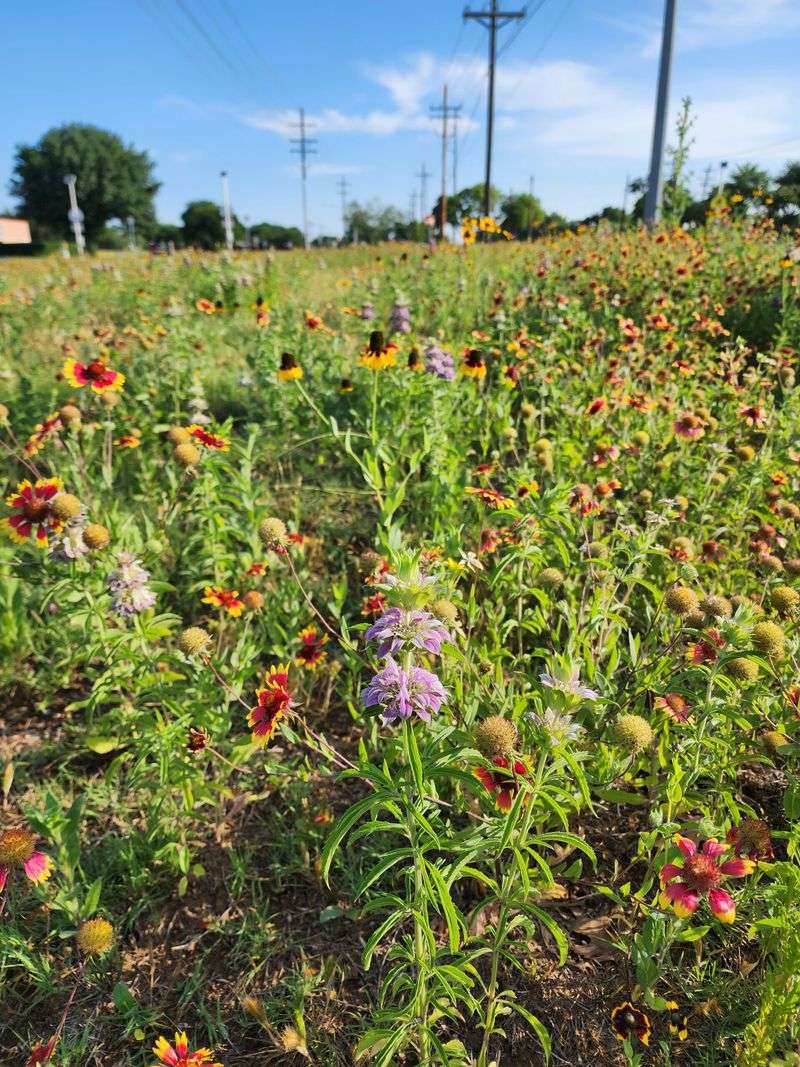
Once your patch is growing, the biggest threat is often the mower or the sprayer. Routine blanket mowing flattens clumps, scalps open ground, and removes seed heads in one pass.
Herbicide can wipe out the forbs and insects the patch exists to provide.
TPWD’s bird habitat guidelines suggest delaying spring mowing where possible, avoiding mowing at night, and not mowing or spraying uncultivated areas. Mowing a clean edge or path around the patch keeps the yard looking tidy while leaving the habitat structure alone.
You will not find a single safe mowing date for all of Texas here, because there isn’t one. Bobwhite nesting timing varies by region, as covered in the Forest Service species review.
Local wildlife biologists or extension agents can tell you when nesting season runs in your area.
Upkeep is mostly about restraint. Pull out invasive plants by hand rather than spraying the whole patch.
If grass has knitted into a solid mat, thin selected sections instead of clearing everything at once.
The goal is to preserve the mix of clumps, seed plants, and open ground. How birds respond is up to the birds.
A Yard Patch Can Help Without Guaranteeing a Covey
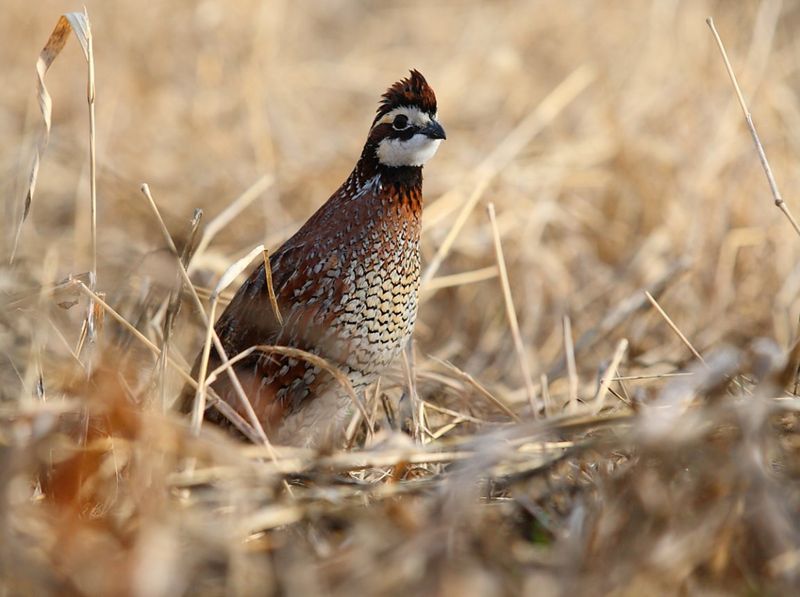
The useful feature here is a connected mix: seed plants, clumpy grass, open ground, and brush close by. As TPWD guidance frames it, that kind of mix is one piece of habitat, and a yard can contribute only a small share of it.
Quail numbers rise and fall with rainfall, vegetation, and conditions across entire regions, as the TPWD quail forecast shows year to year. Even large-scale South Texas management works with those swings.
So build the patch for the habitat it offers, and enjoy any covey that wanders through as a bonus.