
Fall in Texas finally brings cooler mornings, and that is when most of us haul out the rakes, pull old mulch, and move those woodpiles we ignored all summer. The trouble is that many venomous critters love the same leaf piles, stacked boards, and shady corners we are about to disturb.
Knowing who might be hiding under that pile of oak leaves can save you a painful sting, a nasty bite, or a trip to urgent care. Here are the ten you are most likely to meet, plus simple ways to clean up safely.
1. Striped Bark Scorpion
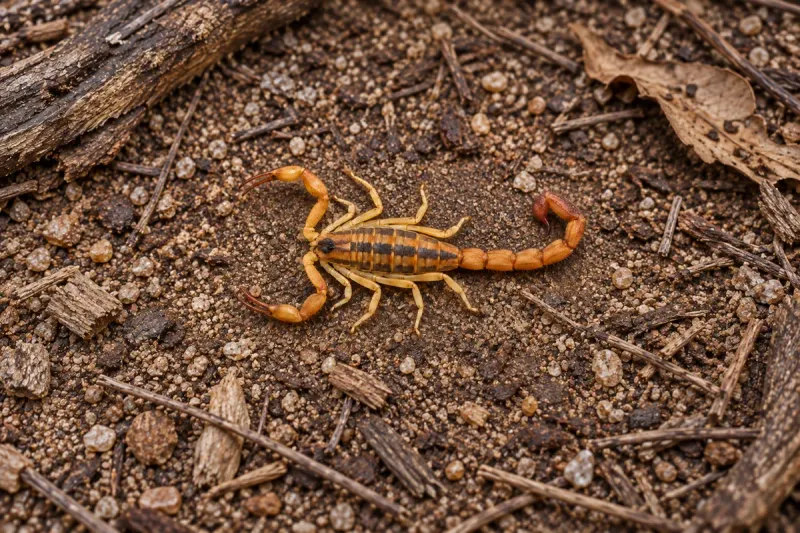
Flip over a single landscape timber in Central Texas and there is a fair chance one of these tan, two-striped hunters will scramble out. The striped bark scorpion is the most common scorpion in the state, and fall cleanup puts your hands right where it likes to hide.
They tuck into woodpiles, loose bark, stacked pavers, and the gaps under potted plants. Their sting feels like a hot needle and can cause numbness or tingling for hours, though it is rarely dangerous for healthy adults.
Kids, older folks, and anyone with allergies should get checked if symptoms spread.
Wear thick leather gloves when moving firewood, and shake out boots left on the porch. A cheap UV flashlight makes them glow blue-green at night, which is a quick way to see how many share your yard.
2. Southern Copperhead
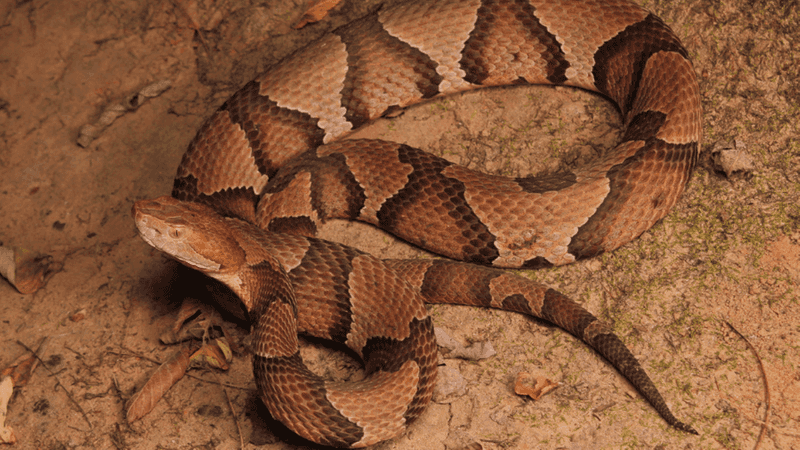
Copperheads are masters of disguise, and October leaf litter is their favorite costume. Those hourglass bands in copper and tan blend so well with fallen oak and pecan leaves that people often step within inches before noticing.
Across East and Central Texas, copperheads are responsible for more bites than any other snake. Fall is busy season for them, since they hunt mice and cicadas near homes and look for winter shelter in rock walls and brush piles.
Bites are painful and need medical care, but they are rarely deadly.
Rake with a long-handled tool instead of scooping leaves by hand. Clear brush away from the foundation, and keep a flashlight handy for evening chores, because copperheads become more active as temperatures cool after sunset.
3. Brown Recluse Spider
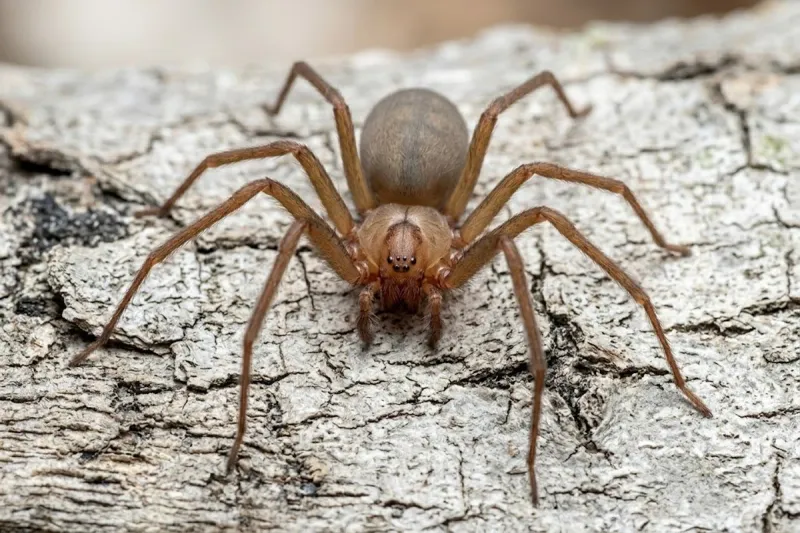
Nobody ever invites a brown recluse into the garden shed, yet it moves in anyway. Look for a small tan spider with a darker violin shape on its back and long, skinny legs.
Recluses love undisturbed spots: cardboard boxes, folded tarps, old gloves, and the inside of a potting bench drawer. Fall is when many Texans pull out holiday decorations and dig through stored supplies, which is exactly how bites happen.
Most bites heal on their own, but some can create a slow-healing wound that needs a doctor.
Swap cardboard for sealed plastic bins, and slap gloves against your leg before slipping them on. Sticky traps placed along shed walls can help you gauge whether you have a few visitors or a full colony.
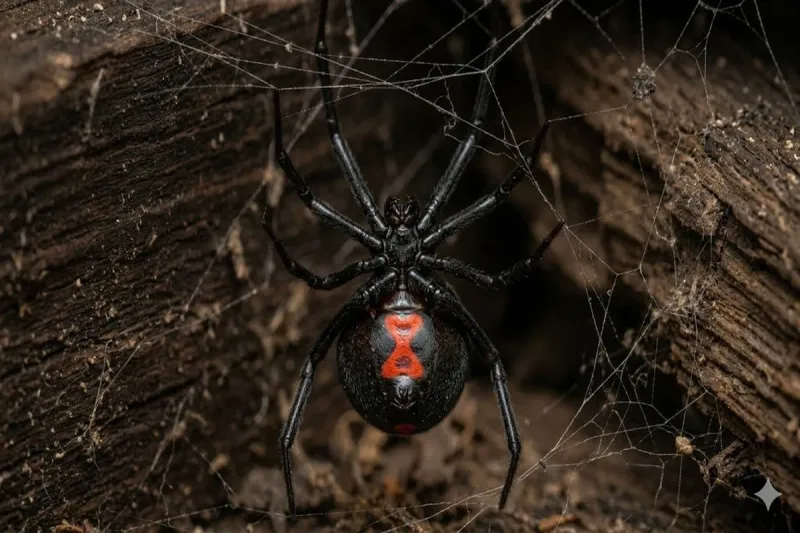
4. Southern Black Widow
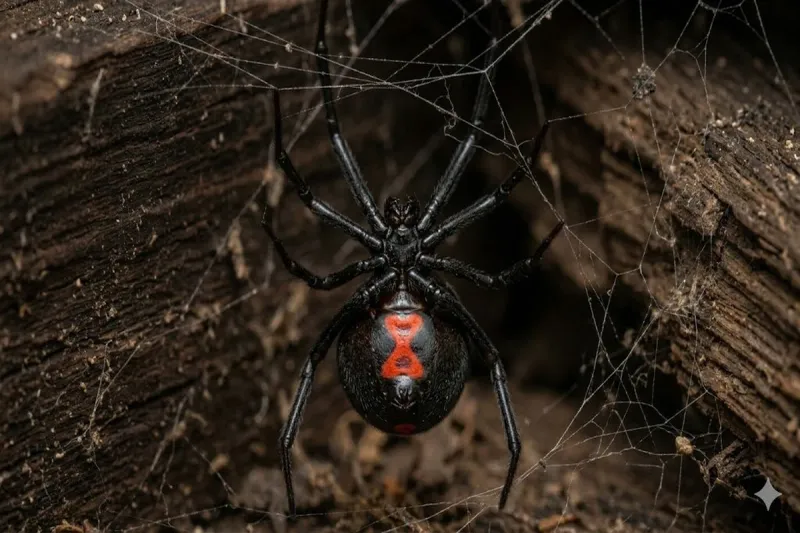
That shiny black spider with a red hourglass is one of the most recognizable critters in America, and Texas has plenty of them. Southern black widows build messy, tangled webs low to the ground, often under deck boards, inside water meter boxes, and around stacked flowerpots.
Their venom affects nerves and can cause strong muscle cramps, sweating, and stomach pain. Bites are uncommon because widows are shy, but reaching blindly into a meter box or an empty clay pot is asking for trouble.
Fall is a good time to clear old webs with a broom and store empty pots upside down in a dry spot. Look before you reach, especially around outdoor faucets and irrigation valves.
5. Red Imported Fire Ant
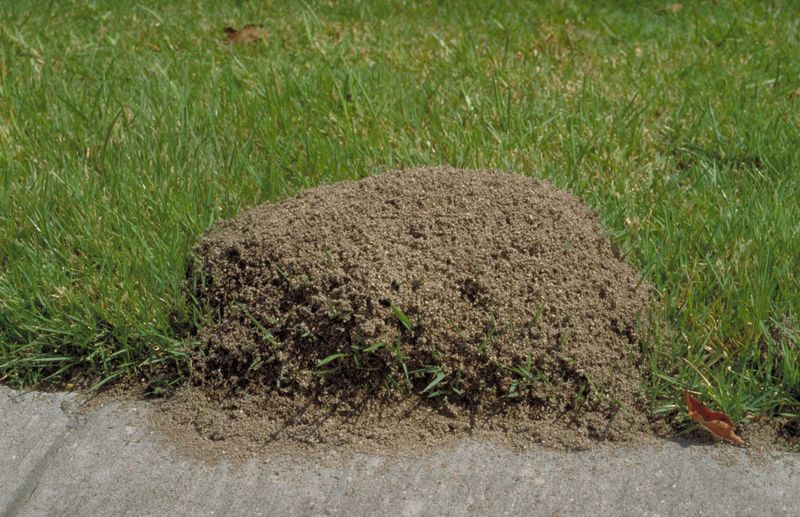
Ask any Texan about their worst yard memory and fire ants usually come up fast. Nothing turns a peaceful afternoon into a hopping, slapping dance quite like standing on a mound you did not see.
Fall rains in Texas often trigger a burst of new mounds in lawns and flower beds. When disturbed, hundreds of workers swarm out and sting repeatedly, leaving itchy white pustules a day later.
A small number of people have serious allergic reactions.
Scan the ground before kneeling to weed or plant fall bulbs. Fall is also one of the better times to apply a broadcast bait, since ants are actively foraging.
Tuck pant legs into socks if you are working near known mounds, and rinse stings with cool water.
6. Southern Flannel Moth Caterpillar (Puss Caterpillar)
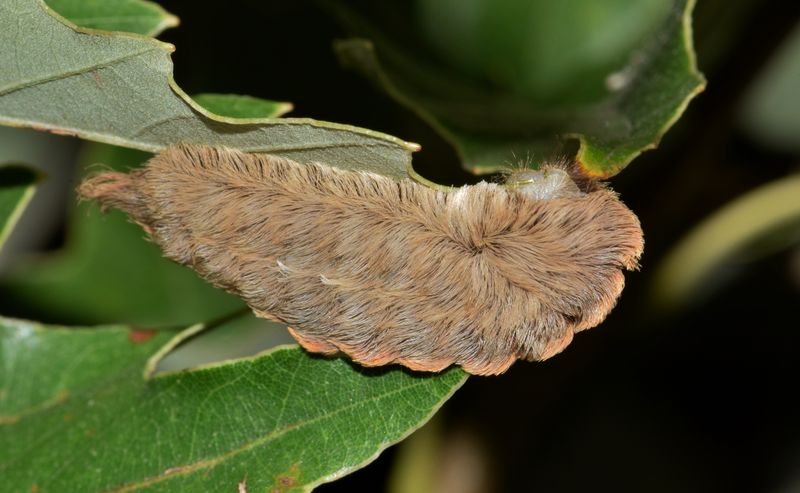
It looks like a tiny toupee or a fuzzy slipper for a mouse. Kids want to pet it, and that is the problem.
Hidden under the soft fur of the puss caterpillar are venomous spines that can cause intense, throbbing pain, swelling, and sometimes nausea. Many people who have been stung say it ranks among the worst pains they have felt.
In Texas, a big second generation often appears in late summer and fall, especially on oaks, elms, and hackberries.
Wear gloves when pruning shrubs or picking up fallen branches, and teach children not to touch fuzzy caterpillars. If stung, use tape to lift spines from the skin, then wash gently and call a doctor if symptoms grow worse.
7. Western Diamondback Rattlesnake
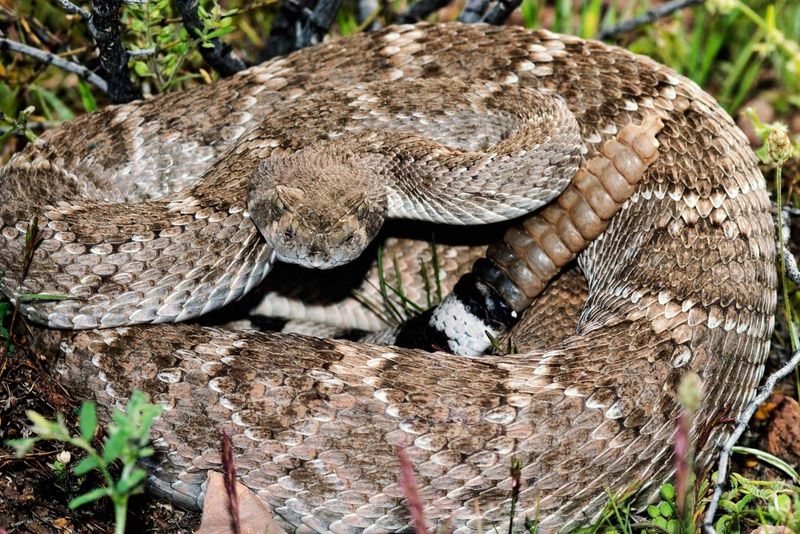
Few sounds stop you in your tracks like a rattle buzzing from the brush. The western diamondback is the largest and most widespread rattlesnake in Texas, ranging from the Hill Country to the Panhandle and down into South Texas.
In fall, diamondbacks travel toward winter dens and may cross yards on the edge of open land. They often rest near rock borders, brush piles, and sheds where rodents gather.
Bites are a true medical emergency, so call 911 and get to a hospital right away.
Keep grass trimmed short near paths, and remove junk piles that attract rats. Fun fact: a rattlesnake adds a new rattle segment every time it sheds, so counting segments does not reveal its age.
8. Texas Coral Snake
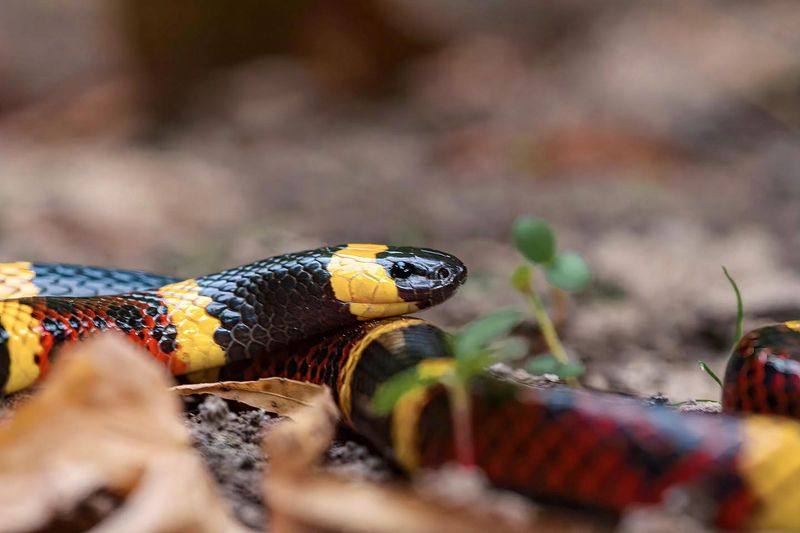
Red touches yellow, watch out, fellow. Generations of Texans grew up with that rhyme, and it still works for the Texas coral snake.
Bright bands of red, yellow, and black make it look like a toy, but its venom is powerful and affects the nervous system. Coral snakes spend much of their time burrowing in mulch, leaf litter, and loose soil, so gardeners turning beds in fall are among the few people who ever meet one.
Bites are rare and the snake is shy, yet any bite needs emergency care even if it seems minor.
Use a hand rake or trowel instead of bare fingers when digging through thick mulch. If you spot one, simply step away and let it move along.
9. Texas Redheaded Centipede
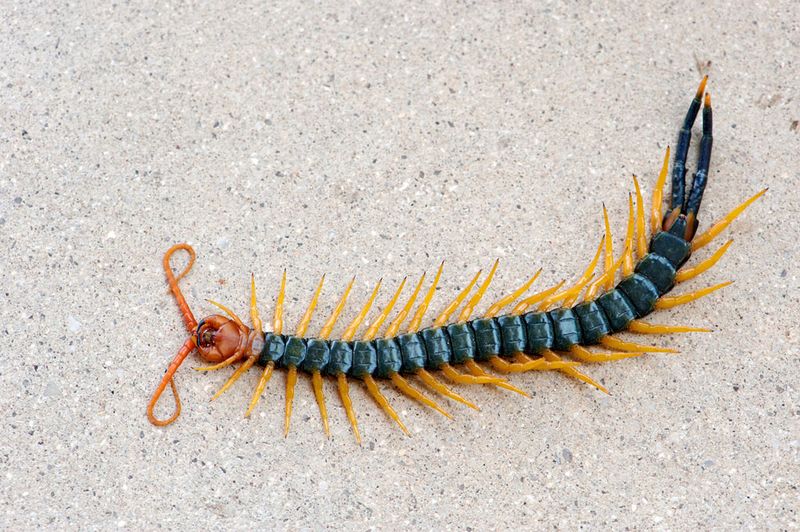
Picture something nearly eight inches long, with a red head, a black body, and bright yellow legs. Now picture it racing out from under a flower pot you just lifted.
Meet the giant redheaded centipede.
It is one of the largest centipedes in North America and lives across much of Texas. Its bite, delivered by fang-like front legs, causes sharp pain and swelling that usually fades within a day.
It is not typically dangerous, though it certainly gets your attention.
The upside is that centipedes eat roaches, crickets, and other pests. Gloves and a slow approach when moving pavers or stones keep surprises friendly.
10. Paper Wasps and Yellowjackets
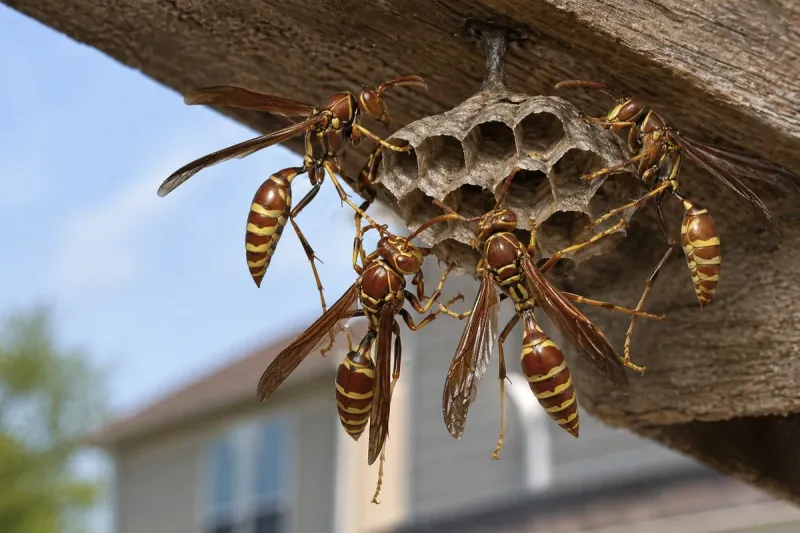
By October, wasp colonies in Texas have reached their biggest size all year, and their tempers seem to match. Paper wasps hang open, umbrella-shaped nests under eaves, shutters, and porch ceilings, while yellowjackets often nest underground or inside hollow walls.
Trimming hedges or mowing over a hidden yellowjacket nest can trigger a fast, multi-sting attack. Yellowjackets also crowd around sweet drinks and fallen fruit at outdoor gatherings this time of year.
Walk your yard and check eaves before heavy pruning. Treat nests at dusk when wasps are calm, or call a pro for anything large or underground.
Anyone allergic should keep their epinephrine pen nearby during cleanup days.