

Right when many Texas beds start to look tired, one purple-flowered perennial is just getting going. Fall aster can spread on its own through creeping stems, so a single plant may slowly turn into a fuller patch.
There is no magic planting date and no promise of a bigger clump every spring. Here is how to decide if it fits your yard and how to give it a good start.
Fall aster can spread, but not on a fixed schedule
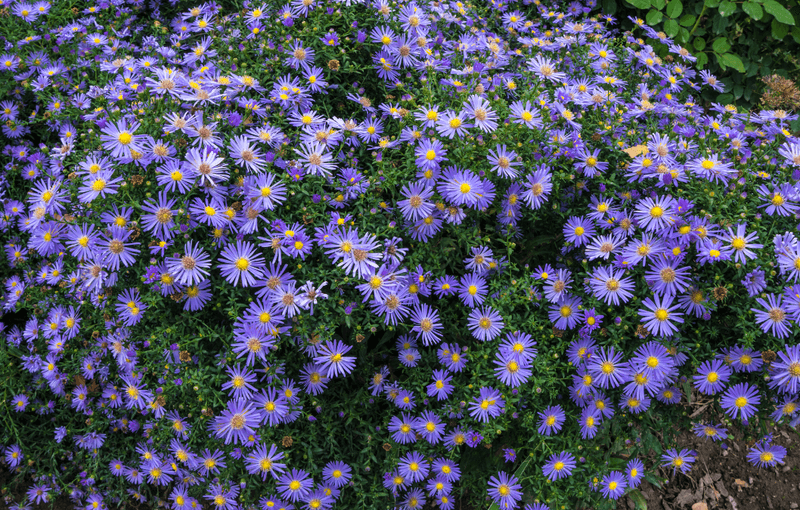
Fall aster, also called aromatic aster, goes by the botanical name Symphyotrichum oblongifolium. Older plant books may list it as Aster oblongifolius, so keep both names in mind when you shop or search.
The plant is a perennial that returns from its roots year after year. According to the USDA fact sheet, it colonizes by stolons.
Stolons are horizontal stems that creep along the ground and can root, forming new plants beside the original.
That habit is why fall aster fits a story about a patch that fills out. Austin’s plant guide describes it as a colonizing Texas native that is easy to control, which tells you it spreads but is not a runaway.
Here is the honest part. Stolons make spreading possible, but nobody can tell you how fast it will happen in your yard or that it will grow larger every spring.
Soil, sun, water, and how you prune all play a part, so think of a fuller clump as a bonus that may arrive gradually, not a schedule you can set your calendar by.
Autumn is a planting option, not a Halloween cutoff
October 31 makes a catchy deadline, but no plant source sets it for fall aster. The USDA says this perennial can be transplanted in spring or autumn, so you have more than one good window.
Fall is a sensible choice for many Texas yards. Texas Parks and Wildlife notes that fall is usually the best time to plant, and it also tells gardeners to think about what makes sense where they live.
Cooler air and softer sun are easier on new roots than a July afternoon.
Spring planting is still on the table if you miss the autumn window or simply find a plant you like later. Texas is huge, so a Panhandle garden and a Gulf Coast garden will not follow the same calendar.
One mix-up is worth avoiding. A potted nursery plant is a transplant, while wildflower seed is sown.
The fall seeding advice from Texas Parks and Wildlife is about native wildflower seeds, so do not treat it as a deadline for planting potted perennials.
Choose a suitable site and leave room for spread
Start with light and soil. The USDA lists full sun to partial shade, and well-drained soils that range from moist to dry.
A spot that drains after a heavy rain is a better bet than a low corner where water pools.
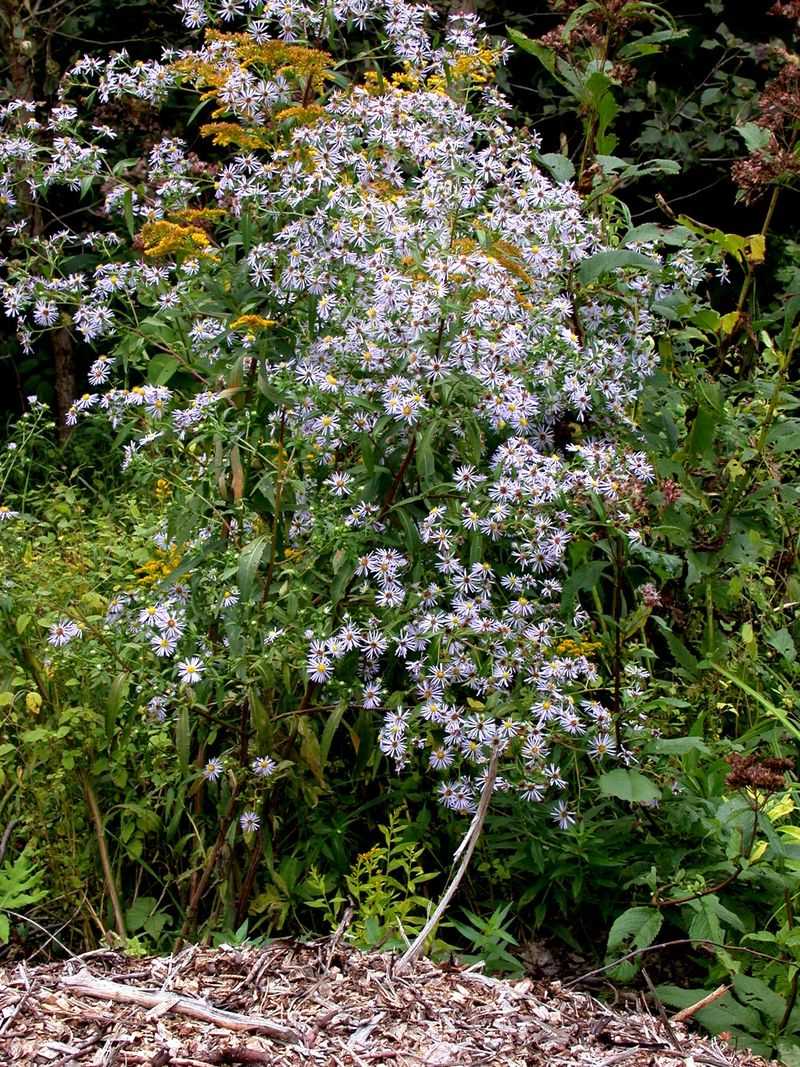
Then think about elbow room. Austin’s guide reports a typical spread of 2.5 to 3 feet, and stolons may add to that over time.
Keep it away from small, delicate neighbors that could get crowded.
A bed edge with a path, a driveway strip, or a border beside sturdy natives gives it space to wander. Setting it a few feet from the nearest plant is a simple way to avoid regrets later.
Finally, check where fall aster belongs. Austin’s guide identifies it as native to the Edwards Plateau, which does not mean it is native across all of Texas.
Use the Native Plant Society of Texas database and your local ecoregion guidance to see whether it suits your area before you buy.
Monitor moisture while a new plant establishes

A tough reputation can trick gardeners into walking away too soon. The Native Plant Society of Texas says fall aster needs little water once established, and that word matters.
A plant fresh from a nursery pot has not yet grown roots out into the surrounding soil.
Right after planting, check the root ball. The potted soil can dry out faster than the native soil around it, even when the bed looks damp.
Push a finger a couple of inches down near the plant. If it feels dry, water slowly and deeply so the moisture reaches the roots.
Texas weather can swing between warm, dry spells and sudden rain, so skip a fixed watering schedule. Collin County Master Gardeners recommend matching plants to site conditions and monitoring newly planted root balls during dry spells.
Let the weather and your soil guide you, then ease off as the plant settles in.
Purple blooms bring fall color

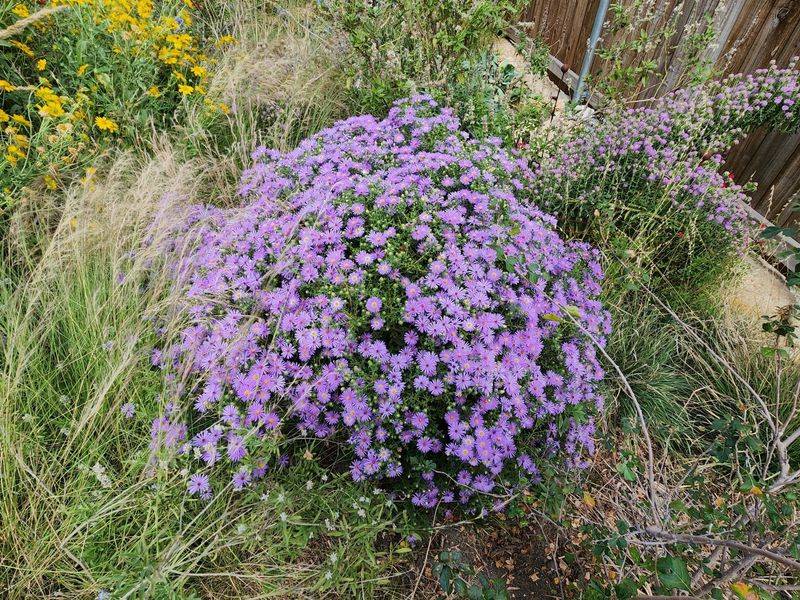
Picture a mound of small purple daisies glowing against dry October grass. That is the fall aster payoff, and it has nothing to do with how far the plant spreads.
The USDA lists flowering from September through November. It describes the plant as 1 to 3 feet tall, which suits the middle of a border, the front of a taller planting, or a spot along a sunny fence line.
The flowers also attract bees, butterflies, and skippers, according to the USDA. Late-season blooms can be a welcome stop for insects when many other plants have finished, though visits will vary from yard to yard.
Bloom timing can shift with weather, and the plant may flower earlier or later than the listed window in your garden. Pair it with a few other fall bloomers or grasses so your bed has interest even if aster runs a little off schedule.
Thin or prune to keep the planting in bounds
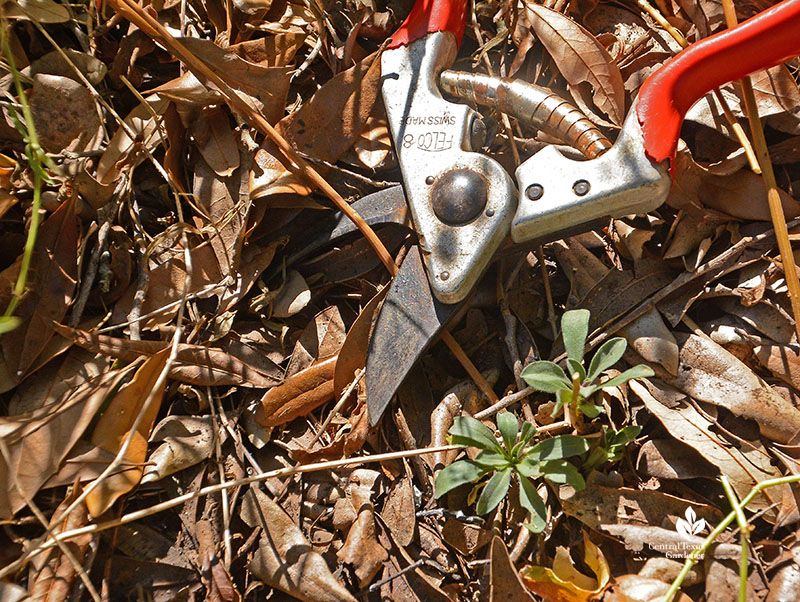
A spreading plant needs a little steering. The USDA says fall aster colonizes by stolons and recommends regular thinning, so pulling up extra shoots at the edges is part of owning it.
The USDA also suggests cutting the plant back by no more than half in mid-June to keep it dense. That keeps stems from getting leggy before the fall flowers arrive.
Austin’s guide adds that light pruning through spring and summer can keep the plant compact. Small, frequent trims are easier than one big haircut.
Thinned shoots do not have to be thrown away. You can pot them up or share them with a neighbor, as long as the roots come with a good clump of soil.
Do not expect zero upkeep. The Native Plant Society of Texas says fall aster is not deer resistant, so if deer pass through your area, you may need a fence or cage while it is young.
Not every yard has that problem, but it is worth watching.
Plan for a possible patch, not a promised timetable
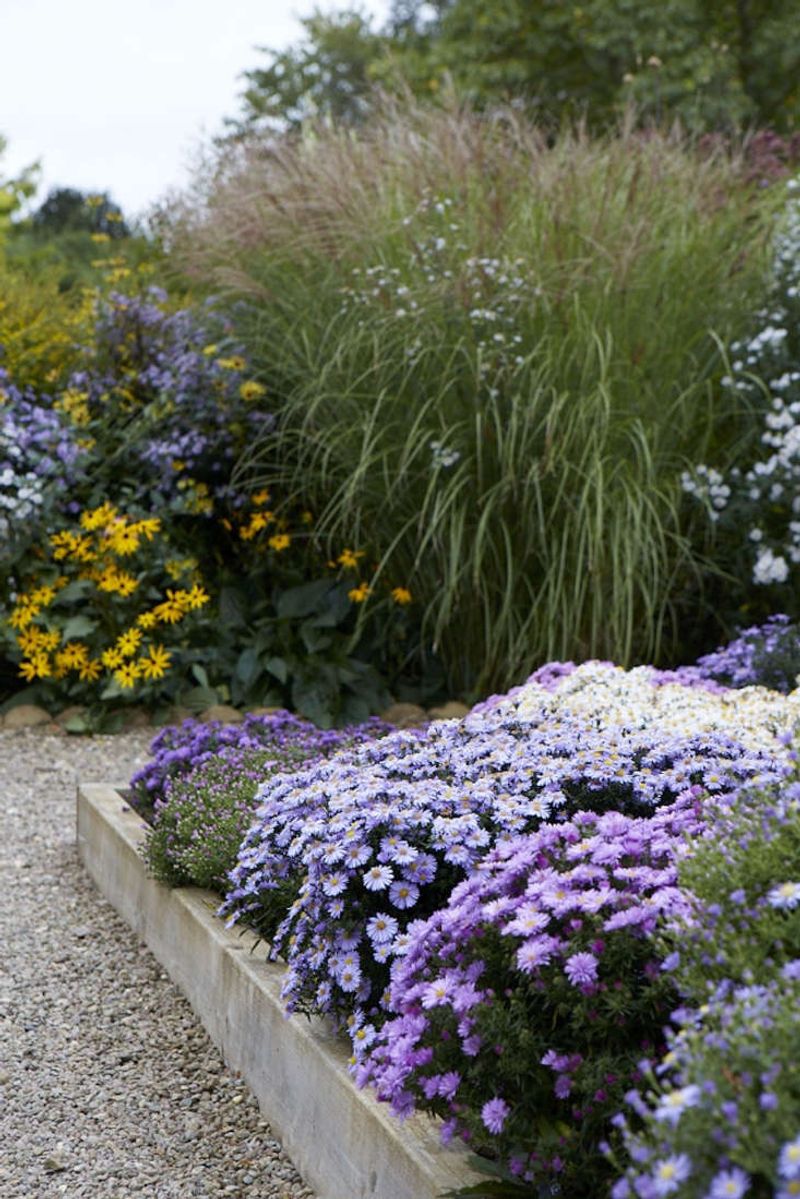
Before you buy, run through four quick checks:
First, confirm fall aster suits your local ecoregion. Second, pick a fall or spring transplant window that matches your conditions, since USDA guidance allows either.
Third, keep an eye on moisture while the plant settles in. Fourth, leave space for stolons to spread.
A fuller patch is a possible result, not a deal tied to Halloween or to every spring. Some years you may see more new shoots than others, and that is normal for a living plant.