
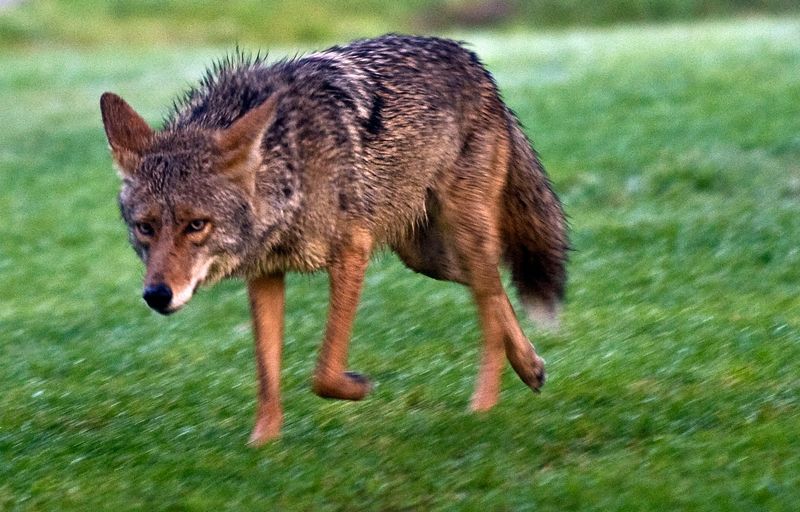
You glance out the window as the light fades and a coyote trots across the lawn like it knows the route. Seeing one can feel startling, but it is more common than many people think.
Coyotes live in cities and suburbs all over California, and a few yard habits can change how useful your property looks to them. Here is what one sighting can and cannot tell you, plus simple steps that make sense for your yard and your pets.
A dusk crossing can be ordinary coyote movement
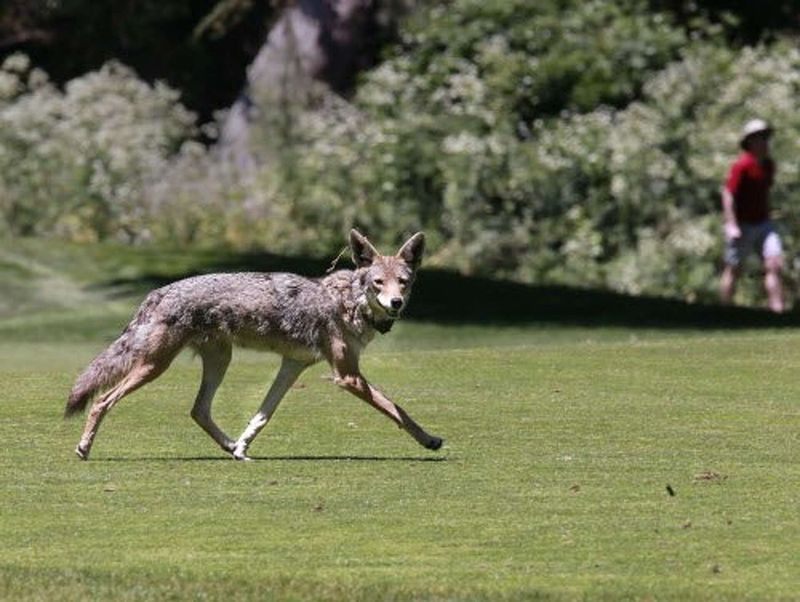
Coyotes are at home in cities and suburbs, so a sighting at the edge of your lawn is not unusual. California Department of Fish and Wildlife notes that coyotes live in urban and residential areas and generally avoid or fear people.
Dawn and dusk are common times to see them, because many animals move when light is low and streets are quieter. Still, activity varies.
UC Cooperative Extension’s Coyote Cacher program describes how city coyotes may shift toward more nighttime activity, and National Park Service coyote behavior information from the Santa Monica Mountains also points to activity that changes with place and conditions. A coyote seen at midday can be just as normal.
Here is the key point for the rest of this article. One crossing at dusk does not prove your yard attracted the animal, and it does not show the coyote has been through before.
It may simply be using your block as part of its daily travel.
That calm starting point helps. You can still make smart changes to your yard and routines, but you do not need to read a single sighting as a warning sign or a verdict on your gardening habits.
Yard resources can matter without explaining a sighting
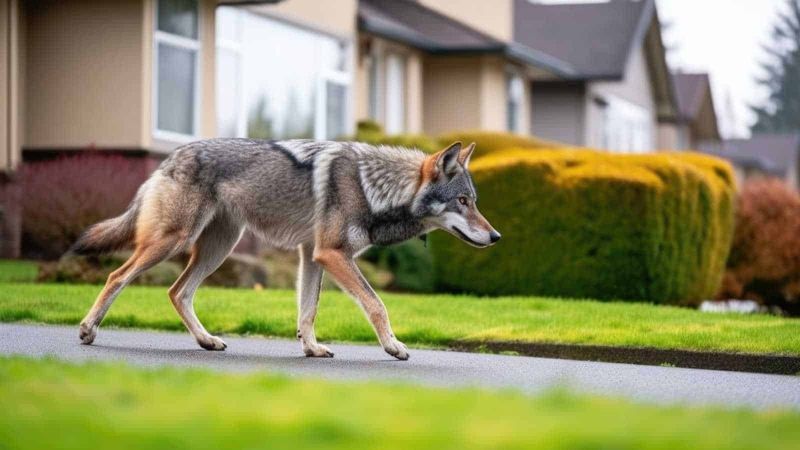
Think of a yard the way a coyote might: as a place with possible food, water, prey, and shelter. When several of those are easy to reach, a property can become more useful to wildlife.
That is different from saying any single feature explains why one coyote walked through.
Spilled birdseed is a good example. It can draw rodents and rabbits, which coyotes prey on.
Dense brush and weeds can give both prey and coyotes places to hide. UC Statewide IPM Program guidance lists these kinds of resources among the things homeowners can manage to make a property less attractive.
Local research adds some perspective. A 2023 San Francisco study looked at a decade of submitted sighting reports.
Most reports were classified as non-conflicts, while conflict reports were linked to several factors, including season, dogs, and human-provided food.
Keep the limits in mind. That study is local and built on reports from residents, so it cannot say what drives every encounter in every California yard.
It also cannot tell you why a coyote crossed yours. What it does support is a practical idea: managing the resources you control is reasonable, and it works best as a set of small habits rather than a hunt for one culprit.
Food and waste are practical places to start
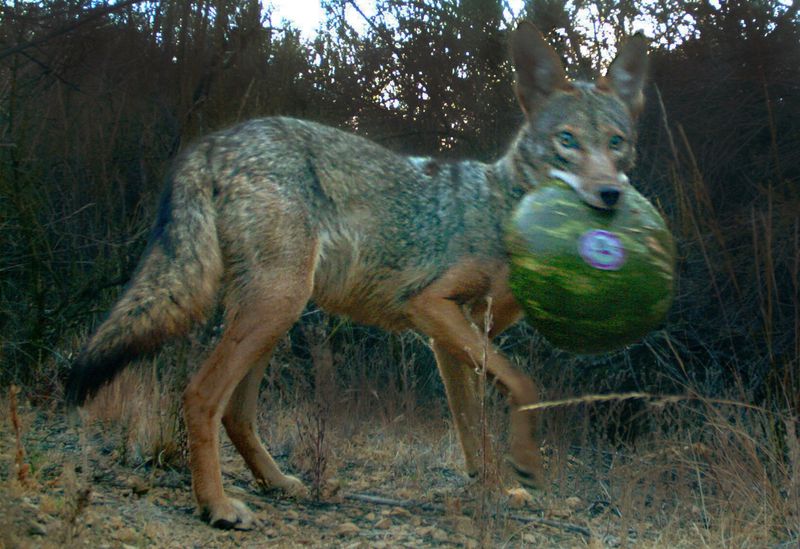
Food is the easiest resource to manage, and the steps are simple. Pick up ripe and fallen fruit from lemon, orange, fig, and persimmon trees regularly, rather than letting it pile up under the branches.
Close garbage lids tightly, and keep compost in a secured bin instead of an open heap.
Pet food is next. Feed pets indoors when you can, or pick up the dishes as soon as meals are done.
Sweep up spilled birdseed under feeders too, since it can draw the rodents and rabbits that coyotes hunt.
CDFW guidance explains that access to human food can condition coyotes to link people or neighborhoods with food, and that may contribute to bold behavior. That does not mean every coyote that finds a snack turns aggressive.
It means easy meals are not a habit worth encouraging.
The UC IPM coyote page also treats food and garbage control as a core part of reducing a property’s appeal.
A realistic expectation helps here. Cleaning up food lowers what your yard offers, and it is a good habit for raccoons, rats, and other wildlife as well.
It cannot predict or stop a coyote’s route, and a coyote may still trot past on its way somewhere else.
Manage cover and water without stripping the yard
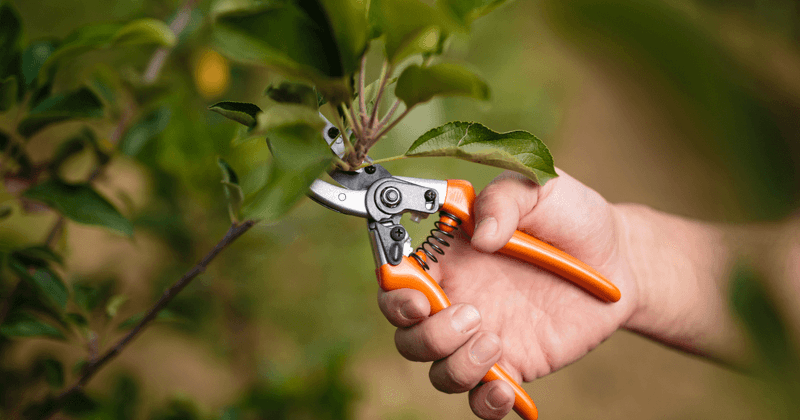
Overgrown weeds and thick brush close to the house can hide both coyotes and the small animals they hunt. The goal is a targeted trim, not a bare yard.
Clear tangled weeds near walkways, patios, and doors, and leave your healthy native plantings where they serve you well.
Selective pruning does a lot of the work. UC IPM suggests raising lower branches of shrubs and trees to about 2 feet, which opens sight lines under the plant.
You keep the shade, the flowers, and the habitat for birds and pollinators.
Water is a smaller piece of the picture. UC IPM lists eliminating or excluding coyotes from water sources as one way to reduce a property’s appeal, but that does not mean a birdbath or pond caused a visit.
If coyote trouble keeps recurring in your yard, take a look at open water, such as pet bowls or leaky fixtures, as one item on the checklist.
You do not need to drain a wildlife pond because a coyote walked by once. Moving a pet water bowl indoors at night or covering an unused container is often enough to try first.
In a state with long dry summers, plenty of animals depend on small water features, so keep what is worth keeping.
Keep pets close, especially at night

Pets are the main reason coyote sightings matter to many households, so a few routines go a long way. Stay outside with your dog or cat, even in a fenced yard.
Walk dogs on a leash, and bring all pets indoors at night.
Cats are safest indoors. Small dogs and cats are the animals most at risk when a coyote is nearby, and an indoor cat avoids that risk altogether.
A short evening check of the yard before you let a pet out is an easy habit to build.
Both CDFW and UC IPM advise supervising pets outdoors and securing small livestock and poultry. If you keep chickens, rabbits, or goats, lock them into a sturdy enclosure after dark and check the latches each evening.
None of this requires a dramatic change. Think of it as a nightly routine, like locking the front door.
It protects animals you care about, and it works whether the coyote you saw was just passing through or not.
Give a coyote room to leave
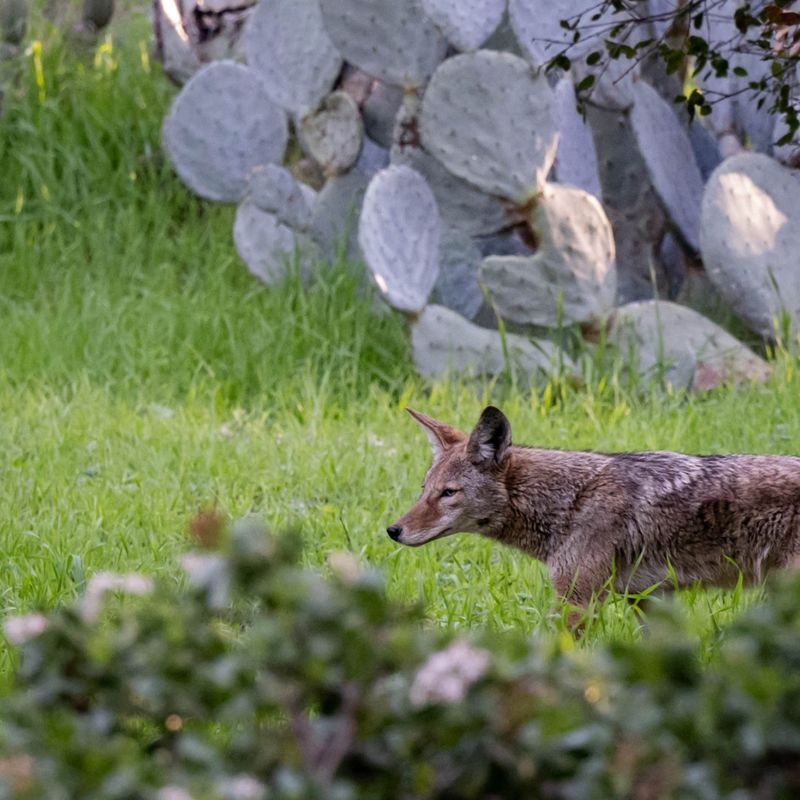
If a coyote comes toward you, stay calm and keep your distance. CDFW advises backing away slowly, keeping children and pets close, and making noise or appearing larger by raising your arms.
Then let the animal leave.
Leave it an exit. Do not run toward the coyote, walk up to it, or corner it.
A coyote with a clear path away is far more likely to take it.
Most sightings need nothing more than that. Coyotes generally avoid or fear people, so a coyote watching from across the lawn or trotting along a fence is usually just passing.
Noise and lights can send it off for the moment, but the effect may be temporary as coyotes get used to them.
Concern rises when the behavior changes. If a coyote repeatedly approaches people, acts fearlessly, or is involved in an attack, contact your local animal control or report it through CDFW’s incident system.
Details such as time, place, and what the animal did help officials respond.
Good yard habits reduce opportunities, not every crossing
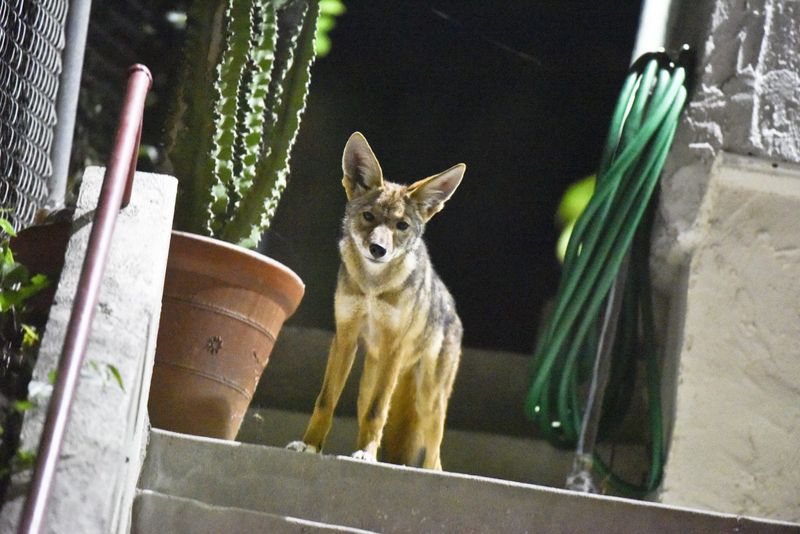
The best plan is a modest one: keep food and waste secured, trim dense cover where it counts, and look after pets. UC IPM and CDFW both point homeowners toward habits like these.
They can reduce opportunities, but a coyote may still pass through. Your yard sits inside a larger neighborhood, and that is its road too.