
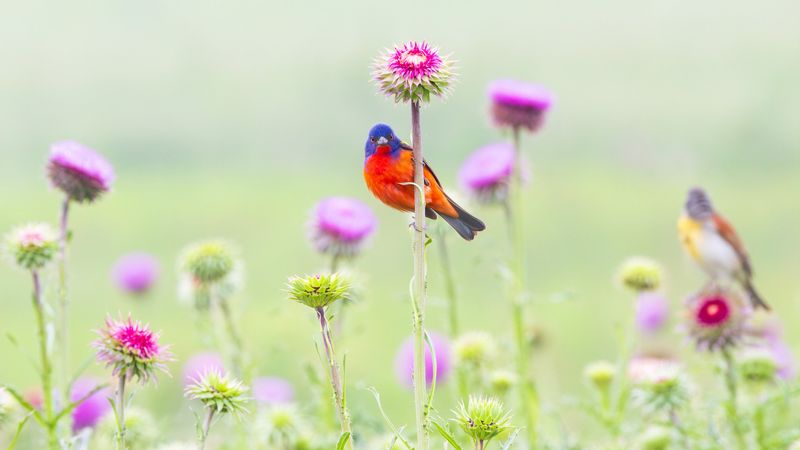
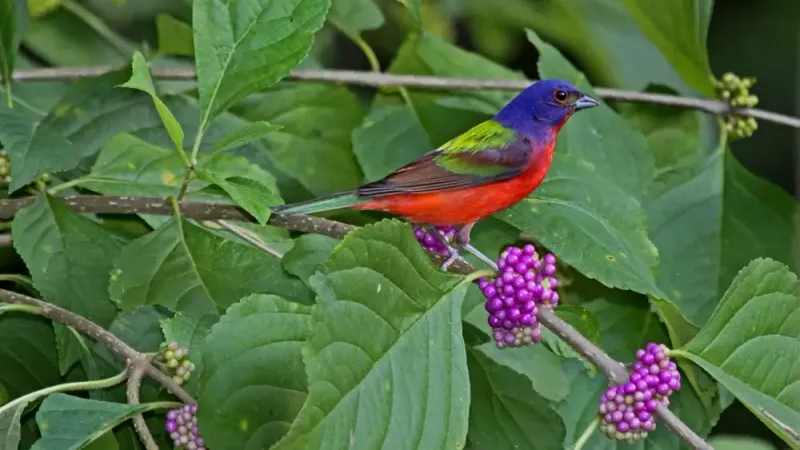
Painted Buntings look like someone dipped a tiny bird in blue, green, and red paint. Some of them spend the winter in Florida, and many gardeners wonder how to make their yards more welcoming.
The answer may not be another bag of seed. A small patch of the right plants can give these shy birds food and a place to hide, even though no yard can promise a visit.
A seed-and-cover patch supports habitat
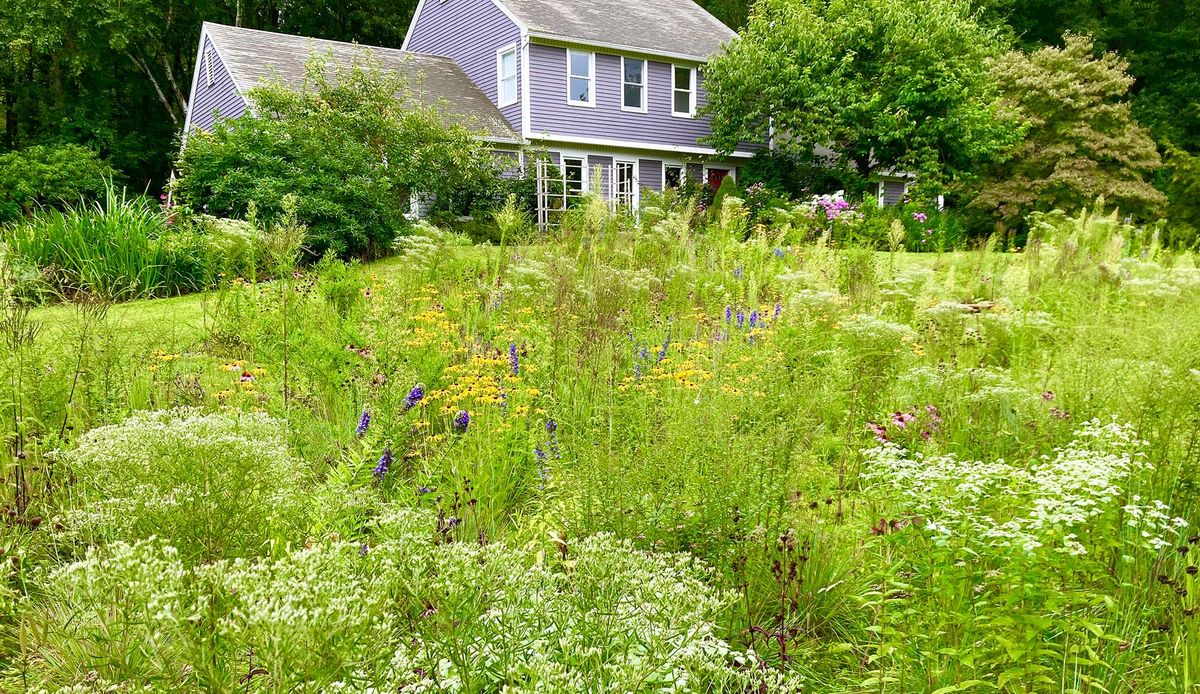
Here is the idea in one sentence: plant a small patch of seed-bearing grasses and wildflowers, let it stand, and place it next to dense, brushy cover. It is a food-and-shelter combination, not a single magic plant.
No one species has been shown to pull Painted Buntings into a yard.
The reasoning comes from how the birds live. According to Cornell Lab of Ornithology’s life history account, Painted Buntings forage on the ground for seeds, including seeds from grasses and other plants.
Florida’s wildlife agency adds that the birds use brushy open areas and backyard gardens while searching for seeds, as noted in its Painted Bunting profile.
So a seed patch gives them something to eat, and nearby brush gives them somewhere to duck out of sight. Think of it as making your yard more suitable, not as a trick for getting a sighting this winter.
Local range and the habitat around your neighborhood still matter a great deal.
The patch does not need to be big. A corner of a bed, a strip along a back fence, or a section of a side yard can work.
The goal is simple: seed on the ground and stems, with thick cover close enough to retreat into.
Why the habitat fits Florida’s wintering population
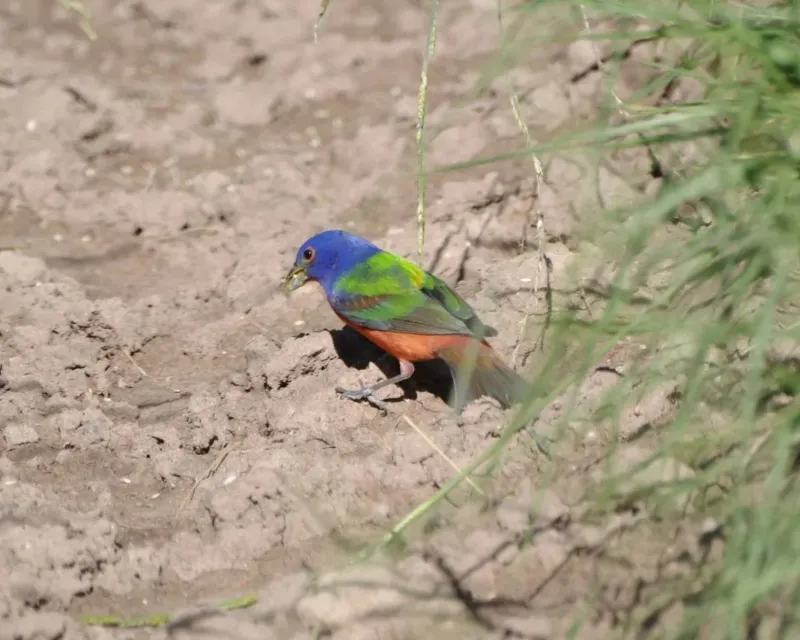
Painted Buntings are two separate breeding populations, and only one is part of the Florida winter story. The eastern population, which nests along the Atlantic coast, winters in Florida and some nearby areas.
The western, south-central population winters in Mexico and Central America, so the Florida winter idea does not apply to Texas.
Cornell’s account of Painted Bunting habitat and diet says the birds favor grassy or shrubby habitats and forage on the ground for seeds. That is a useful clue for gardeners.
Open ground with seed and thick vegetation nearby matches what the birds are documented to use.
Florida’s wildlife agency describes similar behavior in its species profile. Buntings search brushy open areas and backyard gardens for seeds.
That makes a home landscape a possible stop, especially in places where wild habitat is shrinking.
Notice what these facts do and do not say. They explain why seed and cover are sensible features to offer.
They do not prove that a particular planting will bring a bird to your yard. Whether buntings are in your area depends on where you live and what natural habitat is around you.
Choose plants for the site, not as a lure
Skip the hunt for a secret bunting plant. Nothing in the research points to one, and chasing it can leave you with a struggling plant in the wrong spot.
A better approach is to match grasses and wildflowers to your light, soil, and moisture.
Florida’s sandy, fast-draining soil rules out plants that need steady moisture. A sunny, dry corner suits different species than a damp low spot.
UF/IFAS lists many options on its Florida native plants page, which is a good place to start sorting by site conditions.
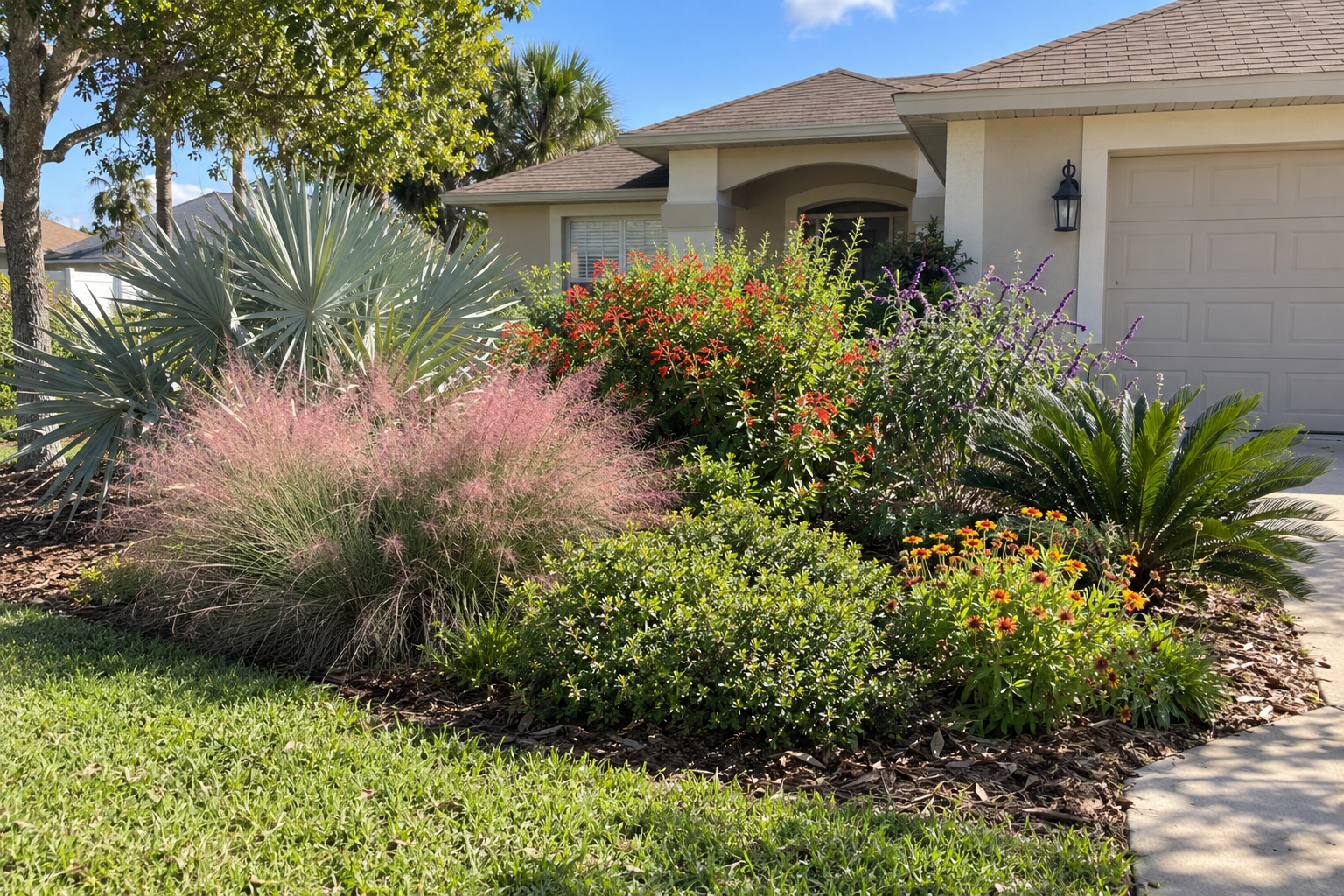
For grasses, muhly grass is one Florida-native landscape option. UF/IFAS describes it as low-maintenance in its native grasses guide.
That makes it a practical landscape pick, but it has not been shown to attract Painted Buntings.
For wildflowers, the key detail is seed. UF/IFAS notes that native wildflowers bear seeds and suggests leaving the deadheads in place, as explained in its bird-friendly plants guidance.
A mix of a few grasses and a few wildflowers that thrive in your yard beats a single showpiece.
Before buying, check each plant’s mature size, sun needs, and drainage preference, then group them so they look intentional.
Leave seed heads standing near brushy cover
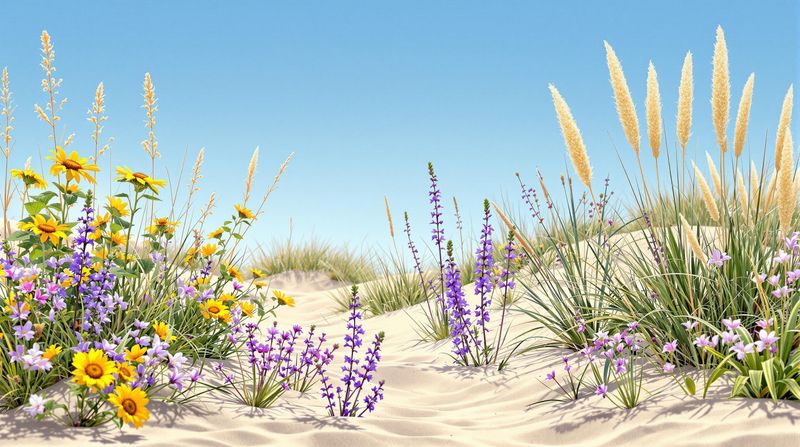
Once the patch is growing, the most useful thing you can do is less. Skip the late-season buzz cut.
Seed heads left on grasses and wildflowers are the food, and cutting them back removes it.
Painted Buntings feed on the ground, so seeds that drop and settle in the patch matter too. Cornell’s species account describes seed foraging as central to their diet.
Fruit-bearing shrubs help birds broadly, but they should not be treated as a stand-in for seed-bearing plants for this species.
Next, keep some dense, brushy vegetation close by. Buntings are documented in shrubby and grassy habitats and along brushy edges, so a thick screen of shrubs near the seed patch gives them cover.
If you already have a tangle along a fence line, resist the urge to thin it out.
A few easy habits help. Hold off on trimming until new growth begins in spring.
Leave a little leaf litter beneath shrubs. Place the patch where you can watch it from a window without disturbing the birds.
UF/IFAS also recommends leaving wildflower deadheads in its bird-friendly plants advice.
Allow new plants time to establish
Fresh plants take time, so a patch installed today is not an instant fix for this winter. The sources reviewed do not say when new plants will produce useful seed or cover for buntings.
Treat the first season as setup.
One timing number does exist, but it applies only to landscape shrubs. UF/IFAS reports that shrubs commonly need about 20 to 28 weeks to establish, and they need appropriate irrigation during that time, according to its guide on watering to establish shrubs.
That figure does not cover every grass or wildflower, and it does not predict when birds will show up.
In practice, this means the brushy cover you plant may take months to fill in. If you have mature shrubs already, protect them.
They may be worth more to your patch than anything new.
A sensible plan is to plant, water new shrubs as they settle, and be patient. Keep notes on what grows well and what struggles.
If birds visit this winter, great. If they do not, you will have a stronger habitat patch for the seasons ahead.
A clean feeder can complement the planting
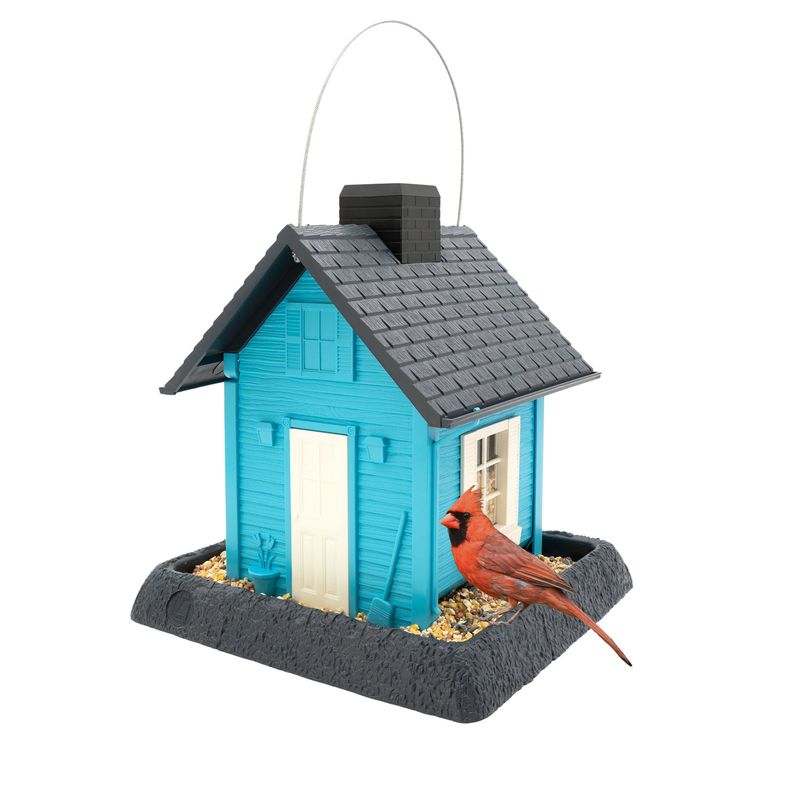
Feeders are not off the table. Painted Buntings do not avoid them, and Audubon’s Painted Bunting field guide notes that they may visit feeders in Florida in winter.
A feeder and a habitat patch simply work in different ways.
The patch offers natural seed and cover that stays in the landscape. A feeder offers a concentrated, easy-to-watch food source.
Used together, they can cover more bases, though neither guarantees a visit to your particular yard.
If you do hang a feeder, keep it clean. Project FeederWatch recommends cleaning seed feeders about every week or two, and more often in wet weather or when many birds use them, as described in its guide to cleaning feeders.
Pathogens can spread at dirty or crowded feeders.
Florida’s humidity and summer-style rain can speed up mold, so check seed for clumping and damp spots. Tidy the ground beneath the feeder too, raking up old hulls and spoiled seed.
A clean setup keeps birds healthier and keeps your yard welcoming.
Build habitat without promising a sighting
Keep it simple: add or protect seed-bearing grasses and wildflowers, leave the seed heads standing, and hold onto brushy cover nearby, as Cornell’s habitat notes and UF/IFAS guidance point toward.
You are improving a yard, not placing an order for a bird. Some years it pays off with a flash of color, and every year it helps other wildlife.
Sometimes the best birdwatching starts with leaving a corner a little wild.