
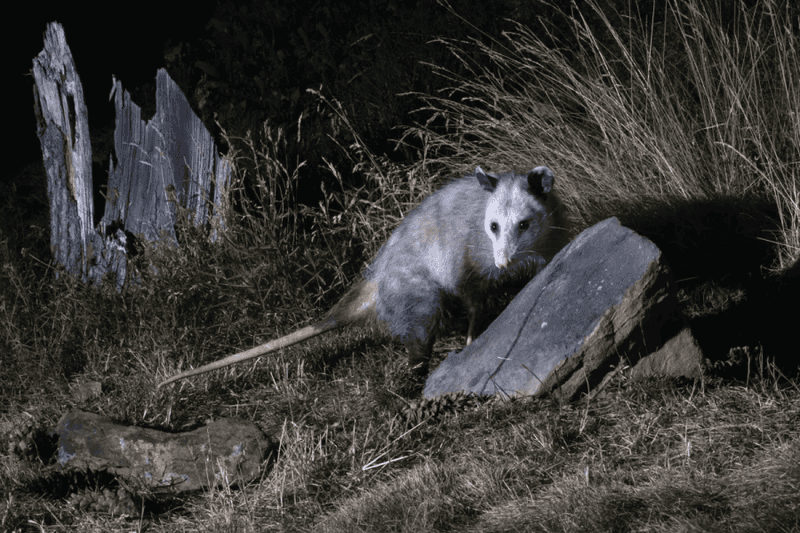
You head out at dusk and spot a gray, pointy-nosed animal slipping under your deck. Many California gardeners wonder if it is a pest, a helper, or both.
You may have heard that opossums gobble up ticks and snails. Here is what the research actually says, and what you can do about it.
Why does it keep returning beneath the deck?
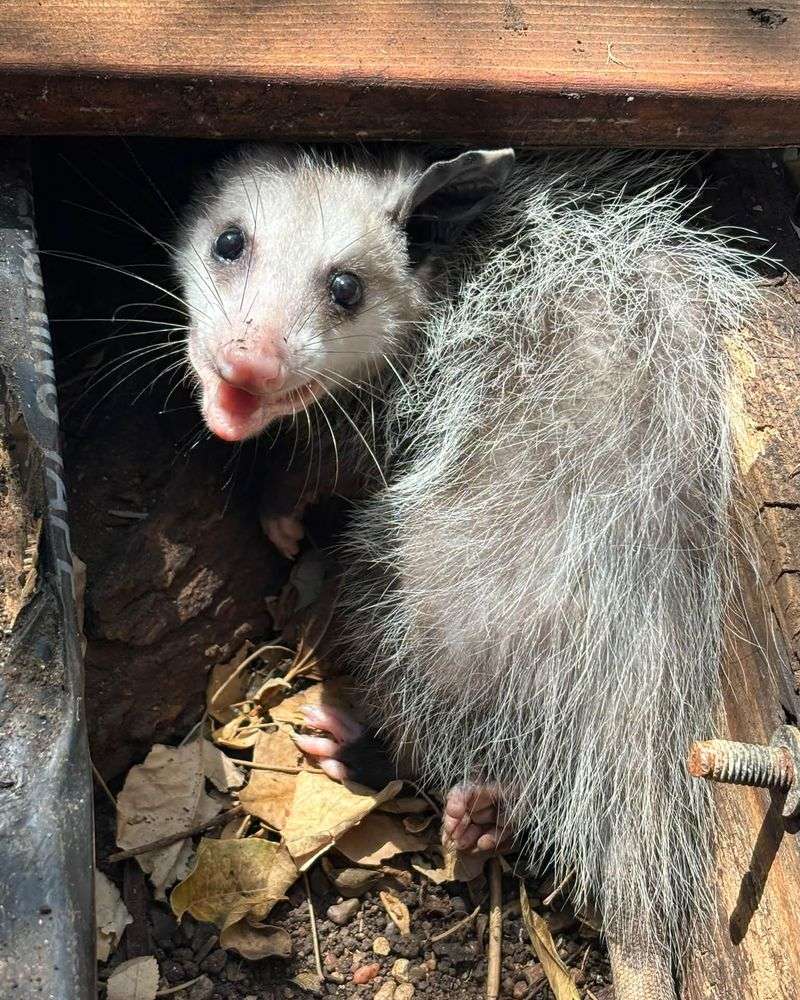
A dry, shaded gap under a deck is like a ready-made bedroom. UC IPM reports that opossums commonly den under decks, porches, and sheds, because those spots are sheltered and out of sight.
So repeat visits most likely mean the animal found a safe place to rest. They do not show that it picked your yard to hunt garden pests.
A deck that is close to food, water, or cover simply makes the spot more appealing.
Opossums are nocturnal, so you may only see one at night, if at all. The California Department of Fish and Wildlife describes them as shy animals that tend to avoid people.
Most would rather slip away than make a scene.
One more California detail: the opossum you see here is the Virginia opossum. It is not native to the state and was introduced around 1910.
That history helps explain why you may see one in suburban neighborhoods, but it does not change the basic reason it is under your deck. It wants a protected place to sleep, and your deck offers one.
If you notice a nest of leaves or dry grass, or smell a musky odor near the gap, that can be a clue the animal is using the space regularly rather than just passing through.
Snails are on the menu, but a yard cleanup is not guaranteed
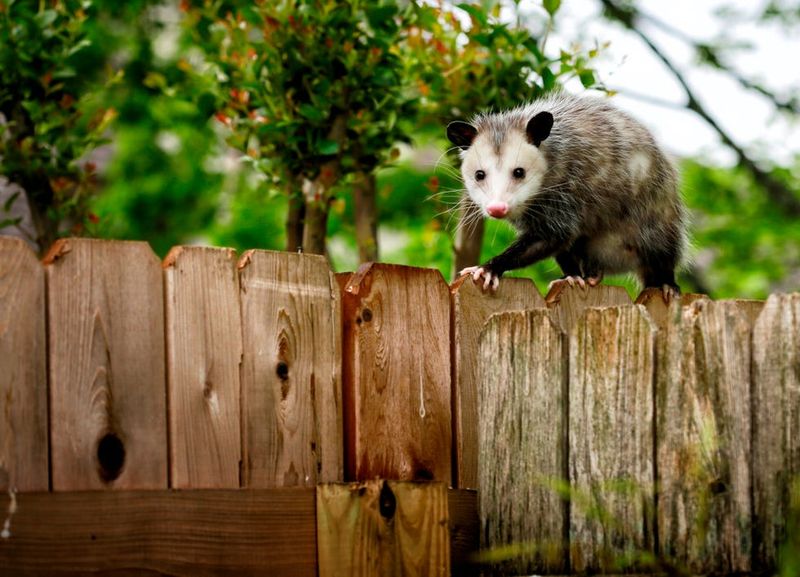
Check the foods listed in UC IPM’s opossum profile and you will find snails on it. Opossums are nocturnal omnivores, so one wandering through your beds after dark may well eat a few.
That is a diet fact, though, not a garden result. The source does not show that a single opossum shrinks a yard’s snail population, protects your plants, or takes the place of regular garden management.
Think about what that means on a damp spring night when snails are chewing through your lettuce or hostas. An opossum might snack on some, but plenty can survive.
If your seedlings are getting shredded, you still need your own plan, such as hand-picking at dusk, removing hiding spots like boards and debris, and watering in the morning so the soil surface is drier at night.
So go ahead and appreciate that snails are part of what an opossum may eat. Just do not count on the animal to protect your plants.
The tick story needs a closer look
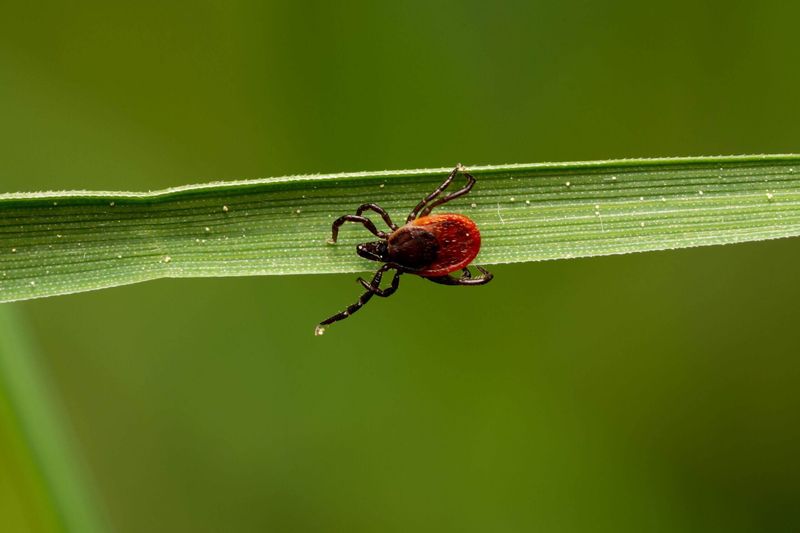
The popular idea that opossums vacuum up ticks traces back to a 2009 experiment. Researchers exposed field-caught opossums to blacklegged tick larvae under experimental conditions, and the animals killed many of them.
That result is real, but it was a controlled test. It did not measure ticks in anyone’s yard, and it did not show that opossums prevent tick-borne disease.
Then came a 2021 study that checked what wild opossums actually had in their stomachs. Researchers examined 32 wild opossums and found no ticks or tick parts.
They also reviewed 23 earlier diet studies and reported none there either.
That does not prove an opossum can never swallow a tick. It does challenge the claim that ticks are a regular part of their diet.
Put the two together and the practical message is simple. The lab-style finding shows ticks can be killed in an experiment, while the wild stomach check gives little reason to expect that from the opossum under your deck.
Neither study shows fewer ticks in a California yard or protection from Lyme or other tick-borne illness.
If ticks worry you, keep using proven habits, such as checking yourself and pets after time outdoors and keeping brushy edges trimmed back.
A possible benefit is not a pest-control plan

Here is the realistic takeaway for your yard: an opossum may eat some snails, but it is not a pest-control crew you can rely on. Treat any benefit as a bonus, not a plan.
CDFW does recognize general ecosystem services from backyard wildlife, including insect and rodent control. That is a broad statement about wildlife, and it is not proof that opossums in particular control ticks or snails.
There is also a flip side. UC IPM notes that opossums can host ticks and other ectoparasites, so having one around does not guarantee a tick-free yard.
If the animal is not causing trouble, you do not have to remove it. A quiet visitor that sleeps under the deck and moves on can simply be left alone.
What you should not do is feed it. UC IPM advises bringing outdoor pet food in by nightfall and securing garbage and compost.
Latch the bin lids, keep scraps out of open piles, and the spot becomes less of a dining destination.
Check that the den is empty before sealing it
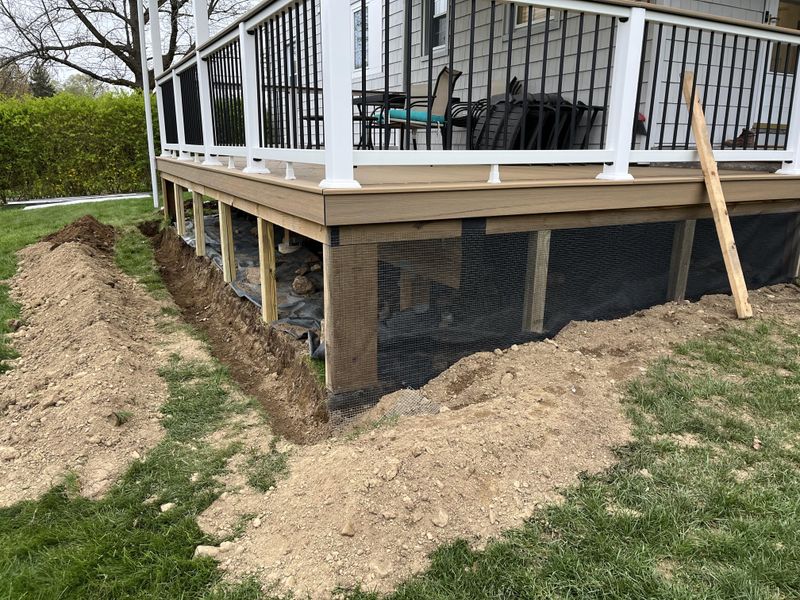
If the opossum is causing a conflict, such as digging, odors, or damage, exclusion is a reasonable choice. The order of steps matters, though, and UC IPM’s guidance starts with making sure the animal has left.
A flour tracking patch makes that easy. Dust a thin layer of flour near the opening in the evening, then look for footprints in the morning.
If you keep seeing tracks going in and out, the den is still in use.
Do not seal the opening while the animal may be inside. Young may be present, and trapping a mother or her babies underneath is both cruel and likely to create a bigger problem.
Once the flour stays clean for several nights, you can block access with 1/4-inch hardware cloth. Fasten it firmly over the gap, and bury the mesh up to 6 inches into the soil to help deter digging.
Walk the whole deck perimeter before you finish. Opossums are good at finding the one corner you missed, so check for loose lattice, rotted boards, and low spots where the soil has washed away.
California rules shape removal—and close contact is a bad idea
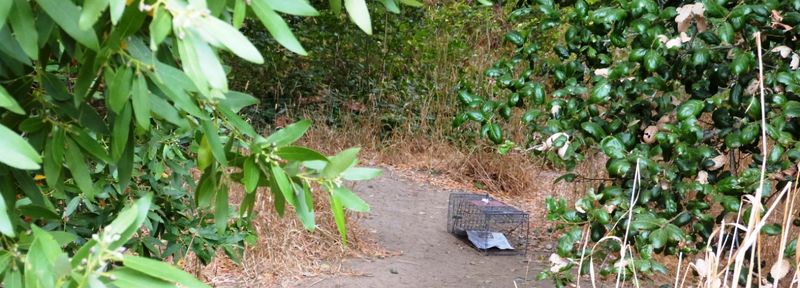
A live trap might seem like a kind solution, but it is not as simple as driving the animal to a park. CDFW says wildlife cannot be trapped and released in another location.
UC IPM also advises checking local restrictions and says relocation requires permission. Before you consider any trapping, check what your city or county allows.
Keep your hands off, too. UC IPM reports that a cornered opossum may hiss, growl, and show its teeth.
That display is defensive, and it is a sign to back away and give the animal room to leave.
If you are ever bitten or scratched, or think you may have been exposed to rabies, get medical advice promptly. CDC guidance explains when to seek care after a potential exposure.
Keep children and pets away from the deck area while the animal is there. Bring dogs in at night, and call your local animal control or a licensed wildlife professional if the situation feels beyond a simple exclusion project.
Let the evidence guide your next move
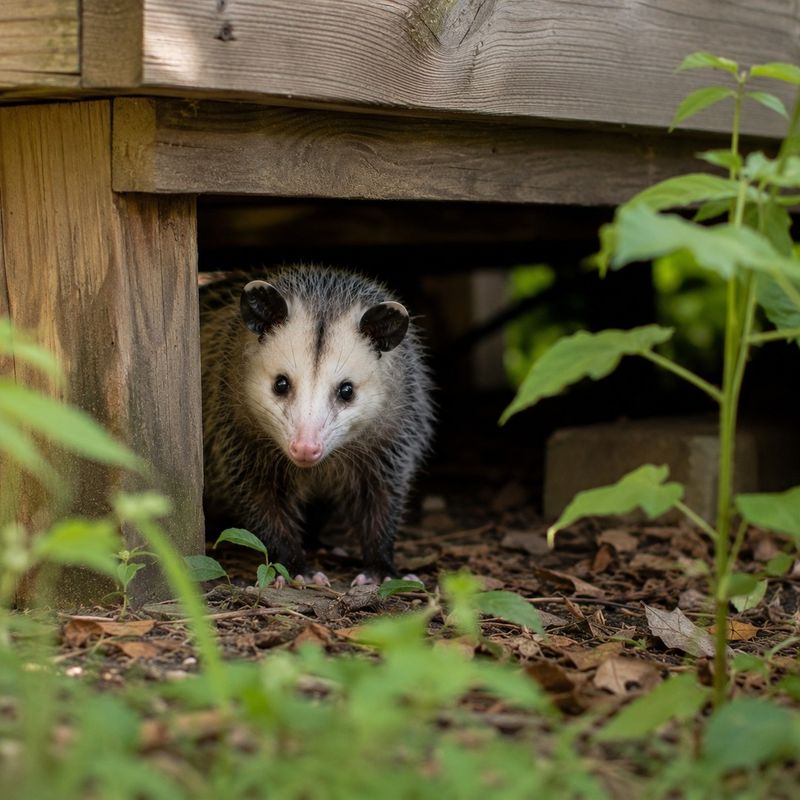
The likeliest story under your deck is simple: shelter, plus maybe a snail snack now and then. The tick idea rests on an experiment that wild stomach checks did not back up.
If the visitor is quiet, leave it be, and if it causes trouble, exclude it safely and lawfully.
Either way, your own garden care does the real work.