

That pot of mums on your porch is fading, and the trash can looks tempting. Before you toss it, there is one quick check that can tell you something useful about its chances.
It will not give you a sure answer, but it can keep you from throwing out a plant that was bred to last. Here is what to look for and what to do when the clues run out.
Can the blooms tell you whether a mum is hardy?
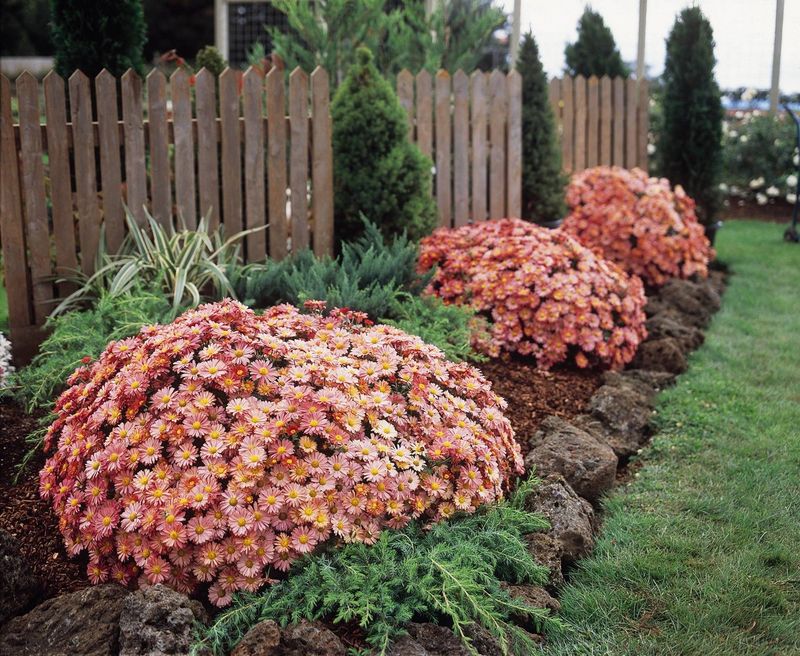
Sorry to say, no look at the flowers, leaves, or plant shape can tell you if a mum will return. Garden mums and florist mums can look a lot alike, and mums come in many forms, as Iowa State Extension explains in its overview of fall mums.
A plant with a pretty, rounded shape might be a short-lived florist type. A scruffy one might be a tough garden variety.
Appearance simply is not a dependable test.
Fading blooms are not proof of a dead plant, either. Every mum stops flowering eventually, and winter survival stays uncertain whether the display is full or spent, as noted in University of Missouri Extension guidance on hardy mums.
So instead of studying the petals, turn your attention to the plant’s paperwork.
The tag is the best first check
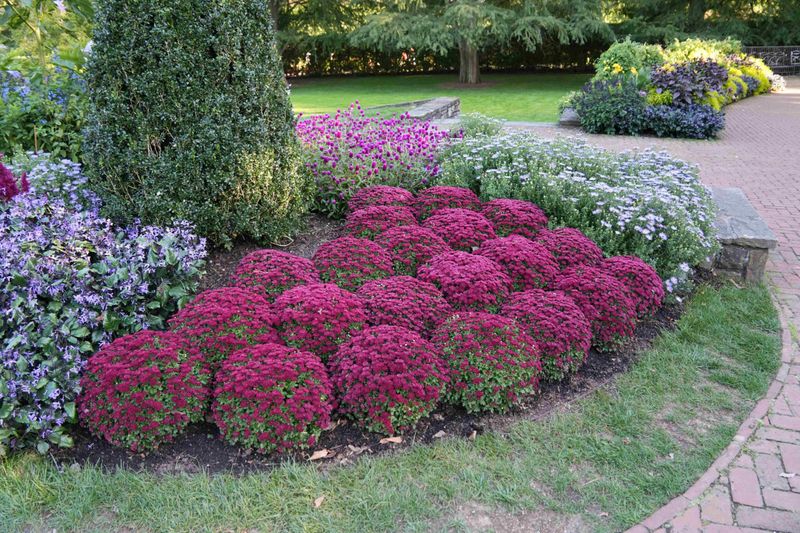
Flip over the plastic tag stuck in the soil. You are hunting for the words “garden mum,” plus a cultivar name or hardiness information that fits your area.
Florist mums are generally grown for a short seasonal display and are less reliable outdoors, according to Virginia Cooperative Extension.
Even then, treat the label as a clue and not a promise. Texas A&M’s Bexar County guidance says mum performance varies with cultivar, season, location, weather, and growing conditions.
A rating that suits your zone is a good sign, though not a guarantee.
The bare word “hardy” does not settle things either. Hardy to what temperature, and in whose yard?
Look for specifics you can match to your own area.
When the tag is missing

Lost the tag? Then the honest answer is that your mum’s hardiness is unknown.
It is not “probably hardy” and it is not “probably an annual.”
Resist guessing from the flower form, the store where you bought it, or the time of year it was sold. Garden and florist mums can look similar, and Iowa State Extension points out that flower shape alone proves nothing.
Sources also disagree on what fall stores sell, with some describing common fall mums as florist types and others noting that garden mums are sold in fall too, as in a UF/IFAS St. Johns County newsletter.
If you are curious, keep the plant and see what happens. Just do not file it under hardy or annual until it shows you.
A garden mum is not a winter guarantee
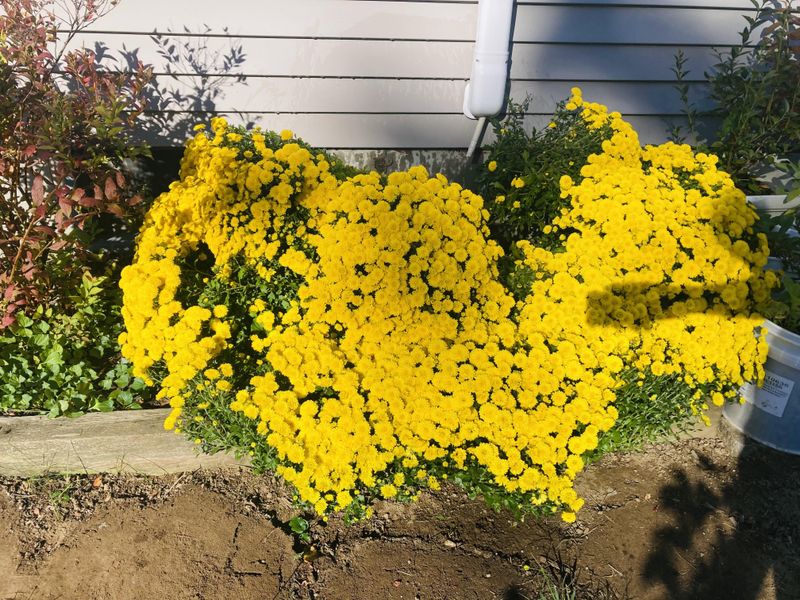
Even a promising tag leaves room for failure. Cultivar, local climate, planting site, planting time, care, and winter severity all play a part, as Virginia Cooperative Extension describes.
The word “perennial” only describes a life cycle. It does not mean every cultivar will make it through every winter in every yard.
The South is not one climate, either. Texas A&M cautions that mum survival varies by season and area.
In Florida, one UF/IFAS garden mum profile lists zones 8 through 10A as suitable yet does not recommend planting in zones 9 and higher. Check cultivar details against your county Extension office before you count on a return.
A garden bed can improve a keeper’s chances

Planning to keep a suitable garden mum? Moving it into the ground beats leaving it in the small retail pot, which will not protect it.
Roots need time to establish, and that is where planting time matters.
Texas A&M describes garden chrysanthemums as spring-planted from established cuttings, and spring planting is the more dependable approach in the guidance reviewed. Virginia Tech warns that later fall planting lowers survival in its region.
That is a colder-state point, so take away the lesson about root time, not a calendar.
Pick a sunny spot with well-drained soil. UF/IFAS recommends garden mums over florist mums for potted chrysanthemums and advises well-drained soil.
Your local Extension office can help with timing.
Match winter care to your location
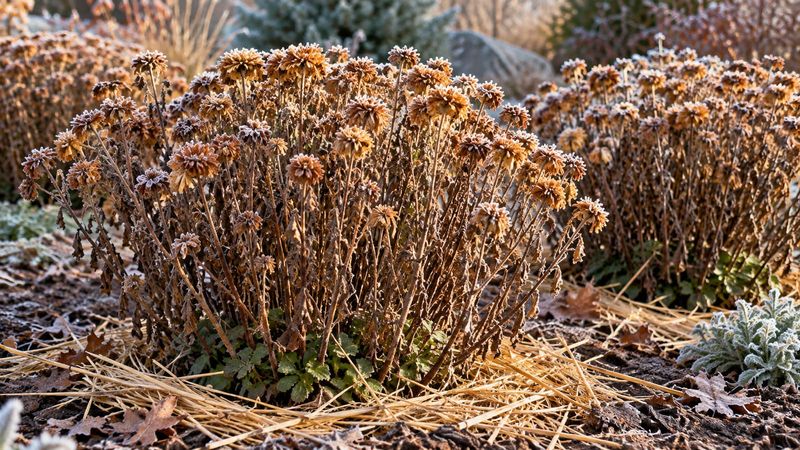
Winter care depends on where you live. In places with freeze-thaw winters, temperature swings can lift or damage shallow mum roots, and Iowa State notes that mulch can improve winter survival.
That advice comes from Iowa, though. Its timing and mulch instructions should not become a rule for a Houston or Orlando yard, where winters look very different.
Instead, lean on guidance written for your area. Texas readers can start with Texas A&M AgriLife Extension, and Florida readers with UF/IFAS, whose chrysanthemum guide covers site and soil.
Your county office can say whether mulch, protection, or nothing at all makes sense, since results vary by area and weather.
Spring growth is the later test
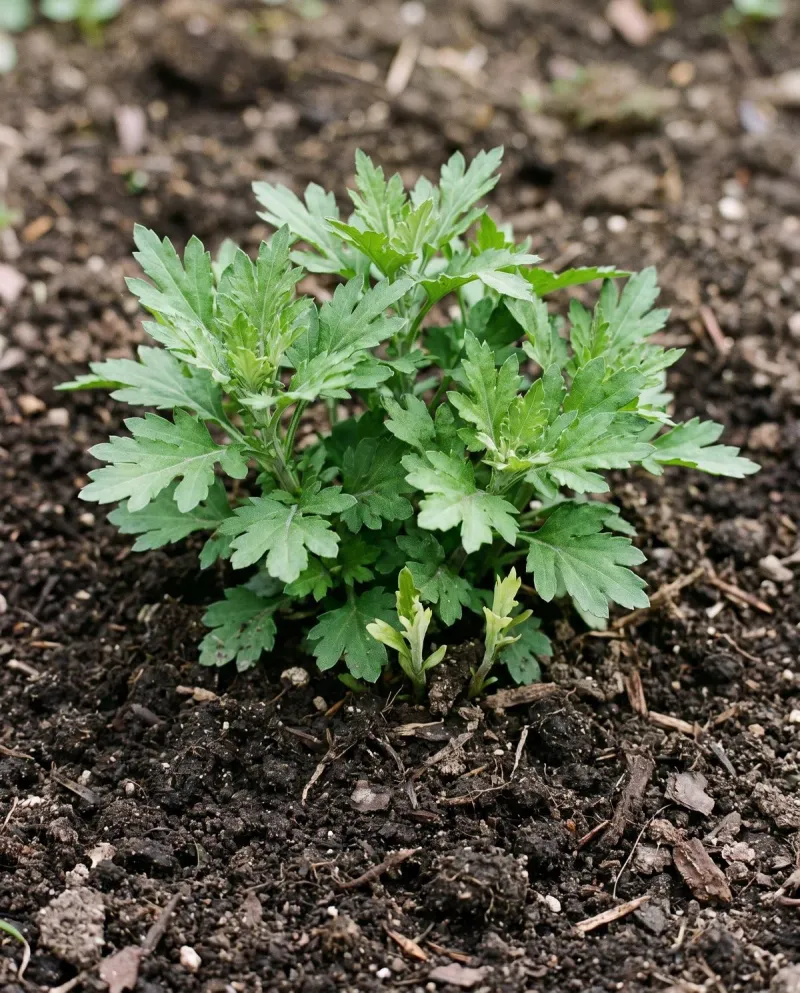
If you cannot identify your mum, you can still give it a chance. Keep it through winter, then check near the base in spring for new growth, as University of Missouri Extension describes for hardy mums.
Think of this as a trial. It cannot tell you anything before winter, and green shoots are a good sign, not a promise of a long life.
Since site and winter conditions matter too, a failure does not always mean the plant was a florist type.
Here is the simple rule: if the tag says garden mum with suitable hardiness, give it a good spot. If there is no tag, keep it only if you are happy to wait and see.
Sometimes the best answer arrives with the spring rain.