
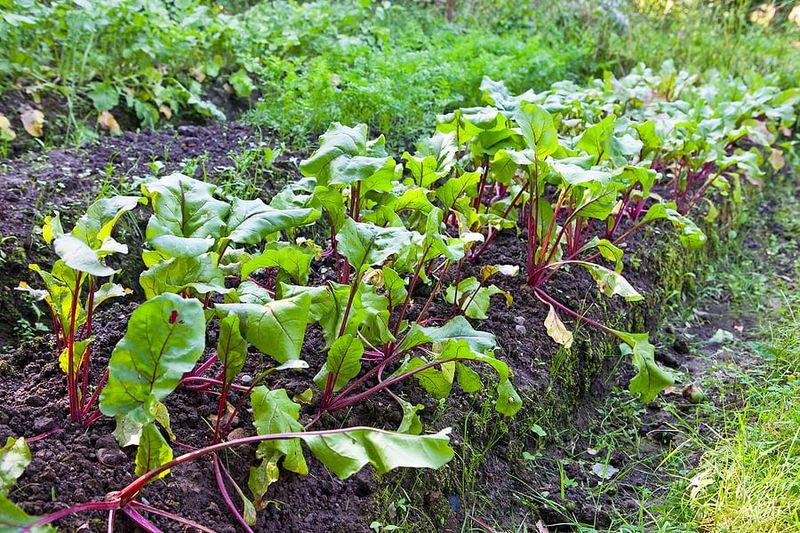
You planted beets this fall, and now the big question is when to pull them. Some advice online says a single week can cost you the best roots, but garden guidance does not back that up.
A few simple checks will tell you far more than a calendar will. Here is how to read your beets and pick them at a size you will enjoy.
A week is not a beet-harvest deadline
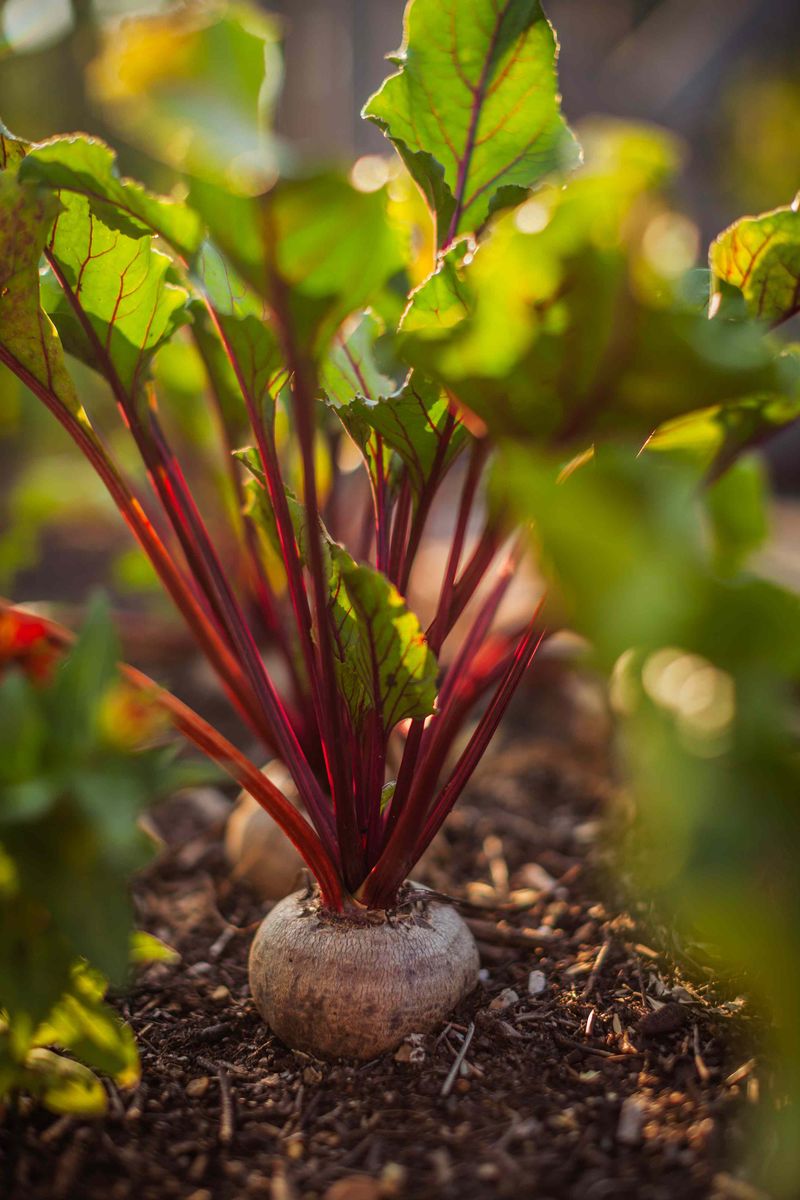
Pull a beet a bit early and you get a smaller root. That much is true.
But the claim that one week decides whether you lose the sweetest, biggest beets does not hold up in home-garden guidance.
Extension advice from Iowa State says beets can be harvested young, and roots need more time only if you want them larger. University of Maryland Extension gives the same size-based approach.
Neither source sets a one-week cutoff.
Sweetness is not tied to an exact day either. South Dakota State Extension notes that larger beets usually taste sweeter, but it also warns they can get tougher.
So the better guide is the root itself, not a countdown.
Use maturity dates as a prompt to start checking
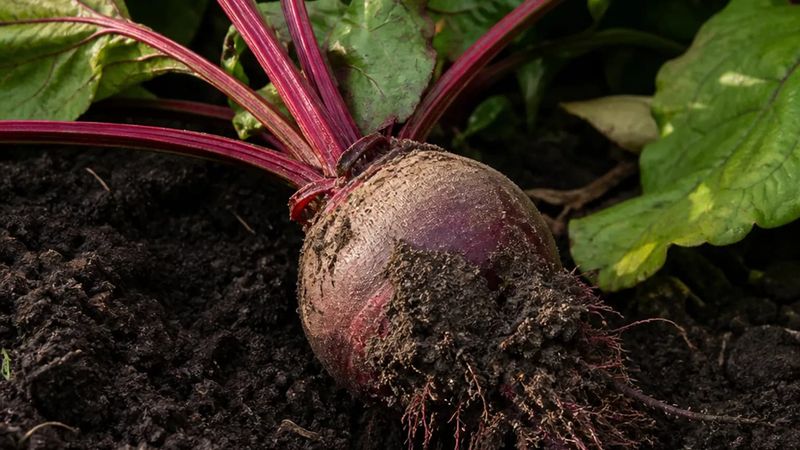
Your seed packet lists days to maturity, and that number is a handy cue. Think of it as the moment to start looking, not the day the beets must come out.
Guidance from UF/IFAS puts beet maturity at roughly 50 to 70 days after planting. Texas A&M AgriLife Extension says about 7 to 8 weeks, which lands in the same neighborhood.
Write your planting date on a garden stake or in your phone. When you get close to the early end of that range, begin inspecting roots.
Variety and growing conditions can shift the timing, so a cool stretch or a dry spell may slow some beets while others size up faster.
Check the root’s width beneath the soil
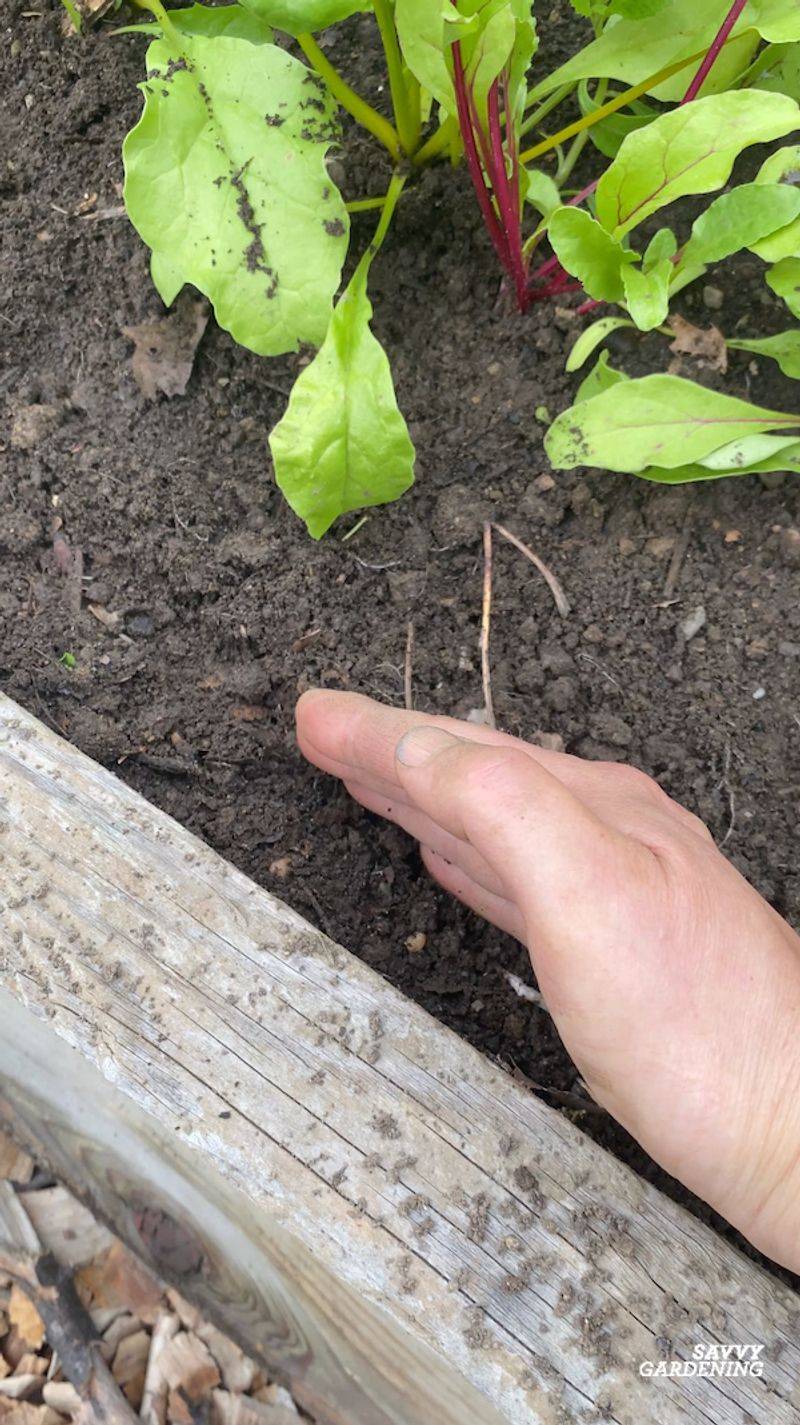
Kneel down and brush the soil back from the crown of one plant. Look at how wide the root is across, and hold a ruler or your fingers against it.
A shoulder poking above the soil is only a rough hint, not a precise measurement.
A root around 1 inch across is harvestable, according to Iowa State. The same source says the main crop is often pulled at about 1½ to 3 inches.
Maryland Extension offers a similar range.
Not every beet has to reach the larger size. If you want tender baby beets for salads, 1 inch works.
If you want slices for roasting, you may prefer the bigger end, and variety plays a part too, as the UC Master Gardeners of Santa Clara County note.
Pick one sample plant first. Its width tells you a lot about the rest of the row.
Balance root size with texture
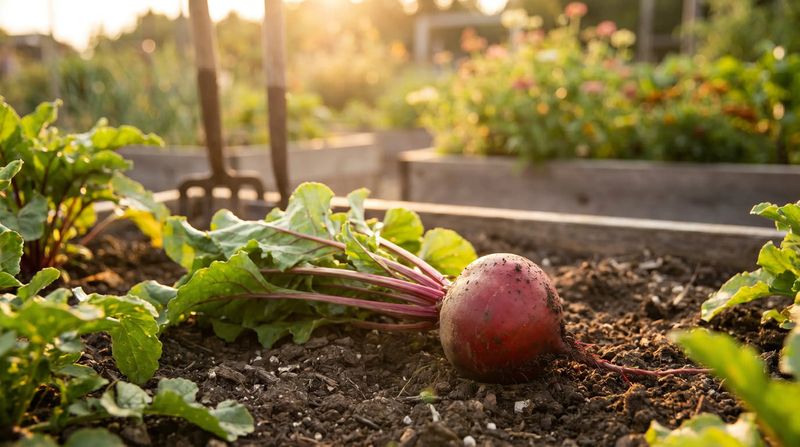
Bigger can taste sweeter, but it can also eat tougher. SDSU Extension says larger beets usually taste sweeter yet may be more fibrous.
That trade-off is why waiting as long as possible is not a safe plan.
Once roots pass about 3 inches, texture often suffers. Virginia Cooperative Extension links woody roots to oversize beets, and also to excessive heat and lack of water.
Soil matters as well. Texas A&M notes that crusty soil can contribute to tough roots.
If your fall bed has been hot or dry, a medium beet may be the better pick over a giant one. No single size is ideal everywhere, so cut one open and taste it to learn what your garden produces.
Harvest selectively and protect continued growth
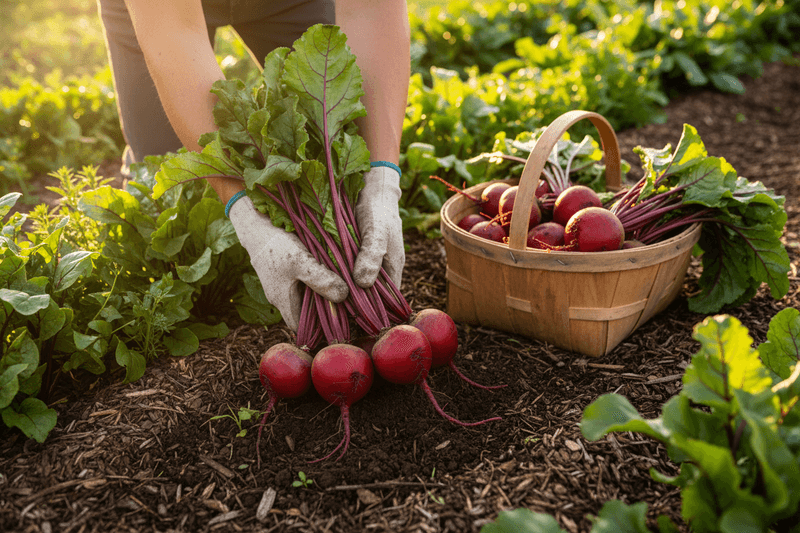
You do not have to clear the whole row at once. Pull the largest roots first and leave the smaller ones to keep growing.
The UC Master Gardeners of Santa Clara County suggest harvesting alternate plants. That opens space so the remaining beets have room to swell.
Greens are tempting, since they are edible and tasty sauteed. Still, Virginia Cooperative Extension warns that removing too many leaves can inhibit root enlargement.
A good habit is to take a few leaves from each plant, or save most of your greens for the beets you are pulling that day. That way you get a side dish now and keep the rest of the row working toward bigger roots.
A light frost does not automatically end the harvest
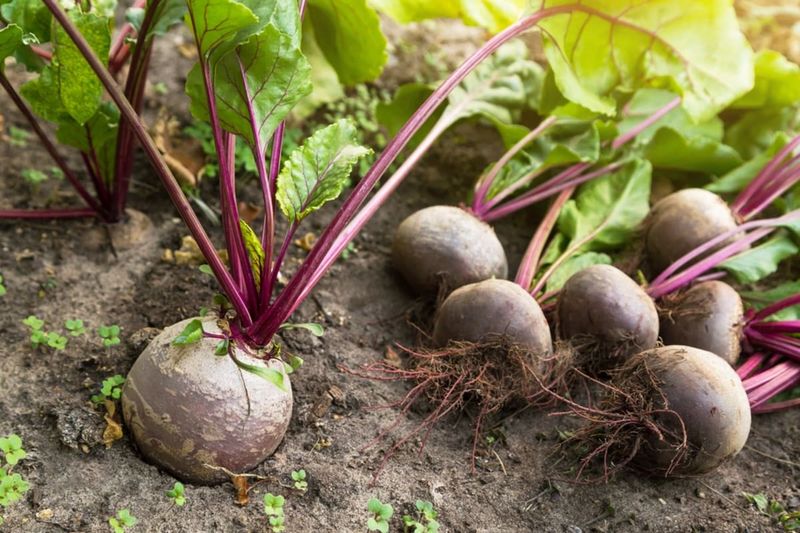
A chilly forecast can make you want to rush out and pull everything. For beets, that is not always needed.
Texas A&M AgriLife Extension classifies beets as frost-tolerant.
Even so, how long a fall crop can stay in the ground depends on your local first killing frost and how much cold the crop can handle. Watch your own forecast rather than a fixed date.
Planting windows also vary across Florida. UF/IFAS lists August through February in North Florida, September through February in Central Florida, and October through January in South Florida.
Those windows show how much the season shifts by region, but they do not replace what your weather is doing this week. Keep checking root size, and use the forecast to decide how much time you have.
Measure a root, then choose when to pull
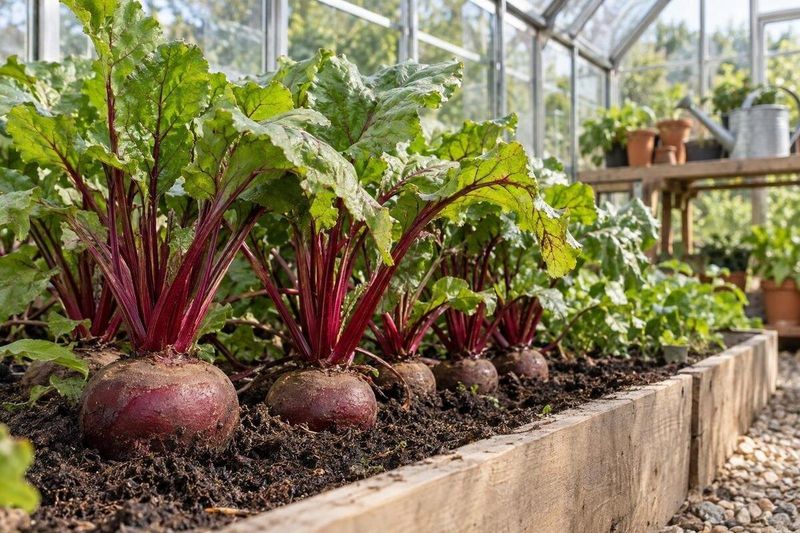
Start checking when your planting date nears the maturity estimate. Brush soil from one sample root, measure it, and pull beets at a size that fits how you plan to cook them.
Leave smaller roots to grow when conditions allow, as UC Master Gardeners suggest.
No one-week deadline hangs over your row, as Iowa State guidance shows. A ruler beats a calendar every time.