
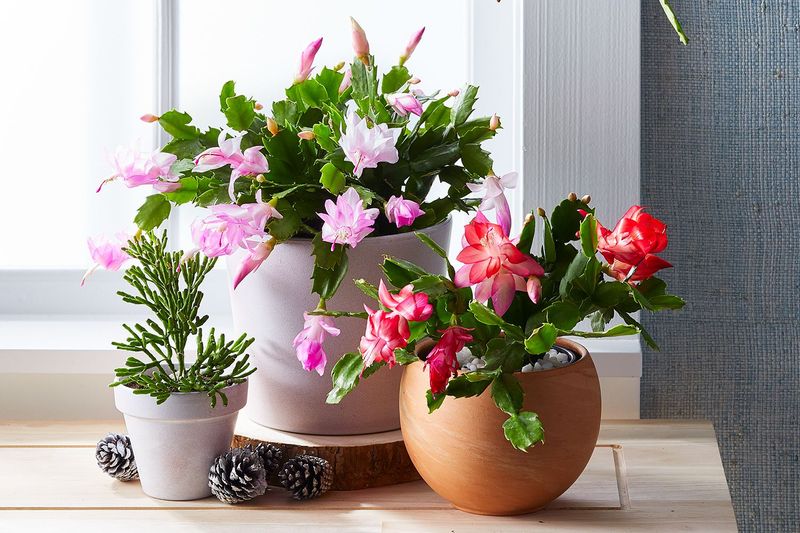
Your holiday cactus is probably sitting on a shelf right now, looking green and a little boring. Late October can be a handy time to give it the long, dark nights that encourage flower buds.
Southern homes bring a few twists, like warm rooms and bright porch lights. A few simple steps can improve your odds of a colorful display, even though no plan can promise one.
First, check which holiday cactus you’re growing
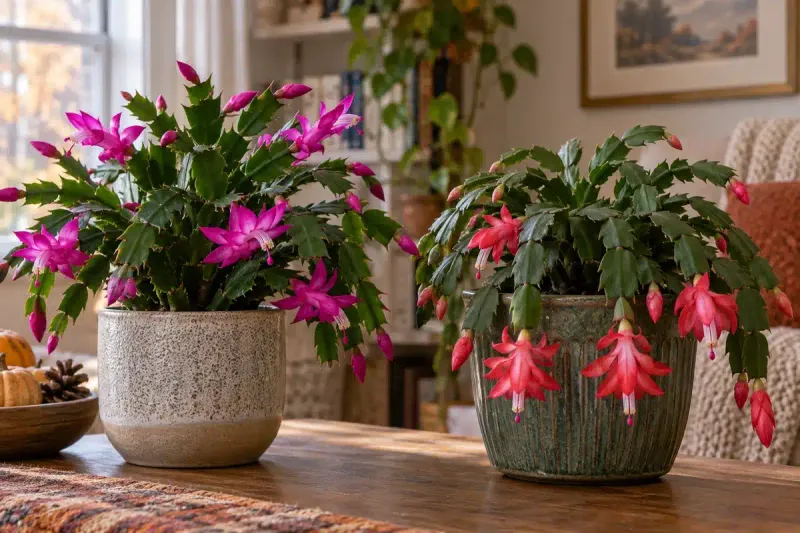
Cactus tags can be misleading. University of Illinois Extension reports that many plants sold as Christmas cactus are really Thanksgiving cacti.
The two are close cousins, but they differ in when they usually flower.
Thanksgiving cactus generally blooms from late November to late December. True Christmas cactus commonly blooms from late December into March.
Plants can also be forced outside their usual season, so a plant’s past habits may not match what the label says.
You do not need to study every botanical detail. If your plant has pointed, claw-like edges on its stem segments, it is likely a Thanksgiving type.
Smoother, rounded edges point toward a true Christmas cactus.
Knowing your type helps you set fair expectations. A late-October plan can encourage buds, but it cannot promise a bloom on a certain date.
Treat any date you pick as a rough target, and watch the plant for signs instead.
Late October is a useful window, not a final deadline
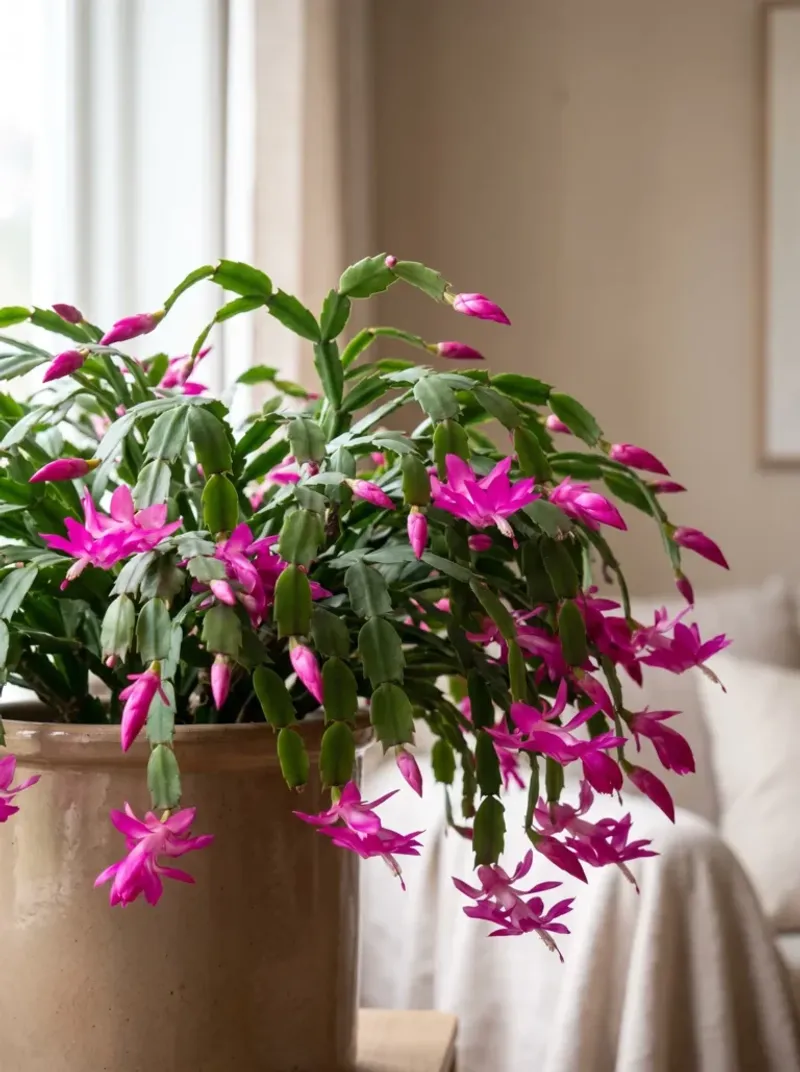
Start with some relief: missing a date on the calendar does not doom your plant. According to UF/IFAS Extension, a six-week dark treatment can help time flowering, with plants blooming about ten weeks after the treatment begins.
UF/IFAS offers an example that begins on October 14 and estimates full bloom around December 23. Think of it as an illustration of how the math works, not a schedule that fits every plant or a guarantee of results.
If you begin in the last weeks of October instead, blooms may simply arrive later. A later start can shift the timing rather than permanently block flowers.
Your plant may open in early January instead of right at Christmas.
So use late October as a handy starting line. Pick a day, mark it, and count forward.
Then stay flexible about when the first flowers appear.
Long, uninterrupted nights do the main triggering
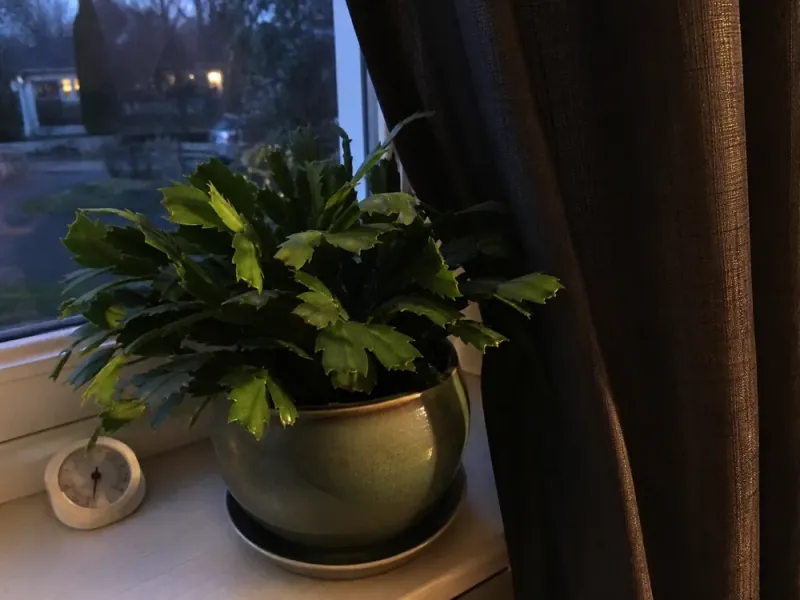
Darkness is the main switch for flower buds. For a deliberate treatment, aim for roughly 12 to 16 hours of uninterrupted darkness each night for about five to six weeks.
Give the plant bright light during the day.
Sources do not agree on one number. Illinois Extension suggests at least 12 hours for five to six weeks.
Iowa State Extension says many cultivars need 14 to 16 hours, while some flower with 12.
Consistency matters more than the exact figure. Pick a routine you can keep, such as moving the plant into a spare room at dinner time and bringing it back out in the morning.
Watch for light leaks. A hallway lamp, a TV glow, or a porch light through a window can break up the night.
Some gardeners cover the plant with a box or dark cloth instead of moving it every day.
Cool evenings help, but Southern homes may stay warm
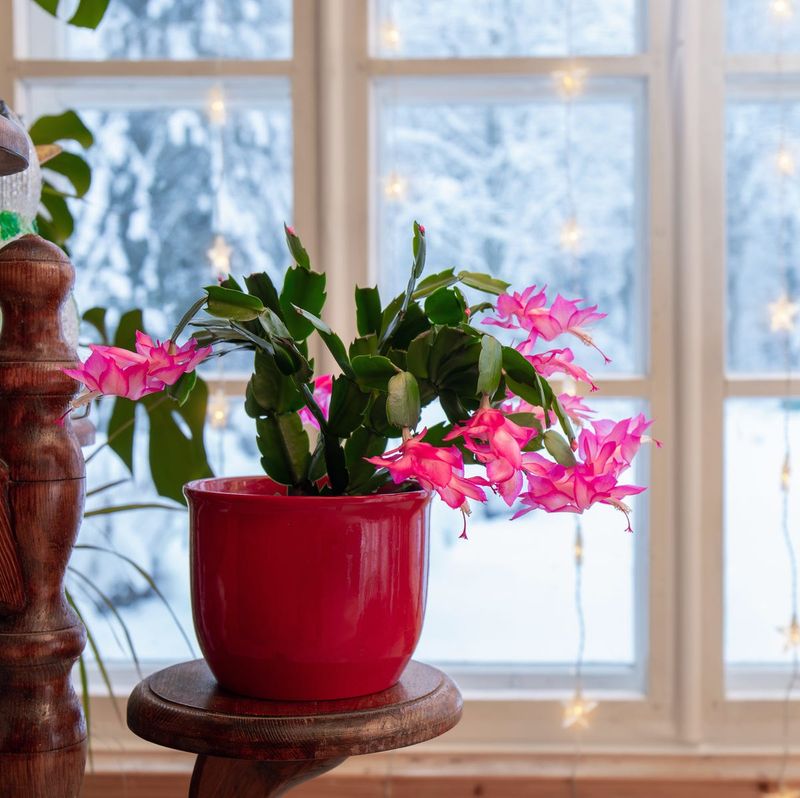
Cooler conditions can support flowering. University of Minnesota Extension recommends daytime temperatures of 65 to 70°F and evening temperatures of 55 to 65°F.
It says flowering is unlikely when nights stay above 65°F.
Treat those numbers as a reference point, not a universal rule. Iowa State names temperatures above 70°F as a possible barrier, so sources differ.
In much of Florida and Texas, a house can stay warmer than that well into fall. If yours does, pick the coolest spot you have, such as a room away from afternoon sun or vents that blow warm air.
Cooler does not mean cold. Illinois Extension advises bringing holiday cacti indoors when fall nights reach the low 50s°F.
A chilly porch or a spot near a cold window is not a good trade for a few degrees.
Water by the mix, not by a bud-forcing schedule
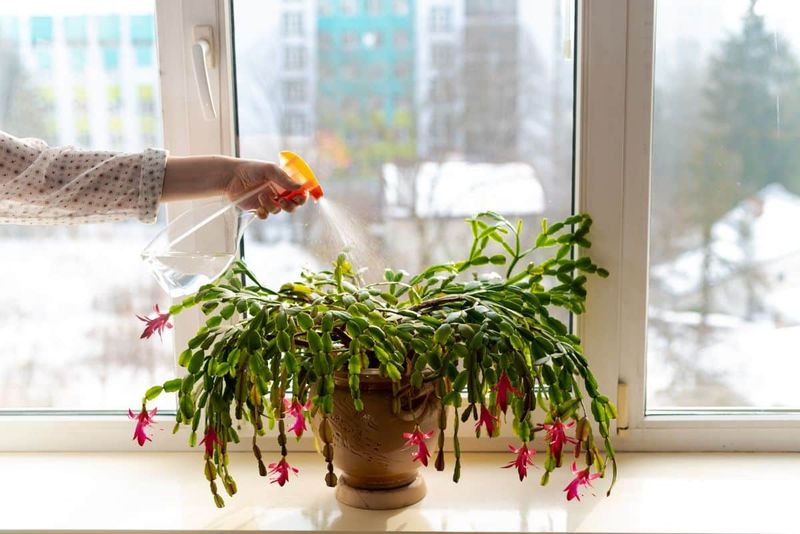
Forget the fall watering schedule you may have heard about. Use your finger instead.
UF/IFAS advises watering when the top inch of the potting mix feels dry, then letting the excess drain away.
Some advice says to cut back or stop watering to trigger buds. UMass Extension notes that research has not supported withholding water to induce flower buds.
Stress may even backfire. A 1981 controlled study on Thanksgiving cactus found that high water stress during flower initiation reduced the number of buds.
Soggy mix causes trouble too, so empty the saucer after watering. In humid Gulf Coast homes, the mix may stay damp longer, so check before you pour.
Steady care protects buds once they appear
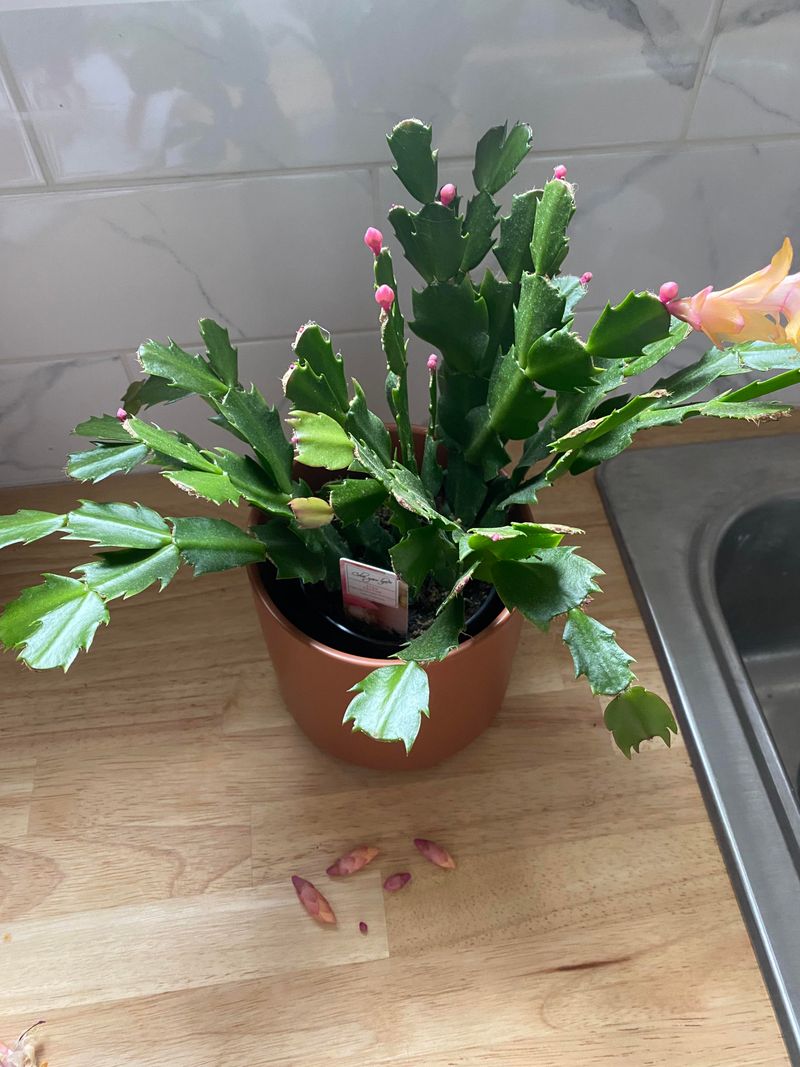
Tiny buds at the stem tips are a good sign, but they can be delicate. Once you see them, your job shifts from encouraging buds to keeping them.
Pick a spot and leave the plant there.
Moving the pot, sudden drafts, and big temperature swings may all play a part in bud drop. Iowa State Extension and Illinois Extension both list these as possible contributors, along with overwatering and letting the mix get too dry.
No single cause is certain, so look for clues. Buds falling after a trip to a new room may point to a move.
Mushy stems and wet mix suggest too much water.
Keep the plant away from air conditioning vents, heaters, and doors that open often. Turn the pot only if you must, and keep watering based on the feel of the mix.
A fuller display also depends on healthy, branching stems
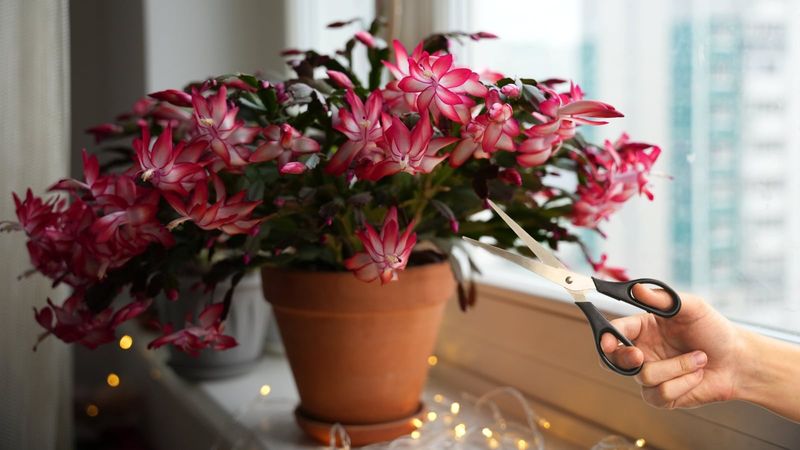
Even perfect fall care cannot make flowers appear where there are no stem tips. Buds form at the ends of the stems, so a healthy plant with many growing tips has more places to bloom.
A leggy plant with a few long stems may offer fewer flowers.
UF/IFAS says pruning after flowering encourages branching, and late-spring pruning can increase the number of flowers. Illinois Extension also notes that cultivar and plant condition shape results.
If your plant looks thin this year, take it as a note for next spring. Twist off a segment or two from the stem ends after it rests, and the plant may branch out.
For now, focus on what you can control: long dark nights, a cooler spot protected from cold, and steady watering. Flowers on a holiday cactus tend to arrive on their own schedule, and that is part of the charm.