
A rosemary bush can do much more than season dinner. In Florida yards, its evergreen leaves, small flowers, and woody stems offer useful ways to dress up a porch, welcome bees, and make simple garden crafts.
The trick is giving this sun-loving herb good drainage, especially during rainy weather. Here are ten ways to put rosemary to work beyond the kitchen.
1. A Fragrant Border Along Sunny Walkways
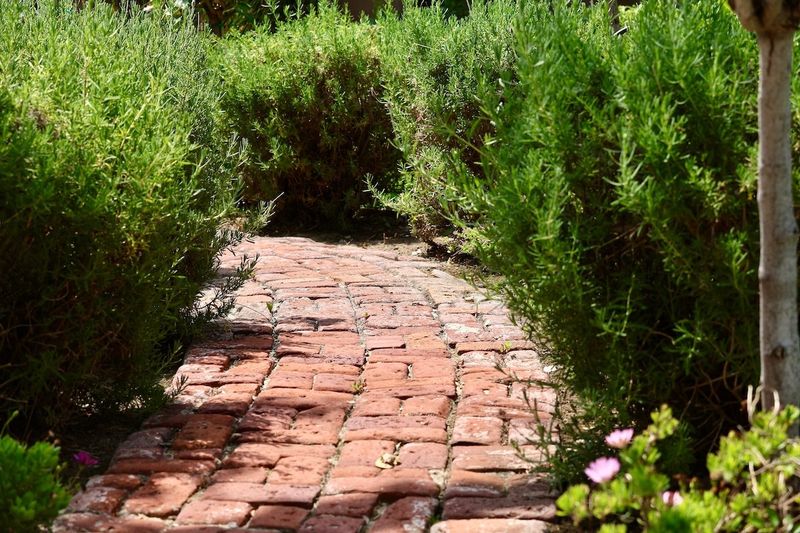
A quick brush against rosemary can turn an ordinary walk to the mailbox into a small pleasure. Its narrow leaves release their scent when touched, making the plant useful beside a sunny garden path.
Choose an upright variety and check its mature width before planting. Set plants far enough back that their branches will not crowd the pavement or catch on clothing as they grow.
In Florida, drainage matters more than rich soil. Use a slightly raised bed if water collects after storms, and keep the plant away from downspouts and lawn sprinklers that run often.
Trim the soft green tips to encourage branching, but avoid cutting deeply into bare, old wood. Rosemary may not fill those woody gaps back in reliably.
The result is a living edge with year-round shape and occasional flowers. It suits a dry front walk much better than a soggy side passage, and it brings fragrance close enough to enjoy without needing a separate herb garden.
2. A Flowering Stop for Visiting Bees
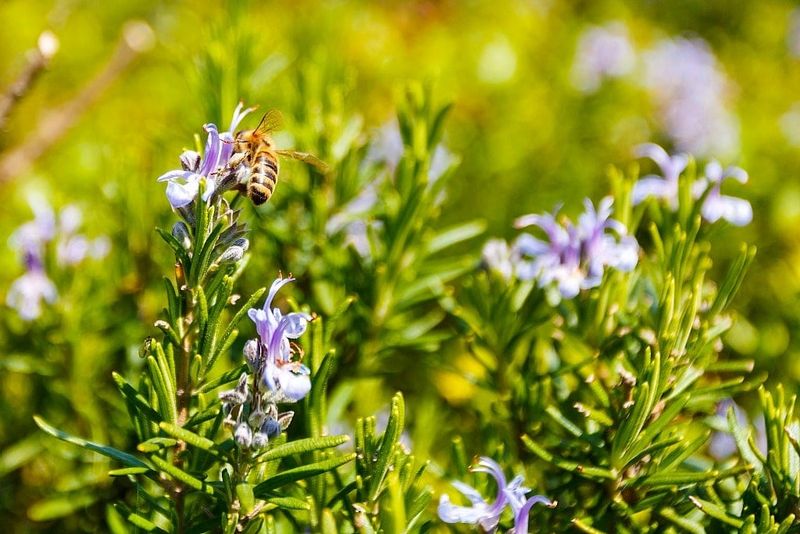
Watch a flowering rosemary bush for a few quiet minutes, and the visitors may steal the show. Bees visit its small blue, lavender, or pale flowers for nectar and pollen.
Give the shrub a sunny spot with room for air to move through its branches. Flowering varies with the variety, weather, and pruning, so choose a plant already showing the growth habit and bloom color you like.
Heavy trimming removes flower-bearing growth. If blooms are your goal, shape the plant lightly after its main flush rather than clipping it constantly into a tight block.
Rosemary is Mediterranean, not a Florida native, and it should not replace a varied native planting. Pair it with locally suitable native flowers nearby, while keeping each plant’s watering needs in mind.
Avoid spraying insecticides on open blooms, including products described as natural. Place this bee stop a little away from busy doorways or narrow paths so people and feeding insects have comfortable space to share the yard.
3. A Movable Porch Accent in a Pot
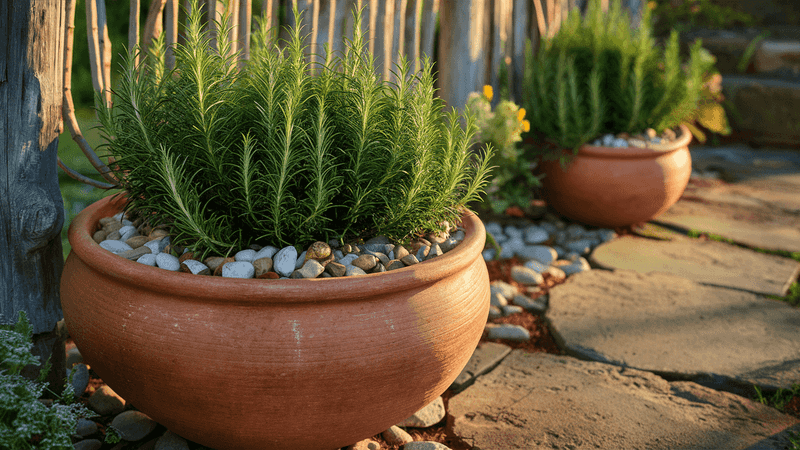
Some porches need one good plant, not another collection of fussy decorations. A full rosemary shrub in a sturdy pot adds texture and greenery without taking over the seating area.
Pick a container with drainage holes and use a well-draining potting mix rather than soil dug from the yard. Pot feet help water escape, and an empty saucer prevents the roots from sitting in collected rainwater.
Place the pot where rosemary receives at least six hours of direct sun. A deeply shaded lanai may look inviting to people but usually will not support strong, dense rosemary growth.
Check moisture before watering instead of following a fixed calendar. Containers can dry quickly in warm, breezy weather, yet remain wet through several rainy days.
Mobility is the real bonus here. Before a tropical storm, move the pot to a secure, sheltered location if you can do so safely, then return it to bright light afterward.
Use a manageable container size so that moving it remains practical.
4. A Soft Cascade Over Raised Bed Edges

A hard stone edge looks less severe with green branches spilling over it. Trailing rosemary offers that softer finish without needing a thirsty annual flower display.
Look for a trailing or prostrate form, since upright rosemary will not create the same effect. Plant it near the top edge of a sunny raised bed or sturdy container, leaving room for its branches to spread.
The elevated position can help in Florida gardens where heavy rain leaves ground-level beds too wet. Still, the bed needs a real drainage route; a raised border that traps water is not a solution.
Keep hanging stems clear of walkways and trim lightly when they reach farther than you want. Avoid treating rosemary as a walkable lawn replacement, because repeated foot traffic can break its woody stems.
This approach works especially well along a small patio wall or beside steps with adequate clearance. The payoff is architectural: the plant softens straight lines while keeping the planting evergreen, textured, and easy to see from a chair or window.
5. A Touch-and-Smell Sensory Garden
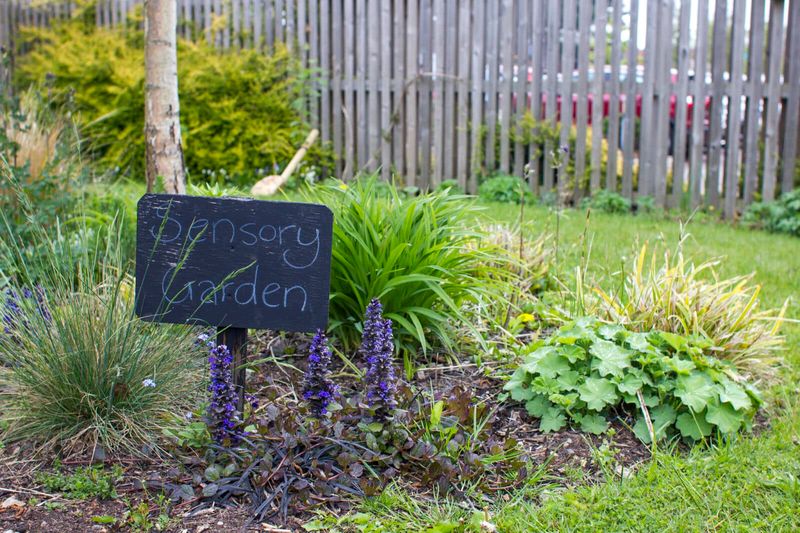
Not every garden feature needs bright flowers to hold someone’s attention. Rosemary gives visitors something to feel and smell, making it a useful part of a small sensory planting.
Set one plant beside a wide, firm path or in a raised container that is easy to reach. Keep the branches within comfortable touching distance without letting them block walkers, wheelchairs, or garden carts.
Invite visitors to brush the foliage gently, then smell their fingers. There is no need to crush handfuls of leaves or break stems to enjoy the scent.
For Florida conditions, choose an open, sunny location rather than a damp corner beside shade-loving plants. Keep irrigation aimed at the root zone, and allow enough space around the shrub for good airflow.
People experience scents differently, so avoid placing a strongly fragrant plant where everyone must touch it to pass. A clearly defined side stop lets interested visitors explore at their own pace.
It is a simple way to make a garden engaging beyond its colors.
6. Fresh Wreaths From Light Prunings

Those few stems left after a tidy-up can become a wreath instead of yard waste. Rosemary’s flexible young growth works well for small rings, simple swags, and accents tucked into other greenery.
Gather clean, healthy stems during dry weather, using sharp pruners. Take modest amounts from several parts of the plant so your craft project does not leave one side bare.
Bundle short sprigs together and fasten them to a reusable wreath frame with floral wire. Overlap each bundle to cover the cut ends, then hang the finished piece somewhere sheltered from rain.
Florida humidity can shorten the life of fresh greenery, especially on a still, enclosed porch. Make small pieces for short-term display, inspect them regularly, and discard any material that develops mold.
As the rosemary dries, its color and scent will fade, and the leaves may shed. Keep both fresh and dried arrangements away from candles, grills, and other heat sources.
A plain wire frame can be used again, making the next light pruning useful too.
7. Dried Sachets for a Garden-Fresh Scent
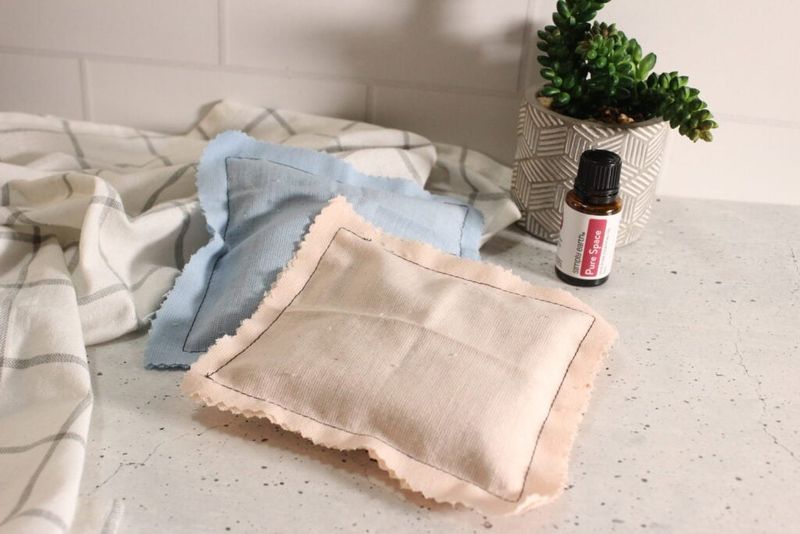
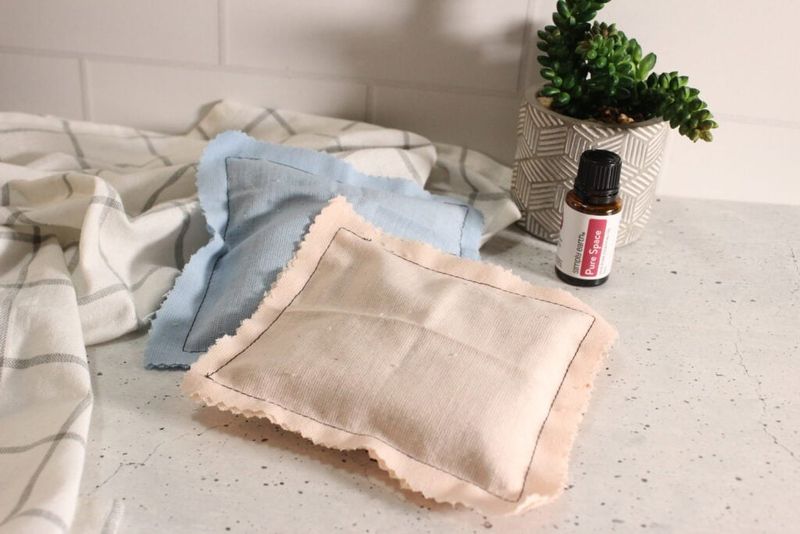
A little bag of dried rosemary brings a trace of the garden indoors. Tucked into a drawer or hung in a garden-tool cabinet, it offers a light herbal scent without a plug-in fragrance device.
Start with healthy sprigs and dry them somewhere clean, shaded, and well ventilated. Florida’s humid air can slow drying, so use small, loose bundles or a drying screen rather than a thick bunch.
Do not bag leaves while they still feel soft or damp. Once fully dry, strip them from the stems and place a small amount in a breathable fabric pouch.
Check the sachet occasionally and replace it if the scent fades or you notice dampness or mold. Keep loose leaves and bags out of reach of young children and pets.
Treat this as a fragrance project, not proven pest control. Rosemary sachets are not a dependable solution for moths, mosquitoes, or household infestations.
Their useful job is much simpler: making a small storage space smell pleasantly herbal while putting clean garden trimmings to use.
8. Living Topiary for an Entryway

A miniature tree beside the front door makes an entrance feel cared for. Rosemary can supply that look when trained as a small standard or gently shaped into a loose cone.
Begin with a healthy, well-branched plant, or buy an established topiary if you want quicker results. Creating a clear trunk and balanced crown takes patience, and removing too much growth at once can weaken the plant.
Use small, frequent cuts in leafy growth rather than a drastic haircut. Leave enough foliage to support the plant, and remember that bare woody sections may not produce new shoots.
Florida’s humidity makes an airy outline more practical than a densely clipped ball. Give the pot ample sun, keep drainage holes open, and turn it occasionally if one side receives much more light.
Do not leave a decorative rosemary topiary in a dim foyer for weeks. It is a sun-loving outdoor shrub, not a lasting houseplant.
With the right placement, its tidy silhouette supplies the decoration while the living foliage adds a softer touch.
9. A Structural Plant for a Low-Water Bed

The sprinkler schedule can make or break a rosemary planting. Rather than squeezing it among thirsty flowers, give it a role in a sunny bed whose plants share similar watering needs.
Established rosemary tolerates dry periods, although new plants need regular checks and careful watering while roots spread. Florida’s sandy soil can suit it well where the site drains freely and does not flood.
Use its evergreen form as an anchor among lower plants chosen for your part of the state. Check mature sizes and local growing advice before shopping, since North Florida and South Florida do not offer identical conditions.
Keep lawn irrigation from soaking the bed on a frequent schedule. A separate watering zone, or carefully managed hand watering during establishment, gives you better control over root moisture.
Leave space around the crown and keep mulch away from the stems. Rosemary is not a rain-garden plant or a fix for a flooded yard, but in the right dry location it can provide lasting structure with less irrigation than many moisture-loving bedding plants.
10. Homegrown Starter Plants to Share
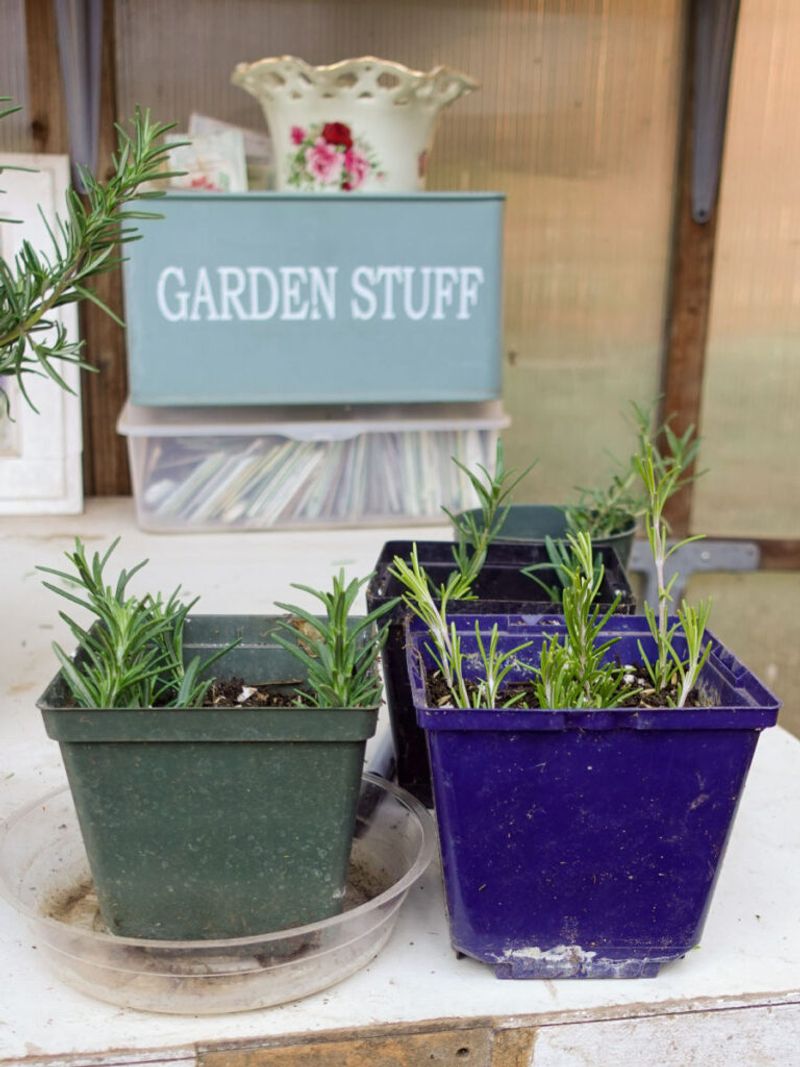
One healthy rosemary plant can become the start of several thoughtful garden gifts. Stem cuttings let you grow more plants with the same basic traits as the parent, including its upright or trailing habit.
Snip several healthy, nonflowering tips about four to six inches long. Remove the lower leaves, then place the bare lower stems in a clean, airy propagation mix; rooting hormone is optional.
Keep the mix lightly moist, not soggy, and place the pots in bright indirect light while roots form. Florida rain should not be allowed to pound or flood the small containers.
Warmth can help rooting, but a sealed bag in direct sun can overheat quickly. If you use a humidity cover, keep it shaded and monitor for condensation, rot, and drying.
Rooting usually takes several weeks and is not guaranteed. Once a cutting has rooted and is producing steady new growth, gradually introduce more sun and move it into a suitable pot.
Add a care note explaining drainage and sunlight, and the gift comes with a better chance of success.