
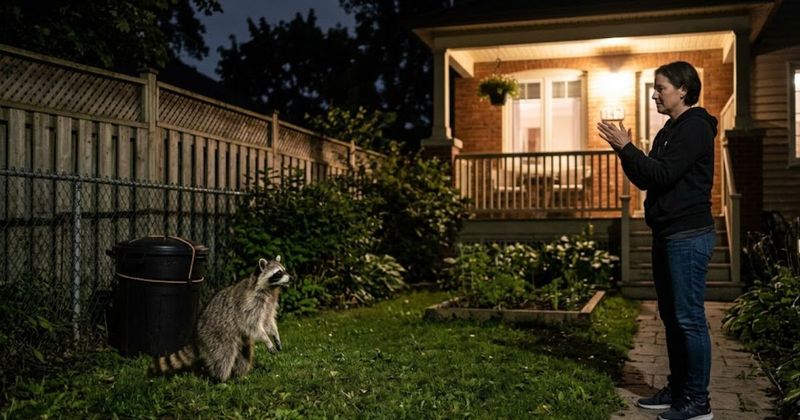
You flip on the porch light and there it is again: a masked face, small hands, and a bold stroll across the patio. Raccoons are common across California, and a repeat visitor usually means something nearby is easy to reach.
Checking your yard for a few specific draws can cut down on late-night surprises. Here is what to look for and how to make your space less rewarding without harming the animal.
Night visits fit raccoon behavior, but they do not prove a routine
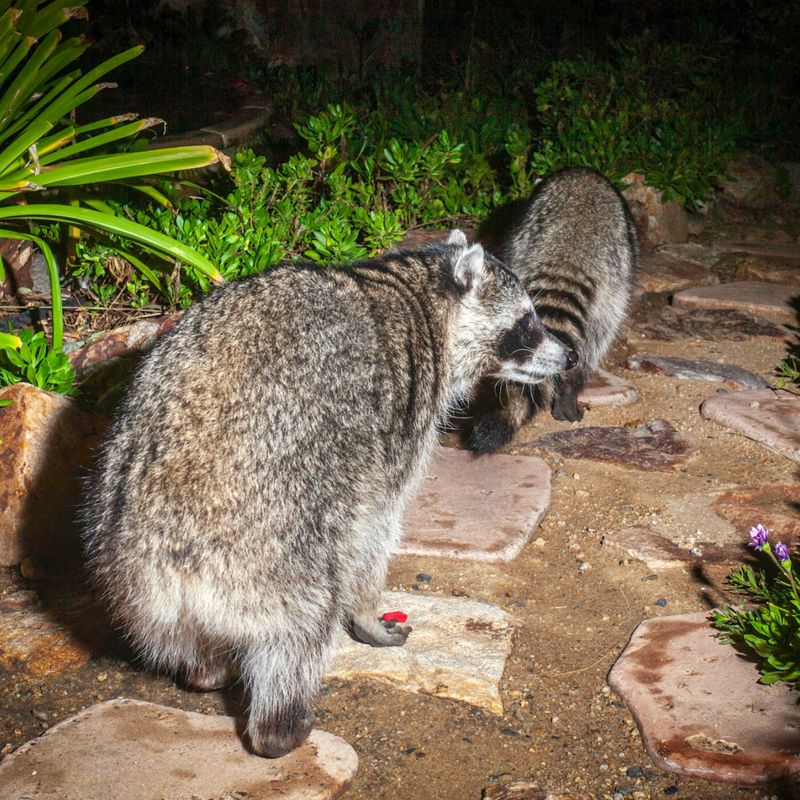
Seeing a raccoon after dark is not odd. California wildlife officials describe raccoons as mostly nocturnal and highly adaptable, so a nighttime stroll through a yard fits what the species normally does.
Repeat visits raise a fair question: what is it finding here? Easy-to-reach food is the most likely answer.
UC IPM lists backyard fruit, garbage, compost piles, bird feeders, and pet food left out overnight as common food sources. In some yards, a water feature such as a fish pond may also play a part.
Here is the honest limit of what you can know. A sighting alone cannot tell you that your yard taught this animal a nightly routine.
It may be passing through on its way somewhere else, or it may be responding to food a few houses away. Food conditioning is a real possibility, but you cannot diagnose it by watching from the window.
So treat each visit as a prompt to check for resources within reach, not as a sign that you did something wrong.
Food access is the strongest place to start
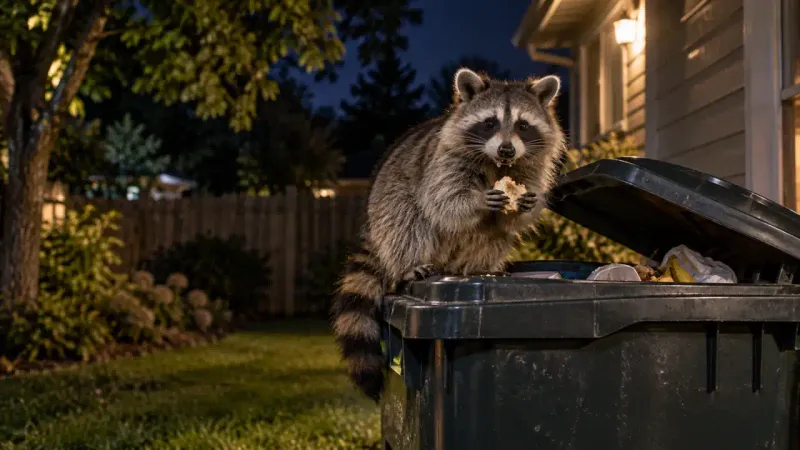
Of everything a yard can offer, food is the best documented draw. UC IPM names backyard fruit, garbage, compost piles, bird feeders, and pet food left out overnight as the usual suspects.
That gives you a short checklist for a walk around the property at dusk. Look at where the dog or cat eats.
Look under fruit and nut trees. Check the trash cans, the seed feeders, and the compost area.
Any of these can turn an ordinary yard into a stop worth making.
Access is the key idea. A raccoon does not need a feast, only a meal it can reach.
A trash lid that pops open, a bowl left on the porch, or a pile of windfall plums can be enough. Even a yard that looks tidy by day may have one weak spot after dark.
Finding one of these sources does not prove the raccoon has become food conditioned, and it does not mean you caused its behavior. It simply tells you where to focus.
The next sections walk through each source so you can fix what you actually find.
Pet food, garbage, and fallen fruit can keep food within reach
Start with the bowl. Bring pet food indoors before nightfall, and bring the water dish in too if you can.
Outdoor cats and dogs often eat in the evening, so a quick pickup after dinner makes a real difference.
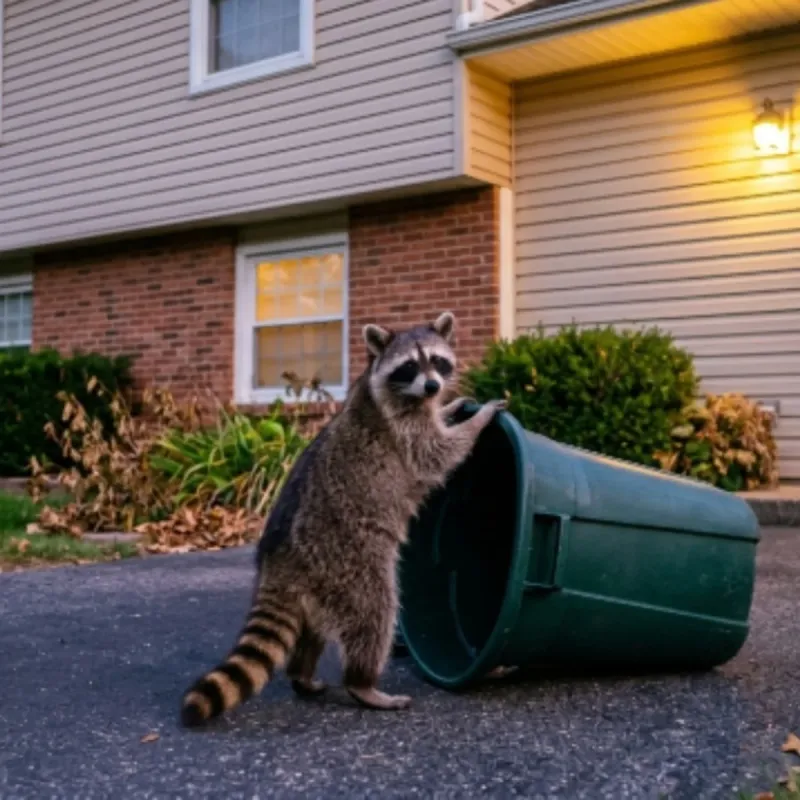
Next, look at the garbage. Lids that sit loose or bins tipped on their sides are easy pickings.
Use lids that close fully, and store bins in a garage or side yard until collection day when that is practical. A bungee cord or a latch can help on a bin that gets knocked open.
Fruit and nut trees come next. Oranges, figs, persimmons, plums, and walnuts all drop food onto the ground.
Pick up windfall every day or two during heavy drop, and harvest ripe fruit from the tree before it falls.
Bird feeders belong on this list as well. Spilled seed on the ground can draw visitors, so consider bringing feeders in at night or cleaning up below them.
One firm rule: never feed raccoons, even a little. These steps remove access.
They reduce feeding chances, but they do not guarantee the visits will stop.
An exposed compost pile can offer another meal
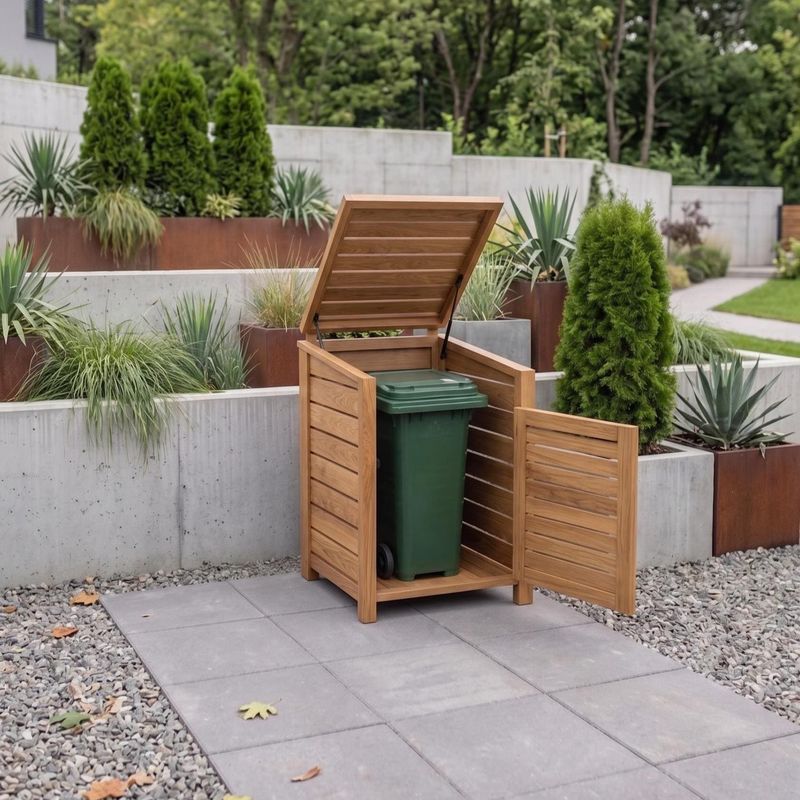
Kitchen scraps are tasty, and raccoons are known to forage in compost piles. UC IPM points to a covered, secured bin as a better choice than an exposed pile if one is being visited.
The difference is access. An open heap of melon rinds and bread crusts is simple to dig through.
A bin with a tight lid and a latch asks more of a raccoon, and many animals will move on.
If you see signs of digging or scattered scraps, consider a few changes. Switch to a closed bin, latch the lid, and bury fresh food scraps under dry leaves or other brown material.
Keep meat, dairy, and cooked leftovers out of the pile altogether.
Not every compost pile draws raccoons, so you do not need to give up composting. And a new bin will not solve every wildlife issue in the yard.
It simply takes one possible meal off the table.
A water feature may matter most when it holds fish

Water is a maybe, not a given. CDC guidance on raccoon roundworm lists eliminating water sources and removing fish ponds as ways to discourage raccoons around homes.
A pond offers drinking water and, if it holds fish, something to catch.
That makes an accessible fish pond the clearest water feature to think about. If you have koi or goldfish in a shallow pond with easy edges, a raccoon may find it worth a look.
A birdbath or a small fountain is a different case. Nothing here says every water feature attracts raccoons, and there is no reason to drain everything in a state where many people already conserve water.
Focus on the specific conflict you actually see.
If a fish pond is getting visits, look at whether the animal can reach the fish easily. Food sources still come first in the checklist, since they are better documented.
Water is the next place to look if the food fixes do not seem to explain the pattern.
Make food harder to reach night after night
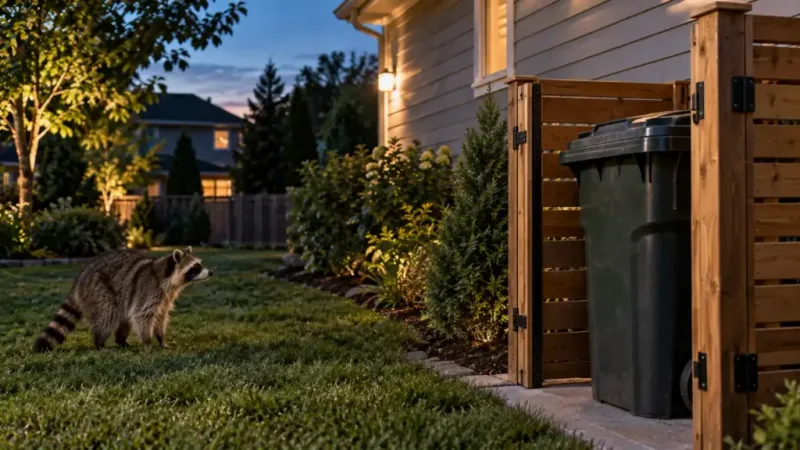
Think of this as a short evening routine rather than a project. Before dark, bring in pet bowls, close and latch the garbage bin, shut the compost lid, and sweep up any fruit or nuts on the ground.
Five minutes can cover it.
Fix what you actually find. If the trash is the weak spot, upgrade the lid.
If fruit is dropping, pick it up more often. If nothing on your property seems tempting, a neighbor’s yard may be the draw, and a friendly chat could help.
You may be tempted by scare devices. Lights, noise, ultrasonic gadgets, ammonia, and mothballs are often sold as quick answers.
University of Florida extension guidance notes that outdoor deterrents can be ineffective or lose their effect over time. Treat them as a side note, not a plan.
Changing the yard is useful but not a guarantee. UC IPM says habitat modification is often helpful but rarely a complete solution.
Expect the change to be gradual.
Keep your distance, especially around raccoon feces
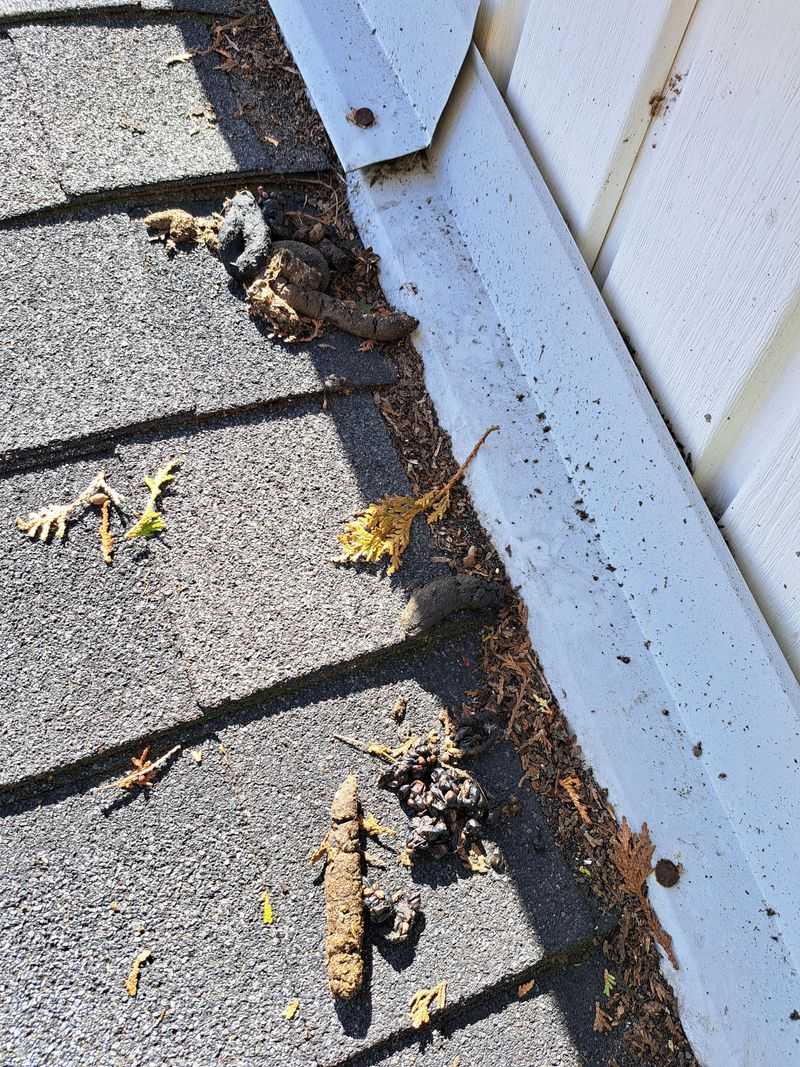
The simplest rule is also the best one: enjoy raccoons from a distance. Do not approach, feed, or handle them, and keep pets away too.
Bring dogs and cats inside at night if raccoons are active, and supervise them in the yard.
Timing alone does not tell you much. Raccoons are mostly nocturnal, but California wildlife guidance says daytime activity can be normal, so a daytime sighting by itself does not mean the animal is sick.
If an animal acts abnormally, stay back and call your local animal control or health authority.
Feces deserve extra care. CDPH reports fewer than 10 human cases of raccoon roundworm in California since 1993.
That is rare, but infection can cause severe illness, and eggs can persist in the environment for months to years.
Because of that, ordinary surface cleaning may not remove the risk. Avoid stirring up dust around droppings, and follow the steps in CDPH’s latrine cleanup brochure.
For a large latrine, or feces in an attic or other enclosed space, contact your local health department or animal control before cleaning anything yourself.
A less inviting yard may still see an occasional raccoon
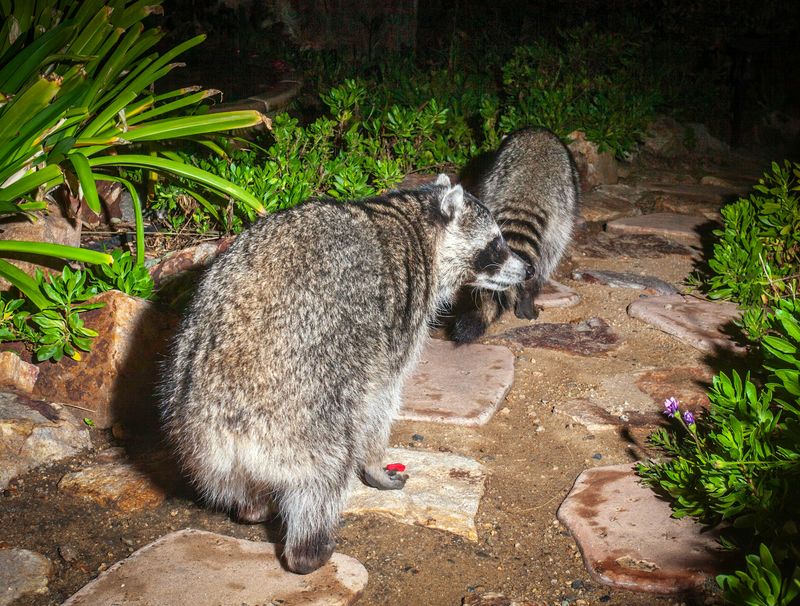
Even a well-secured yard can get an occasional guest. Raccoons roam wide areas, and a few removed attractants will not tell you why one animal chose your block.
UC IPM calls habitat changes often helpful but rarely complete.
Your next steps stay simple: take away the food sources you found, keep a safe distance, and give the changes time to work.
A raccoon passing by is not a verdict on your yard. It is just a night shift worker checking which doors are open.