
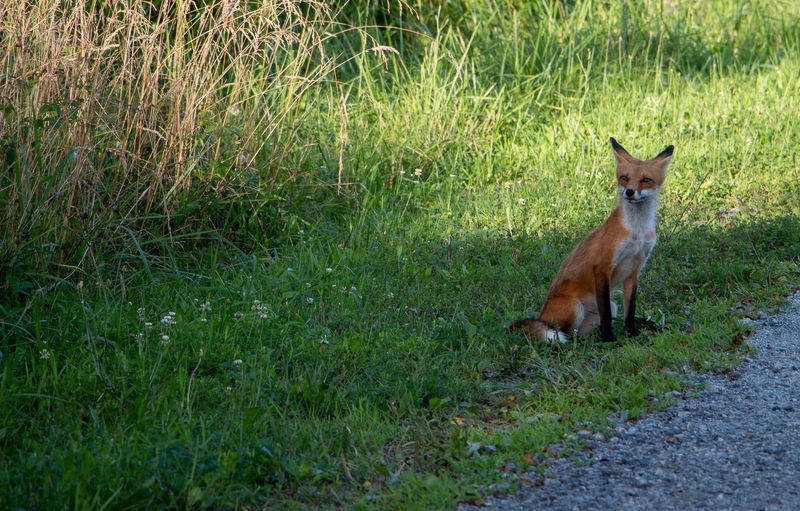
A fox trotting across the lawn at dusk can make any homeowner stop and stare. When it shows up again a few nights later, it’s natural to wonder what is pulling it back.
Some people point to a fruiting plant or a leafy bed, and that may be part of the story. Here is what North Carolina wildlife experts say, and how to check your own yard before you change anything.
Fruit may be part of the draw, but no single plant is proven to cause repeat visits
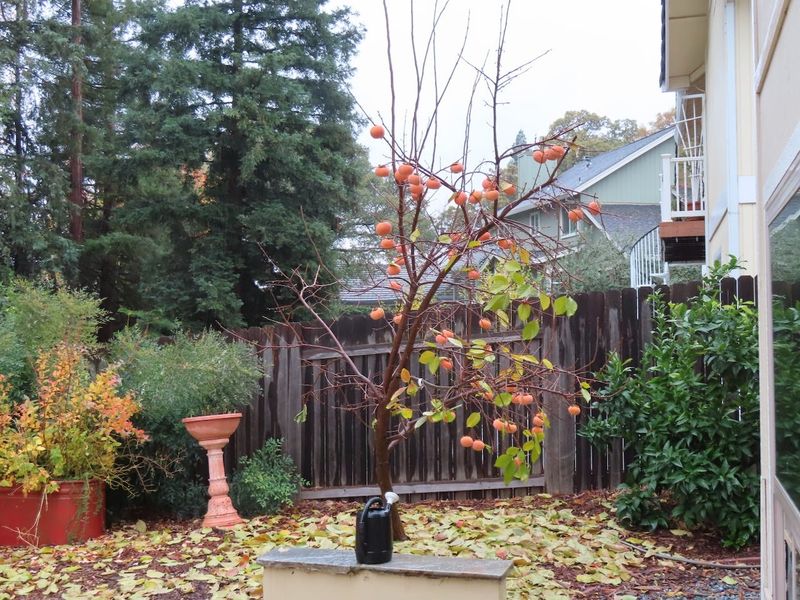
Fruit-bearing plants can give foxes something to eat. That is a long way from saying one planted species explains why a fox keeps coming back, and the North Carolina sources do not name such a plant.
Red foxes eat mostly mice, voles, and rabbits, according to the NC Wildlife Resources Commission red fox profile. They also take insects, birds, eggs, fruits, and berries.
Fruit is one item on a long menu.
Gray foxes lean on fruit more. The commission’s gray fox profile lists wild fruit, and it names persimmons and grapes as examples.
Those are diet examples, not planting advice, and not a promise that a persimmon tree or grapevine will bring a fox to your door.
Not every fox prefers the same fruit, and plenty of fruit-bearing yards go unvisited. A garden bed may add to the food available on your property, but it rarely explains every visit by itself.
Think of it as one possible piece of a larger picture.
That is why a bed deserves a look, not an automatic blame. The rest of this article walks through what else may be in play and what to do about it.
What makes a yard worth visiting again?
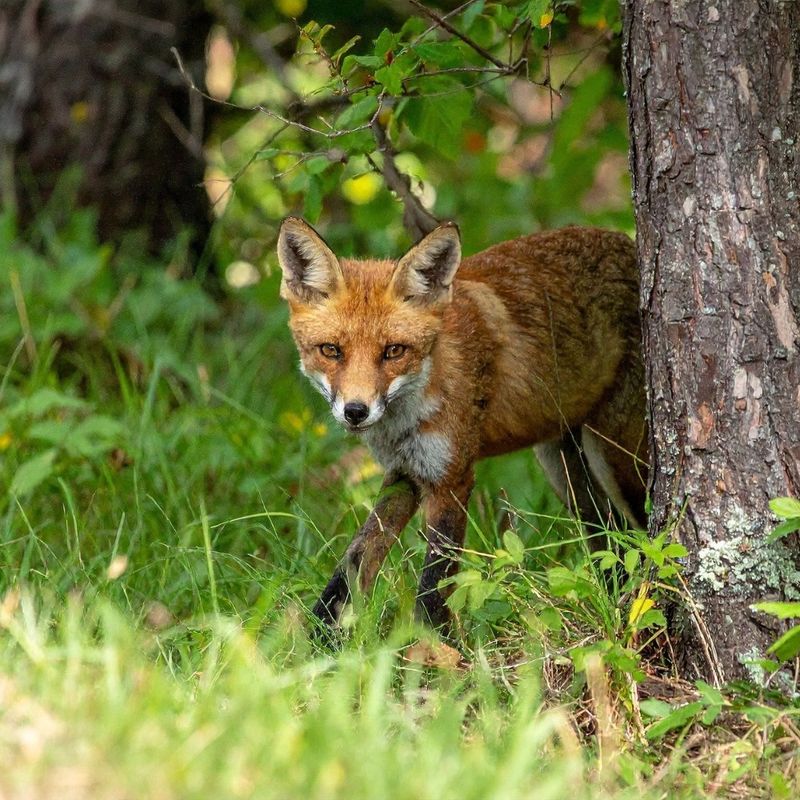
Foxes come back to places that keep paying off. If food or shelter stays available, a return trip makes sense, and a single plant is only one of many things that can fit that description.
The North Carolina Wildlife Resources Commission explains in its guide to coexisting with foxes that suburban sightings are tied to an abundance of food and den sites. Notice that the guide points to the whole neighborhood, not to a particular shrub or flower.
A fox may pass through several yards in one night. It might check a fallen apple in one, a bowl of pet food on a porch in the next, and a quiet spot under a deck two houses over.
Your bed could be one stop on that route, or it might not be on the route at all.
This is useful for homeowners. If you treat a repeat visit as a clue about resources instead of a verdict on one plant, you can look more widely and find the real pull.
It also helps to remember that neighbors matter. A tidy yard next to an unsecured trash area may still see foxes passing by.
Your goal is to reduce what your own property offers, not to control the entire block.
A planted bed can offer cover as well as food

Plants can matter to foxes in two different ways. Some bear fruit that animals eat.
Others simply grow thick enough to hide in or to shelter small animals that foxes hunt.
The commission’s fox coexistence guide lists ornamental shrubs among the neighborhood resources foxes may use. That puts leafy plantings in the possible-cover category, separate from the fruit question.
The University of Florida’s IFAS habitat guidance makes a similar point, noting that vegetation can provide food or cover for wildlife. Its advice is to identify the animal and the resource first, then decide whether a habitat change is worth making.
That does not mean every dense or ornamental bed draws foxes. Many beds are just beds.
A thick planting becomes more interesting to wildlife when it sits beside other resources, such as a quiet corner, a bird feeder with spilled seed, or an opening under a structure.
A practical way to sort it out is to ask what the bed actually does. Does it drop fruit?
Does it hide a gap or a pile of debris? Or is it simply there?
Your answer points toward the right fix, if any is needed.
Check the rest of the yard before blaming the beds

Before pulling out a single plant, take a slow lap of the property. A short evening walk can tell you more than guessing from the kitchen window.
Start with food on the ground. Look for fallen fruit under trees and vines, pet bowls left outside, trash cans without tight lids, an open compost pile, and seed scattered below feeders.
The commission’s coexistence guide names these as common draws.
Next, look for prey. Rodents often gather around feeders and sheltered spots, and a research-based wildlife damage resource treats them as part of the fox attraction picture.
Signs include gnawed material, small burrow holes, and droppings near stored seed.
Then check access. Look under porches, decks, and sheds for gaps wide enough for an animal to slip through.
The commission’s spring wildlife guidance is a good reminder that this season brings more animal encounters.
Write down what you find, and treat each item as something to assess, not proof. A bowl on the porch does not mean it caused the sighting.
If you see fox activity at a certain time or place, note that too. The pattern may point to the resource that matters.
Remove accessible food and close sheltered access

Once you know what your yard offers, fix those things first. Targeted changes are easier than a full overhaul, and they leave the plants you enjoy alone.
The commission’s fox guidance recommends a short list of steps:
Bring pet food indoors, and feed pets inside when you can. Secure garbage with tight lids or store it in a garage or shed until pickup day.
Rake up fallen fruit often, and sweep up spilled birdseed under feeders.
Close off crawl spaces under porches, decks, and sheds so animals cannot den there. Sturdy hardware cloth or well-fitted skirting can do the job, but check first that nothing is inside before sealing a space.
The University of Florida IFAS also advises securing compost, so use an enclosed bin instead of an open heap, and avoid adding meat or greasy scraps.
These steps can reduce what is available to foxes, but they cannot guarantee visits will stop. Foxes may still pass through on their usual rounds.
Even so, fewer easy meals and fewer den spots make your yard a less rewarding stop.
Balance a wildlife-friendly yard with the changes you want

Wanting birds and fewer fox visits at the same time is reasonable. The two goals can pull against each other, so it helps to decide what matters most to you.
The commission’s wildlife conflict guidance encourages native plants for natural food and shelter for birds. Its fox advice also says to remove specific attractants such as fallen fruit and spilled seed.
Put those together and the answer is selective management. Keep a native fruiting shrub, but pick up what drops.
Keep your feeder, but use a tray or sweep beneath it. Trim a bed that hides a gap instead of removing the whole planting.
You do not need to strip out fruiting or native plants. Pick the specific resource that is causing the trouble and deal with that.
Be cautious with deterrents. A wildlife damage resource says noise and lights may give temporary relief, and that the long-term value of dog or coyote urine is questionable.
Plant-based repellents, such as herbs, are not a proven fix, so they are not worth planning around.
Give foxes space and respond to warning signs
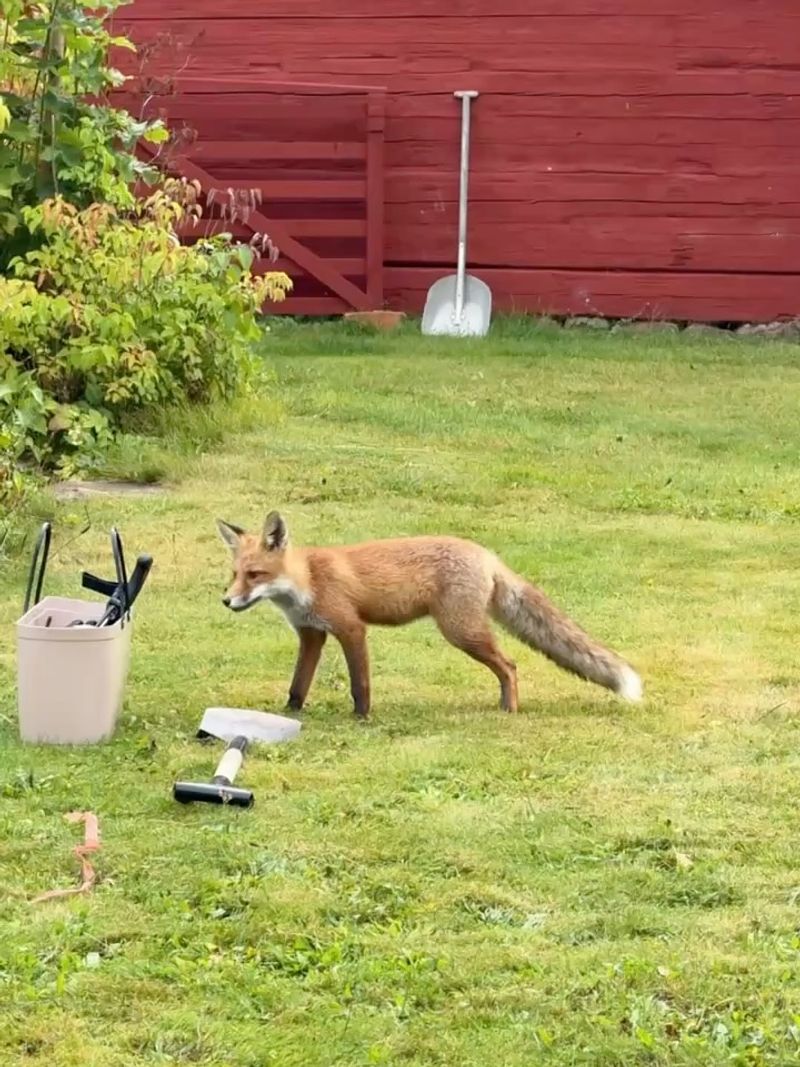
Most fox encounters are quiet and brief. Seeing one in daylight does not, by itself, mean the animal is sick.
Foxes may be out during the day while hunting or caring for young.
They also do some useful work. The commission’s red fox profile notes that they help control small mammals like mice and voles.
The best approach is distance. Do not approach, touch, or feed foxes, and leave kits alone even if they seem to be on their own.
The commission’s coexistence guide gives the same advice.
Do not try to trap and move a fox either. Relocation is illegal in North Carolina, and it can leave the animal in unfamiliar territory.
Call your local animal control if you see concerning signs, such as stumbling, aggression, or foaming at the mouth. Keep pets leashed or inside at dusk and dawn if foxes are active, and keep children back from any animal that seems unwell.
Look for a resource, not a culprit plant
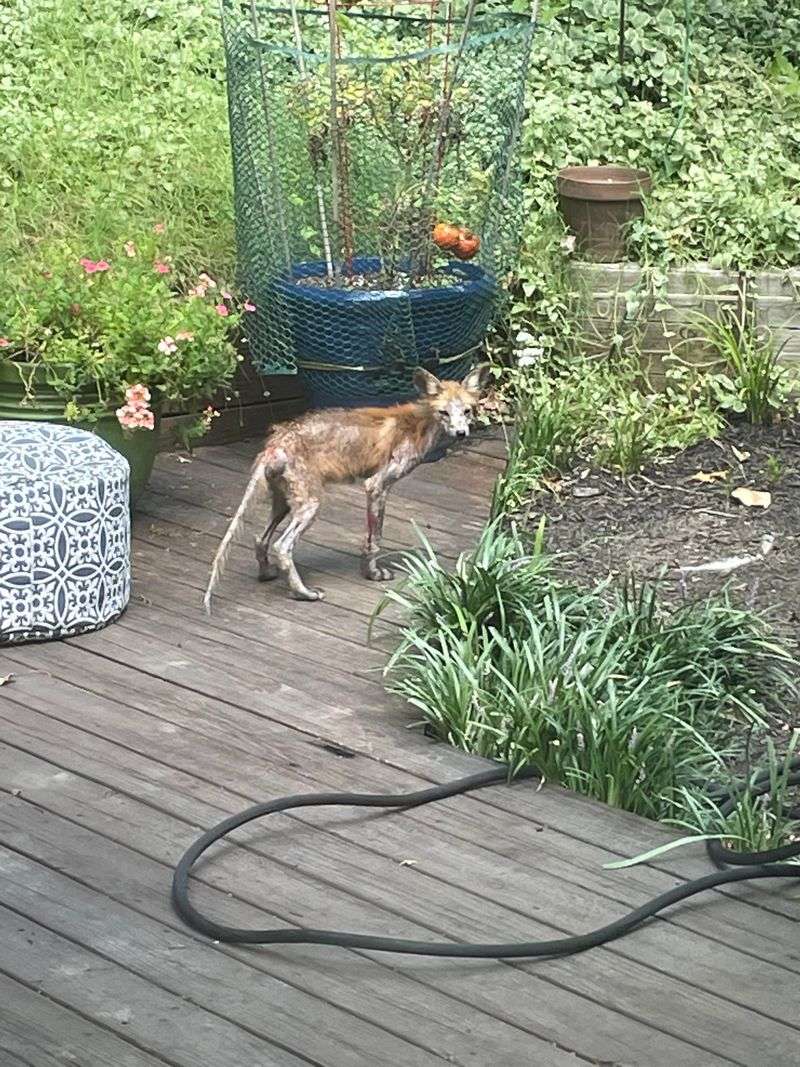
A fruiting or leafy bed may add food or cover, but nothing shows that one plant is the reason foxes keep returning. Walk the whole yard, find what is actually available, and deal with that.
The commission’s guidance and its fox profile point the same way.
Foxes follow meals and shelter, so the plant may simply be standing nearby.