
California is writing new fire rules for the first five feet around your house, and that strip is called Zone 0. If your wooden fence, deck, or gate touches your home, the draft rule could change what you are allowed to keep there.
The details are still being worked out, so many homeowners feel confused or worried. Here is a clear look at what the draft says, what it may mean for your yard, and what you can do now without panicking.
1. What Zone 0 Is and Why It Exists
Picture a glowing ember the size of a fingernail drifting a mile ahead of a wildfire. Fire scientists say embers like that cause a large share of home losses, often by landing in the first few feet next to a wall.
Zone 0 is California’s name for that zero-to-five-foot band around your house.
The idea came from Assembly Bill 3074, passed in 2020, which told the Board of Forestry and Fire Protection to write rules for this ember-resistant zone. The Board has been drafting and revising those rules for years, and they are expected to apply first in high and very high fire hazard severity zones.
In plain terms, the goal is to keep anything that can catch an ember and burn away from the walls. Wood, mulch, dry leaves, and stacked firewood all fall into that worry list.
2. The Wooden Fence Attached to Your House
Many California backyards share the same quiet design flaw: a redwood fence that runs right up and bolts onto the side of the house. Fire investigators sometimes call these fences wicks, because flames can travel along them straight to your siding.
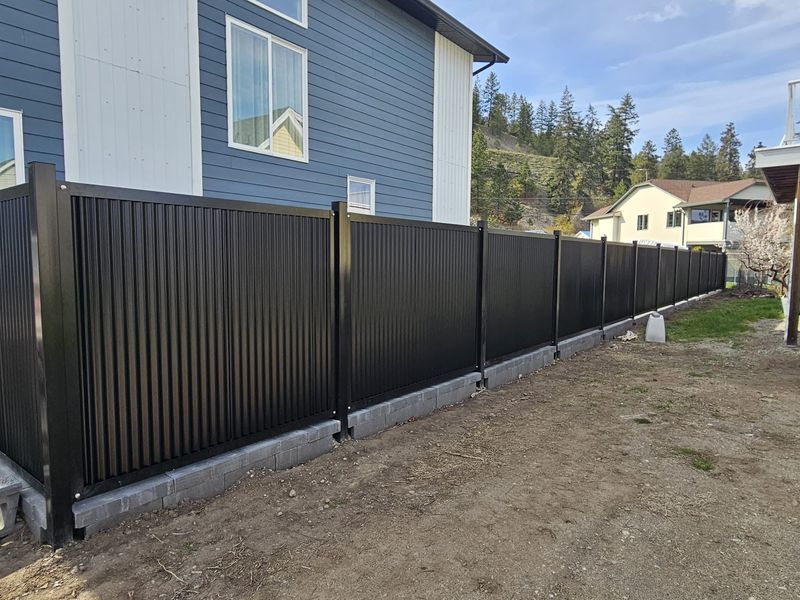
Draft language has pointed toward requiring that the last five feet of a fence connected to a home be made of noncombustible material. Metal, masonry, or a short gap could all be options, though the final wording may shift before adoption.
The practical fix is often smaller than people fear. Swapping only the final section or two for a steel or masonry panel may satisfy the intent while keeping the rest of your wood fence intact.
3. Wooden Gates Near the Side Yard
Gates get overlooked because they feel like a small thing. Yet a side-yard gate usually sits within a few feet of the house, often next to trash bins and a pile of dry leaves.
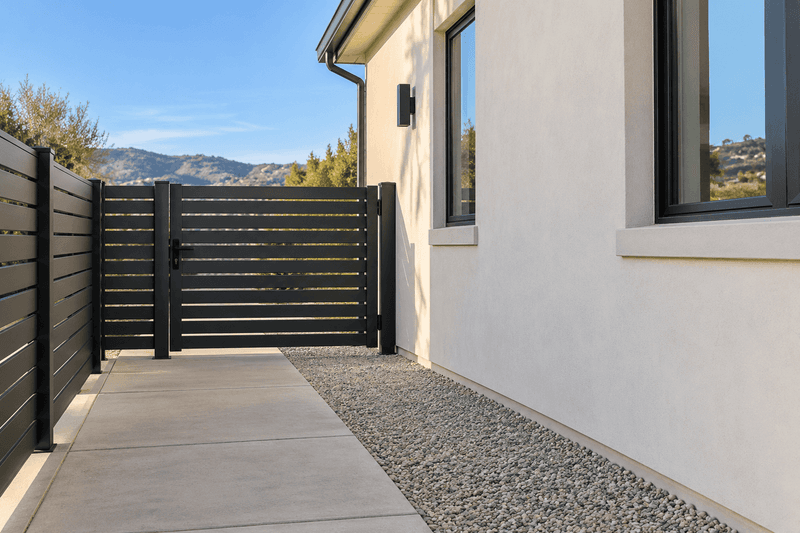
Because a gate is part of the fence line, it is likely to be treated the same way when it falls within five feet of the structure. That means a wooden gate tucked against your wall could be a target for replacement under the draft rule.
Good news: metal gates are easy to find, often last longer, and do not warp in summer heat. Powder-coated steel with a wood-look finish can keep a warm style without the fuel.
4. Your Wooden Deck and What Sits Under It
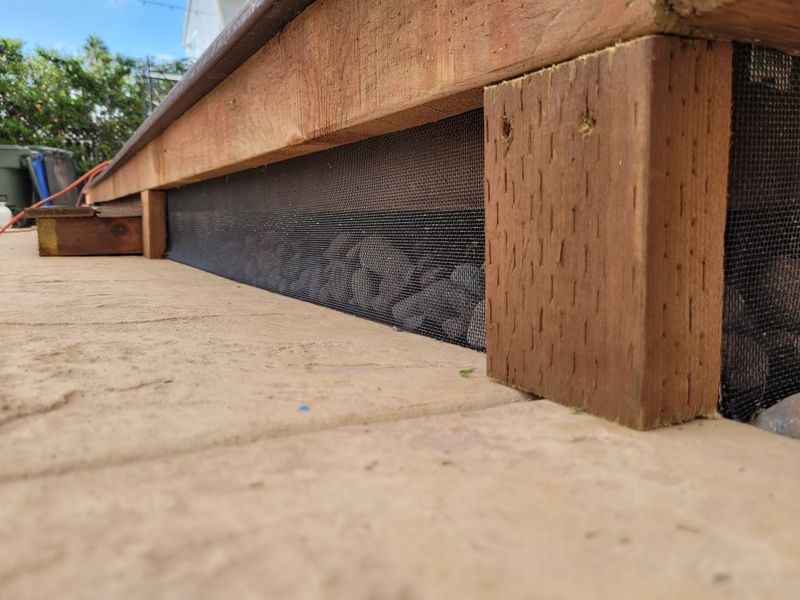
Here is the twist many deck owners miss. Current discussion of the draft focuses heavily on what is on and under the deck within Zone 0, not only the boards themselves.
Leaves, stored lumber, cushions, and plastic bins under a deck can catch embers and turn the whole platform into a fire starter. The draft is expected to push homeowners to keep that space clear and noncombustible near the house.
Whether existing wooden decking must be fully replaced is less settled, and details may change. Ember-resistant materials such as fire-rated composites are already required for new decks in some fire zones under the building code.
5. Mulch, Plants and Wood Chips Next to Fences
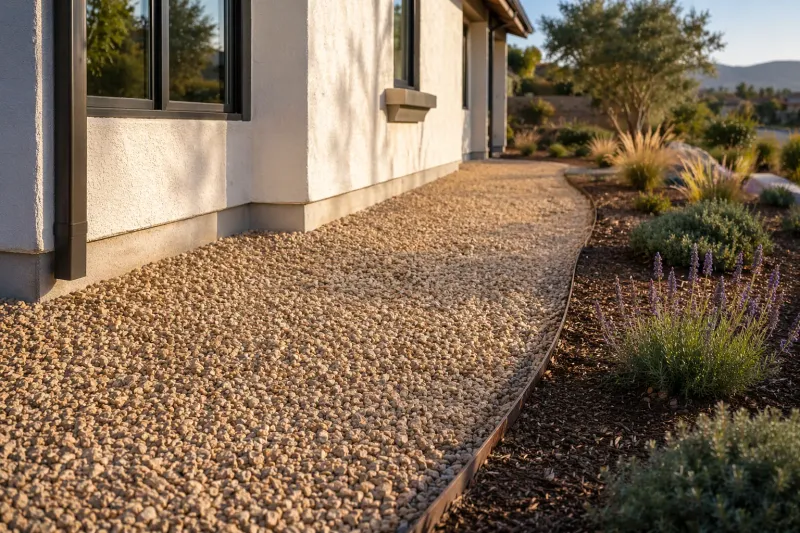
Bark mulch looks tidy and saves water, which is exactly why so many Californians spread it right to the foundation. Unfortunately, dry shredded bark can smolder for hours after an ember lands.
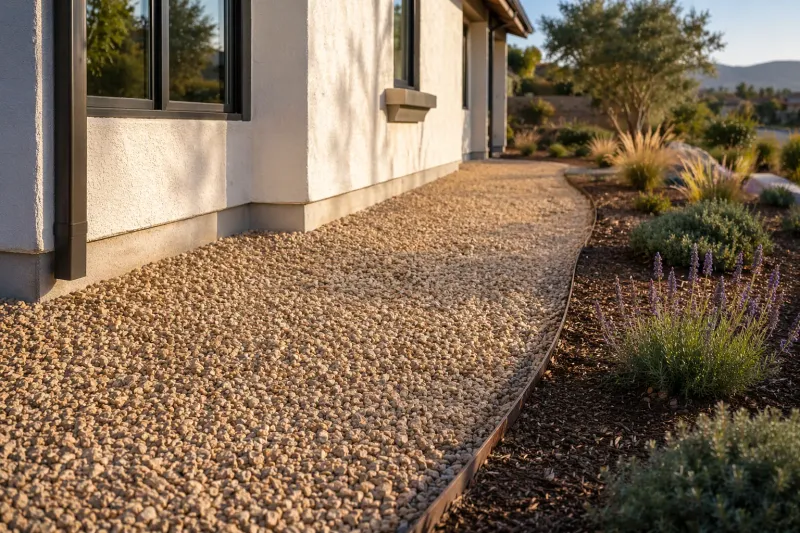
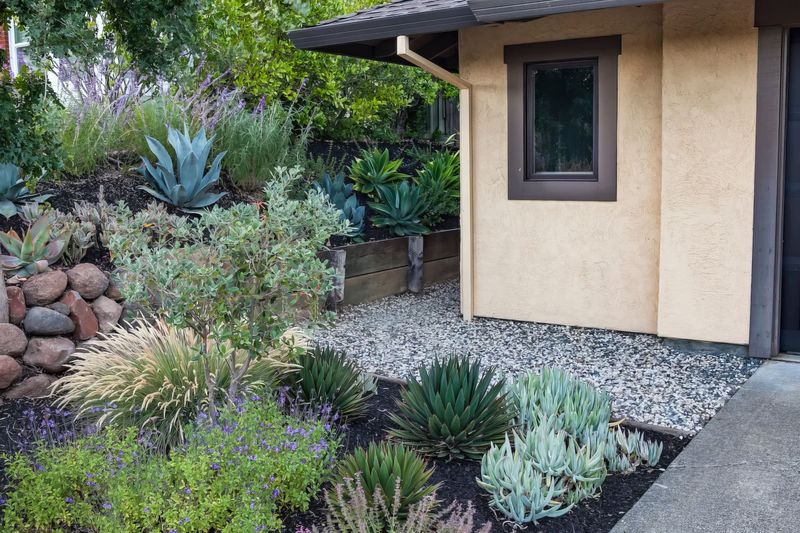
Draft Zone 0 guidance favors hard surfaces like gravel, pavers, concrete, or decomposed granite in that first five feet. Living plants may face limits too, especially woody shrubs pressed against walls.
For wildlife lovers, the trade-off stings a little. Moving pollinator plants just beyond five feet can still feed native bees and butterflies while keeping the wall zone clean.
6. Who the Rule Applies To and When
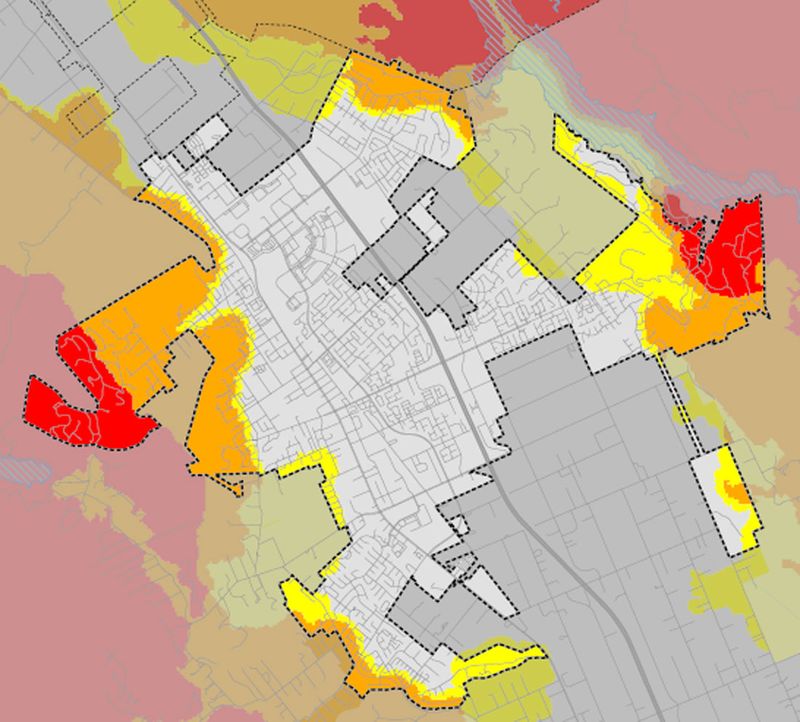
Not every California yard is on the hook, at least not right away. The draft targets homes in state and local very high fire hazard severity zones, which CAL FIRE has been expanding in its updated maps.
Timing has slipped more than once. Reports suggest new homes may need to comply sooner, with existing homes getting a phase-in period that could run a few years after adoption.
Your first step is simple: look up your address on the CAL FIRE hazard zone map. Local fire districts can also adopt stricter rules, so a call to your city or county may save guesswork.
7. Costs, Insurance and Home Sales
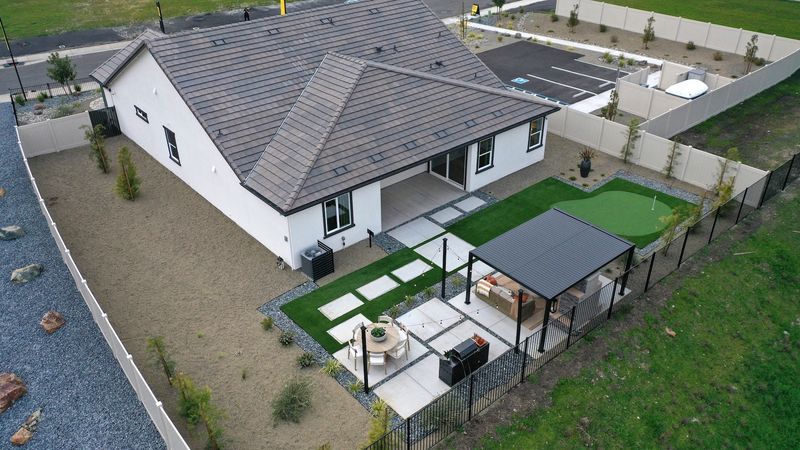
Money is where this rule really hits home. Swapping a few fence panels may cost a few hundred dollars, while rebuilding a deck can run into the thousands.
Insurance is the bigger wildcard. Some insurers already inspect for wood touching the house, and California’s Safer from Wildfires program can offer discounts for certain mitigation steps, so upgrades may pay back over time.
Sellers in fire zones already face defensible space disclosure rules. Zone 0 compliance could become one more checklist item that buyers and inspectors ask about.
8. Smart Steps to Take Before the Rule Is Final
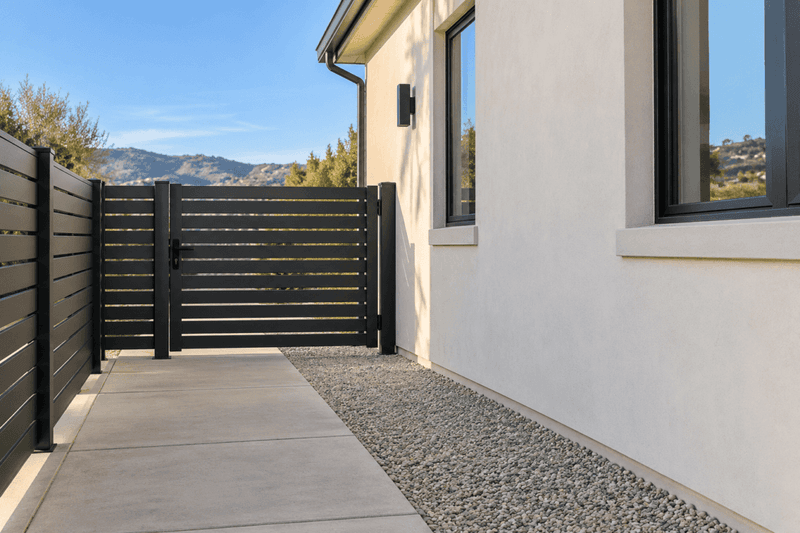
You do not need to tear anything out this weekend. Waiting for final language is reasonable, but a few low-cost moves can lower risk right now.
Clear leaves and debris from fence bases, gates, and under decks. Move firewood, cushions, and storage bins at least five feet from the house, and replace bark mulch by the walls with gravel.
Then plan the bigger items, like the fence section that touches your siding. Budgeting over a season or two keeps the cost manageable, and your yard can still stay green and pollinator friendly just past that five-foot line.