
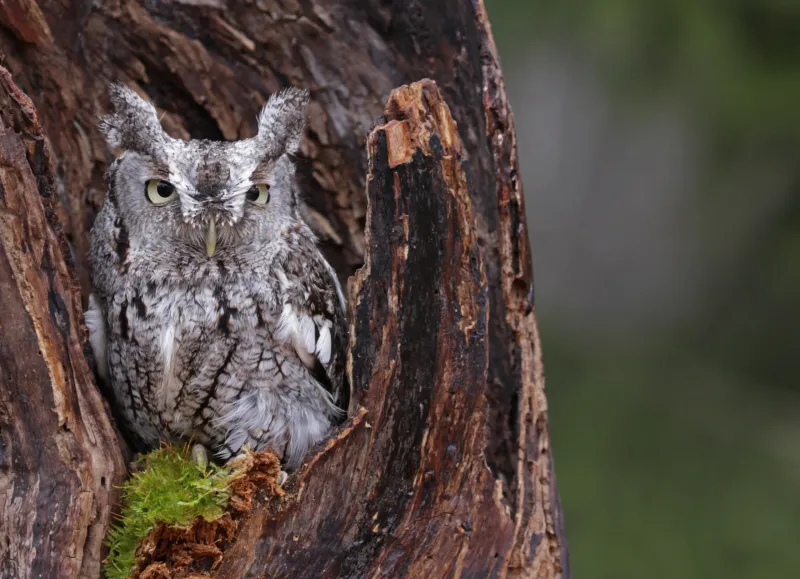
You are winding down for the night when a strange sound floats through the dark, like a ping-pong ball dropping faster and faster. That sound is likely a small owl, no bigger than a soda can, announcing itself somewhere nearby.
It is easy to read a lot into one call, but the real story is more interesting and more useful. Here is what the song tells you, what it cannot tell you, and how to be a good neighbor to the owl.
The bouncing-ball song is an owl’s signal
Picture a ping-pong ball dropped onto a table, bouncing faster and faster until it settles. That is the classic Western Screech-Owl song: about five to nine short, accelerating whistles or hoots, usually on one pitch.
According to Cornell Lab sound descriptions, this is the sound people most often call the bouncing-ball song.
The owl has another call that is easy to mix up with it. The double trill is a short pair of trilled notes used as a contact call, more like a quick check-in than a full song.
If you hear a long, speeding-up series, you are likely hearing the song. If you hear a short two-part trill, that is a different message.
Males use the bouncing-ball song to advertise their territory and to attract a mate. As Cornell life history notes describe, a pair may call near a nest tree or a possible nest site.
That said, the song is an identification clue, not a map. It tells you an owl is active somewhere in the area.
It does not prove a nest is on your property, and sound carries farther at night than most people expect.
What does a call say about your yard?
Hearing an owl is a nice moment, but it is not a report card for your garden. The call suggests the owl is using the wider landscape, which might include several yards, a park, a creek corridor, or a patch of woodland.
Where it nests, roosts, and hunts could be a block away.
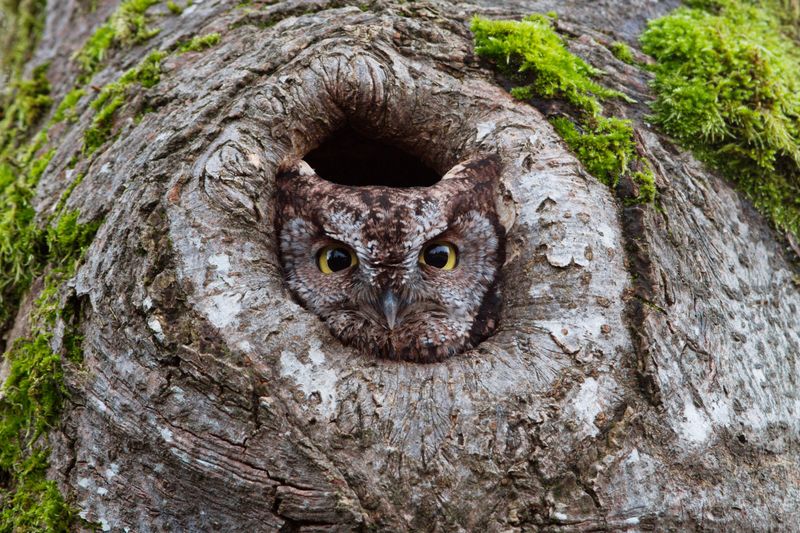
Western Screech-Owls are adaptable. California Wildlife Habitat Relationships data show they live in California and tolerate human-altered settings, including small towns and suburbs.
Cornell notes that they use varied places such as woodlands, parks, and other semi-open habitats.
So what can you reasonably conclude? A nearby call hints that the broader area offers some usable habitat.
That is a hopeful sign, and it is where the conclusion ends.
It does not tell you whether your yard is free of pesticides, full of native plants, or packed with prey. One owl heard from your patio cannot measure any of that.
Treat the call as a pleasant clue about the neighborhood, then look at your own yard with fresh eyes and make small improvements anyway.
It may eat pests, but the call does not promise pest control
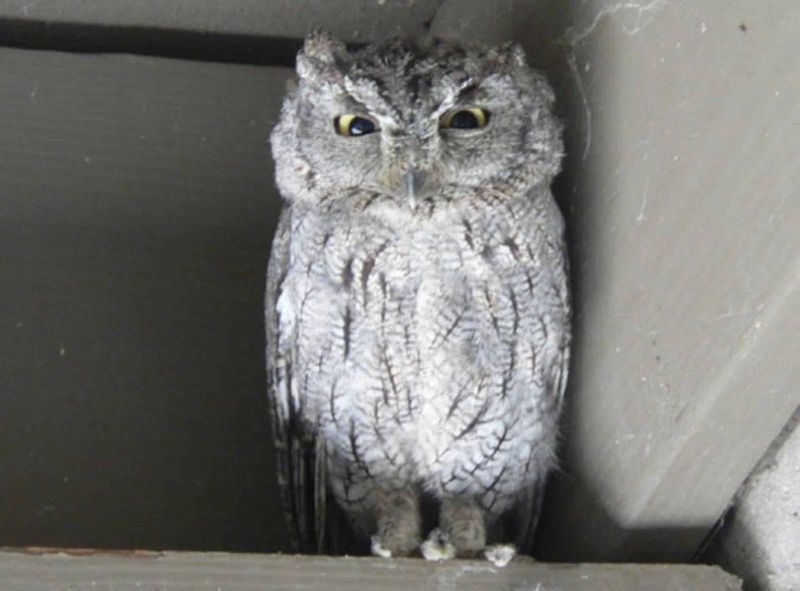
Screech-owls are small hunters with a varied menu. Cornell’s life history page lists small mammals and insects as important prey, along with birds, reptiles, amphibians, and other invertebrates.
Beetles and moths show up in published diet accounts, as noted in the Audubon field guide.
What an owl eats depends on where it lives and what season it is. California habitat relationship data reflect that same flexibility.
An owl near a creek may eat different food than one near a hillside or a town edge.
Here is the catch. The owl you hear is one individual, and its song does not show what it is catching or where.
It might hunt your garden, or it might hunt a vacant lot two streets over.
A practical example: if you hear an owl and also have mice in the garage, do not wait for the owl to solve it. Handle the mouse problem directly with the steps in the next sections, and consider any owl visit a bonus rather than a plan.
Cavity trees offer a practical way to support nesting
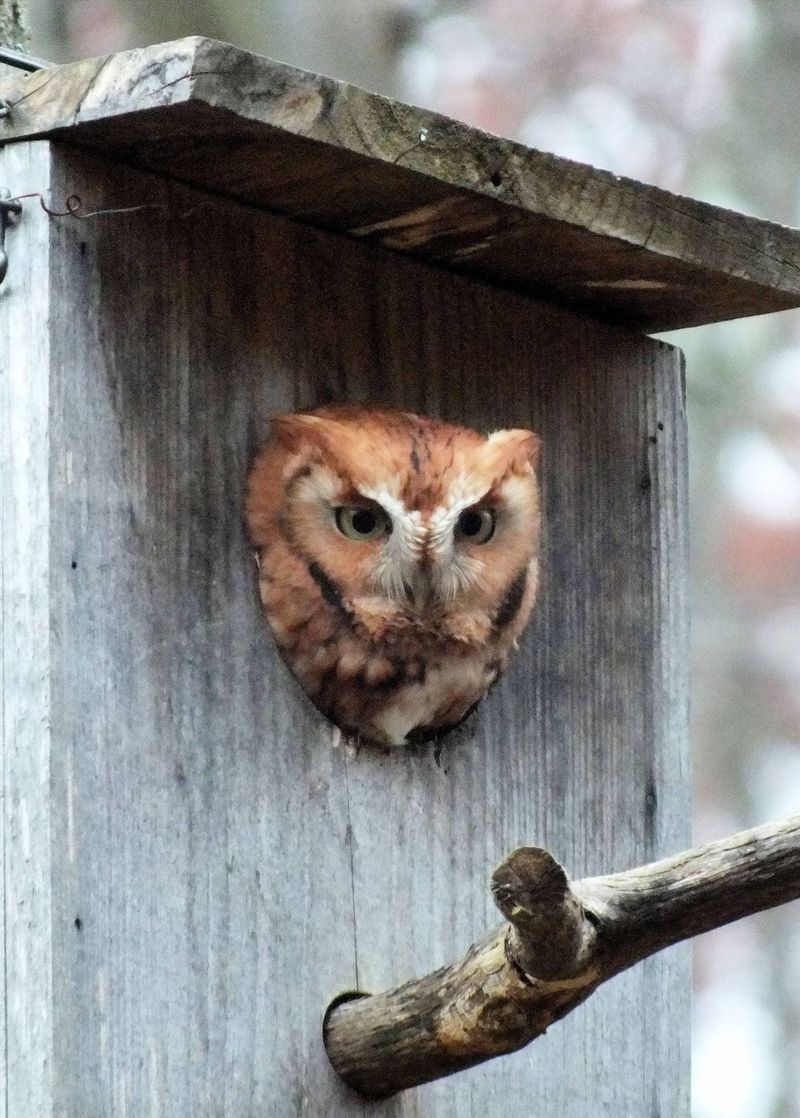
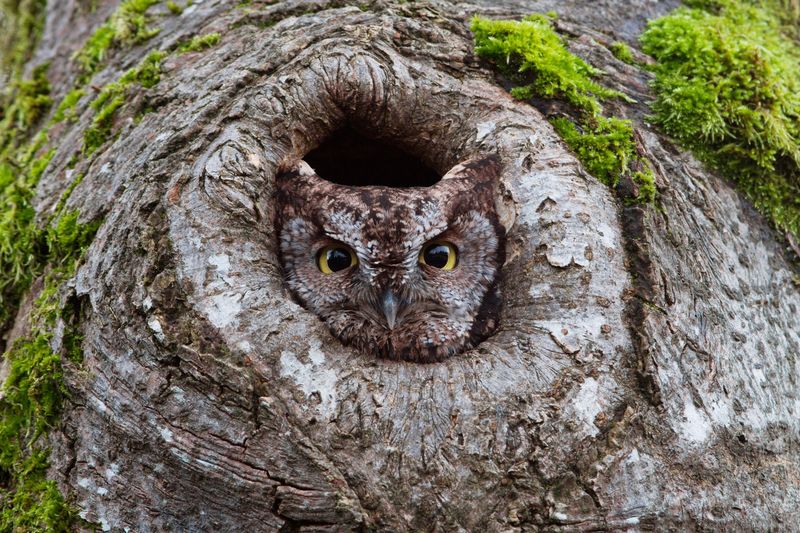
Western Screech-Owls nest and roost in tree cavities, and old woodpecker holes are a common choice. Cornell’s life history account describes this habit, and California wildlife habitat data point to the same need for cavities.
The simplest support is to keep a cavity-bearing tree when it is safe to do so. A dead limb over a roof, driveway, or play area may need professional attention.
A snag or old oak in a quiet corner, away from where people and cars pass, may be worth keeping.
A nest box is an optional extra. Cornell’s backyard tips note that these owls sometimes use boxes.
If you build or buy one, use plans made for screech-owls, and add protection from predators such as a baffle on the mounting pole.
Keep expectations realistic. A box, like a good tree, gives owls a chance to nest.
It does not guarantee they will move in, and you cannot order an owl on demand. Offering a safe spot is the point.
Manage mice without exposing owls to poison
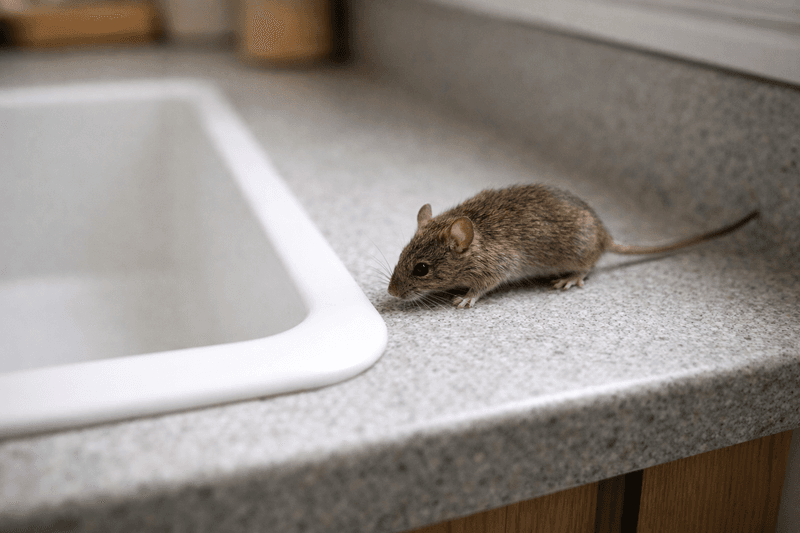
Start with prevention, since it works without risk to wildlife. California Fish and Wildlife recommends sealing gaps in buildings and removing attractants, as described in its avian investigations guidance.
That includes pet food left out, fallen fruit, birdseed spills, and piles of debris.
Walk your house at dusk or with a flashlight. Look for gaps around pipes, vents, garage doors, and the foundation.
Store pet food and seed in lidded containers, pick up fruit from citrus and fruit trees, and clear clutter where rodents can hide.
Poison is where owls can get hurt. When a predator eats a rodent that has eaten anticoagulant bait, it can be exposed too.
That is called secondary exposure, and CDFW documents it in predators. For that reason, avoid anticoagulant rodenticides around wildlife.
California’s rules are not a simple ban on all rat poison. Restrictions depend on the compound and the use, and exemptions exist.
For details, check California DPR guidance on diphacinone and its guidance on second-generation anticoagulants. Read the current label, and consider a licensed pest professional who prioritizes prevention.
If you find an active nest, give it space
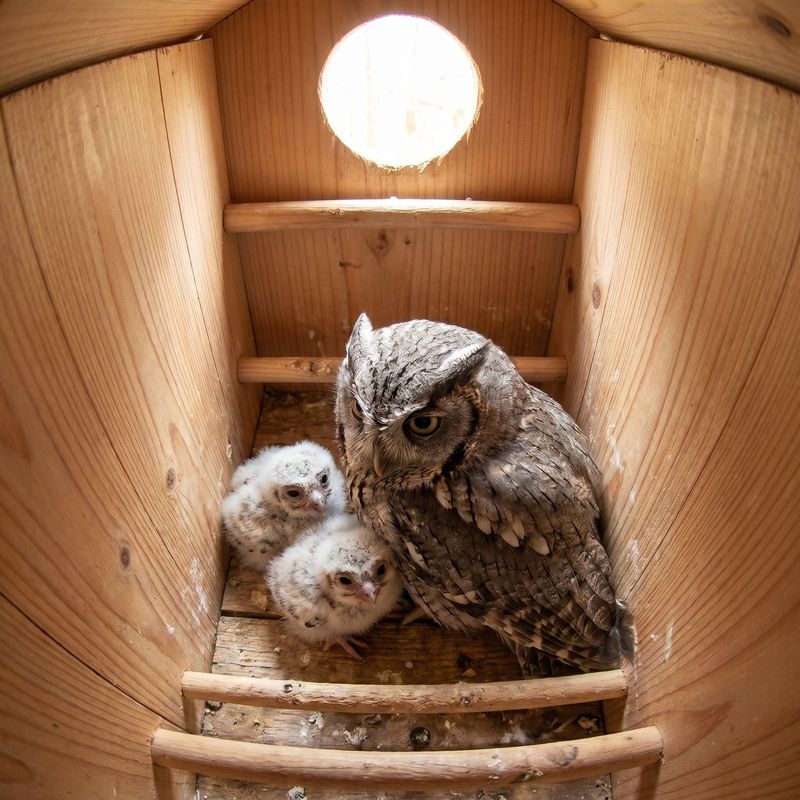
If you suspect an owl is nesting nearby, the best move is to leave it alone. Do not approach, handle, move, or disturb it, and do not climb up or peer into the cavity.
Watching from a distance, or just enjoying the calls, is plenty.
There is a legal reason as well as a practical one. California Fish and Wildlife notes that most wild birds and their nests are protected under state and federal laws.
Cornell’s NestWatch guidance advises leaving an active nest in place until the birds have fledged. That means waiting out the season before any work on that tree or limb.
In practice, keep pets and bright lights away from the area, and postpone trimming or tree work near a suspected nest. If something seems truly wrong, contact a licensed wildlife rehabilitator or your local wildlife agency instead of stepping in yourself.
Treat the call as a reason to coexist, not a yard grade
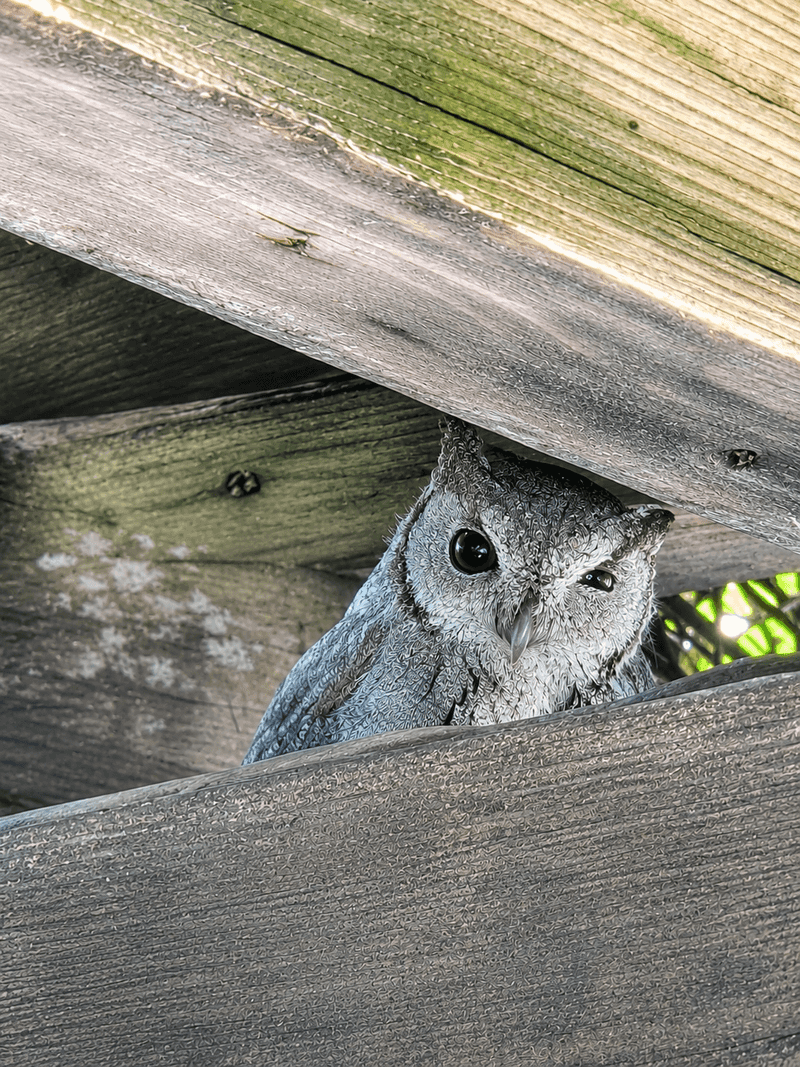
Enjoy that bouncing-ball song for what it is: a sign an owl is using the wider area. It is not a grade for your yard, and it is not a pest-control promise.
The steps that matter are the ones you can take, from keeping safe cavity trees to cutting rodent attractants, skipping poisons, and following CDFW advice to leave active nests alone.
Some nights the best thing you can do for a small owl is listen, and let it get on with its work.