
A sunny patch of Florida sand can become a feeding spot for one of the state’s most useful wild neighbors. Gopher tortoises eat low-growing plants, and their burrows provide shelter for hundreds of other animal species.
These seven plants can improve the food supply where tortoises already live, though no planting guarantees a visit. The goal is to support wild tortoises safely, not move them into your yard or disturb their protected homes.
1. Gopher Apple
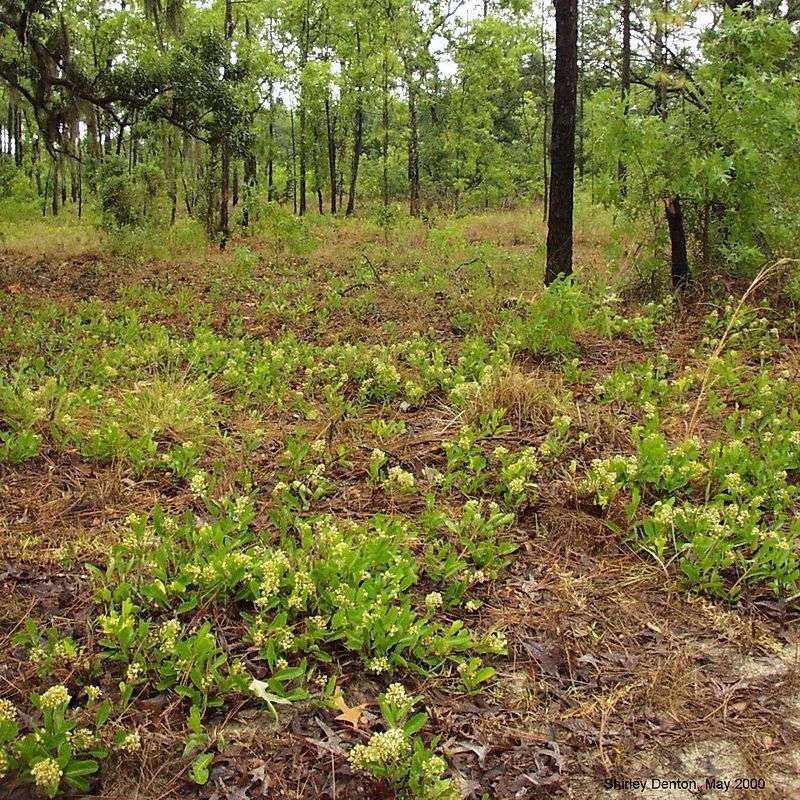
Some of the best tortoise food grows barely above ankle height. Gopher apple forms low colonies in Florida’s sandy uplands, putting its leaves and seasonal fruit within easy reach of a grazing tortoise.
Also sold under the botanical name Licania michauxii, this native shrub belongs in sunny, well-drained ground. Its underground stems gradually spread, making it useful for a natural-looking patch along an open pine area or a dry yard edge.
Start with nursery-grown plants rather than digging them from the wild. Water during establishment, then reduce irrigation as roots develop; soggy beds and rich soil are poor matches for its needs.
The payoff is a lasting food patch that does not need lawn-style care. Leave room for it to spread, and avoid frequent mowing that removes its flowers and fruit.
Place new plants well away from any existing burrow. Florida protects both gopher tortoises and their burrows, so check Florida Fish and Wildlife Conservation Commission guidance before digging or changing the ground nearby.
2. Sunshine Mimosa
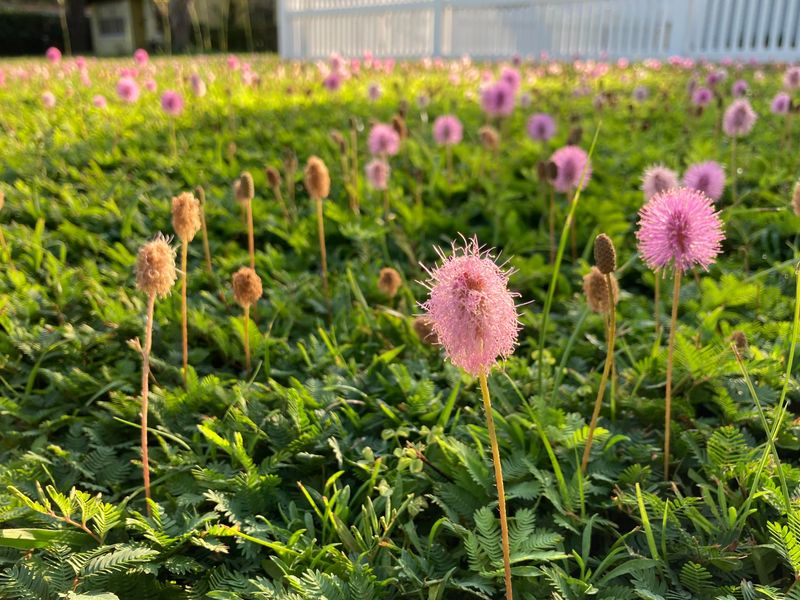
Pink powderpuff flowers can make a practical feeding patch look like a planned garden feature. Sunshine mimosa pairs those cheerful blooms with low, leafy growth that gopher tortoises can browse.
This Florida native works well in sunny lawn openings and informal borders. It tolerates some light shade, but flowering is generally stronger with plenty of sun.
Give young plants regular water until established, then adjust irrigation to rainfall and soil conditions. Spreading stems can move beyond the original planting, so use it where a wandering groundcover is welcome rather than beside tiny, slow-growing plants.
As a legume, sunshine mimosa can partner with root bacteria that fix nitrogen. That does not mean it fertilizes your whole yard, but it is one reason heavy feeding is usually unnecessary.
Its flowers also attract bees, adding another layer of wildlife value. Keep a separate walking route through the area, and mow only after checking carefully for tortoises and other animals hidden in the foliage.
3. Frogfruit
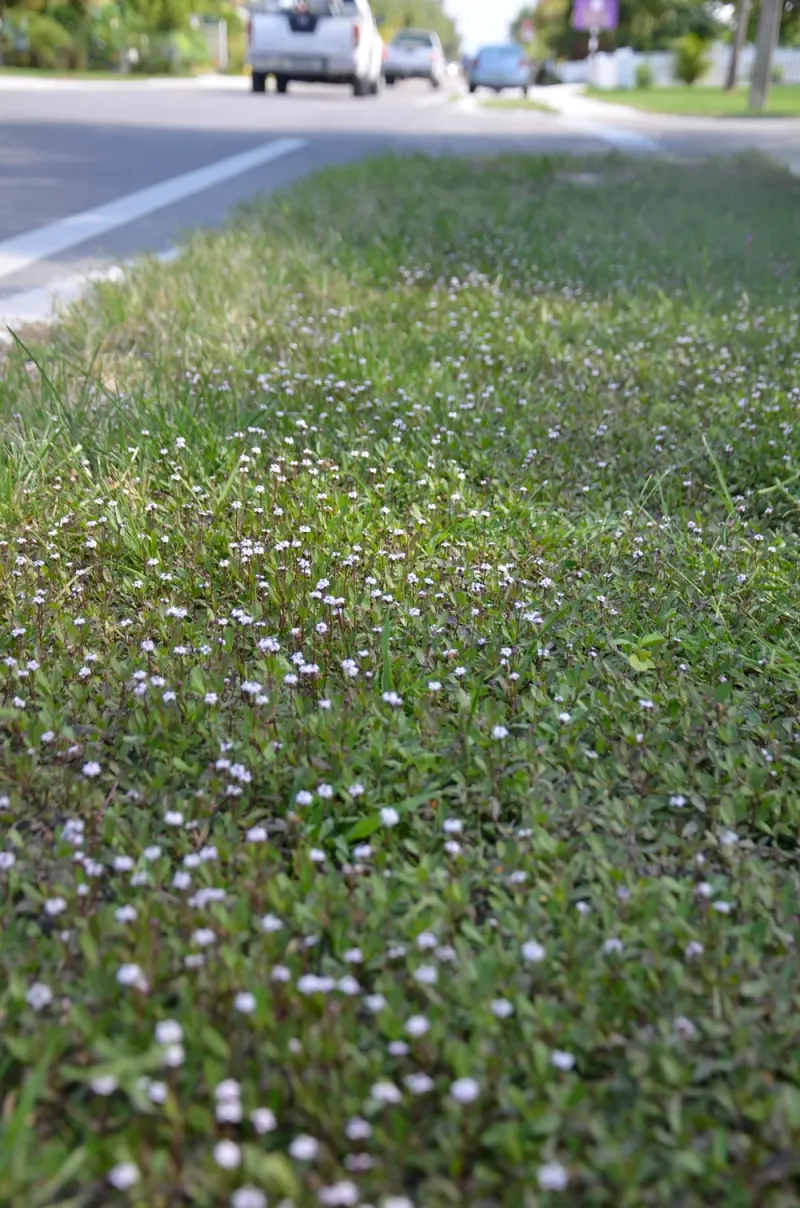
Not every useful wildlife plant needs a showy bloom. Frogfruit stays close to the soil, offering accessible leafy growth while its tiny flowers draw a steady stream of insect visitors.
Phyla nodiflora is a Florida native that fits sunny to partly shaded spaces. It handles a wider range of moisture conditions than many sandhill plants, making it useful in ordinary yard areas that are not always bone-dry.
Use it as a loose groundcover beside a patio or in a lightly traveled lawn alternative. It can spread quickly in favorable conditions, and its appearance is more casual than a closely clipped turf lawn.
Tortoises may browse its foliage, while several butterflies use it as a caterpillar host. Avoid insecticides on the patch, since healthy-looking leaves are not the only measure of a successful wildlife garden.
A greener frogfruit bed does not make a wet yard suitable for a tortoise burrow. Gopher tortoises still need nearby dry, well-drained ground, sunlight, and safe access to the rest of their habitat.
4. Eastern Prickly Pear
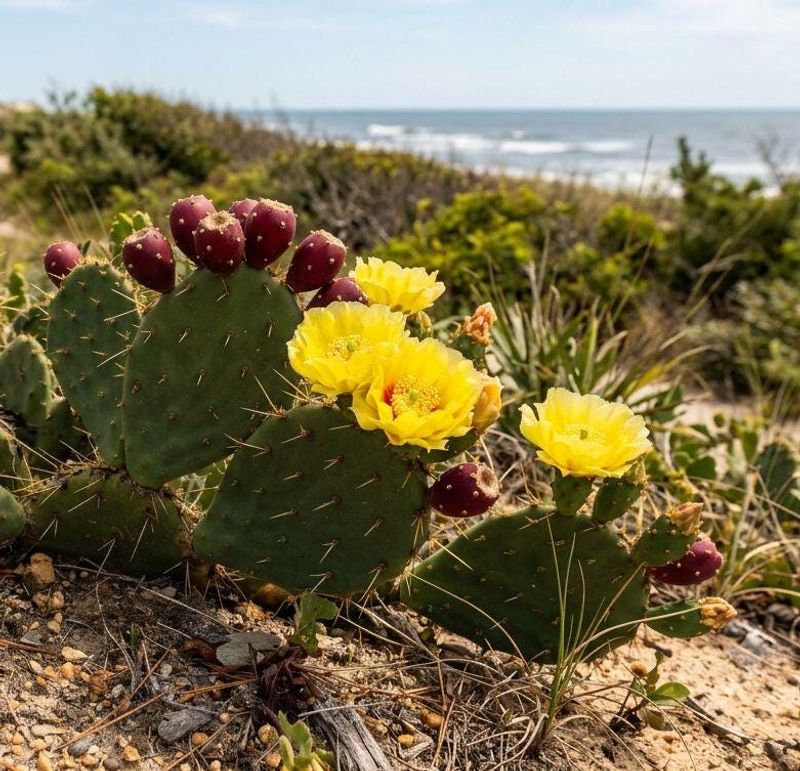
A cactus might seem like an unlikely item on a tortoise menu, yet native prickly pears provide pads, flowers, and fruit that tortoises can eat. Their water-rich tissue adds variety to a diet built largely around leafy plants and grasses.
Choose a locally appropriate native species from a reputable Florida nursery. Eastern prickly pear, Opuntia humifusa, suits many dry sites, but Florida has several prickly pears, and correct identification matters.
Plant in full sun with sharp drainage. A sandy rise or dry border is a better choice than a low spot where summer rain collects.
Keep cactus away from play spaces, narrow paths, and places pets regularly investigate. Even pads that appear nearly spineless can carry tiny, irritating bristles called glochids.
Leave the plant growing naturally rather than cutting pieces to hand-feed wildlife. Tortoises should choose their own forage, and a mixed planting is healthier habitat than a pile of treats that encourages animals to gather near people.
5. Carolina Elephantsfoot
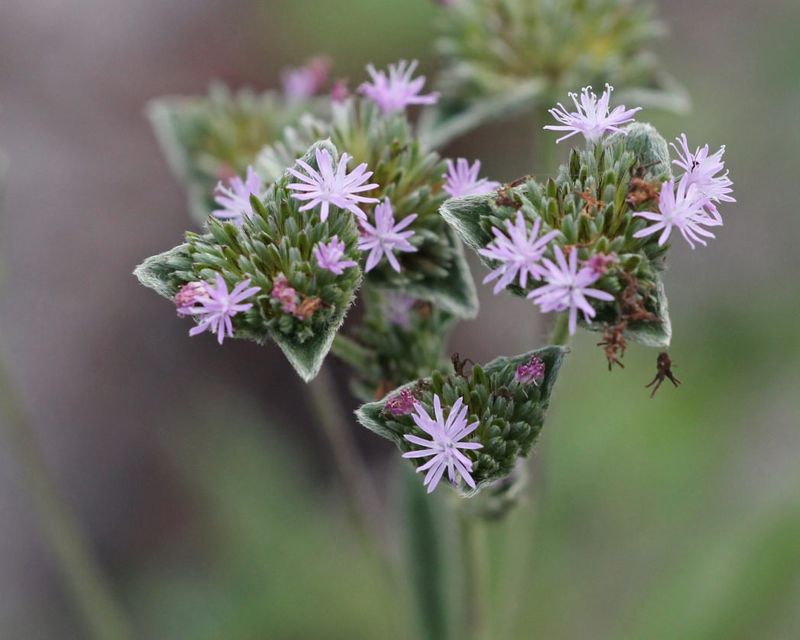
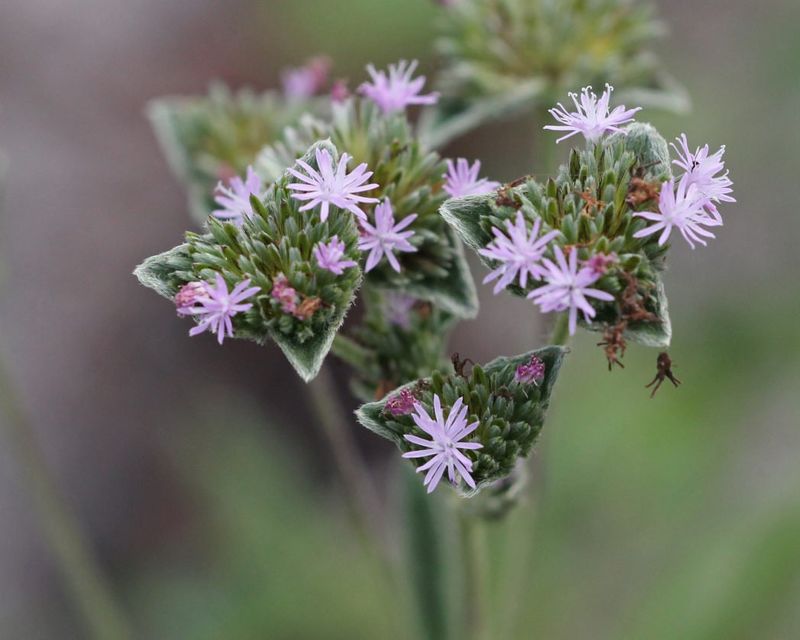
Broad leaves near the ground are a useful feature when your garden visitor carries its dining table on four short legs. Carolina elephantsfoot offers that reachable foliage, making this native wildflower a worthwhile part of a tortoise-friendly plant mix.
Elephantopus carolinianus grows in Florida’s open woods and other suitable habitats. Give it sun to partial shade and well-drained soil, choosing a nursery source that can confirm the species and its suitability for your county.
Its small lavender flowers are modest, but they add interest above the leafy base. Tuck plants into a loose wildflower border rather than expecting the tidy shape of a formal bedding plant.
Let some flower stalks remain long enough to set seed. Avoid blanket weed treatments, which can remove the broadleaf plants that make a tortoise’s feeding area more varied.
That variety matters more than any single favorite food. Combine low herbs with grasses and open sandy spaces so the yard offers several feeding choices without becoming a dense wall of vegetation.
6. Narrowleaf Silkgrass
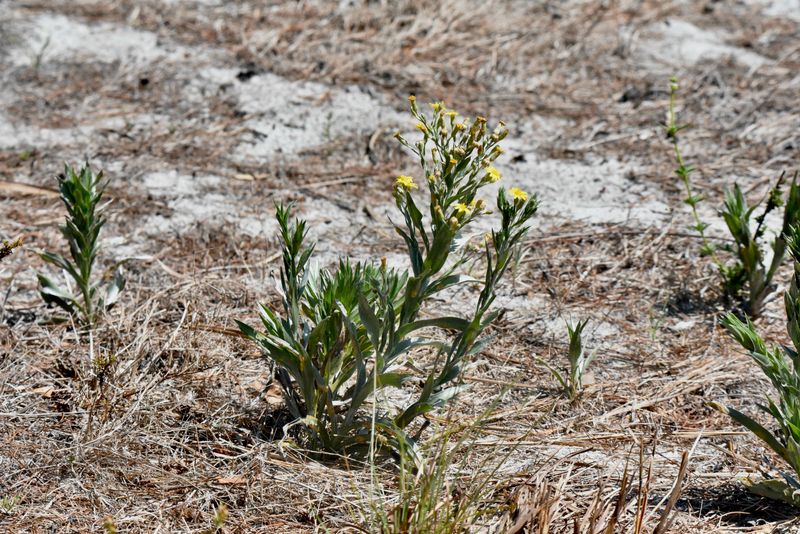
Silver foliage earns its space even before the yellow flowers appear. Narrowleaf silkgrass brings a tidy-looking contrast to dry Florida gardens, while its low leaves can contribute to a gopher tortoise’s forage choices.
Despite the common name, Pityopsis graminifolia is a flowering member of the aster family, not a true grass. Its narrow, silky leaves give it a grassy appearance and help it fit naturally beside native bunchgrasses.
Choose full sun and well-drained sandy soil. Once established in a suitable site, it generally needs little extra water, making it a useful option for beds beyond the reach of regular irrigation.
Allow space for colonies to expand, and resist the urge to enrich the bed heavily. Too much water and fertilizer can work against the lean conditions this plant prefers.
Its flowers offer an additional food source for visiting insects. Combined with tortoise forage, that gives a small planting two jobs, although browsing levels will vary and no gardener should expect every visiting tortoise to sample every plant.
7. Broomsedge Bluestem
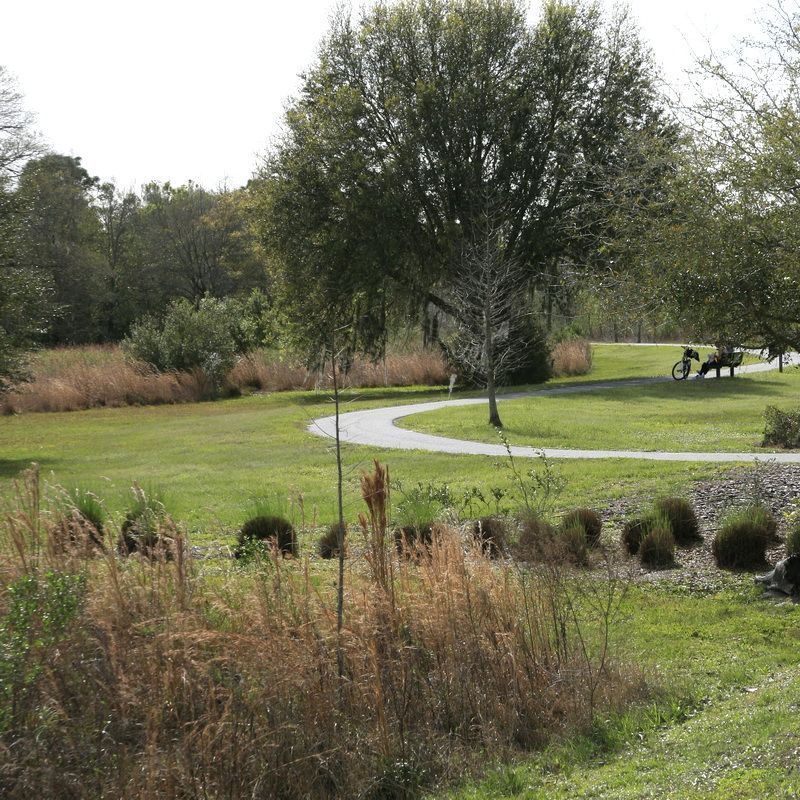
A little meadow texture can do more for tortoise habitat than another tightly clipped lawn strip. Broomsedge bluestem supplies native grass growth, with younger leaves offering more useful forage than tough, mature stems.
Andropogon virginicus suits sunny, sandy sites and develops warm copper tones as its stems age. Use small groups along a roomy yard edge, keeping plenty of shorter plants and open feeding areas between clumps.
Do not let the planting become a solid thicket. Dense, rank growth shades out low forage, and dry stems should be managed with fire safety and local rules in mind.
The larger reward comes when suitable habitat supports an existing tortoise population. Their burrows provide refuge from heat, cold, and fire for more than 350 animal species, including insects, frogs, and small mammals.
Think of that benefit as stronger backyard biodiversity, not guaranteed pest control or better drainage. Never fill, probe, flood, or landscape over a burrow; before ground-disturbing work within 25 feet, contact FWC about applicable protections and permits.
Keep pets away and let wild tortoises arrive and leave on their own. Food plants support habitat, but they do not make relocation legal.