
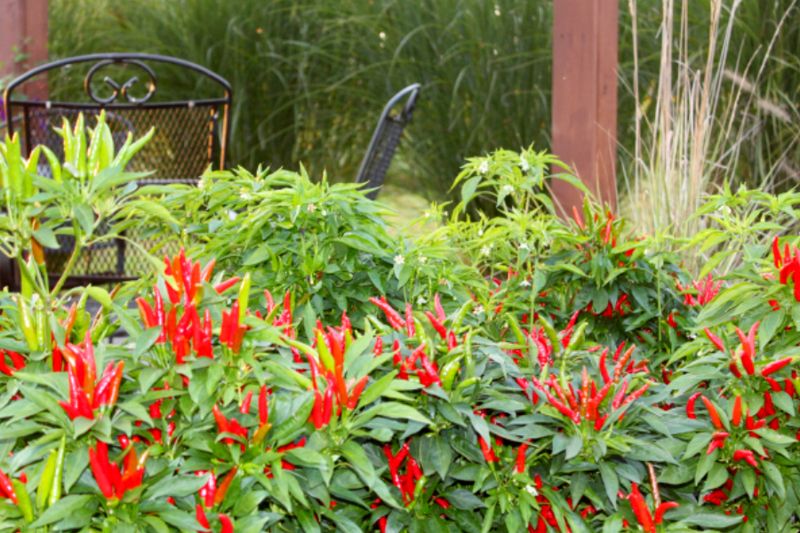
Your pepper plants are heavy with green fruit, and the days are getting shorter. A popular tip says pinching off new flowers will make those hanging peppers turn red faster.
The truth is more nuanced, and knowing it can save you from wasting good peppers. Here is what actually helps before cold nights arrive.
Pinching blooms is not a proven shortcut to faster color
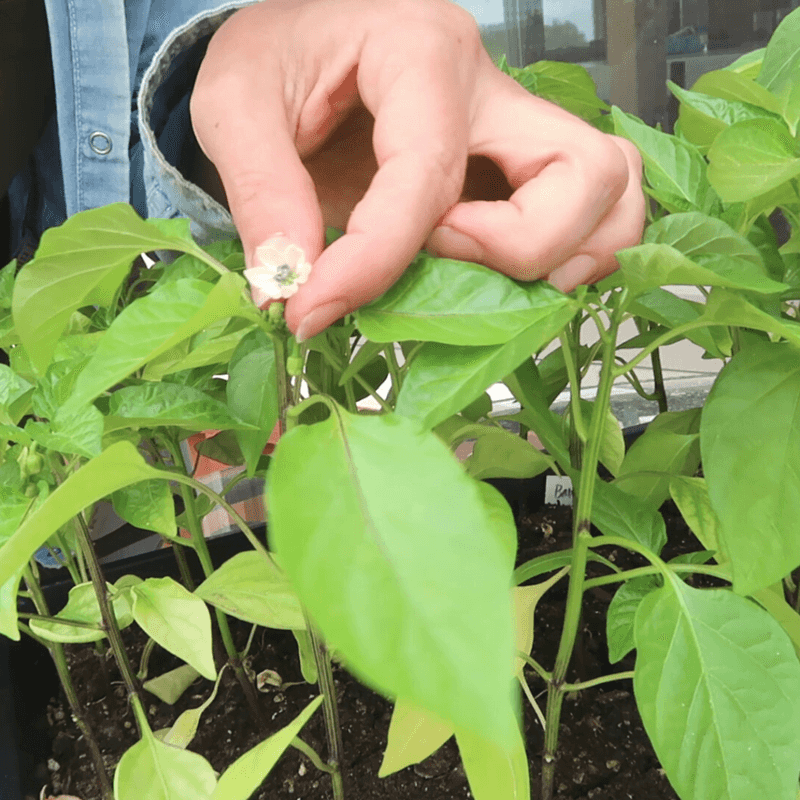
Plenty of gardeners wonder if snipping new blooms will push the plant to color up what is already hanging. It sounds sensible, since fewer flowers should mean less work for the plant.
Still, the evidence does not show that pinching new flowers makes peppers already on the plant change color faster.
The research that comes closest is a study on flower removal in peppers at low temperatures. It looked at removing flowers from early nodes on greenhouse plants in cool conditions.
Heavier removal delayed the production peak and was linked with smaller fruit.
That is a different situation from yours. The study did not test late-season pinching on outdoor Southern plants, and it did not measure how fast fruit already hanging changed color.
Cutting back late growth that will not mature and speeding up existing peppers are two separate outcomes, and only the first is a reasonable goal.
Mature green peppers can already be ready to pick
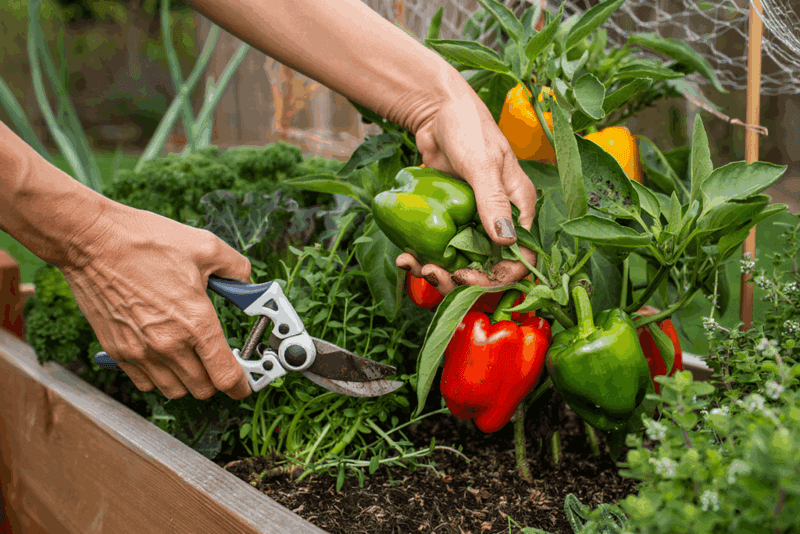
A green pepper is not a failed red one. Many varieties are tasty and useful while still green, as long as the fruit has reached full size and feels firm and glossy.
Color change adds sweetness and a different look for many types, but it is not required to make a pepper edible.
Extension guidance from University of Minnesota Extension suggests harvesting peppers at mature size and clipping most fruit from the plant with shears. Pulling can snap brittle branches, so a clean cut is kinder to the plant.
So if you have a plant loaded with large green fruit, you do not need to wait for color. Pick what is full size and put it to use in cooking, stuffing, or freezing.
Leave smaller fruit a little longer if your weather allows, and let the biggest ones go to the kitchen first.
Judge new flowers by the time your season has left
Instead of picking a date, count the warm days you realistically have left. In much of Florida and Texas, warm weather can stretch well into fall, so a flower opening now may still turn into a usable pepper.
In a spot where cold snaps arrive sooner, the same flower may not have time.
Timing also depends on the pepper type and what stage you want. A UF/IFAS guide for Miami-Dade County reports that one Anaheim type needs about 80 days to reach green mature fruit and more than 120 days to turn red.
Those numbers apply to that one type, so do not treat them as a rule for every pepper. They do show how big the gap can be between a harvestable green pepper and a fully red one.
Check your seed packet, look at your local forecast, and ask whether a new bloom can reach usable size before nights turn cold.
Make flower removal selective and optional
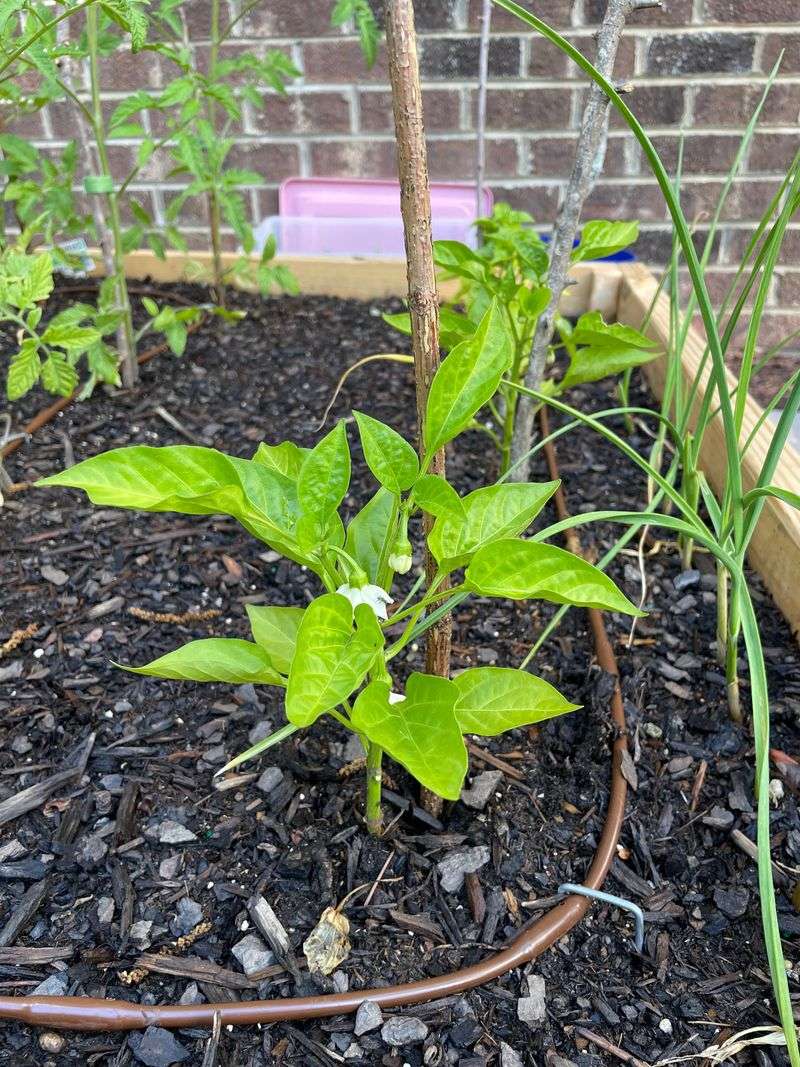
If you want to try pinching, treat it as end-of-season cleanup. Remove new flowers or very small fruit only when they plainly will not reach usable size before cold weather.
Leave established fruit alone, since those are the peppers you are most likely to harvest.
The reasoning is simple. Removing late-set growth may reduce the plant’s investment in fruit that will never finish.
That is not a promise that your existing peppers will color faster, and you should not expect a visible change.
Blanket removal can backfire. In the flower-removal study, heavier removal went along with smaller fruit and a delayed production peak.
And if you still have a realistic warm window, which can be long in parts of the South, new flowers may still become usable peppers. Remember how much timing varies, as the UF/IFAS Anaheim example shows.
When in doubt, leave the bloom and let the calendar decide.
Keep healthy foliage and steady moisture in place
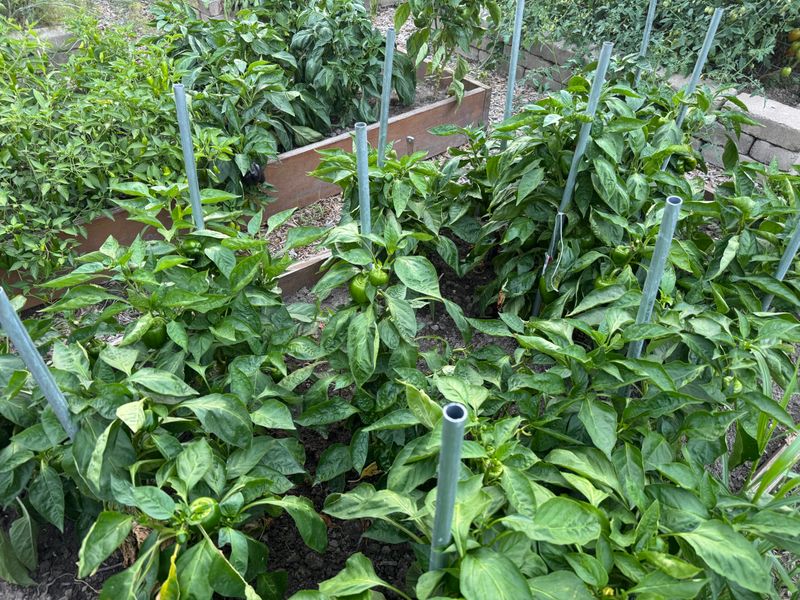
Late in the season, some gardeners try stress tricks to hurry ripening, like stripping leaves or letting plants dry out. Neither is a good idea.
Healthy leaves feed the plant and shade the fruit, and University of Minnesota Extension notes that too little leaf cover can expose peppers to sunscald.
Sunscald shows up as pale, papery, sunken patches on the side of the fruit facing the sun. In strong Southern sun, a pepper with no shade can be damaged quickly.
Keeping the canopy intact is the simplest protection.
Water matters too. Poor soil moisture weakens flowers and small fruit, so steady watering gives them the best shot.
Soak the soil deeply when the top inch or two feels dry, and mulch to hold moisture during hot spells. A consistent routine works better than any stress tactic.
Harvest usable peppers before frost
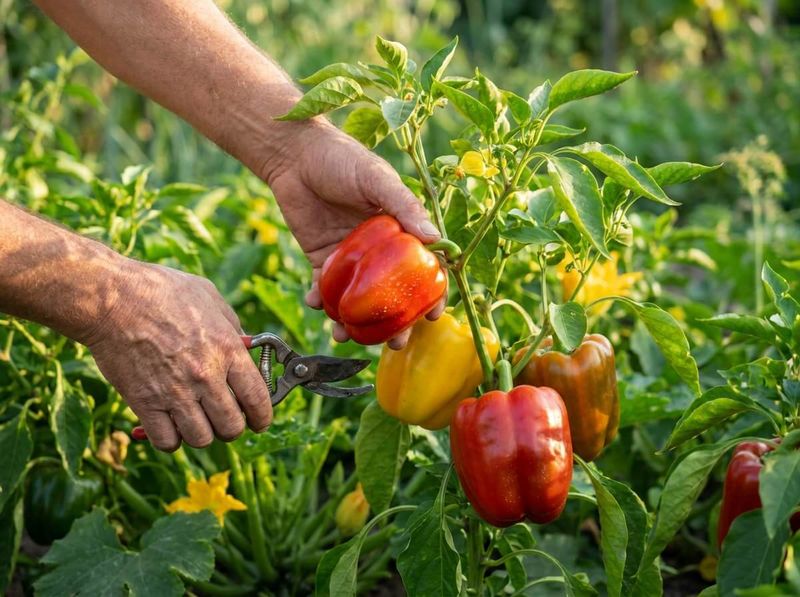
When a cold night is in the forecast, the safest plan is to pick what you can use. Peppers do not behave like tomatoes.
Iowa State Extension says peppers do not continue to ripen after harvest the way tomatoes do, though some may shift from green toward their final color.
That small chance of color change is a bonus, not a plan. Counting on it can leave you with soft, frost-bitten fruit.
Peppers harvested at mature size, as University of Minnesota Extension recommends, are already good to eat.
Clip the full-size peppers, wash and dry them, and use or freeze them soon. Fruit that has begun to blush can go in the same basket.
Tiny peppers that have no time left are fine to compost.
A green pepper in your kitchen beats a red one lost to frost.