
Walk into most garden centers in California and you will find plenty of thirsty petunias, but almost no plants that actually belong here. That gap matters, because native plants feed local bees, butterflies, and birds while sipping far less water through our long dry summers.
The good news is that rare natives are out there if you know where to look. Here are ten places savvy California gardeners go to find the plants their yards and local wildlife have been missing.
1. Theodore Payne Foundation Nursery
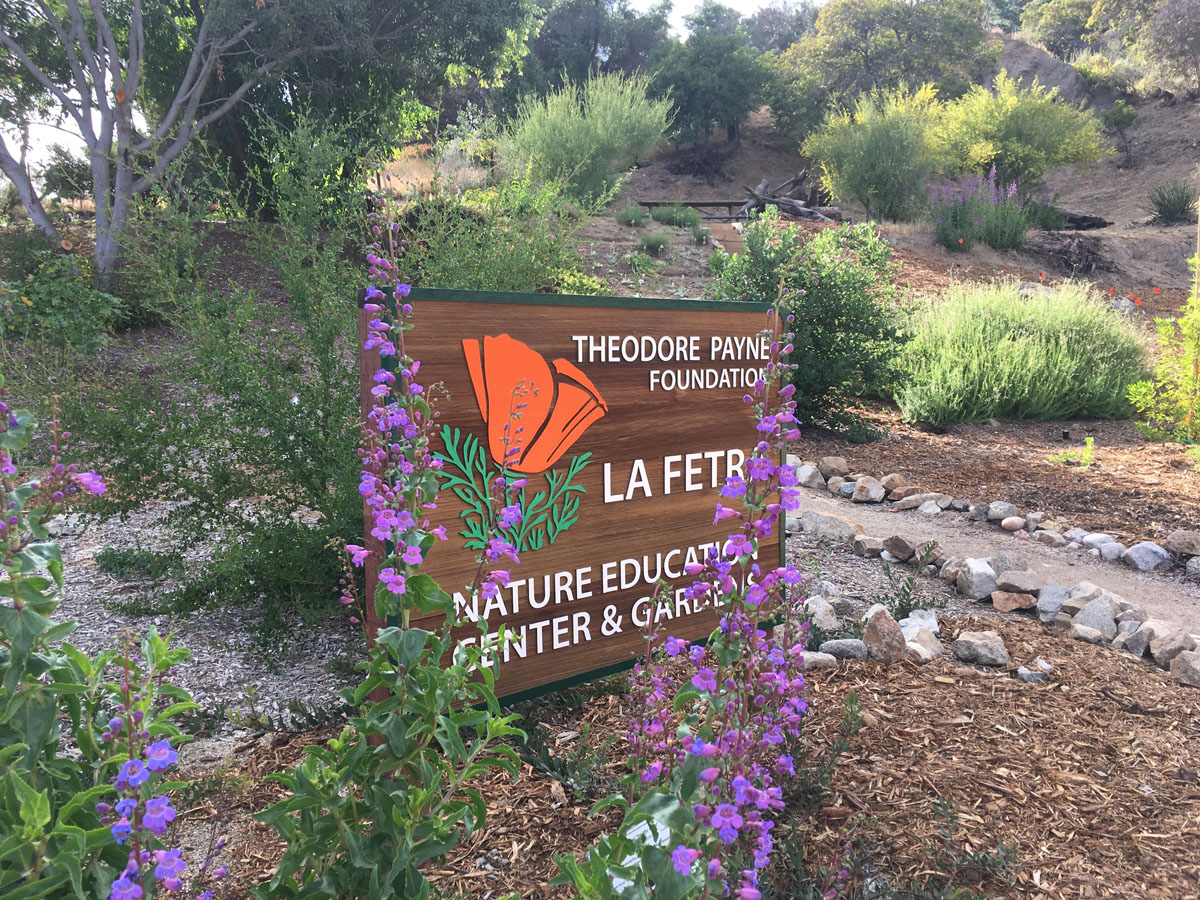
Tucked into the foothills of Sun Valley, this nonprofit nursery has been championing California flora since 1960. It was named after an English-born horticulturist who fell hard for wildflowers and spent decades saving them from disappearing.
Shoppers find hundreds of species here, including hard-to-find manzanitas, local buckwheats, and Southern California sages. The seed room alone can keep you browsing for an hour, with packets of poppies, phacelia, and clarkia sorted by habitat.
Staff can help you match plants to your soil, sun, and water budget. Classes on lawn removal and drip irrigation may help first-timers avoid the common mistake of overwatering natives, which can quietly kill them in summer.
2. Las Pilitas Nursery
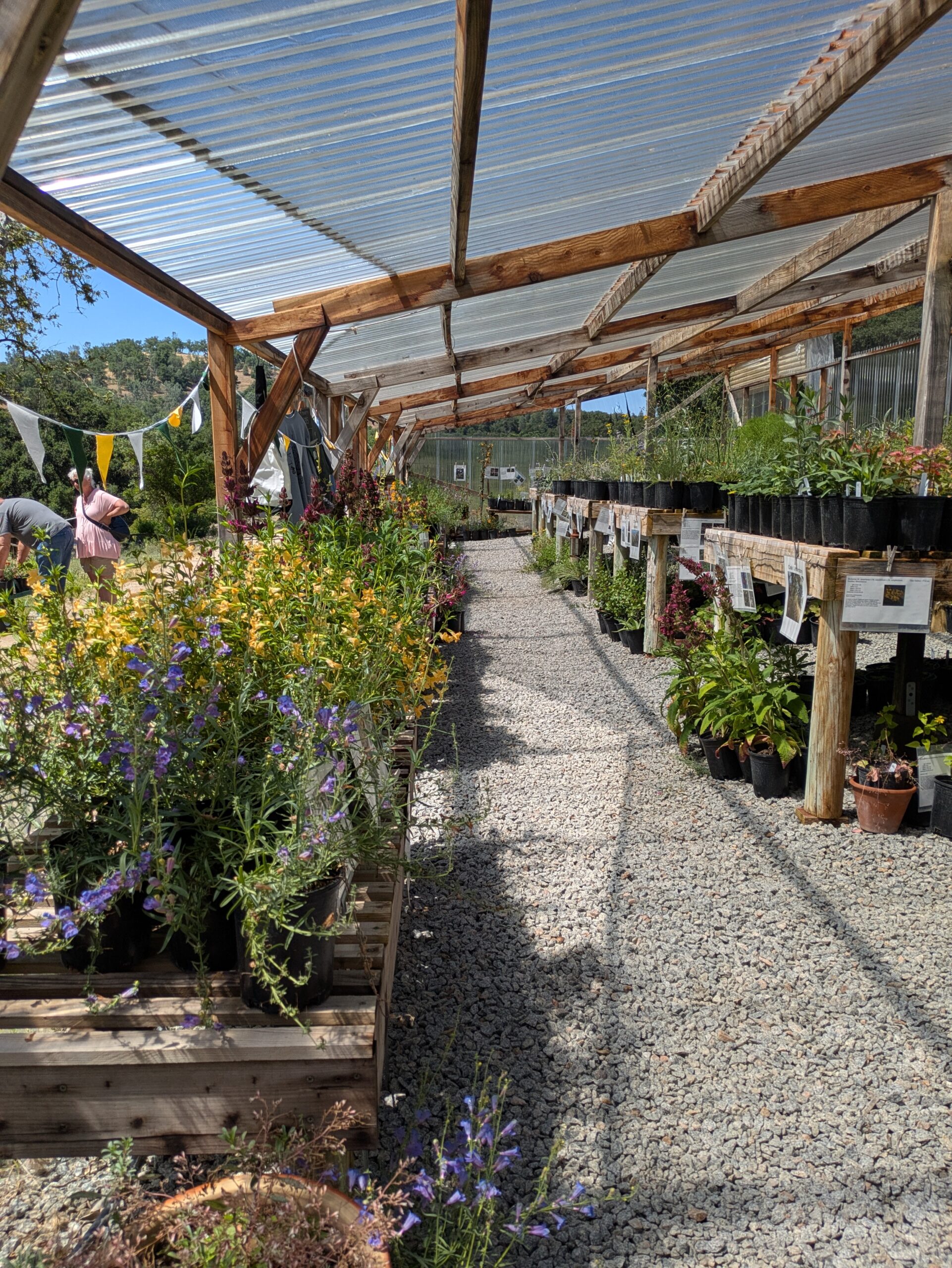
Picture a dusty Central Coast hillside where the plants have to survive real California conditions before they ever reach your yard. That tough-love approach is what makes Las Pilitas special.
The Santa Margarita nursery grows a massive list of species, many of them uncommon selections you will not see anywhere else. Their website is famous among native gardeners for its detailed plant pages, covering which birds, bees, and butterflies each plant can support.
Plants grown in lean soil tend to be hardier once planted out. If you live in a hot inland valley, a manzanita that started life on a sunbaked slope may handle your August afternoons better than a pampered one.
3. California Native Plant Society Chapter Plant Sales
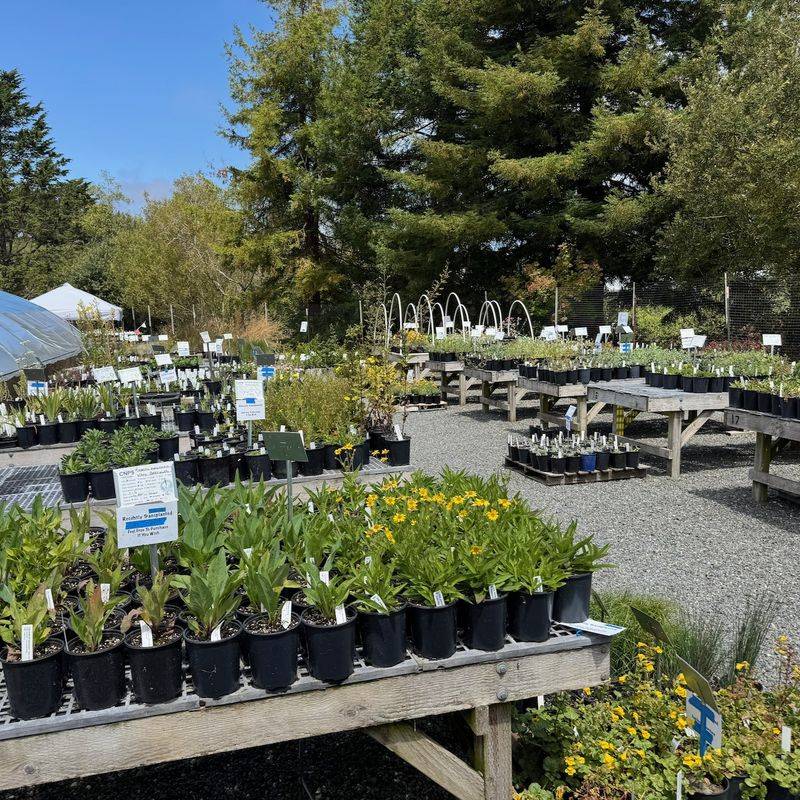
Show up early. Seriously, the line at a CNPS chapter sale can stretch around the block before the gates open, and the rarest plants vanish in the first thirty minutes.
Local chapters across the state hold spring and fall sales stocked by volunteer growers. Many plants are propagated from local populations, which means they are adapted to your specific region rather than some generic idea of California.
Fall sales line up perfectly with the best planting window, when winter rains help roots settle in before summer drought. Bring a wagon, a wish list, and questions, since volunteers often know exactly which native bees visit each flower.
4. Tree of Life Nursery
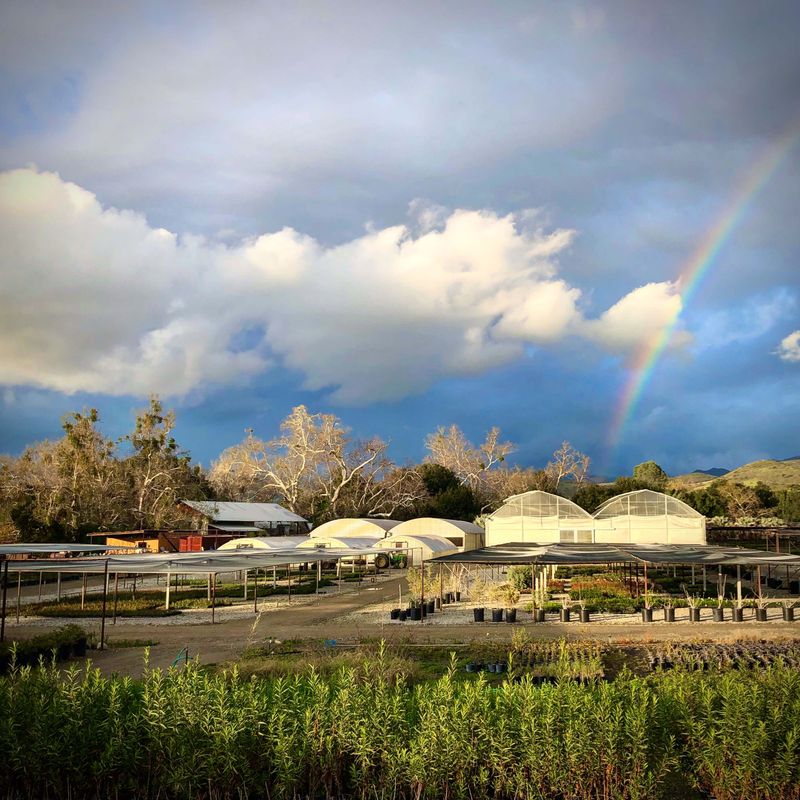
Some nurseries feel like stores. Tree of Life, set in a canyon near San Juan Capistrano, feels more like a quiet retreat where Southern California plants get the spotlight.
As one of the larger native growers in the region, it carries a wide range of coastal sage scrub and chaparral plants, plus native grasses that can replace a thirsty lawn. Landscapers shop here, but homeowners are welcome and often find gems like coast sunflower and island snapdragon.
Display gardens show how mature natives actually look, which helps you plan spacing. That matters in fire-prone areas, where smart plant placement and lower-growing choices can support defensible space around your home.
5. Annie’s Annuals and Perennials
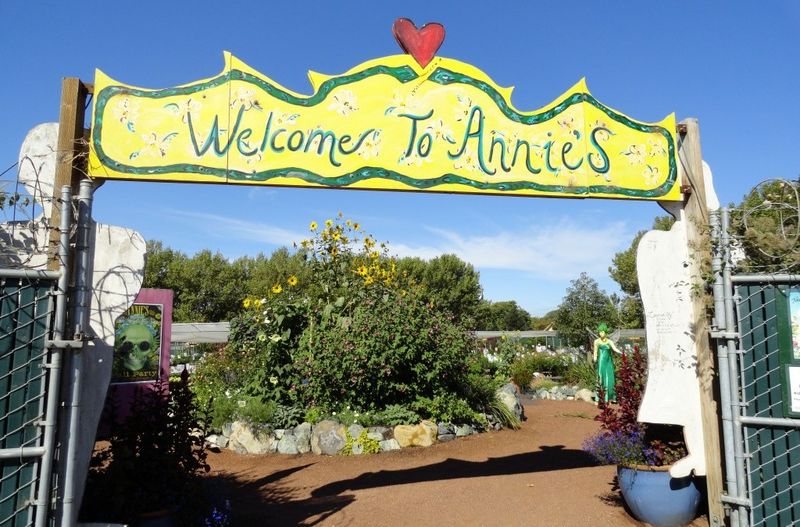
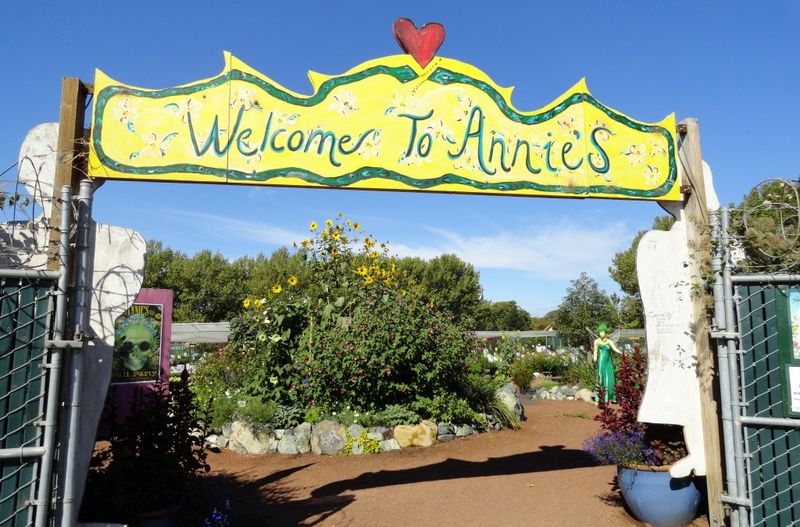
Quirky, colorful, and a little wild, Annie’s in Richmond is not a native-only nursery, yet it has earned a cult following for unusual California wildflowers.
Look for oddities like Chinese houses, tidy tips, and rare clarkias grown in small pots that are easy to tuck into borders. The mail-order side means gardeners from San Diego to Redding can get plants shipped right to their door.
One tip: read the labels closely, since the catalog mixes natives with plants from other Mediterranean climates. Filtering for California natives can help you keep your yard friendly to local pollinators.
6. Botanic Garden Plant Sales
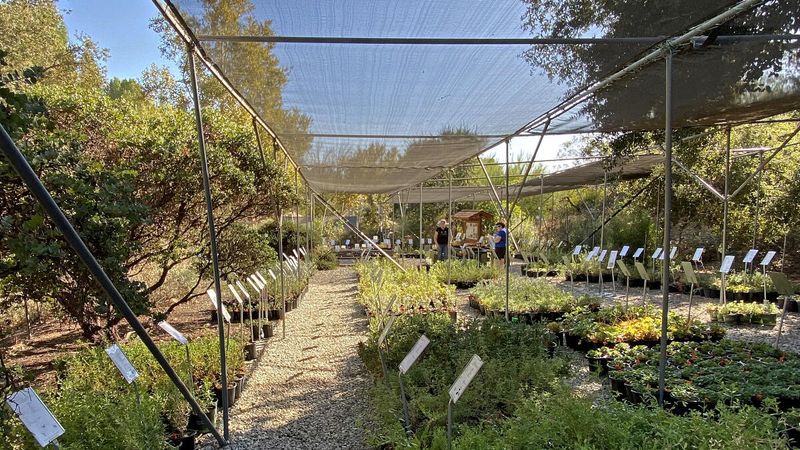
Ever admired a stunning shrub at a botanic garden and wished you could take one home? At sales hosted by places like Rancho Santa Ana Botanic Garden in Claremont, UC Botanical Garden at Berkeley, and Santa Barbara Botanic Garden, you often can.
These gardens sometimes offer plants from their own research and breeding work. Several popular native cultivars, including certain ceanothus and manzanitas, trace their roots back to botanic garden programs.
Members usually get early access, so a membership can pay off quickly if rare plants are your goal. Your purchase also supports conservation work protecting California’s most threatened species.
7. Native Seed Suppliers
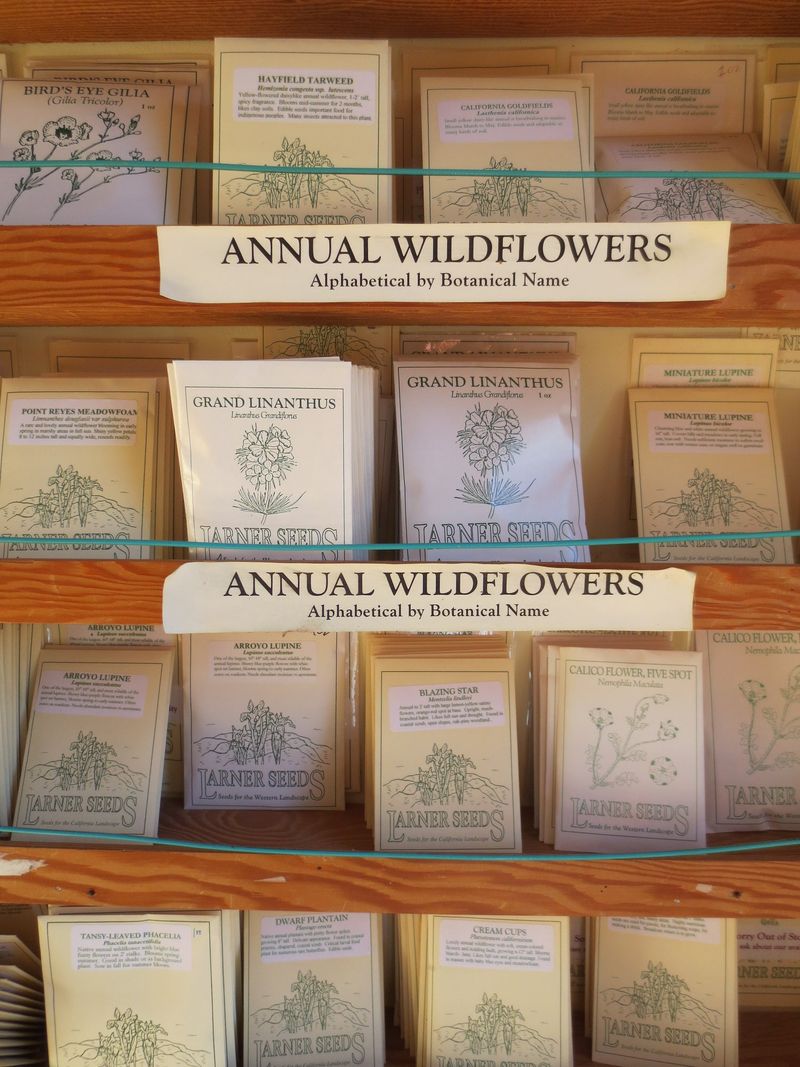
Seeds are the budget-friendly secret of the native garden world. A single packet costs less than one potted plant and can fill a sunny patch with poppies, lupines, and goldfields.
Specialty suppliers sell regional mixes and individual species that nurseries rarely carry as plants. Some offer seed collected from specific ecoregions, which can help match what grows naturally near you.
Timing is everything here. Sowing in late fall, just before winter rains, lets nature do most of the watering, while spring sowing often struggles once the heat arrives.
8. Water District Demonstration Gardens and Giveaways
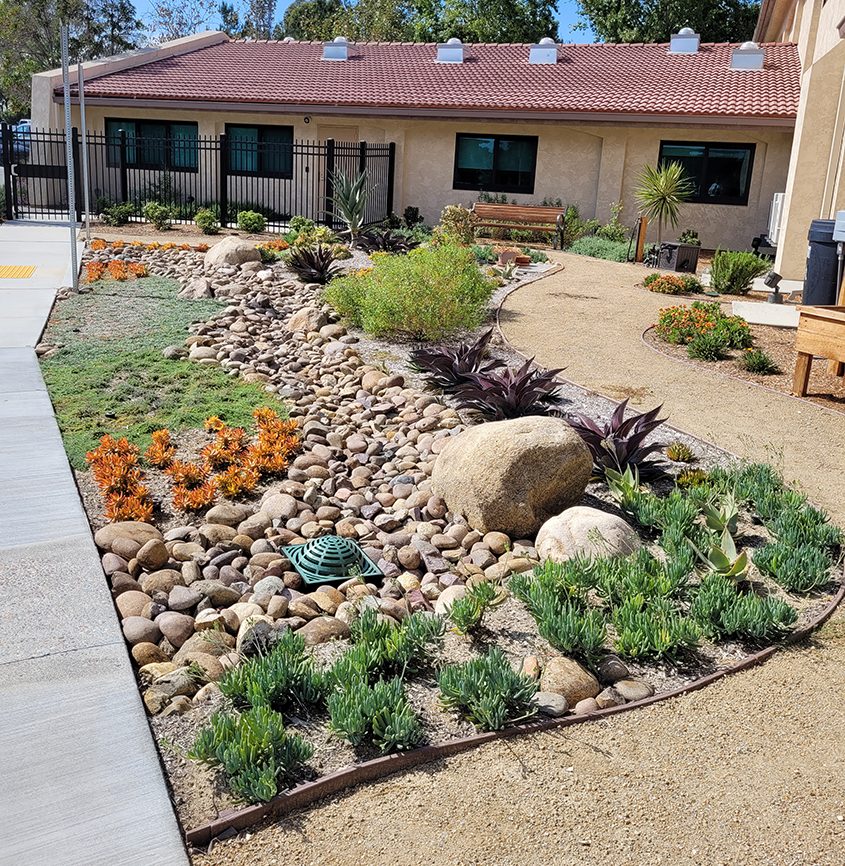
Your water bill might lead you to rare plants. Many California water districts run demonstration gardens and occasionally host plant giveaways or discounted sales to encourage lawn replacement.
These events tend to feature tough, low-water natives suited to your local climate. Some districts pair them with rebate programs that can help cover the cost of removing turf, so check your district’s site before tearing out grass.
Even when supplies are limited, the gardens themselves teach a lot. Seeing a mature native border in August can convince skeptical neighbors that water-wise does not mean brown and bare.
9. Garden Tours Like Bringing Back the Natives
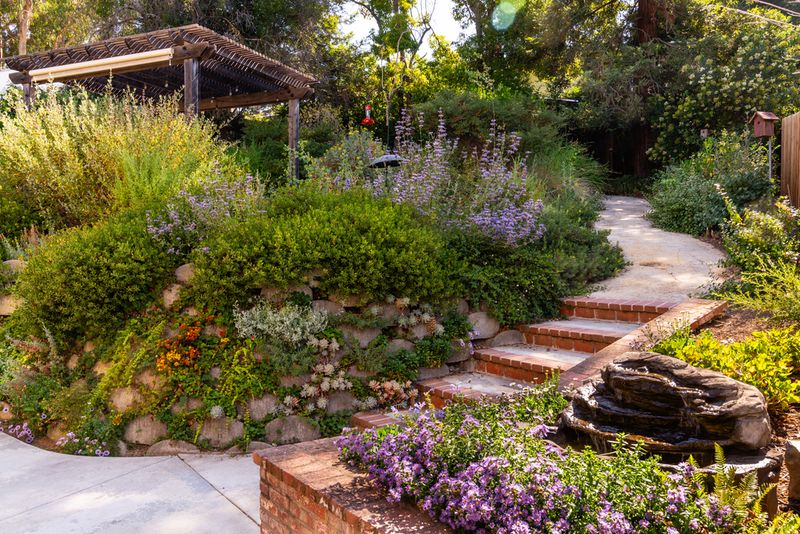
Nothing beats walking through a real neighbor’s native yard in full spring bloom. The Bringing Back the Natives Garden Tour in the East Bay, along with similar tours around Los Angeles and San Diego, opens private gardens to the public each year.
Tours often connect visitors with a native plant sale or nursery list. Homeowners frequently share where they found their rarest plants, and some even pass along cuttings or seedlings.
Bring a notebook. Jotting down plant names and the conditions they thrive in can save you from costly trial and error later.
10. Online Swaps and Local Gardening Groups
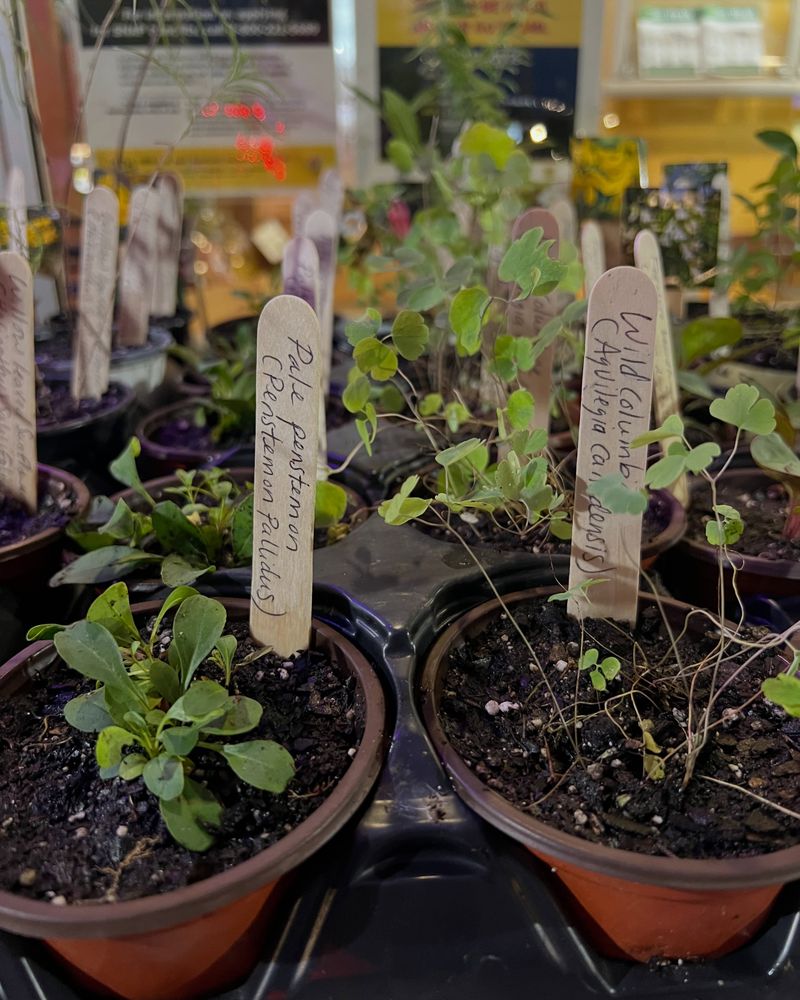
A Facebook post about extra narrowleaf milkweed seedlings can turn into a lifelong gardening friendship. Online native plant groups, Nextdoor, and local seed libraries are quietly great sources for uncommon finds.
Members swap divisions, seeds, and volunteers that popped up in their beds. You may land locally adapted plants that no store sells, often for free.
Stay careful about what you accept, though. Ask for correct plant names, avoid digging anything from the wild, and skip plants that might carry pests, so your swap helps local wildlife rather than hurting it.