
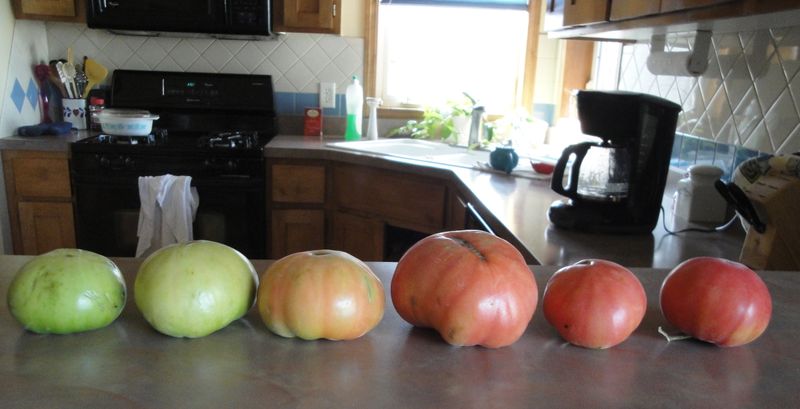
A cold snap in the forecast can turn a vine full of tomatoes into a lost harvest overnight. Many of those green fruits still have a chance if you move fast and pick the right ones.
Knowing which tomatoes are worth bringing inside saves you time and space. Here is a simple rescue plan for gardeners across the South.
Use your local forecast as the harvest cue
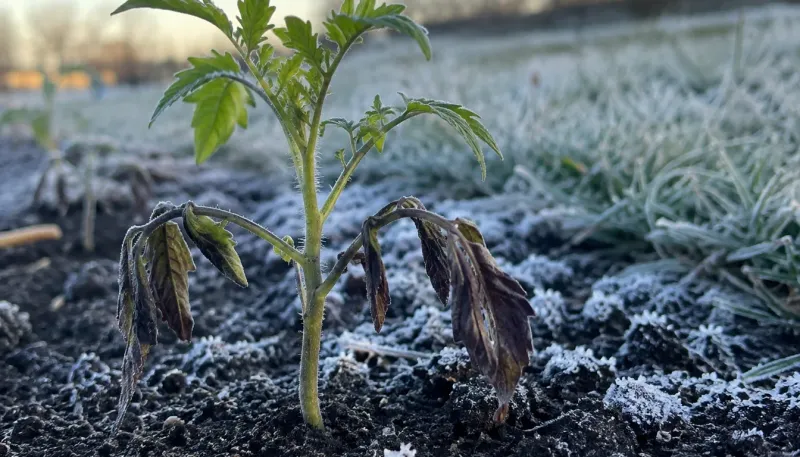
Your phone’s weather app is a better guide than any calendar page. Frost does not arrive on the same date across the South, so a rule like “pick by November 1” can leave you too early in one town and too late in another.
The numbers show how wide the gap can be. National Weather Service climate information for South Florida describes a very different winter pattern than the Dallas-Fort Worth earliest and latest freeze records.
A gardener in Miami may go many winters with little frost worry, while one in North Texas may be watching for freezing nights much sooner.
So let your own forecast set the schedule. When a frost or freeze watch or warning shows up for your area, or lows are headed toward the mid-30s, that is your signal to start the rescue plan.
Check the forecast every day or two as fall settles in, so you are not caught scrambling after dark with a flashlight.
Acting a day early costs you very little. Acting a day late can cost you the whole crop on the vine.
Which green tomatoes are mature enough to bring indoors?
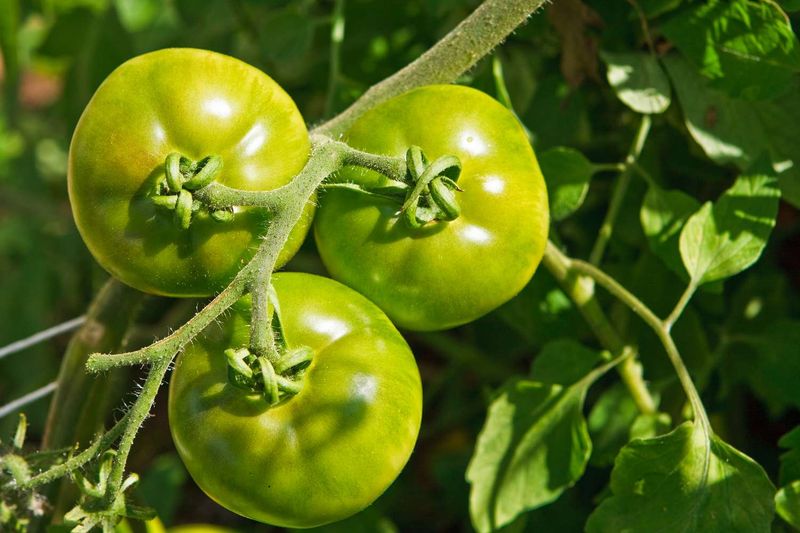
Not every green tomato is ready for the trip inside. The ones worth saving are called mature-green, which means they have reached full size.
University of Minnesota Extension notes that mature-green fruit is fully developed but has not yet changed to its ripe color.
Look for tomatoes that have lightened from a deep, glossy green, show a pale or whitish area on the bottom, or have started to blush with pink or red. Illinois Extension describes similar signs of fruit that is turning the corner.
Color is only a clue, though. A tomato that looks promising can still stall, and very immature fruit can fail to ripen normally, as University of Georgia Extension points out.
Small tomatoes that are dark green all over, especially if the bottom is still green, may not be worth the effort. Think of size first and color second.
If a fruit is still tiny, it is usually better to let it go and spend your time on the larger ones.
Harvest carefully before frost reaches the vines
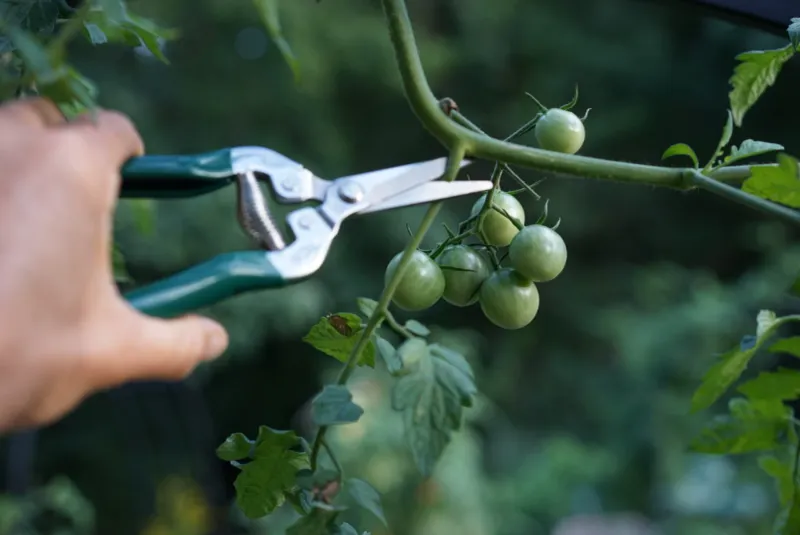
Once the forecast points toward frost, pick usable fruit while the vines are still standing. Use the maturity clues from the section above to choose which tomatoes make the cut, and take them in the same session if you can.
Treat each one gently. Bruises and cracks give rot an easy way in, so lift or twist fruit off the stem rather than yanking, and set it in a shallow basket instead of dumping it into a deep bucket.
Sorting is where you save yourself trouble later. Pull out tomatoes with splits, soft spots, or signs of disease, and keep them apart from the sound ones.
Oregon State University Extension recommends handling fruit with care for this reason.
A smaller batch of healthy fruit is easier to watch and more likely to give you something worth eating. University of Georgia Extension also stresses starting with sound tomatoes.
Damaged ones can go to the kitchen first or into the compost.
Give the fruit warmth and room to ripen
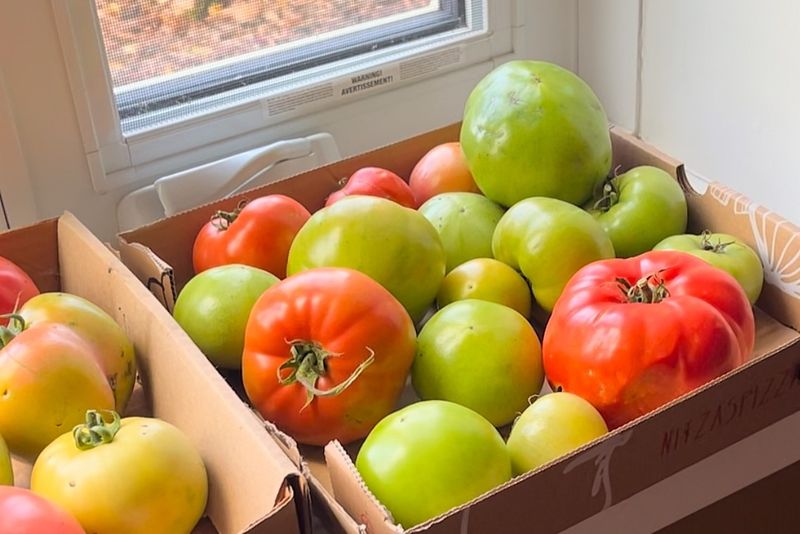
Ripening indoors does not take fancy gear. Pick a spot with good airflow and a steady temperature around 65 to 70 degrees F, such as a spare room or a covered porch that stays mild.
Lay the tomatoes in a single layer with a little space between each one. University of Georgia Extension and Oregon State University Extension both support giving fruit room, and Utah State University Extension offers similar storage guidance.
Spacing makes each tomato easy to inspect.
Skip the sunny windowsill idea. Penn State Extension says sunlight is not a factor in ripening, and warmth matters more.
Methods differ. Some gardeners use a ventilated tray or room, while an Illinois Extension tip uses a perforated paper bag.
Either can work. What they share is airflow and no crowding, so choose the container that fits your space.
Check the tomatoes regularly
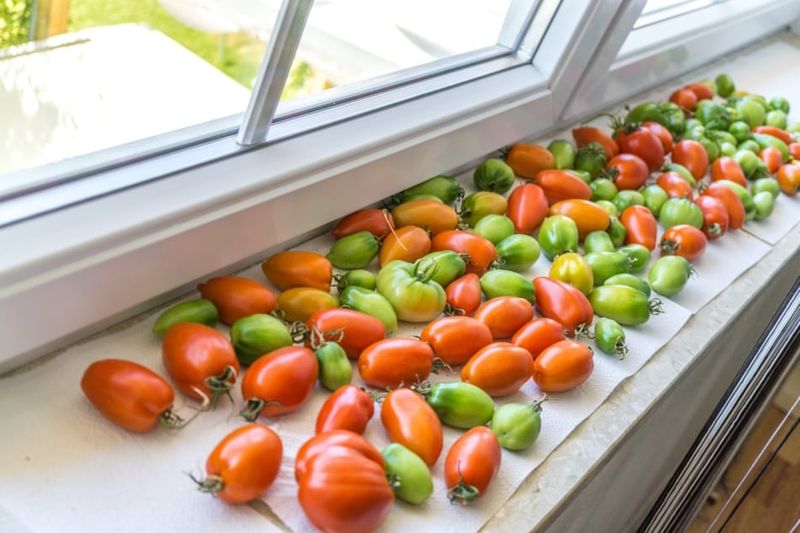
After the tomatoes are settled in, make a habit of looking them over every couple of days. A quick pass takes only a minute and tells you what is changing.
Watch for color shifts, such as a green tomato taking on a pink or yellow blush. Those can move to the kitchen counter when they firm up in color and feel slightly soft.
The more urgent job is spotting trouble. Any fruit that starts to rot should come out right away, since a spoiled tomato can affect its neighbors.
Oregon State University Extension advises checking stored fruit and removing any that go bad.
Keep expectations realistic. Checking helps you manage the batch, but it cannot make a stubborn tomato ripen.
As University of Minnesota Extension explains, fruit that stays fully green may simply not be worth keeping. Some tomatoes will turn, and some will not, so remove the ones that stall or spoil.
Indoor ripening can save fruit, not guarantee the same result
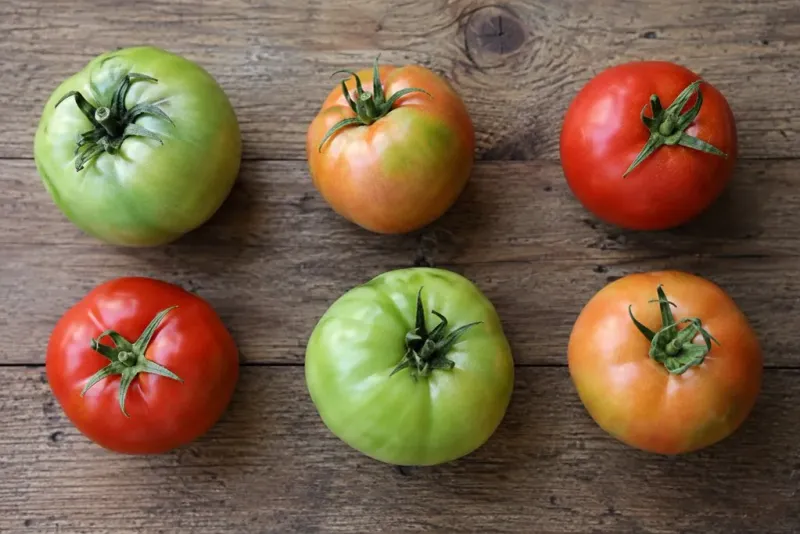
Bringing tomatoes inside is a salvage job. Mature-green or partly colored fruit often ripens indoors, and that can turn a doomed vine into a basket of usable tomatoes.
Immature fruit is a different story. University of Minnesota Extension says fruit that is still small and green all over may not ripen well, so a few in your batch may never turn.
Quality can also differ. University of Georgia Extension notes that the best tomatoes are generally those ripened on the plant when the weather allows.
Indoor-ripened fruit may not match them.
Let that guide your choices. If the forecast gives you a few more mild days, leaving fruit on the vine can be worth it.
When frost is close, bring in the fruit that is full-size and developed, and accept that results will vary from tomato to tomato.
A frost-killed vine changes what you should do next
The plan comes down to three moves. Watch your local forecast, choose full-size fruit that shows signs of maturity, and bring it indoors before frost damages the vines.
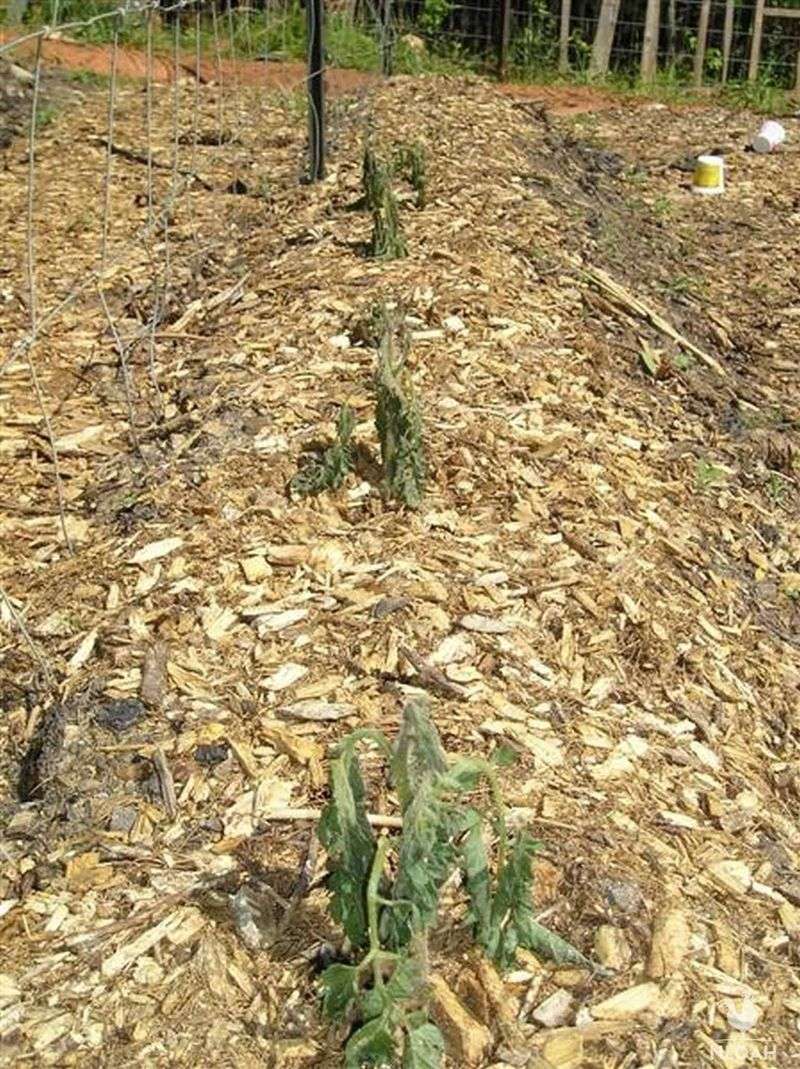
If frost has already hit, the vines tell you something. Blackened, wilted plants are no longer healthy, and that matters for the kitchen.
University of Minnesota Extension food preservation guidance warns against canning tomatoes from dead or frost-killed vines, since they may not be safe for canning.
That warning is about canning only. It is a good reason to harvest before the vines die rather than after, and to use any frost-damaged fruit another way or toss it.
The best rescue happens a day before you think you need it. A basket on the porch tonight beats a blackened vine in the morning.