
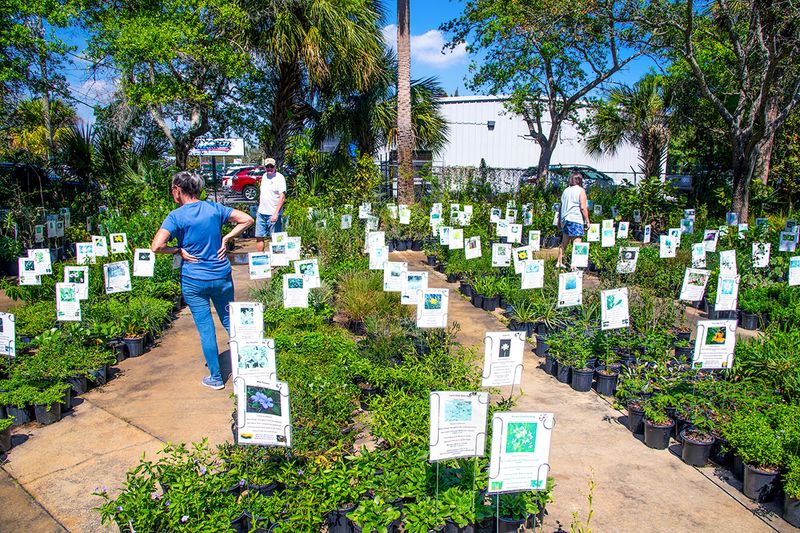
A few well-chosen native plants can turn a bare Florida yard into a place full of color, birds, and butterflies. Finding those plants is easier when you shop somewhere that understands sandy soil, summer rain, and your local growing conditions.
These 10 nurseries offer different reasons to plan a plant-shopping road trip, from wildlife gardening help to choices beyond the usual garden-center shelf. Before heading out, confirm current hours, visitor policies, and availability so the drive pays off.
1. Native Nurseries
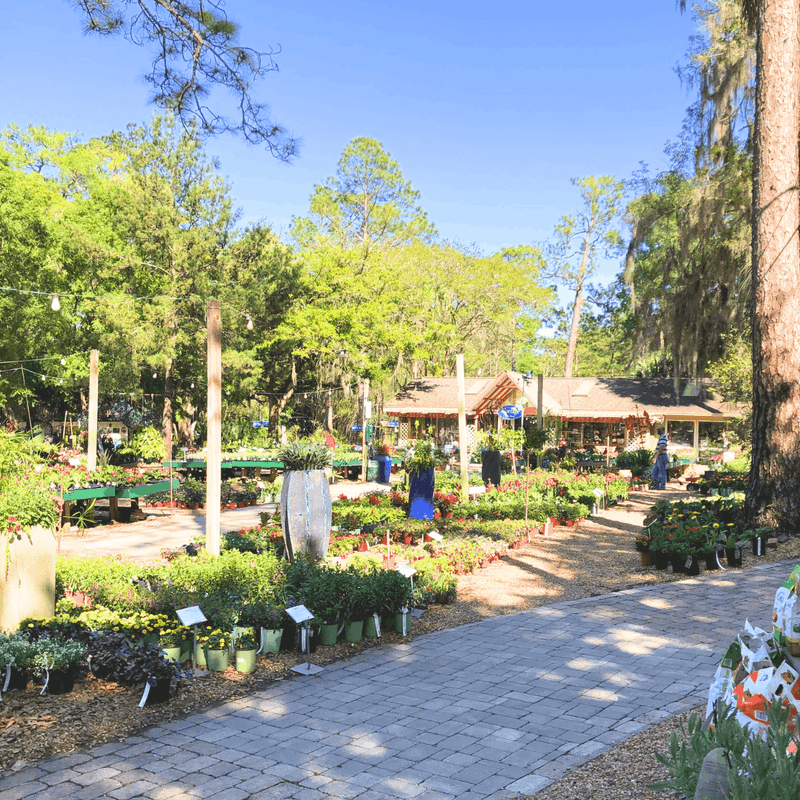
A shady yard deserves more than a few tired shrubs and a pile of leaves. Native Nurseries in Tallahassee is a useful destination for gardeners who want to work with North Florida’s wooded setting rather than fight it.
The business combines native plant shopping with a broader interest in backyard wildlife. That makes it especially appealing when your goal includes birds, caterpillars, and shelter, not just flowers visible from the street.
Bring photographs of your planting area and note whether the soil stays dry or damp after rain. Ask about locally suitable options such as woodland groundcovers, native azaleas, and small understory trees, with choices guided by your actual conditions.
North Florida gets colder than much of the peninsula, so a plant that thrives in Miami may disappoint here. Local guidance helps narrow the choices before you load the car.
For a manageable first project, plan one layered bed with a small tree, several shrubs, and a groundcover. Leave fallen leaves beneath the planting where practical, and budget time for watering while new roots establish.
2. Wilcox Nursery & Landscape
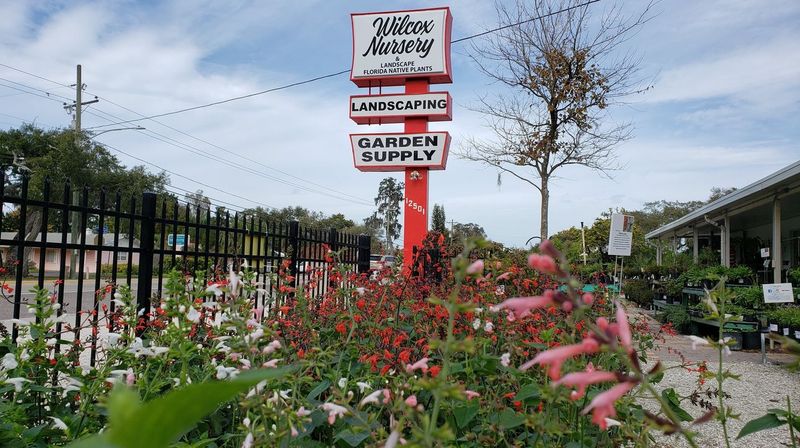
Curb appeal and wildlife habitat can share the same front yard. Wilcox Nursery & Landscape in Largo stands out for connecting native plant choices with the practical work of building a finished landscape.
That focus is helpful if you are replacing an overgrown foundation bed or shrinking a patch of lawn. Instead of collecting unrelated pots, you can think about mature size, repeated shapes, and how the planting will look from the sidewalk.
For a sunny Pinellas County property, ask about suitable native shrubs, bunchgrasses, and flowering accents. Species such as coontie, beautyberry, or muhly grass may fit parts of a plan, but light, drainage, and available space still decide the final mix.
Take measurements before visiting, including window heights and the distance from beds to walkways. A small shrub in a pot can become a large obstacle if its full size gets overlooked.
The strongest reason to shop here is the link between plant selection and landscape planning. Confirm current design services and scheduling separately from retail hours, especially if you want help beyond a nursery visit.
3. Sweet Bay Nursery
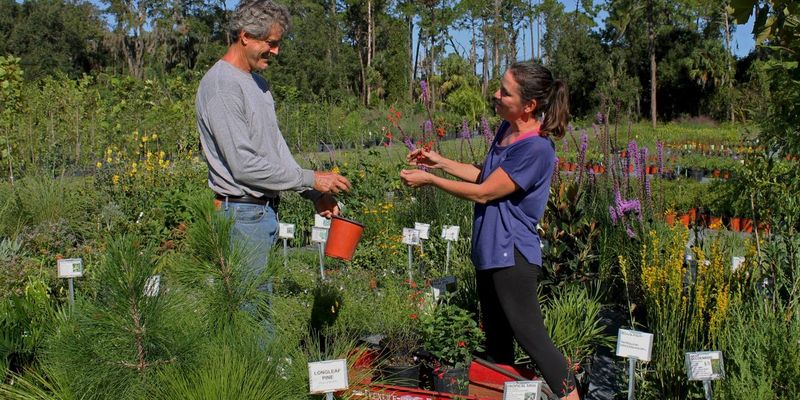
One flowering plant is fun; enough plants to build a real border is where the yard begins to change. Sweet Bay Nursery in Parrish is worth considering when you want a native-focused shopping trip with room to compare different plant forms.
Its Manatee County location makes it a useful stop for gardeners around the southern Tampa Bay area. The appeal is choosing plants as parts of a working landscape rather than treating every purchase as a separate experiment.
Start with the conditions you cannot easily change: sun exposure, drainage, and irrigation. Then ask which available plants can provide structure, seasonal flowers, and ground coverage in those conditions.
For example, a sunny, well-drained border might combine suitable native grasses with flowering perennials and a few shrubs. A low spot that holds water needs a different list, even if it sits only a few steps away.
Before a long drive, ask whether the quantities and pot sizes you need are available. Buying repeated groups can give a bed a calmer, more finished look, while leaving enough space between plants reduces crowding later.
4. Florida Native Plants Nursery & Landscaping
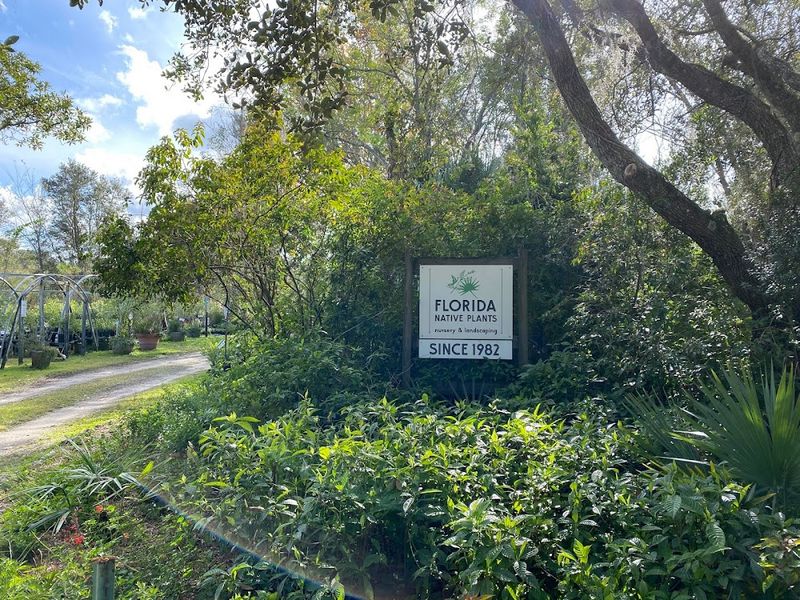
Sandy ground is not a flaw you must fix with endless bags of soil. At Florida Native Plants Nursery & Landscaping in Sarasota, the native-plant focus offers a better starting point: choose plants suited to the site you already have.
That approach is especially useful for homeowners tired of replacing thirsty ornamentals. Properly matched native plants can reduce ongoing inputs after establishment, although they still need care while their roots grow into surrounding soil.
Bring a simple sketch showing hot western walls, roof runoff, shady corners, and any spots that flood. Those details matter more than a general request for something easy.
Ask about plants for a specific job, such as a low border beside a path, a loose privacy screen, or flowers near a patio. Also discuss mature width so the planting will not need constant trimming to stay in bounds.
The nursery’s landscaping connection gives this stop particular value for gardeners trying to turn a rough idea into a coherent yard. Confirm which consultation or installation services are currently offered before planning your visit around them.
5. Little Red Wagon Native Nursery
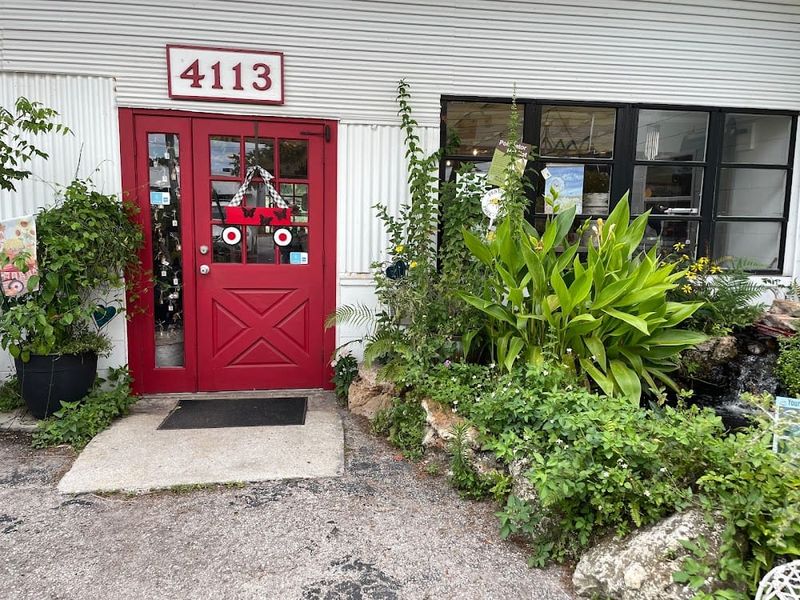
Butterflies need a nursery of their own before they can brighten your flower bed. Little Red Wagon Native Nursery in Tampa is a fitting stop for gardeners interested in the link between native plants and butterfly life cycles.
Nectar flowers feed adult butterflies, but caterpillars need the right host plants. Shopping with both needs in mind creates a more useful garden than buying only whatever happens to be blooming.
Ask which locally appropriate host plants fit your space and which butterflies use them. Native milkweeds, passionvines, and other hosts have different growing needs, so the right choice depends on more than the butterfly pictured on a label.
Be honest about how much chewing you can accept. A host plant with missing leaves may be doing exactly what you planted it to do.
For a small Tampa yard, begin with one manageable host plant and several nectar plants with different flowering seasons. Ask about pesticide practices, avoid spraying plants used by caterpillars, and check mature size before placing a vigorous vine beside a small porch railing.
6. Green Isle Gardens
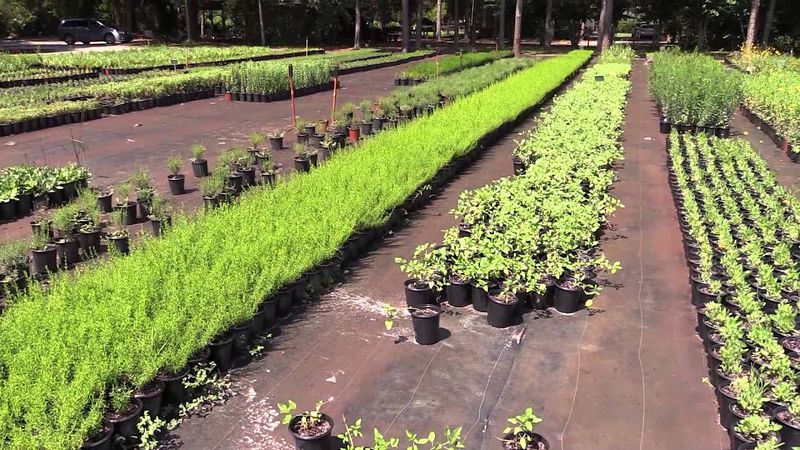
A larger planting project can outgrow the selection on a single garden-center table fast. Green Isle Gardens in Groveland gives Central Florida gardeners a reason to seek out a nursery devoted to native plants.
The draw is its grower-oriented setting and the chance to plan beyond a handful of decorative accents. It is a useful destination to investigate when you want repeated plants for a broad border, habitat bed, or gradual lawn conversion.
Do not begin by removing the entire lawn. Measure a manageable section, identify weeds, and prepare the area before bringing home a carload of pots.
Ask which available groundcovers, wildflowers, or grasses suit your soil and intended use. A planting meant to be viewed from the driveway has different requirements from an area that children or pets cross every day.
Call ahead about retail access, quantities, and any ordering requirements. For a long trip, a confirmed plant list is far more useful than hoping the right species will be waiting, and it helps you avoid buying substitutes that do not fit the original plan.
7. The Nectary
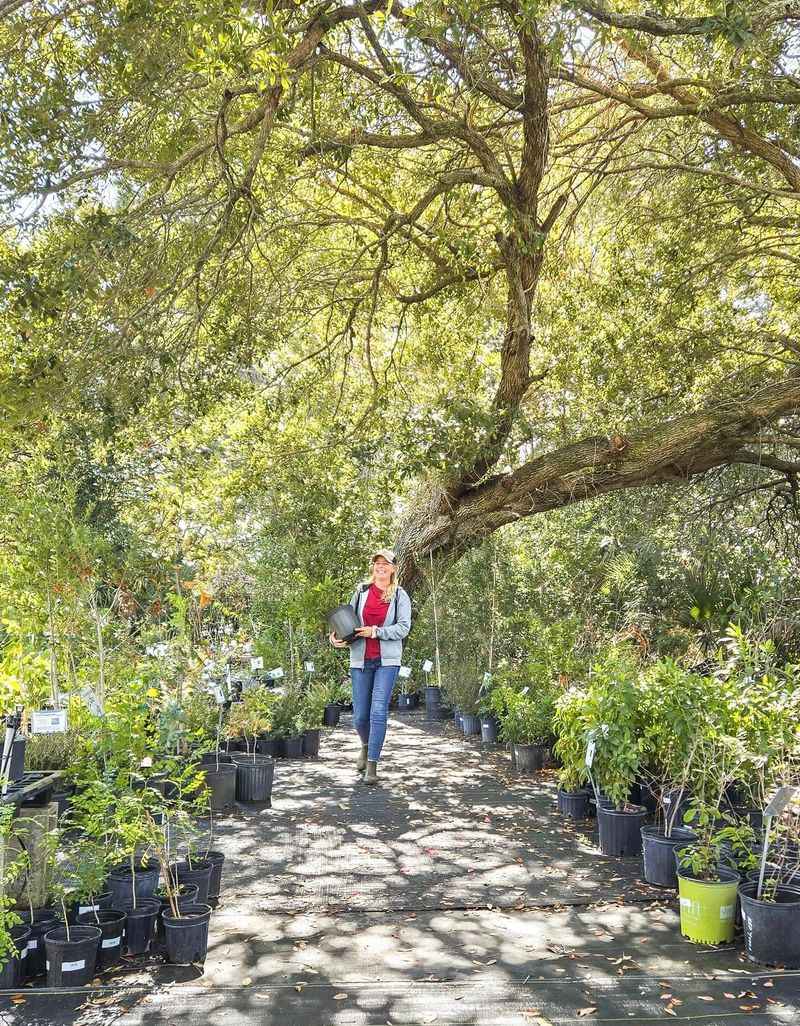
You do not need an acreage-sized yard to make a worthwhile native garden. The Nectary in Lakeland is an appealing stop for gardeners who want to begin with a focused pollinator planting rather than a full landscape overhaul.
A compact bed near the mailbox, patio, or front walk can provide an easy first project. The trick is matching each plant’s mature size to the space instead of squeezing in every attractive flower.
Ask for a small group of compatible plants that bloom at different times. Include a host plant where suitable, and consider what the bed will look like between bursts of flowers.
For a tidy street-facing planting, repeat a few species rather than using one of everything. Keep taller plants away from sightlines, and leave enough room along the edge for growth without constant clipping.
Check current shopping arrangements and stock before traveling. A photograph of your space, a sun estimate, and a clear budget can turn a small nursery visit into a useful plan instead of another collection of pots waiting beside the garage.
8. Native Butterfly Flowers
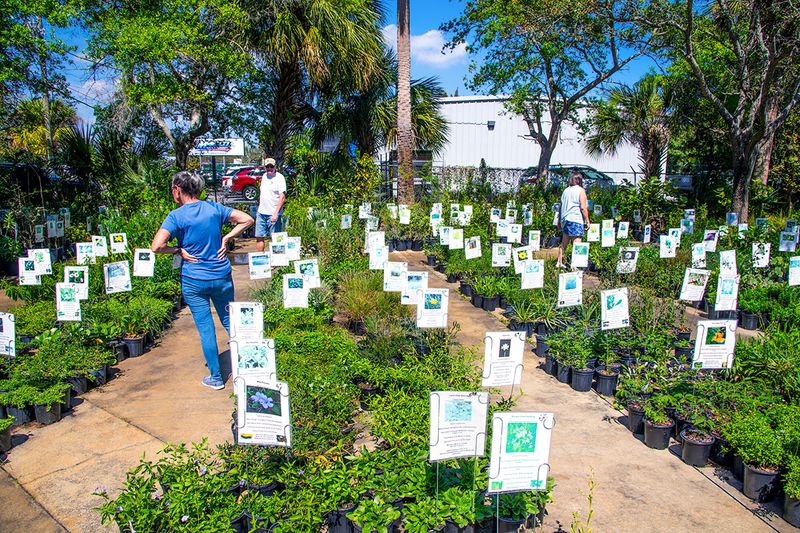
Along the Space Coast, a butterfly garden has to handle more than a pretty spring afternoon. Native Butterfly Flowers in Melbourne offers a native-focused destination for gardeners balancing wildlife goals with Florida’s long growing season.
This stop is especially relevant when you want to connect flowering plants with the insects that actually use them. A successful planting includes food for adults, suitable leaves for caterpillars, and enough cover to make the space more than a feeding station.
Describe your exposure carefully if you live near the coast. Salt spray, wind, and sandy soil can change the plant list, and a protected inland yard is not the same as an ocean-facing bed.
Ask which available species fit those conditions rather than assuming every Florida native tolerates salt. Also check whether spreading or reseeding habits will work in a narrow residential border.
Before driving, confirm current sales hours and any pickup arrangements. Bring a way to secure pots upright, keep foliage out of a hot parked car, and have the planting area ready so purchases do not sit neglected after the trip.
9. Native Choice Nursery
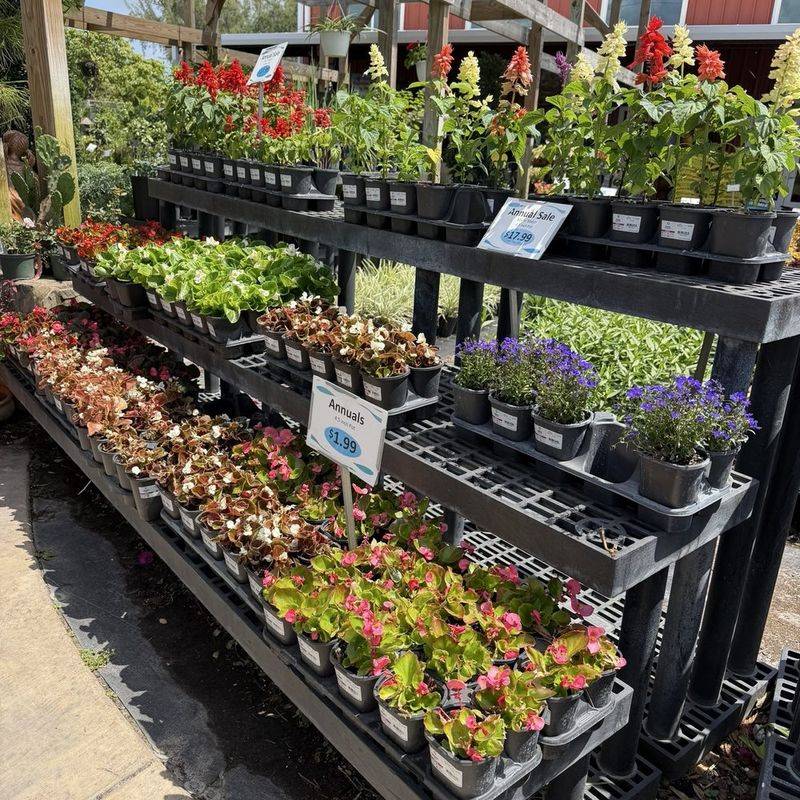
Palm Beach County gardeners have a different plant palette from their neighbors in the Panhandle. Native Choice Nursery in Boynton Beach is a useful place to explore native options suited to the warmer end of the state.
The reason to put it on your route is regional fit. South Florida landscapes can include frost-sensitive native species that would be risky farther north, but drainage, sun, and exposure still need careful attention.
Ask about appropriate shrubs and small trees for screening, bird cover, or a more layered backyard. Depending on your site, plants such as cocoplum, Simpson’s stopper, or suitable native groundcovers may be worth discussing.
Measure the bed before choosing a hedge plant. A shrub that naturally reaches well beyond the available width can become a permanent pruning job, even if it is native.
Confirm public shopping access, current inventory, and whether an appointment is needed before traveling. For the best payoff, arrive with one clear project, such as replacing an oversized hedge or adding a bird-friendly corner, rather than trying to redesign the whole property in one visit.
10. Indian Trails Native Nursery
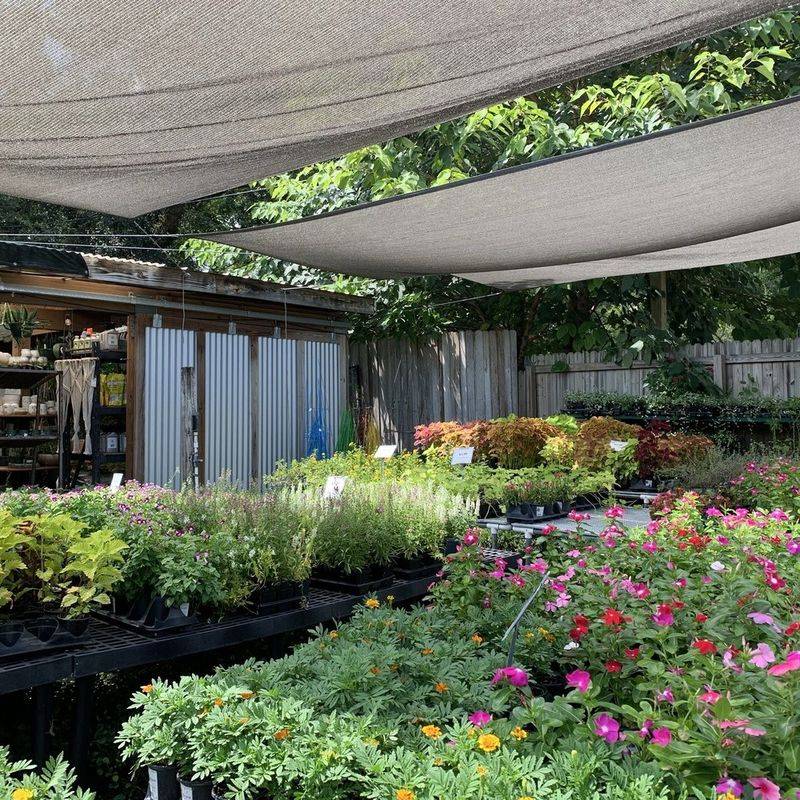
Flowers get the attention, but shrubs and trees do much of a wildlife garden’s heavy lifting. Indian Trails Native Nursery in the Lake Worth area is worth investigating when your project needs that longer-lasting structure.
A native hedge, small canopy tree, or mixed shrub border can provide cover and help shape an outdoor space. Those larger choices also deserve more planning than a quick impulse purchase.
Bring information about overhead wires, nearby paving, septic areas, and the distance to your house. Ask about mature height, root space, and whether a species tolerates your site’s wet or dry periods.
For a mixed screen, choose compatible plants rather than crowding several fast-growing species together. Varied structure can support wildlife while giving the yard a less rigid appearance than a tightly clipped single-species hedge.
Check visitor policies, appointment requirements, and available sizes before making the drive. Once home, follow UF/IFAS planting and establishment guidance, keep mulch away from trunks, and water according to soil conditions and local rules.
Even well-chosen native trees need attention before they become an easier-care part of the yard.