
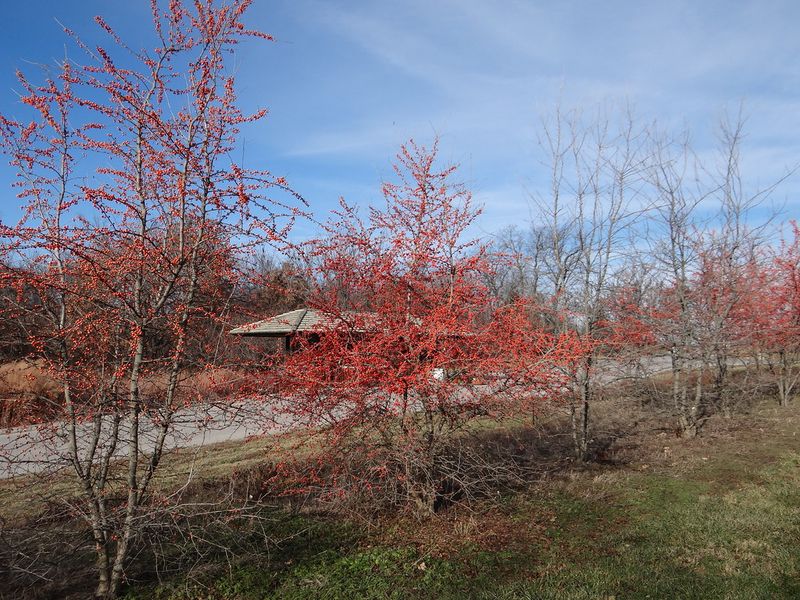
Most Texans think spring is tree-planting season, but fall is actually the sweet spot. Cooler air and warm soil let roots grow strong before the next brutal summer arrives.
If you get a tree in the ground before Halloween, it gets months of easy growing time before triple-digit heat returns. Here are ten tough trees that handle Texas soils, drought, and water restrictions, and that are well worth planting this October.
1. Live Oak
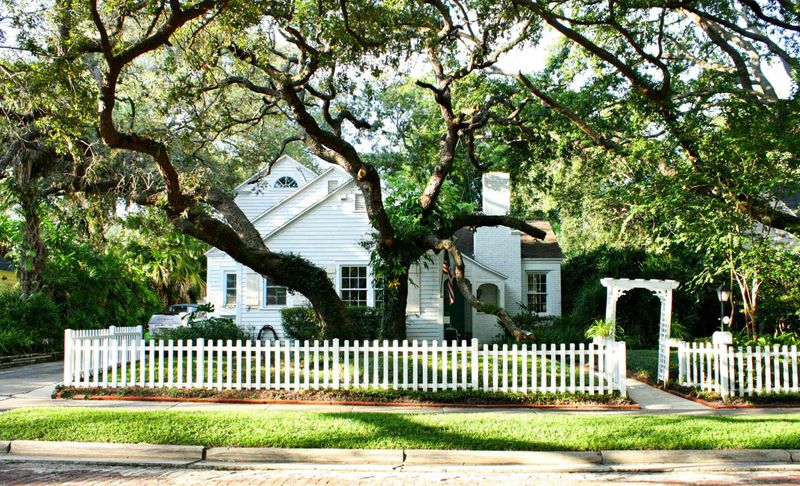
Picture the giant, sprawling oaks shading old Texas courthouse squares. Many of them started as small saplings planted by someone thinking decades ahead.
A live oak you plant this fall could become that kind of landmark for your family.
Live oaks handle heat, drought, and alkaline clay better than most shade trees. They stay green through winter, so your yard never looks bare.
Once established, they usually need little extra water beyond the rain.
Give it room, at least 30 to 40 feet from the house. Watch for oak wilt in Central Texas, and avoid pruning between February and June, when the beetles that may spread the disease are most active.
2. Texas Redbud
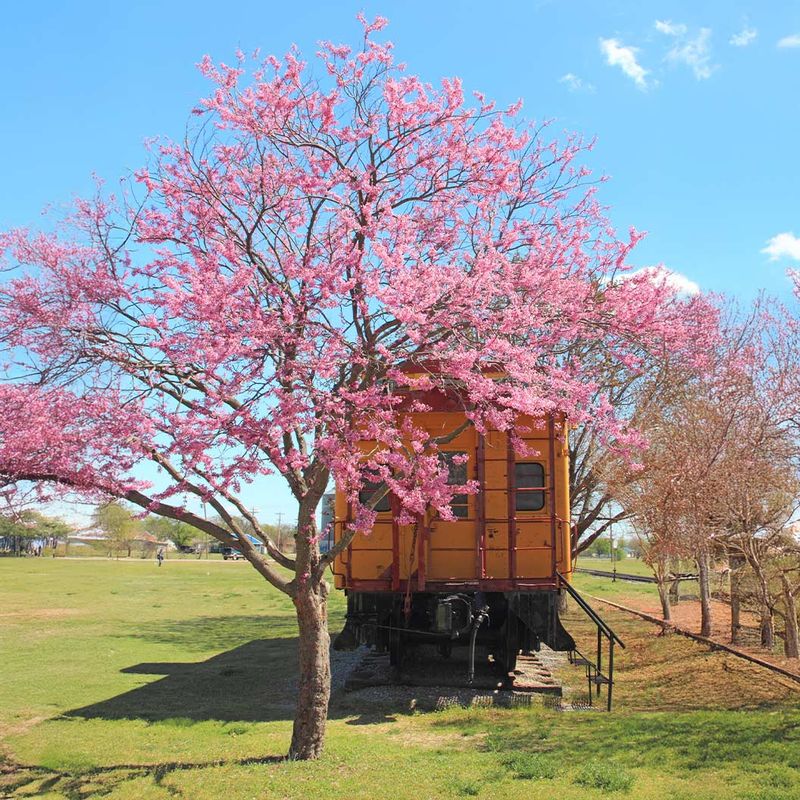
Here is a small tree that pays you back fast. Plant a Texas redbud in October, and by late February or March it can burst into bright pink flowers before its leaves even appear.
Early bees love those blooms when little else is open.
The Texas variety has thicker, glossier leaves than eastern redbuds, which helps it hold moisture in dry spells. It tops out around 15 to 20 feet, making it a good pick for smaller yards and corners near patios.
Fun fact: the young flowers are edible and have a slightly tangy, pea-like taste. Some cooks toss them into salads for a splash of color.
3. Cedar Elm
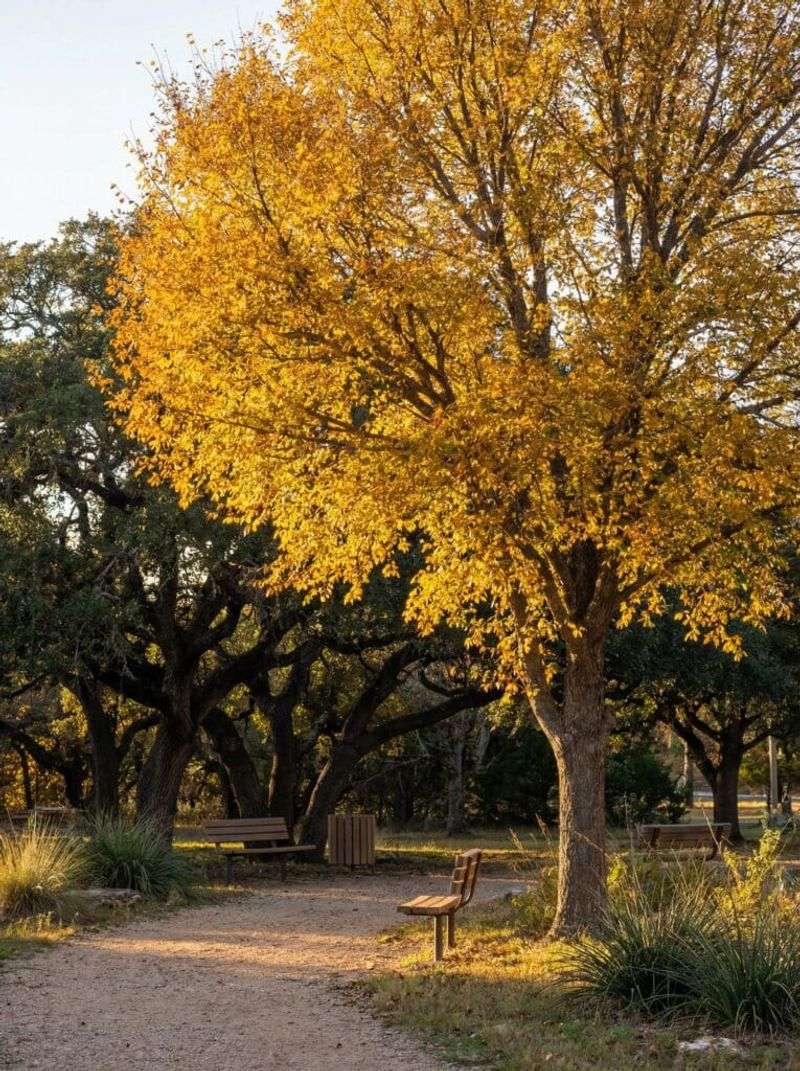
Ask a Texas city arborist for a tree that just refuses to quit, and cedar elm often comes up first. It shrugs off heavy clay, rocky soil, wet winters, and dry summers alike.
The leaves are small and rough, which helps the tree lose less water when August hits. In late fall, they turn a soft buttery yellow, giving you a hint of autumn color that many Texas yards lack.
Cedar elm grows at a moderate pace and reaches about 50 feet. It works well as a street tree or as the main shade tree for a west-facing yard that bakes every afternoon.
4. Mexican Plum
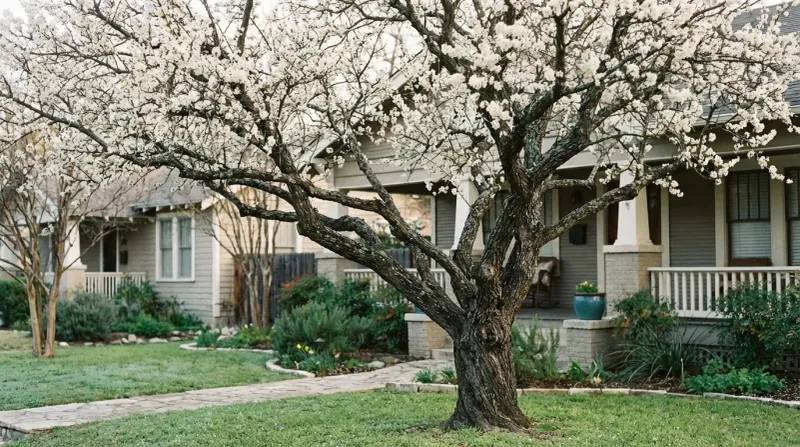
Few things smell sweeter on a cool March morning than a Mexican plum in bloom. The white flowers cover bare branches and pull in butterflies and native bees by the dozen.
Later in summer, small reddish-purple plums appear. Birds, foxes, and other wildlife snack on them, so this tree turns your yard into a busy little habitat.
You can eat them too, though they work best in jelly.
Mexican plum stays around 15 to 25 feet and tolerates partial shade. Tuck it at the edge of a bigger tree’s canopy, where it can act like a natural woodland understory.
5. Desert Willow
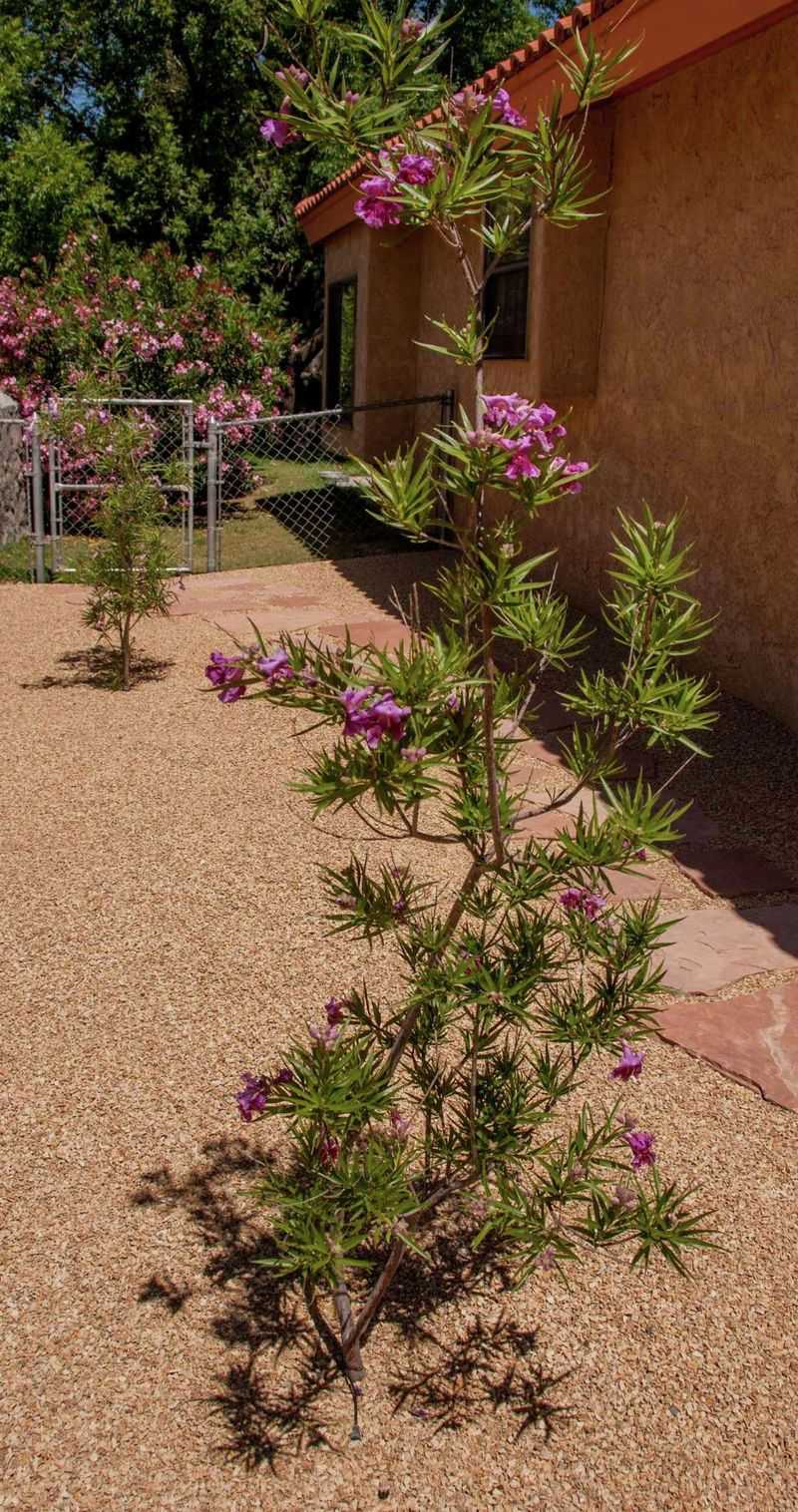
Hummingbird fans, pay attention. Desert willow produces orchid-like trumpet flowers in pink, purple, or white from late spring all the way into fall, and hummingbirds treat it like a buffet.
Despite the name, it is not a true willow. It earned that label from its long, skinny leaves.
Native to West Texas, it needs very little water and actually dislikes soggy soil.
Plant it in full sun with good drainage, maybe on a slope or in a raised bed. It fits beautifully into xeriscape designs and yards under strict watering schedules.
6. Shumard Red Oak
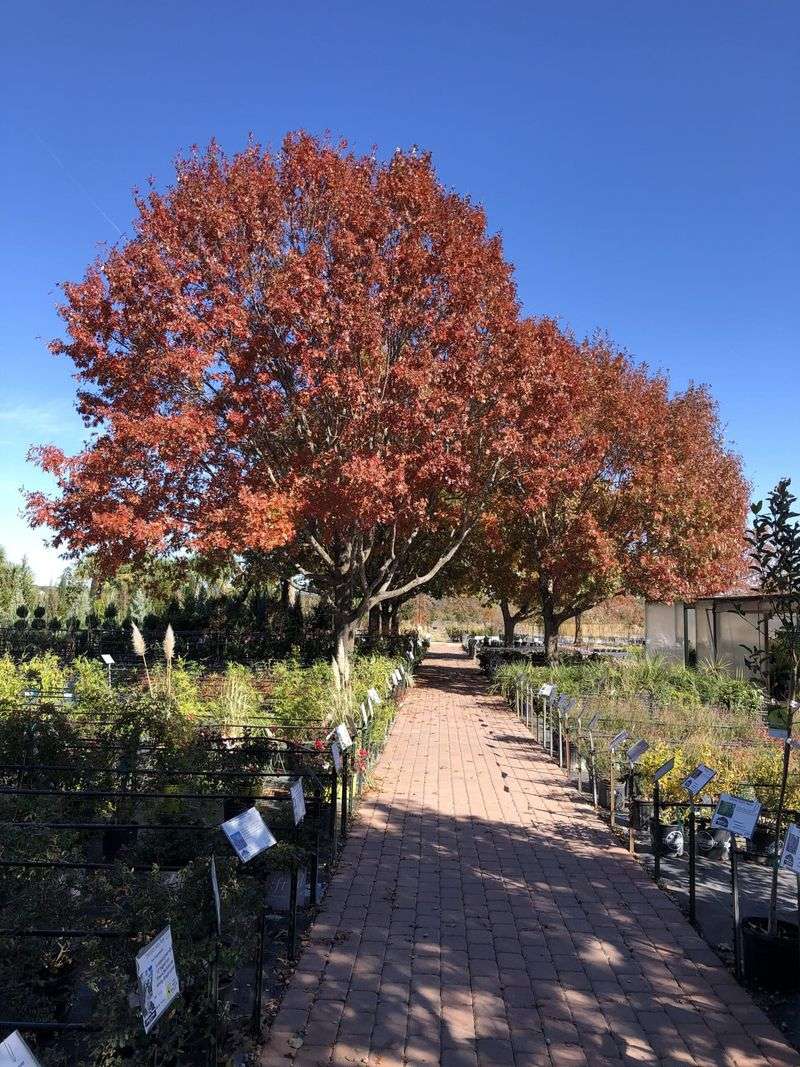
Jealous of New England fall foliage? Shumard red oak is one of the best answers Texas has.
In a good year, its leaves turn deep red and orange in late fall, lighting up an entire block.
It grows faster than live oak and handles alkaline soils well. Expect a tall, upright tree reaching 50 feet or more, with plenty of shade for a large lawn.
Like other red oaks, it can be vulnerable to oak wilt. Buy from a reputable nursery, and paint any pruning cuts right away if you live in an affected area.
7. Yaupon Holly
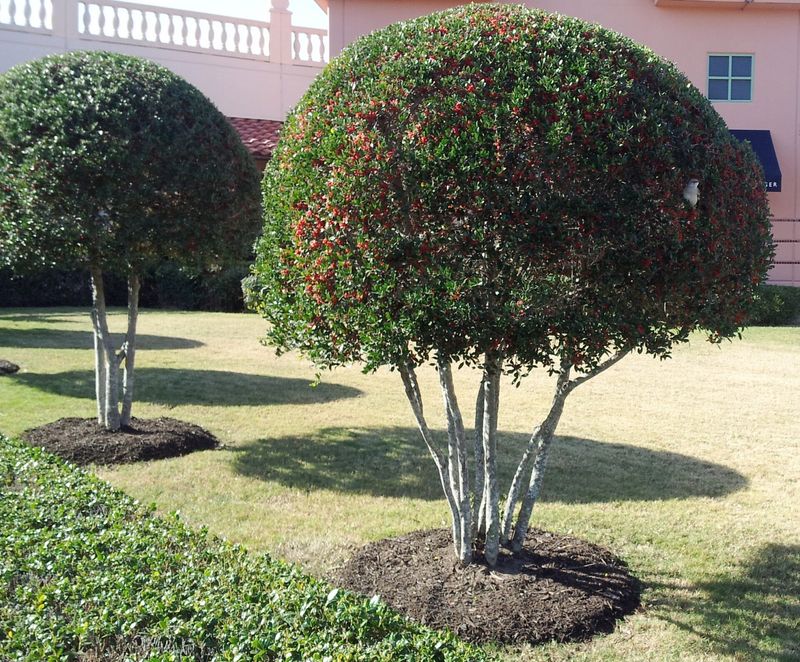
Bright red berries in December, glossy green leaves all year, and birds that visit all winter long. Yaupon holly delivers a lot from one compact plant.
Trained as a small multi-trunk tree, it reaches about 15 to 20 feet. It handles shade, salt spray along the Gulf Coast, and dry spells in Central Texas.
Only female plants make berries, so check the tag.
Here is a bit of history: yaupon is the only native North American plant with caffeine. Native peoples brewed its leaves into tea, and some small Texas companies still sell it today.
8. Bald Cypress
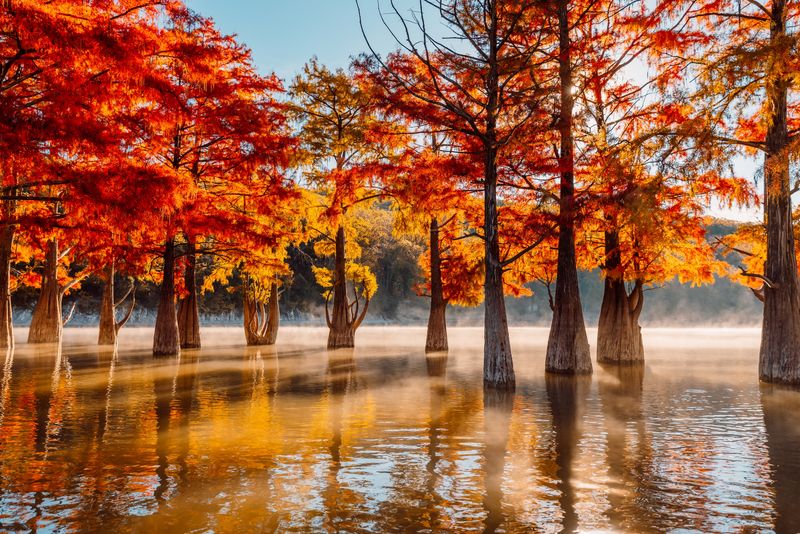
Got a low spot that floods every time a Gulf storm rolls through? Bald cypress might be the fix.
It thrives in wet ground yet also adapts surprisingly well to drier yards once established.
The soft, feathery needles turn rusty orange in fall and then drop, which is why it is called bald. Near water, it may grow knobby knees from its roots, a quirky feature kids love spotting.
Bald cypress also tends to stand up well to strong winds. That makes it a smart pick for Houston and coastal homeowners thinking about hurricane season.
9. Possumhaw
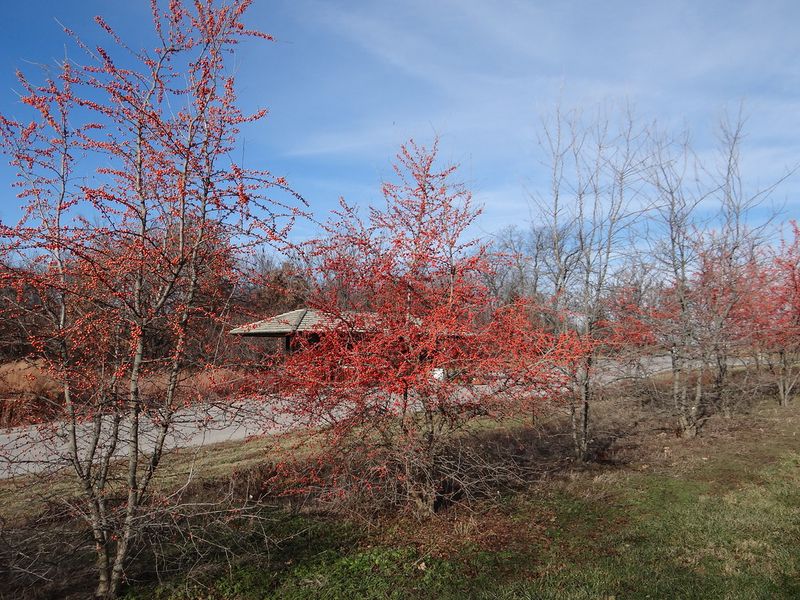
When most trees go dull in January, possumhaw starts showing off. It drops its leaves in late fall and leaves behind bare gray branches covered in red or orange berries.
Robins and cedar waxwings swoop in to feast, so you get winter birdwatching right outside your window. The tree is small, around 15 feet, and fits nicely along fences or beside a driveway.
It accepts clay, damp soil, and part shade. As with yaupon, only female plants make berries, so ask your nursery for a fruiting one.
10. Texas Persimmon
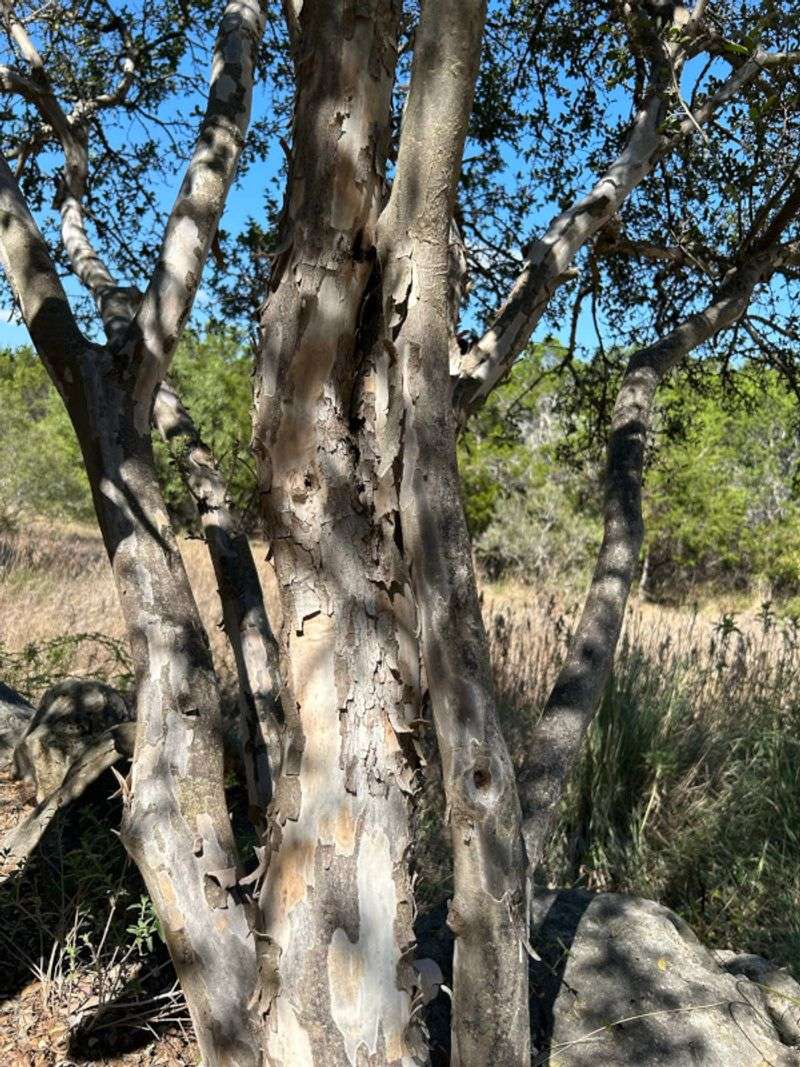
Smooth, peeling bark in shades of gray, white, and pink makes Texas persimmon look like a living sculpture. It is one of the most interesting small trees for a rocky, dry yard.
Female trees produce small black fruits in late summer. They are sweet when fully ripe and a favorite for birds, raccoons, and even gray foxes.
Fair warning, the fruit can stain patios, so plant away from walkways.
This slow grower tolerates poor soil and long droughts, especially in South and West Texas. Water it through its first summer, and it will likely need little help after that.