
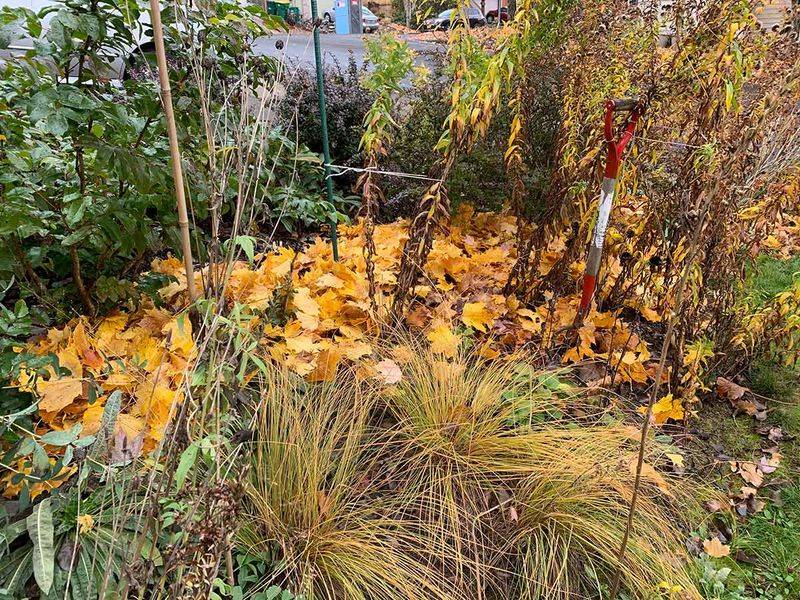
Those blinking lights you saw over the yard in June started life as tiny larvae living in damp leaves on the ground. Right now, as fall arrives in North Carolina, those larvae are hunting snails and worms and getting ready to ride out winter under a soft, moist blanket of leaf litter.
The plants you grow decide whether that blanket is thick, damp, and safe or thin and dry. Here are eight native picks that can help your yard hold onto the shelter fireflies need, from the mountains to the coast.
1. White Oak
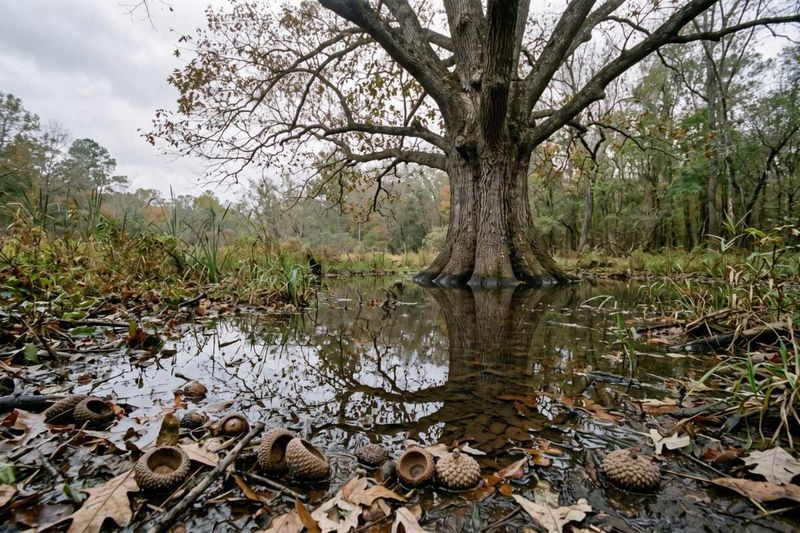
Ask any old-timer in the Piedmont and they will tell you oak leaves never seem to rot. That slow breakdown is exactly why white oak (Quercus alba) earns the top spot here.
Thick, leathery oak leaves curl as they fall, creating tiny air pockets that trap moisture against the soil. Firefly larvae can tuck into those layers through the winter, where temperatures stay steadier than in bare ground.
Because oak litter lasts well into spring, it may keep providing cover long after maple and tulip poplar leaves have flattened out.
White oak grows statewide, from mountain coves to the coastal plain, and it hosts hundreds of caterpillar species too. If you already have one, the simplest step this weekend is to rake its leaves into nearby beds instead of bagging them.
Planting a young tree this fall gives roots time to settle before summer heat returns.
2. Christmas Fern
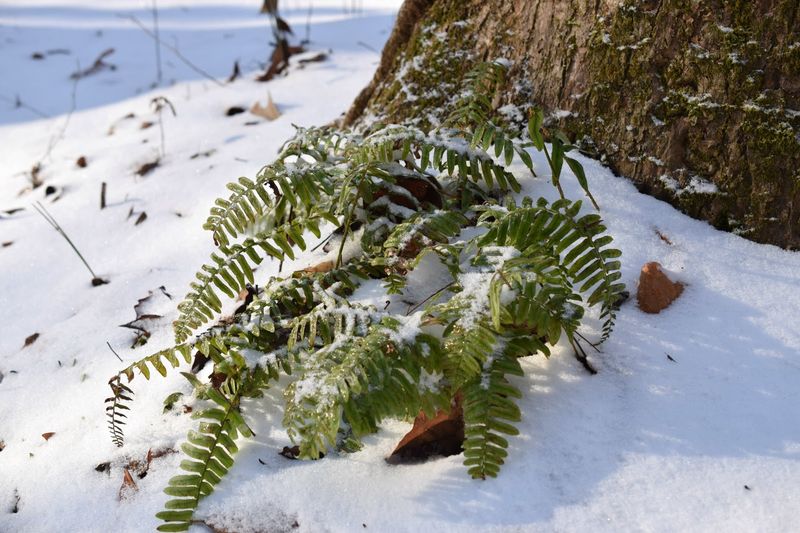
Picture a green umbrella that never folds up for winter. Christmas fern (Polystichum acrostichoides) keeps its fronds through the cold months, and as they relax toward the ground, they pin fallen leaves in place.
That matters more than you might think. Wind can strip a shady bed bare by January, but a fern clump acts like an anchor, holding a pocket of damp litter where larvae may shelter.
The fronds also shade the soil, slowing the drying that hits exposed leaf piles on sunny winter afternoons.
Plant it in shade or part shade along a north-facing foundation, under trees, or on a slope. It tolerates clay, handles deer browsing better than many natives, and asks for almost nothing once established.
Fall planting across NC works well while soils are still warm.
3. Switchgrass
Sunny yards get a bad deal when it comes to firefly habitat. Open lawns dry out fast, so larvae in those spots have little cover once frost arrives.
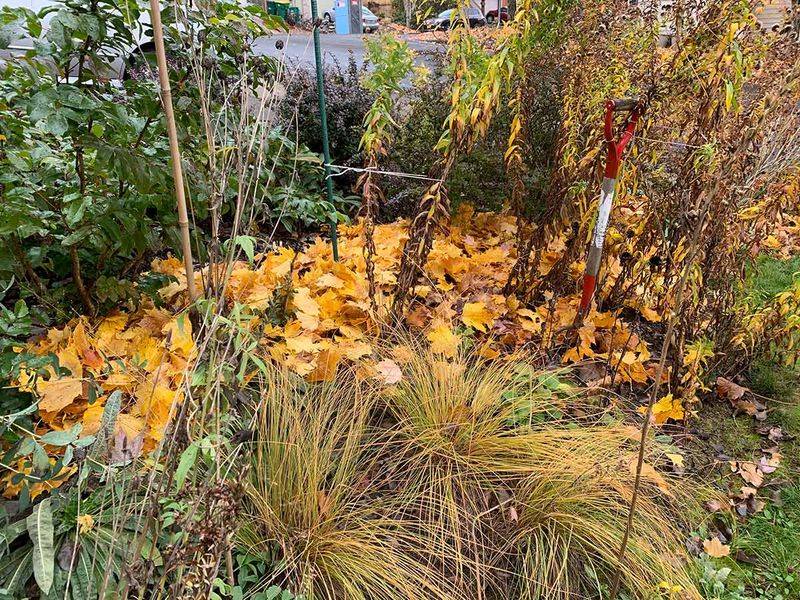
Switchgrass (Panicum virgatum) changes that equation. Its upright clumps catch blowing leaves at their base like a net, and the standing stems shade the ground through winter.
Leave the stalks uncut until late February or March, and the clump forms a sheltered, humid zone right where you need it.
It handles heat, drought, and even wet ditches, so it fits Piedmont clay and sandy coastal soils alike. Cultivars like Shenandoah and Northwind stay tidy enough for a front border.
Think of it as a sunny-yard swap for imported ornamental grasses, with a firefly bonus built in.
4. Pennsylvania Sedge
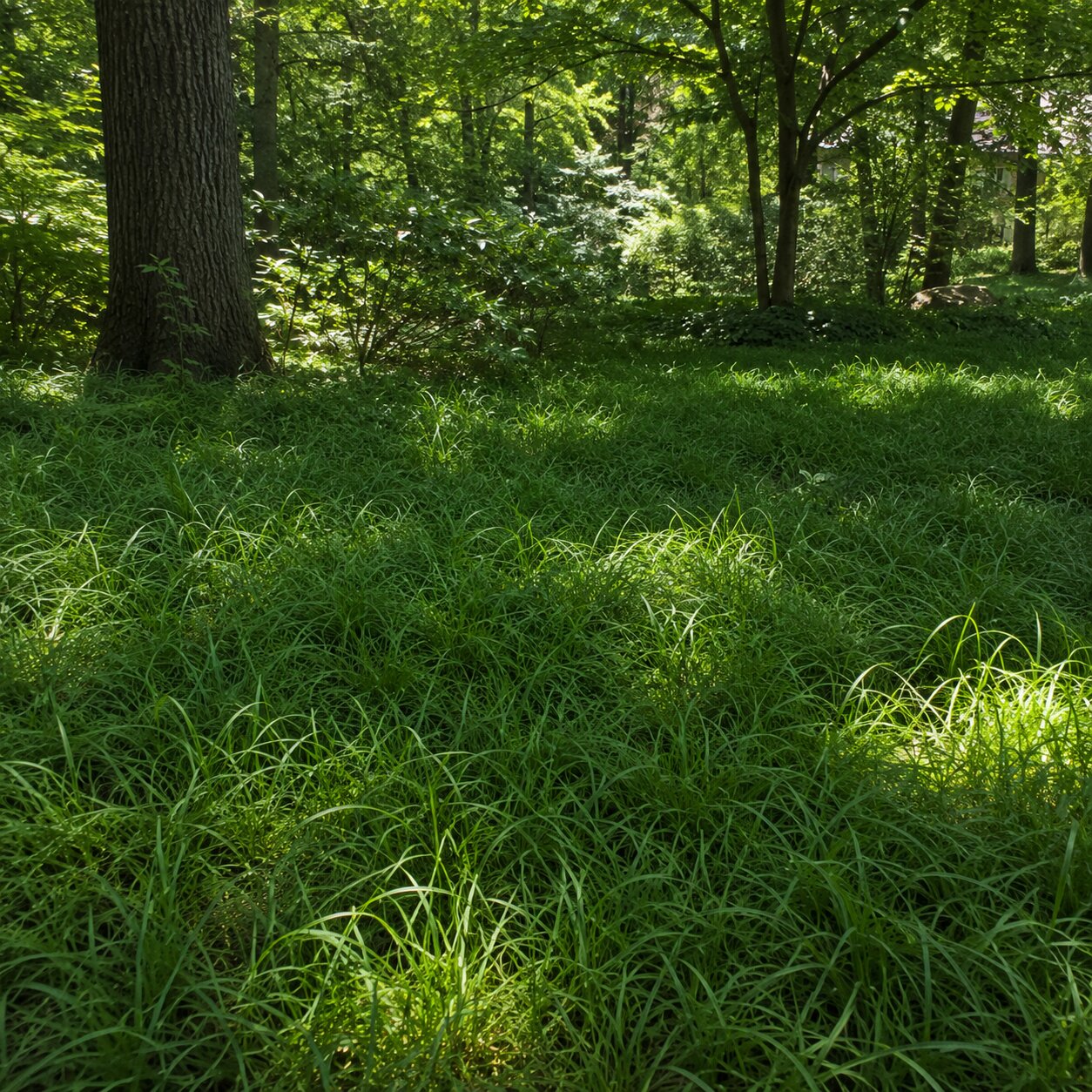
Here is a lawn alternative that fireflies would vote for if they could. Pennsylvania sedge (Carex pensylvanica) forms a low, fine-textured mat that thrives under trees where turf struggles.
Unlike mowed grass, it does not need constant trimming, so leaves can settle into it and stay. The dense foliage holds those leaves loosely, letting moisture linger while still allowing air to move.
Larvae may find both food and shelter there, since snails and slugs also like the cool, damp surface.
Use it to replace a patchy shaded lawn or to edge a woodland path. It is best suited to the mountains and Piedmont, while coastal gardeners can try native Carex cherokeensis instead.
Mow once in spring, if at all.
5. Spicebush
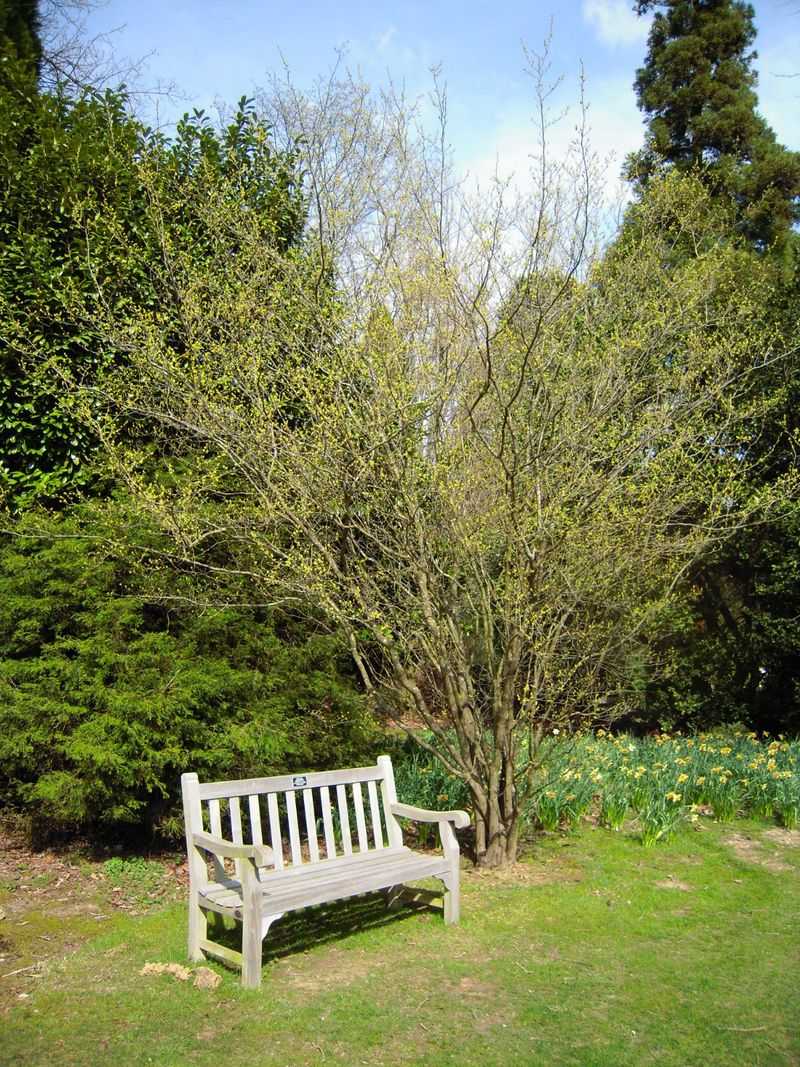
Crush a spicebush leaf and you get a burst of citrus and allspice. Lindera benzoin is a shrub with a lot going on, and its role in winter habitat is easy to overlook.
The shrub grows in a loose, multi-stemmed form that slows wind near the ground. Its own golden leaves drop in October and November, mixing with oak and hickory litter into a softer, quicker-decaying layer.
That blend tends to stay moist, which can suit soil-dwelling insects like firefly larvae.
Spicebush loves moist, shady spots, so it fits stream edges, low corners, and wooded backyards across most of NC. Female plants carry red berries that feed migrating birds this time of year.
Plant a few together to get that shrubby, sheltered pocket working.
6. Wild Ginger
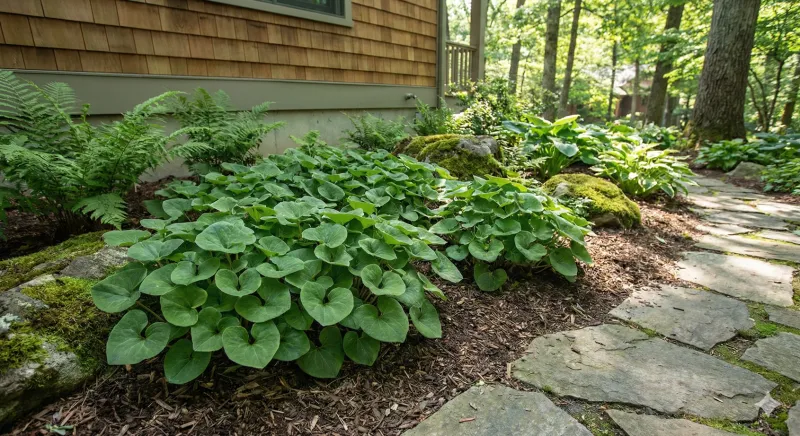
Some groundcovers take over. Canadian wild ginger (Asarum canadense) just quietly holds the line.
Its broad, heart-shaped leaves sit only a few inches tall, creating a low canopy that keeps soil cool and damp. Fallen leaves drift in between the stems and stay there, giving larvae a moist hideout without the matted, soggy mess you get on bare soil.
The foliage dies back in winter, but the litter it trapped remains.
Fun fact: its odd maroon flowers bloom right at ground level, likely visited by crawling insects. Plant it in rich, shady beds in the mountains and Piedmont.
Coastal gardeners can look at native little brown jug (Hexastylis arifolia), an evergreen cousin that does the same job.
7. Inland Sea Oats
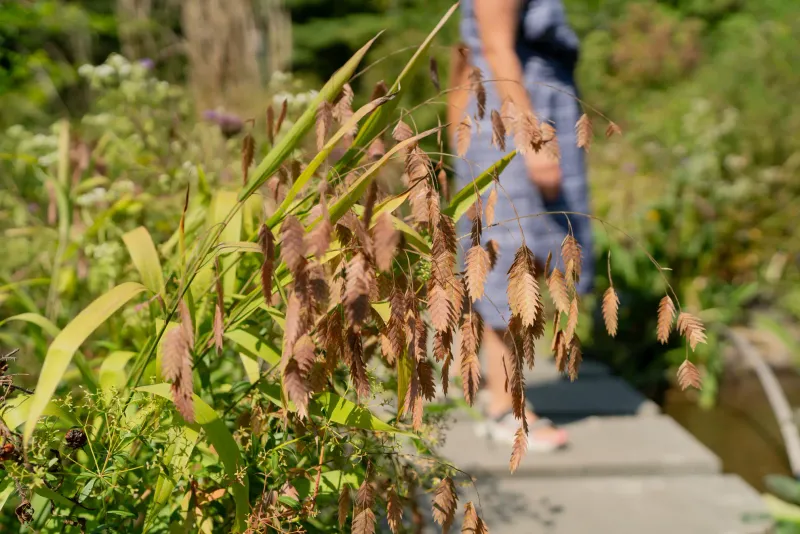
Those flat, dangling seed heads catch every passing breeze, and they catch something else too. Inland sea oats (Chasmanthium latifolium) grow in dense clumps that collect fallen leaves almost as well as a rake.
It shines in part shade, a spot where switchgrass would sulk. The bronze stems hold up through winter, keeping a shaded, humid layer near the soil.
Leave them standing until spring cleanup.
One caution: it reseeds freely, so give it room or snip some heads if you want it contained. It grows well statewide, including coastal plain gardens, and handles both clay and moist soils.
8. Flowering Dogwood
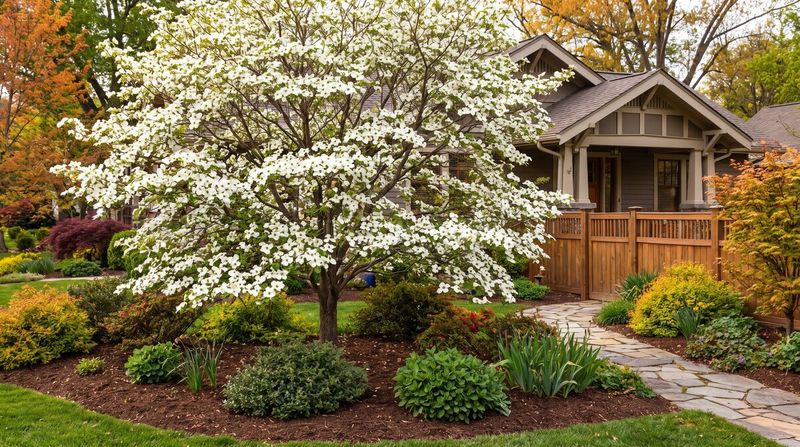
North Carolina’s state flower deserves a spot on this list for more than its spring show. Flowering dogwood (Cornus florida) drops leaves that break down faster than oak, building rich, spongy soil over time.
Pair it with an oak and you get the best of both: long-lasting oak cover on top and moist, crumbly humus below. That layered combo can hold water through dry fall spells and may give larvae room to move and feed.
It is a small change with a big payoff in a front-yard bed.
Plant dogwoods in part shade with good drainage, and keep a ring of leaves around the base instead of bare mulch. Fall is ideal timing across the state.
Your takeaway for this weekend: pick one bed, leave its leaves, and let your native plants do the rest.