
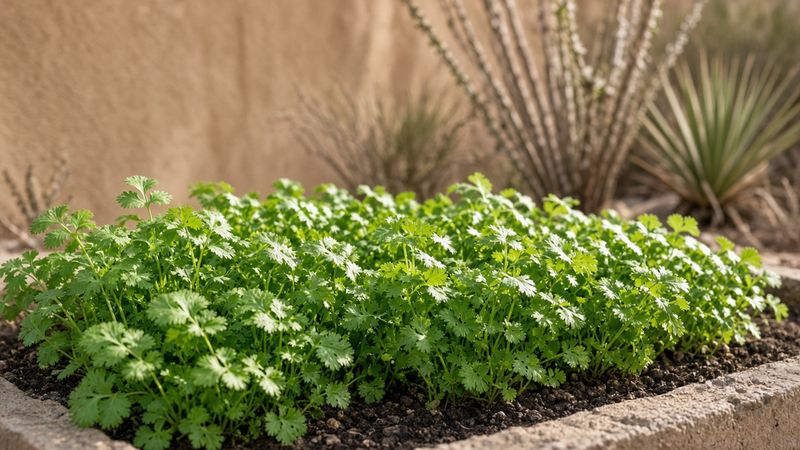
Cilantro has a reputation for racing to flower the moment the weather turns hot. Many Southern gardeners sow it in spring, watch it shoot up and go to seed, and decide it is just a fussy herb.
The trouble is mostly timing, because cilantro prefers cooler seasons. Sowing as the heat eases can give you a longer stretch of tender leaves, though the best date depends on where you live.
Why cilantro flowers sooner in warm weather
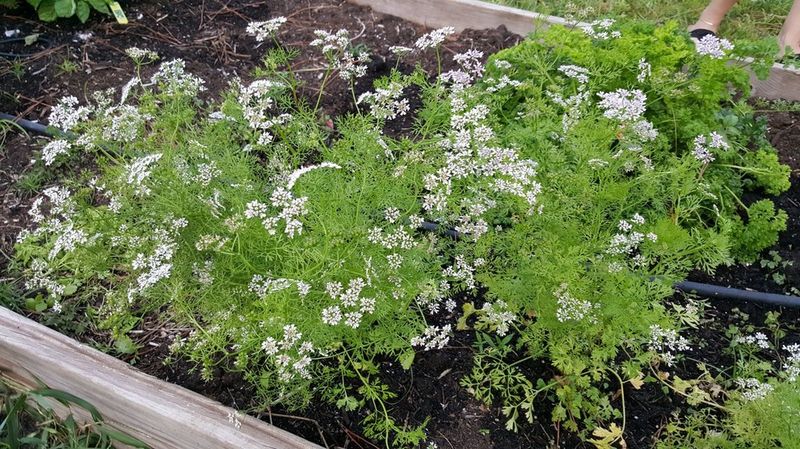
Bolting simply means the plant is flowering and heading toward seed. Cilantro does this on its own schedule, but warmth speeds things up.
Oregon State Extension explains that both temperature and day length influence flowering, and that in warm weather the plant completes its life cycle faster.
That is why a spring or early summer sowing can give you only a few weeks of leaves before stems stretch and flower buds appear. Cool-season conditions can allow weeks or even months of leafy growth first.
Texas A&M describes cilantro as a cool-season crop, and its guidance also gives a practical temperature range, noting that temperatures above 85°F prompt bolting, according to Texas A&M AgriLife. Still, no single number predicts every plant, since day length matters too.
Fall sowing can delay flowering, but it does not cancel it. Cilantro will eventually bloom, and a warm spell can nudge it along sooner than you would like.
Choose a planting date for your region
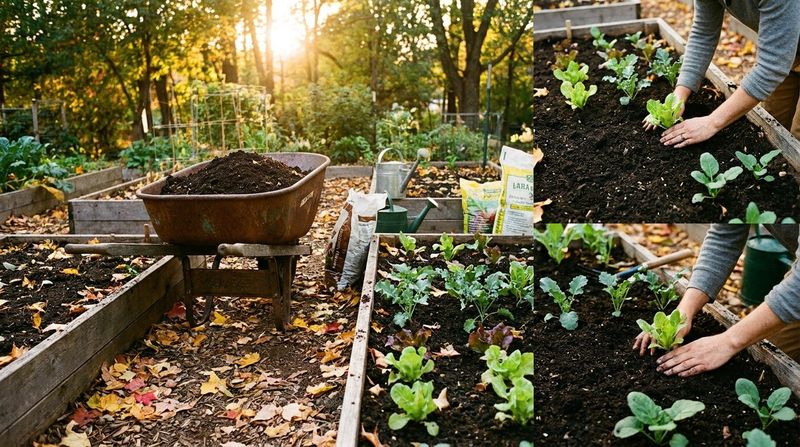
Planting calendars differ a lot across the South, so “right now” is not good advice for everyone. In Central Texas, Texas A&M guidance recommends sowing in September for a November harvest.
Farther south, the picture shifts. The Rio Grande Valley Homeowner Vegetable Guide lists cilantro planting from early October through early February.
A late-October sowing fits that window, but it would be late for Central Texas.
Florida adds another layer. UF/IFAS recommends growing cilantro in fall and winter, and planting times vary by region of the state, as the UF/IFAS guide for new residents points out.
Your best move is to find your county Extension office’s planting calendar and match your sowing to it. Do not assume one date works for the whole South or for every temperate region.
Direct-sow cilantro in its growing spot
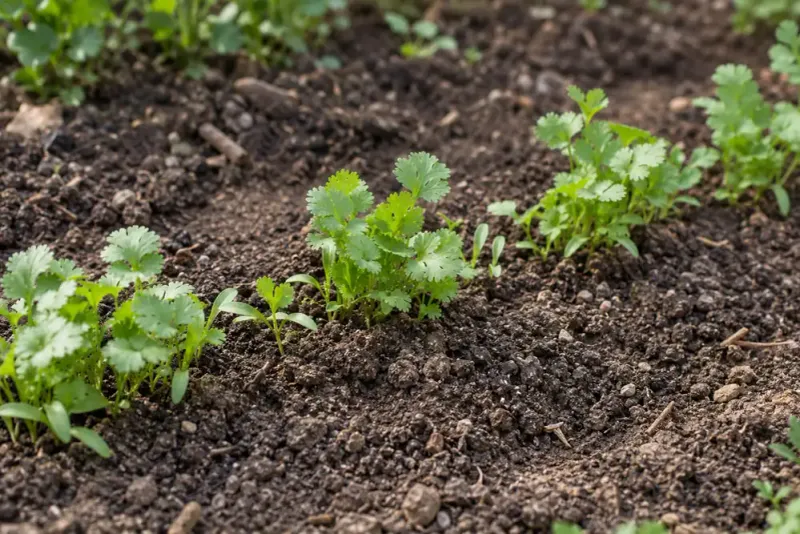
Pick the spot first. Cilantro does well in sun to partial shade, in fertile, well-drained soil.
A bed that gets some afternoon shade can be a smart choice as days stay warm.
Sow the seeds about ¼ to ½ inch deep, as Texas A&M AgriLife recommends. Once seedlings are up, UF/IFAS suggests spacing plants about 8 inches apart, which gives each one room for leafy growth.
Skip the nursery flat if you can. Cilantro grows a taproot, and Oregon State Extension notes that this makes transplanting difficult.
Disturbed roots can stall the plant and leave it stressed.
If you want to thin crowded seedlings, snip the extras at soil level with scissors instead of pulling, so you do not disturb neighbors. The thinnings make a tender first taste of the crop.
Make repeat sowings for a steadier harvest
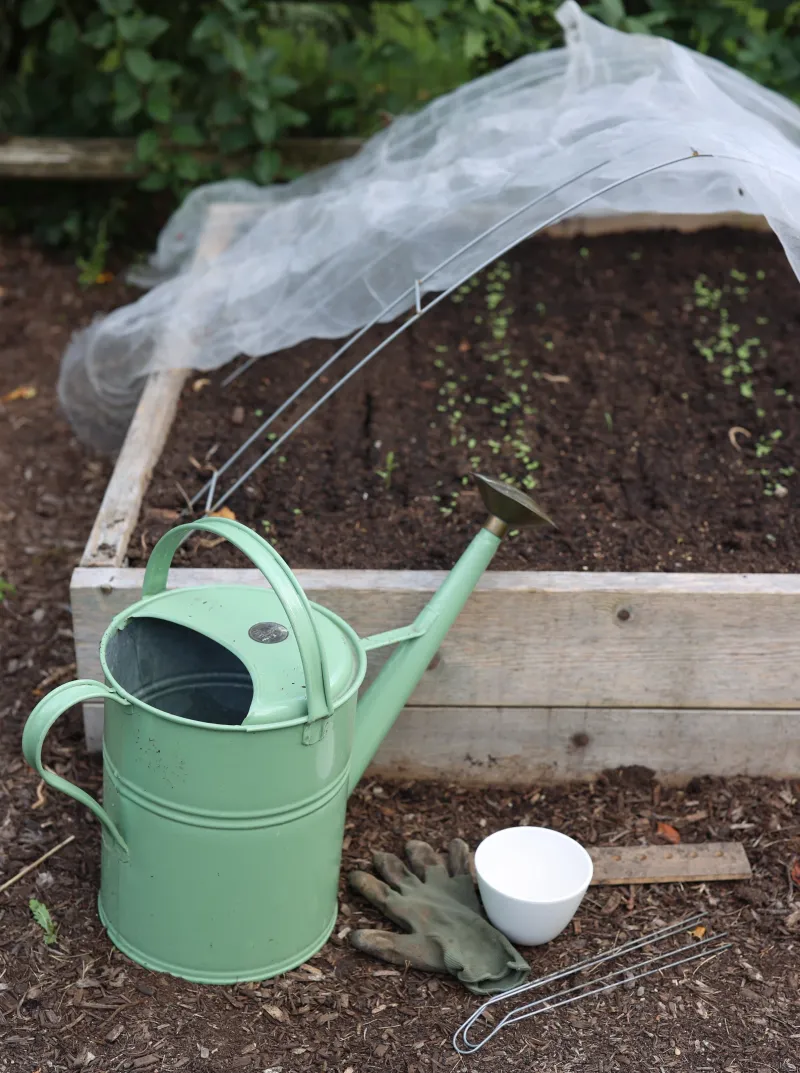
One big planting tends to give you one big flush of leaves, then a gap. Small batches sown every few weeks spread the harvest out.
Both University of Maryland Extension and Oregon State Extension recommend succession sowing.
A simple plan is to sow a short row, mark the date on a plant tag, and sow another row a couple of weeks later. Stop when your local season starts to warm.
Moisture matters most early on. Keep the seedbed evenly damp while seeds germinate and seedlings get established, since a crusty, dry surface can leave you with patchy rows.
As a rough guide, Texas A&M AgriLife expects a leaf harvest about 45 to 70 days after sowing. Treat that as an estimate, because weather, soil, and moisture can speed it up or slow it down.
Harvest leaves or let the plant produce coriander
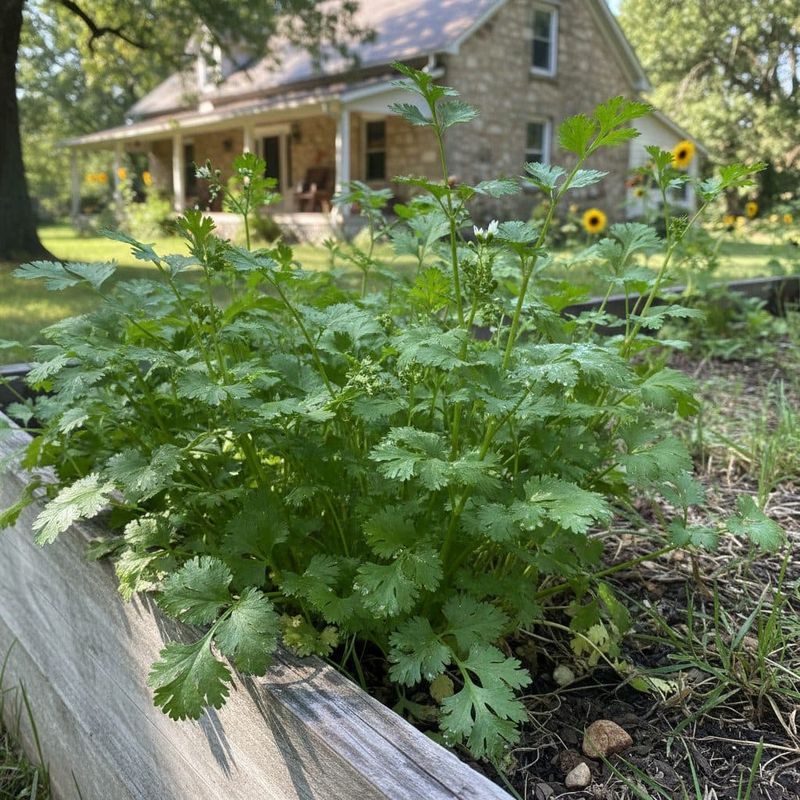
Plants about 6 inches tall are ready for picking, according to UF/IFAS. Snip outer stems first and leave the center growing so the plant keeps producing.
Younger, leafy growth is what most cooks want, so harvest regularly while the plant is still compact. Waiting too long can mean tougher, more feathery foliage as the plant prepares to flower.
When flower stalks do appear, you have a choice. You can pull the plant and sow a fresh row, or you can let it finish.
Flowers turn into seed, and the seeds are coriander.
Leaves and coriander are two different harvest goals from the same plant, as Oregon State Extension explains. So bolting is not always a failure.
It can simply be the moment your cilantro changes jobs.
Expect a longer leafy season, not an all-winter guarantee
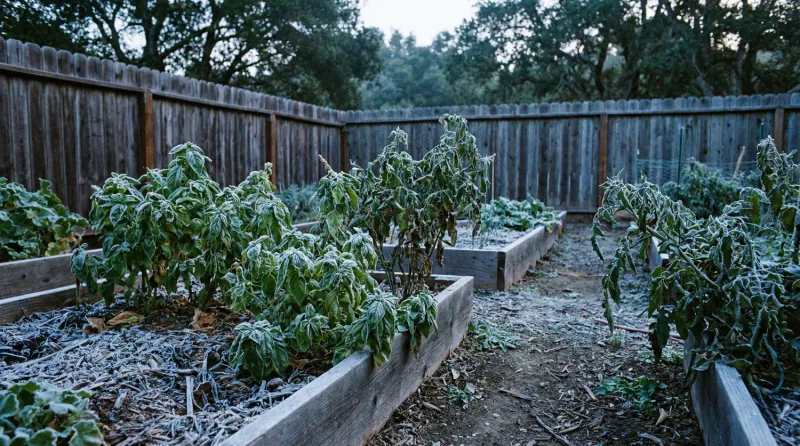
Cool, shorter days can hold flowering back for a while, but they cannot hold it back forever. UF/IFAS and its cilantro guide note that Florida cilantro generally flowers as warmer spring weather arrives.
Cold tolerance is also easy to misread. Oregon State Extension says mature plants tolerate light freezing, and Texas A&M AgriLife reports tolerance as low as 10°F.
Tolerating a freeze is not the same as surviving every winter, growing actively, or giving you a lush harvest.
Hard freezes, cold snaps, and wet soil can all set plants back, and growth often slows in the coldest weeks. Some winters will be generous and others stingy.
Check your local Extension planting guidance, sow small batches while your season allows, and keep a few seedlings coming. Cilantro rewards good timing more than wishful thinking.