
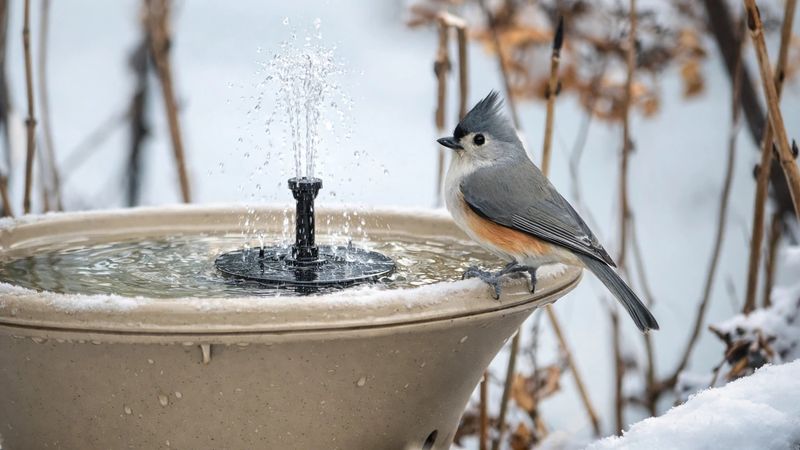
Cheap resin bird baths from the big-box store often crack after one North Carolina winter of freezing nights and warm afternoons. A homemade bath built from sturdy, simple materials can last for years and give birds open water when natural sources freeze or dry up.
Cardinals, bluebirds, Carolina wrens, and chickadees stay busy all winter, and fresh water may pull them in even more than feeders do. Here are eight DIY designs that can hold up in the mountains, Piedmont, and coastal plain, plus why each one works.
1. Terracotta Saucer on a Stacked Pot Base
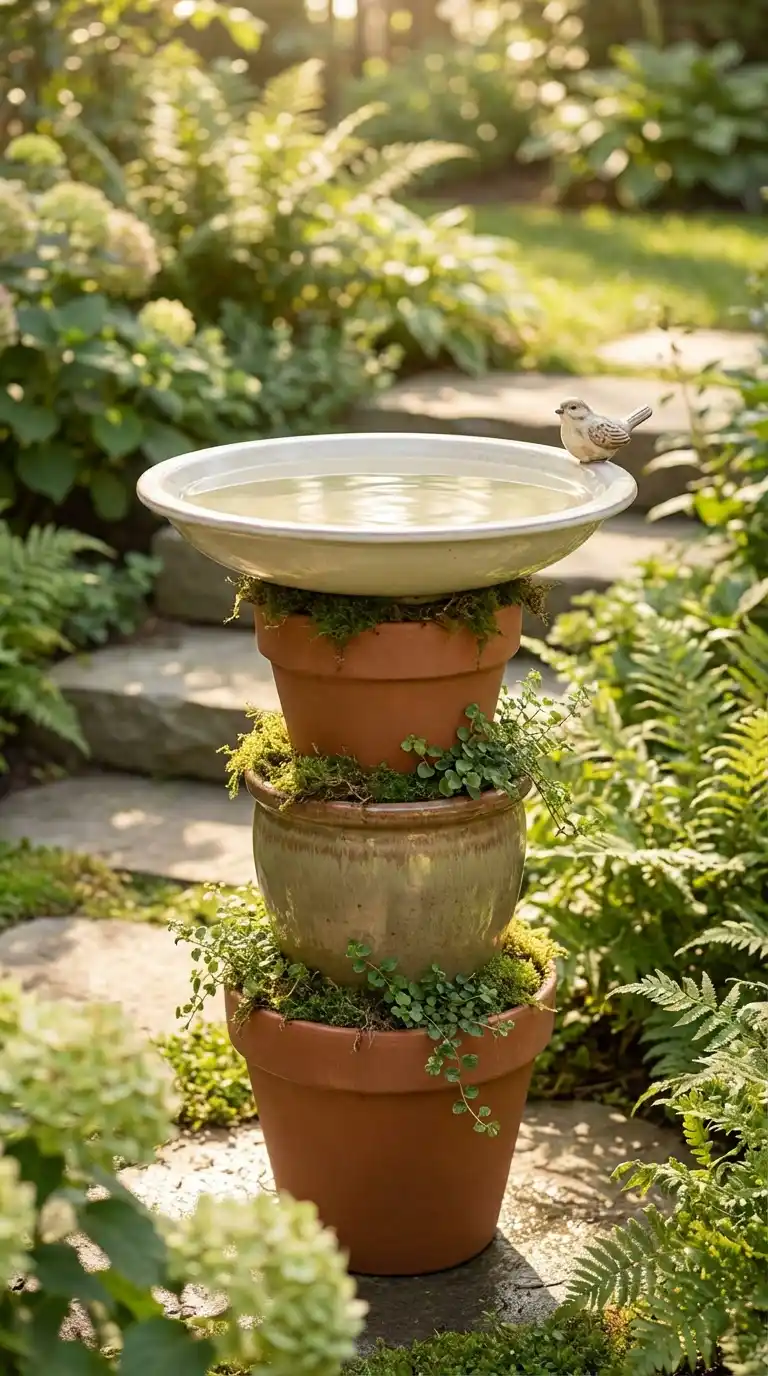
Picture three clay pots stacked upside down, topped with a wide saucer, and a bluebird perched on the rim. That is the classic starter project, and it costs less than most plastic baths.
The trick for North Carolina is sealing the clay. Unsealed terracotta soaks up water, and when that water freezes on a January night in Asheville or Greensboro, it can flake and crack.
Two coats of clear, non-toxic masonry sealer on the outside and base can help it survive many winters.
Keep the water shallow, about one to two inches, and add a flat stone in the center so smaller birds have a landing spot. Glue the pots together with outdoor construction adhesive so a curious raccoon or strong wind cannot tip it over.
2. Hypertufa Leaf-Cast Basin
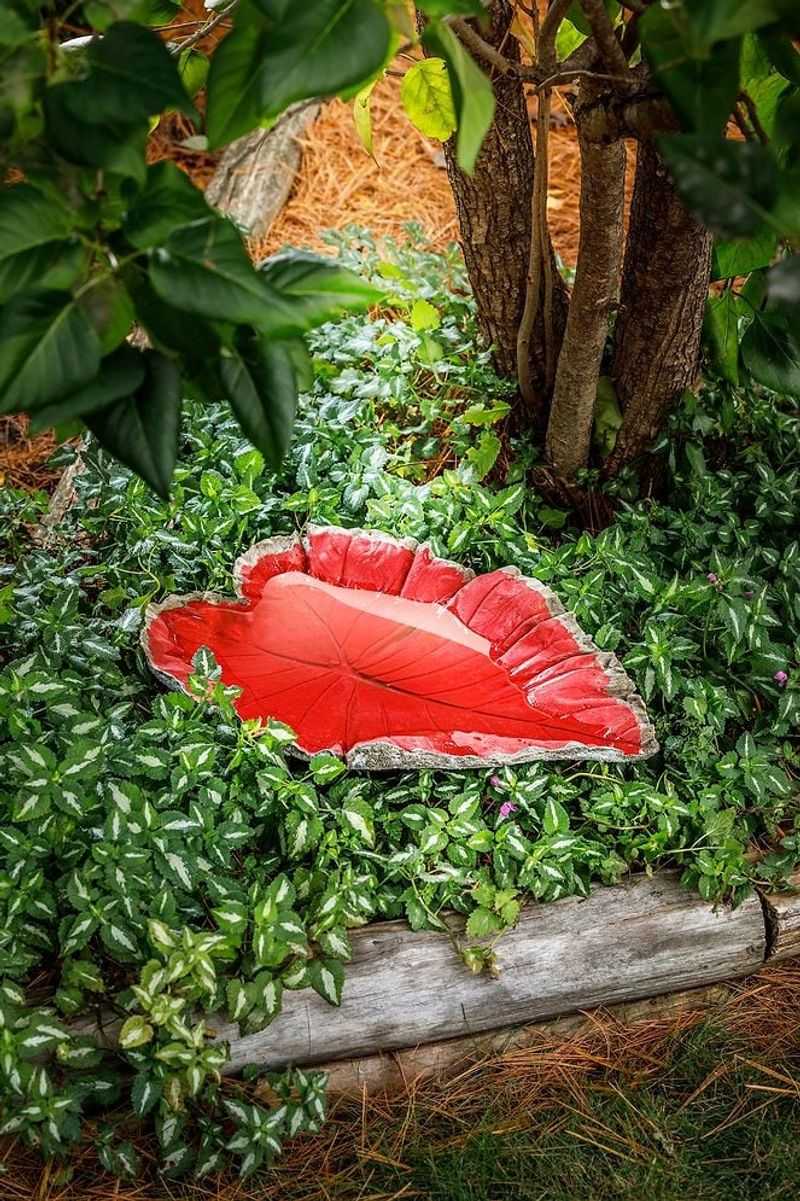
Grab a big rhubarb or elephant ear leaf before frost knocks it down, and you have a mold for one of the most beautiful baths you can make. Pile damp sand into a mound, lay the leaf over it veins up, and pack on a mix of cement, peat, and perlite or plain sand-mix concrete.
After it cures for a week or two, peel the leaf away. The result is a heavy basin with natural texture that gives tiny feet a sure grip, something slick glazed baths often lack.
Thick concrete handles freeze-thaw cycles far better than thin resin. Set it right on the ground near shrubs like native yaupon or wax myrtle, where wrens and sparrows feel safe from hawks.
Rinse it with a stiff brush every few days, since moss and algae love its rough surface.
3. Ground-Level Stone Puddle
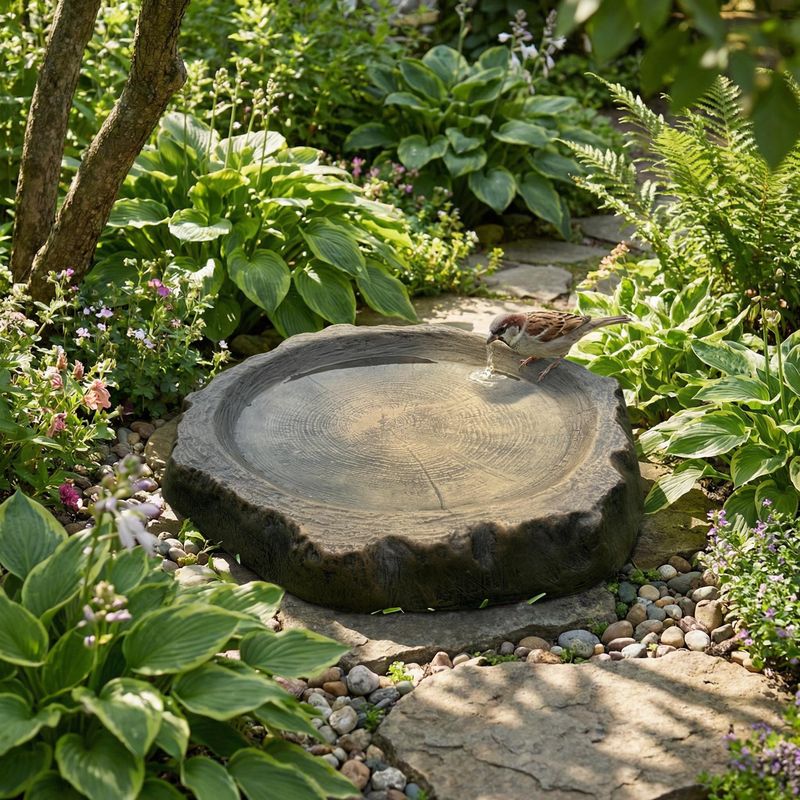
Ever notice how robins crowd around a driveway puddle after rain? Many birds simply prefer drinking at ground level, and a stone puddle copies that perfectly.
Look for a flat fieldstone with a natural dip, or chisel a shallow bowl into a soft sandstone slab. Nest it into the soil so it sits flush with mulch.
There is almost nothing to break, so it may outlast every other bath in your yard.
Ground feeders like towhees, juncos, and white-throated sparrows, which arrive in NC for winter, often use these more than raised baths. Place it about 10 feet from dense cover so birds can escape, but not so close that cats can ambush them.
4. Upcycled Glass Lamp Shade Bowl
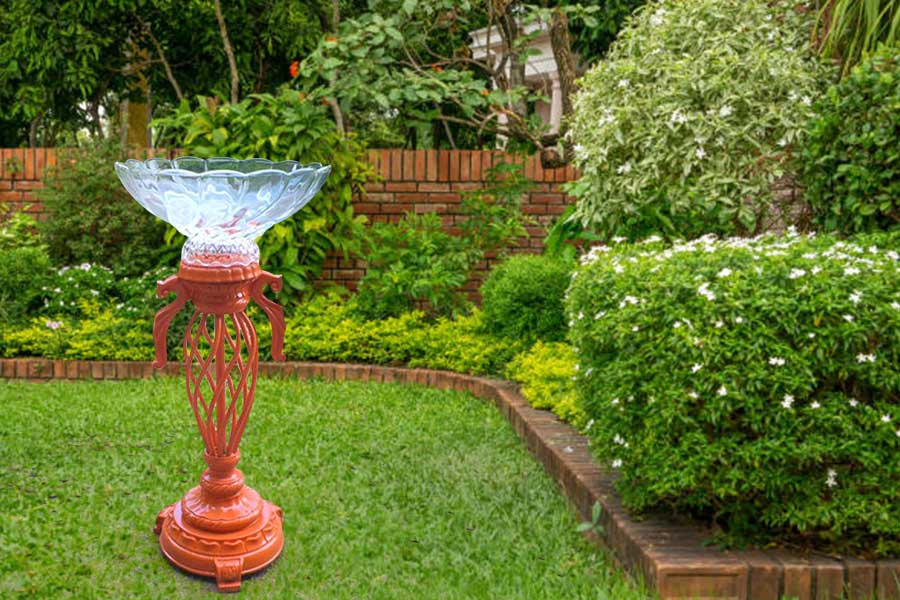
Thrift stores in every North Carolina town have old ceiling light covers sitting on dusty shelves. Flip one over, and you have a ready-made bath with a gentle slope birds love.
Thick tempered glass shrugs off sun and does not fade like painted plastic. Mount it on a cedar or black locust post with a pipe flange and silicone.
Both woods resist rot well in humid Piedmont and coastal weather.
A word of caution: thin glass can crack in a hard freeze if water sits in it. Empty it on nights forecast below about 20 degrees, which happens more often in the mountains, or pair it with a heater.
Add a few pebbles so the bottom is not slippery.
5. Heated Bath with an Outdoor De-Icer
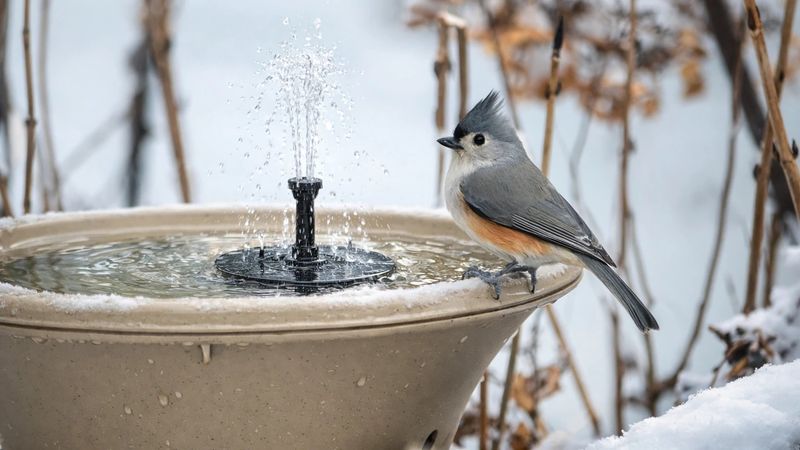
When a cold snap freezes every creek in Watauga County, an open bowl of water turns into the busiest spot in the neighborhood. Adding a small thermostat-controlled de-icer to any sturdy DIY basin can make that happen.
Choose a bird-bath-rated heater with an auto shutoff so it only runs when temperatures drop near freezing. Run a properly rated outdoor extension cord from a GFCI outlet, and keep the plug off the ground.
Open water in winter can attract goldfinches, bluebirds, and even yellow-rumped warblers. In the Piedmont, you may only need it a few weeks a year, while mountain yards could use it from December through February.
It also protects concrete and clay from ice damage, which helps your bath last longer.
6. Dripper Bath from a Recycled Jug
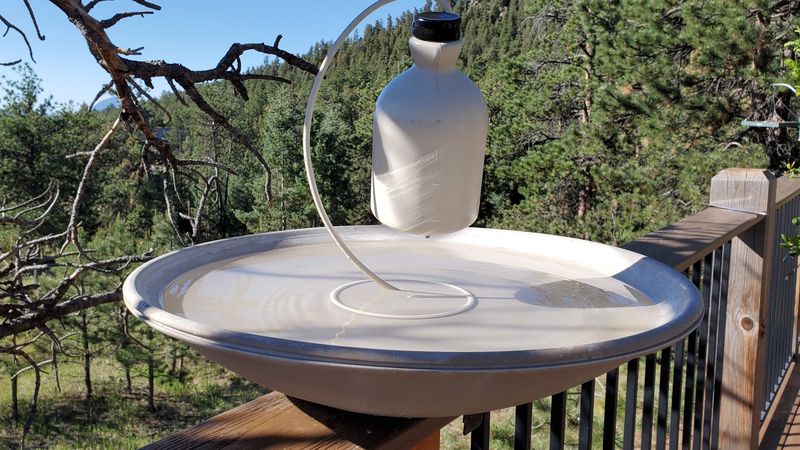
Sound sells. Birds hear dripping water from a surprising distance, and a simple drip can turn a quiet bath into a magnet.
Poke a pinhole in the cap of a clean gallon jug, fill it, and hang it upside down from a branch or shepherd’s hook over your basin. Adjust the hole until it releases a drop every few seconds.
Moving water may also slow mosquito breeding during warm spells, which NC still gets well into fall. Refill every day or two, and swap in warm tap water on frosty mornings for an easy winter boost.
7. Solar Fountain Barrel Half
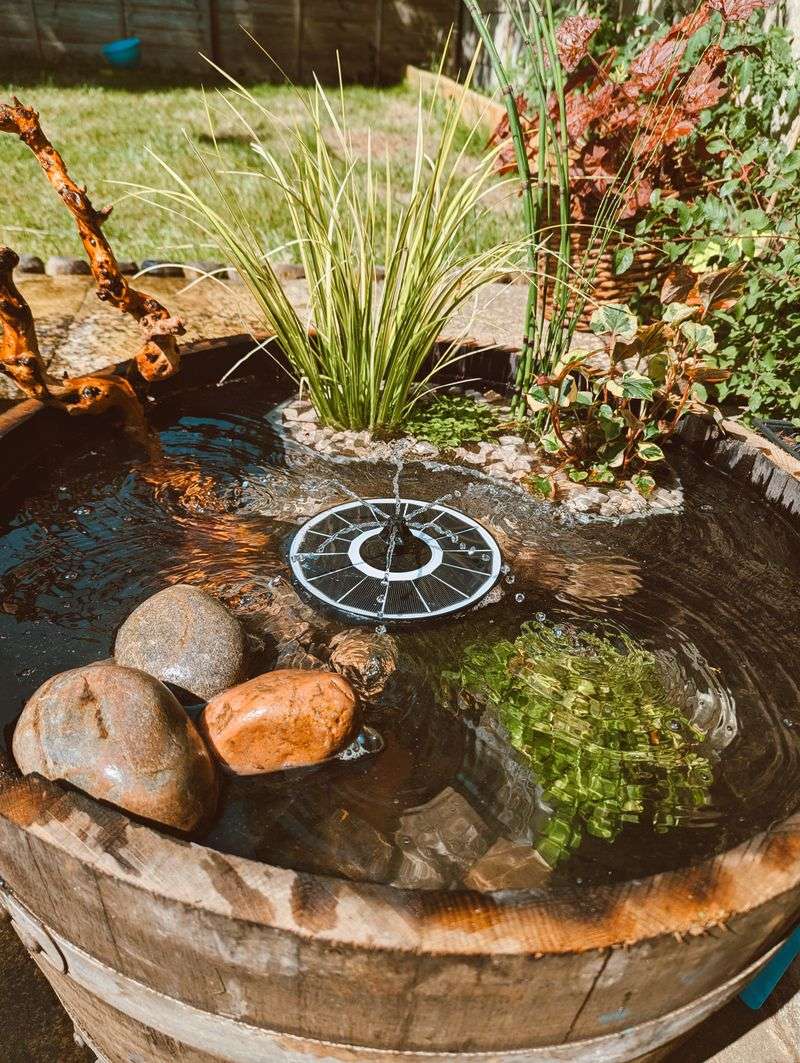
Folks along the Outer Banks and Wilmington know salty air chews up cheap metal fast. A half wine barrel, lined with a pond liner, laughs at that.
Fill it partway with river stones so the water stays shallow at one end, then drop in a small solar fountain pump. The bubbling surface glitters in the sun and catches the eye of passing birds.
Oak barrels can last a decade or more with a yearly coat of linseed oil. Coastal winters are mild, so the solar pump can usually run most of the season, though shorter days mean slower flow.
Bring the pump inside if a rare hard freeze shows up.
8. Tree Stump Basin
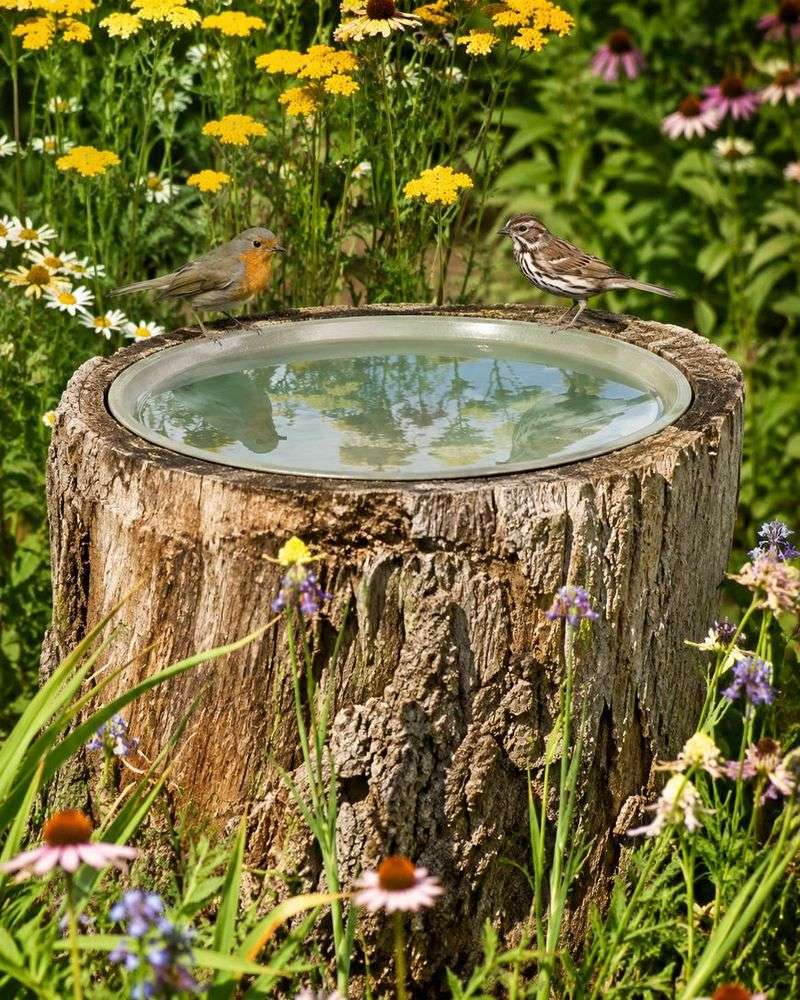
Got a leftover stump from a storm-felled oak? Rather than paying to grind it, turn it into a free bird bath with roots already anchored deep.
Set a shallow concrete or stone dish on top, or carve a gentle bowl with a chisel and seal it. Nothing tips, nothing blows away, and it blends right into a woodland-style yard.
Plant native winterberry holly or American beautyberry close by, and you give birds food, water, and cover in one corner. As the stump slowly softens, beetles move in, which can feed woodpeckers and wrens too.
It is a project that keeps giving back to the land for years.