
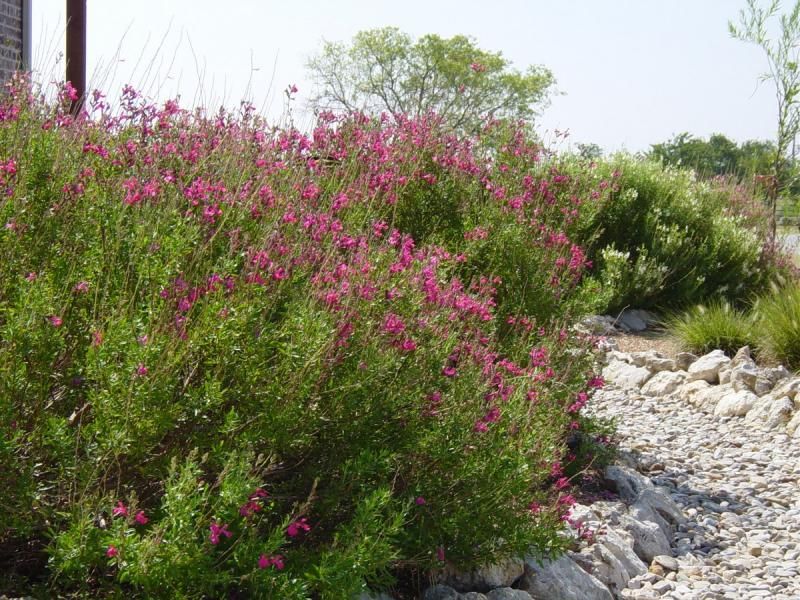
A bare fence line can look pretty dull by September. Autumn sage (Salvia greggii) is one Texas-native plant that can bring color back to a sunny border when many other flowers fade.
It can also offer nectar that hummingbirds and butterflies may visit. Here is how to use it in a Central Texas yard, and what to expect along the way.
Autumn Sage Can Keep a Border Colorful Beyond Summer
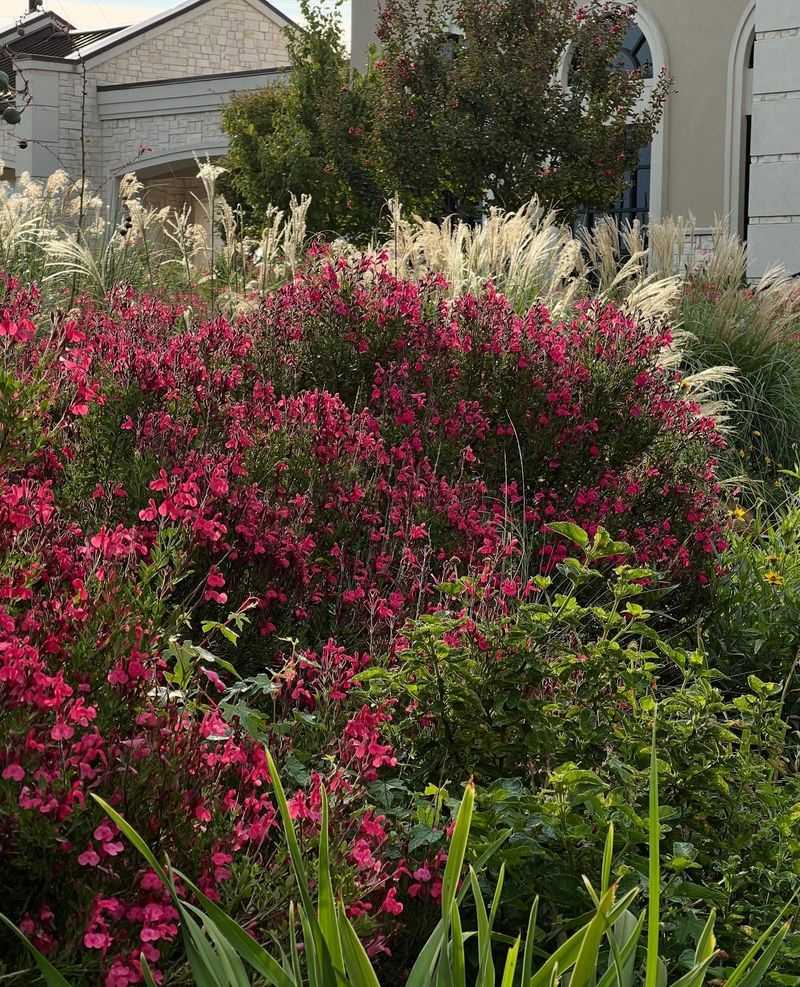
Color that lasts is the big selling point here. Texas Tech University’s plant listing describes autumn sage (Salvia greggii) as a Texas native that flowers in spring, summer, and fall, handles high heat, and attracts hummingbirds and butterflies.
That makes it a good fit for a Central Texas border where summers are tough.
Size matters when you plan a planting. The City of Austin plant guide lists a mature height and spread of 2 to 3 feet, sun to part shade, and seasonal interest that carries into fall.
Austin’s guide calls it cherry (autumn) sage, which is one of several common names you may see at nurseries.
The phrase “fall salvia” can mean two different things. It can mean a salvia that blooms in fall, or one that you plant in fall.
Those are not the same, and this article focuses on autumn sage because of its long flowering season, not because fall is the only time it blooms.
Use the botanical name when you shop. “Texas sage” often refers to a different, unrelated shrub, so Salvia greggii on the plant tag is your best guide. Flowering and pollinator visits will vary with weather, your site, and what else grows nearby, so think of this plant as a promising nectar source rather than a sure thing.
Use the Fence as a Backdrop, Not a Pollinator Guarantee
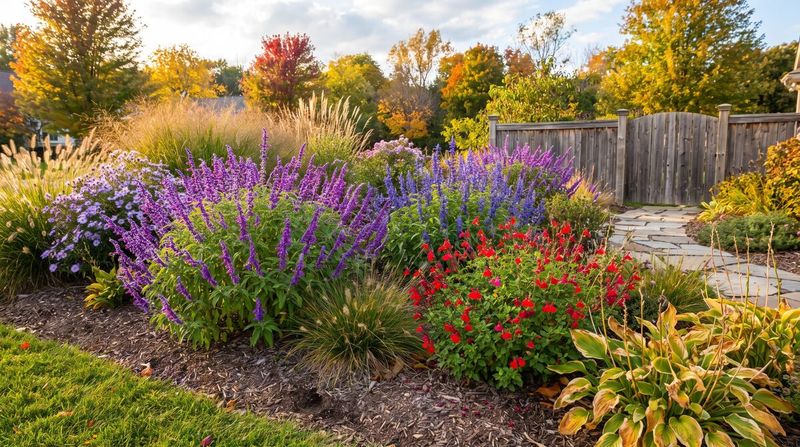
A plain wood or metal fence makes a handy stage for flowers. Red, pink, or coral blooms stand out nicely against a neutral backdrop, and the fence helps define the bed.
That is a design benefit, and it is a good enough reason to plant there.
There is no evidence that putting salvia next to a fence makes pollinators visit more. What draws hummingbirds and butterflies is the bloom itself, along with sun, season, and the plants around it.
So plant along the fence because it looks good and the spot gets light, not because the fence boosts wildlife.
Leave room for growth. Austin’s guide gives a mature spread of 2 to 3 feet, while Texas Tech’s listing allows up to 4 feet.
Setting plants a couple of feet out from the fence gives you a gap to reach behind for repairs or staining.
A practical test: stand where you will work on the fence and picture the plant at full width. If it blocks a gate or a repair spot, shift it over or choose a smaller spot.
Salvia Choices for Central Texas Yards
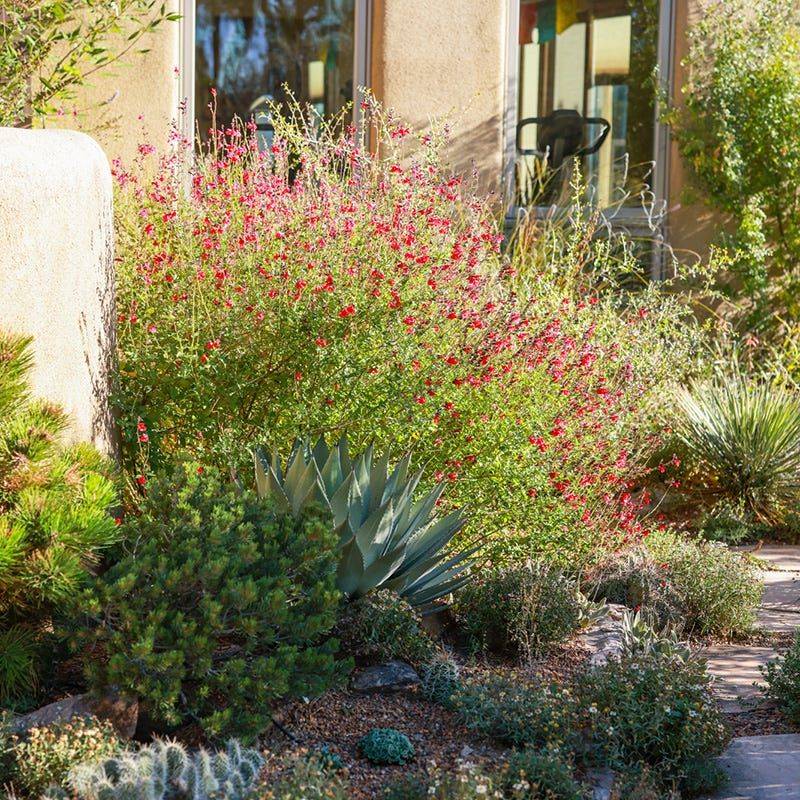
Autumn sage stays the lead pick, but two other salvias can share the border. Native range varies across Texas, so check that any plant suits your region.
Austin identifies Salvia greggii as native to the Edwards Plateau.
Mealy blue sage (Salvia farinacea) gives you blue-violet spikes. An archived Native Plant Society of Texas page reports bloom from April until frost, often peaking in late September or October, and names ‘Henry Duelberg’ and ‘Augusta Duelberg’ as nursery selections.
Treat that calendar as a guide, since bloom timing shifts by site and year.
Tropical sage (Salvia coccinea) is a scarlet option. Austin’s plant guide lists it as native to the Blackland Prairie, with fall interest and strong hummingbird appeal.
It is short-lived but reseeds profusely, so expect volunteers to pop up.
One more name to sort out is Texas sage. Austin’s guide uses that name for Leucophyllum frutescens, a shrub unrelated to these salvias.
Always shop by botanical name.
Planting in October Does Not Guarantee October Flowers
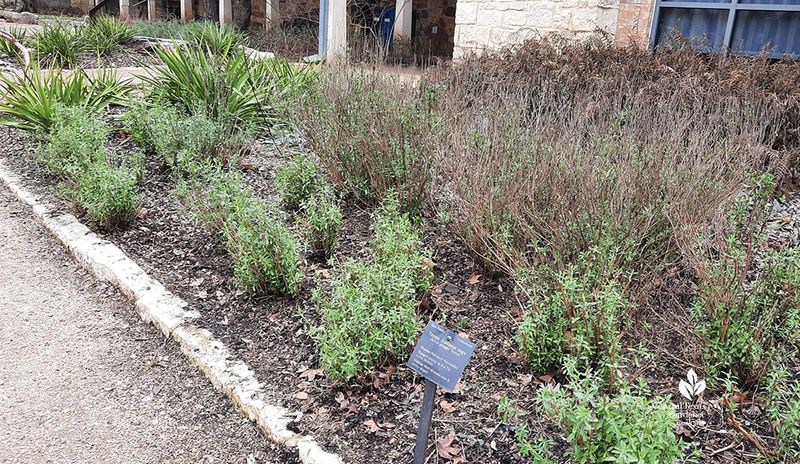
Timing advice often gets mixed up with bloom advice. The Travis County AgriLife Extension October checklist says to plant nursery perennials and grasses in October before frost arrives.
That is local guidance for Austin and Central Texas, not a statewide date.
Notice what it does not say. It tells you when to plant, not when the plant will flower.
A new salvia set out in October may bloom some, but you should not count on a full fall show from it that same season.
Autumn sage is named for its fall color, yet Texas Tech lists spring, summer, and fall bloom. So you have two separate decisions: pick a plant that flowers in fall, and pick a time to install it.
If you want fall flowers this year, ask your nursery for plants already in bloom or buy established, larger ones. Otherwise, plant in October for roots to settle and expect the best show in the seasons ahead.
Choose Sun, Drainage, and Room to Establish
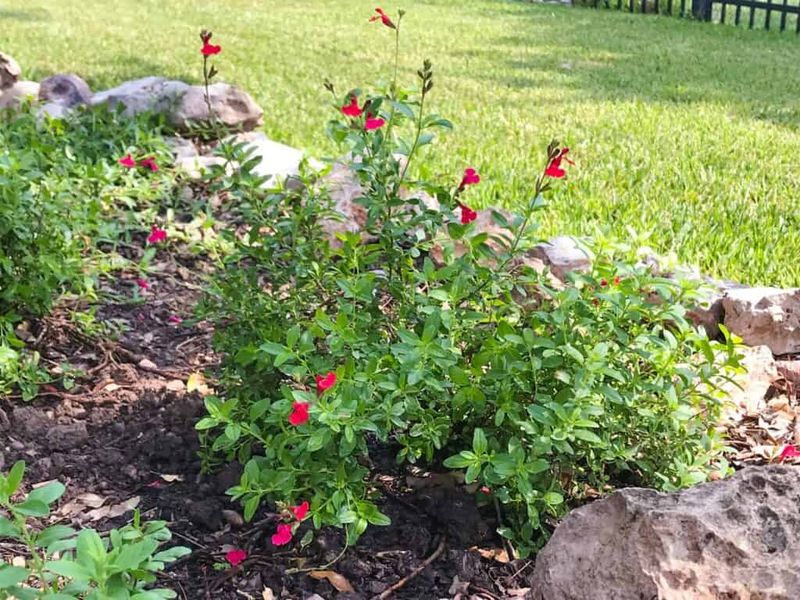
Walk your fence line at midday and note where the sun lands. Texas Tech lists full sun to light shade and good drainage, and Austin’s guide lists sun to part shade.
Spots that stay soggy after rain are a poor match.
Test drainage by digging a hole, filling it with water, and watching how fast it empties. If water lingers for many hours, build a slightly raised bed or choose another spot.
Heavy clay along a fence can hold water, so this check is worth the few minutes.
Space plants by their expected mature size, which runs 2 to 3 feet in Austin’s guide and up to 4 feet in Texas Tech’s. Keep them off the fence and away from neighbors so air can move through.
Native does not mean no watering. The Native Plant Society of Texas advises watering new plants deeply once or twice a week during their first year, especially in dry spells.
Adjust for your soil, rain, and temperatures, and check the soil before each watering.
Protect Pollinators and Build a Broader Garden
Before you spray anything on a flowering border, read the label. The EPA describes bloom-time restrictions as one way to protect pollinators.
Its labeling guidance covers products that prohibit use while bees are foraging or before flowering ends.
Routine spraying on blooming salvia is not a good habit. If a pest problem really needs treatment, follow the product directions exactly, and choose the label timing that avoids visiting bees.
One salvia is a snack, not a full habitat. It can offer nectar and may attract hummingbirds and butterflies, but visits depend on weather, bloom timing, and what grows around it.
Texas A&M’s Central Texas gardening material recommends combining nectar sources with caterpillar host plants and varied flower forms. Pair your salvia with a host plant for butterfly larvae and a mix of tubular, flat, and daisy-type blooms.
That variety gives more visitors a reason to stop by.
Make the Border Plan Fit Your Site
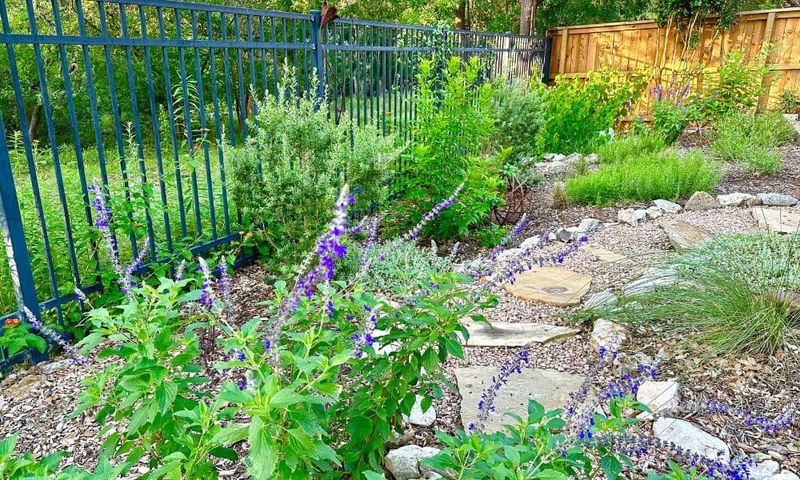
Here is a quick checklist. Choose autumn sage only if it suits your region and gets sun or part shade.
Leave room for the 2 to 3 foot spread listed in Austin’s guide.
Follow local timing, such as the Travis County October checklist, and keep first-season flower hopes modest. Add host plants and varied blooms, as the Texas A&M guide suggests.
The fence is just the frame. The plants do the work of feeding visitors.