
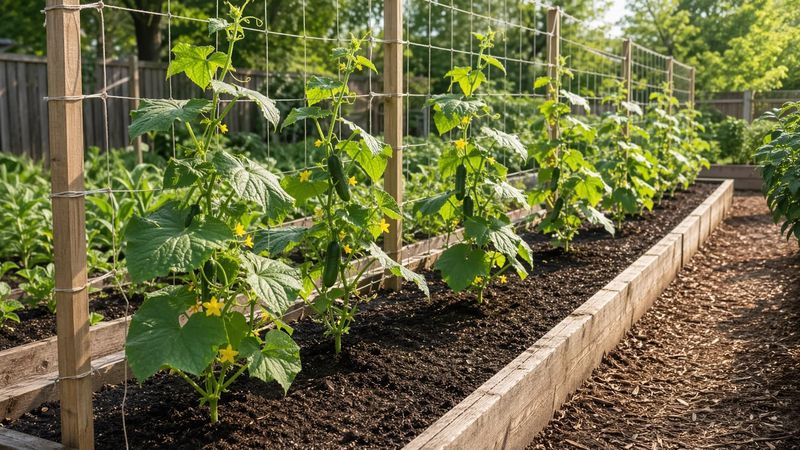
Raised beds warm up fast, drain well, and keep weeds in check, but not every vegetable loves living in one. In Southern gardens, especially in Florida and Texas, those same beds can dry out and overheat by early summer.
Some crops shrug off the heat and pump out harvests, while others sulk, sprawl, or hog all the space. Here is which vegetables earn a spot in your beds next spring, and which ones you may want to grow somewhere else.
1. Cherry Tomatoes
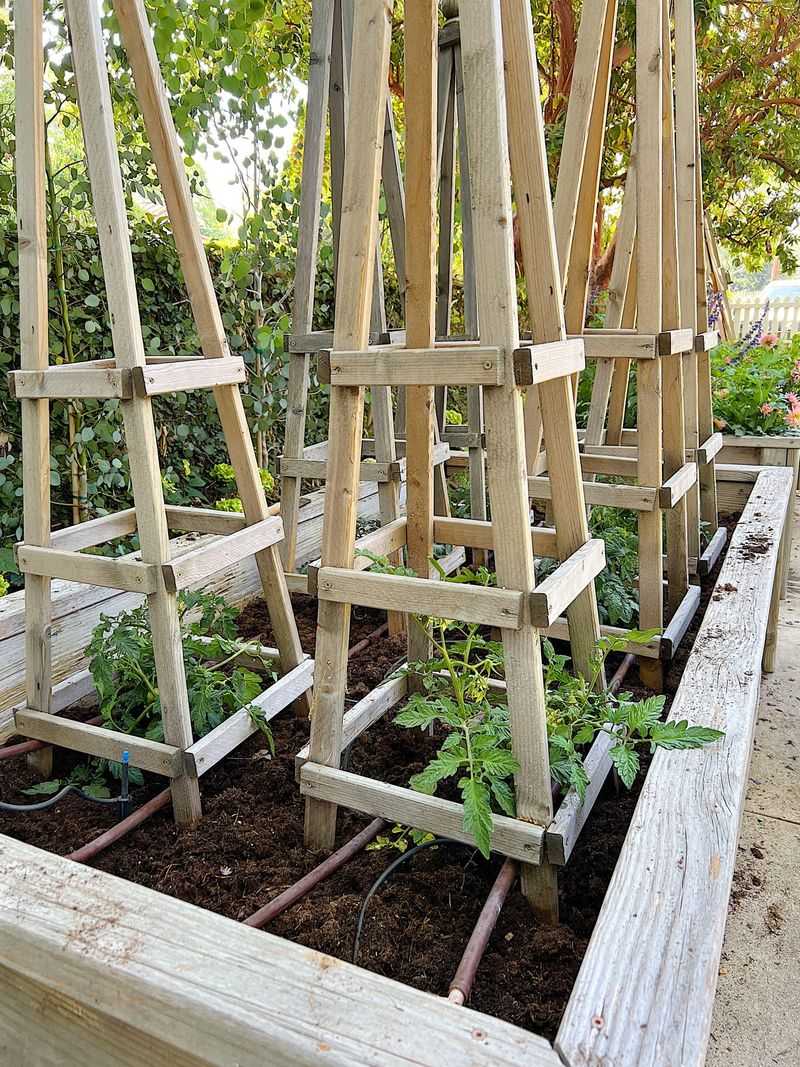
Ask any Texas gardener which tomato never lets them down, and cherry types usually top the list. Their small fruit ripens fast, which matters when summer heat arrives in May and big slicers stop setting fruit.
Raised beds suit them nicely because the loose, well-drained soil keeps roots from sitting in soggy ground after heavy spring rains. That drainage can also reduce problems like root rot and blossom end rot tied to uneven moisture.
Varieties such as Sun Gold, Sweet 100, and Juliet tend to keep producing even when nights stay warm.
The catch is that tomatoes drink a lot, and raised beds dry out quicker than in-ground soil. A layer of straw or pine needle mulch about two inches thick often keeps moisture steadier.
Drip irrigation on a timer is even better if you travel or work long hours.
Give each plant a strong cage or stake at planting time, since cherry tomatoes can sprawl past six feet. Plant in late February through March in South Texas and Florida, a few weeks later farther north.
If leaves start yellowing from the bottom up, trim them off and check that watering stays consistent.
2. Bell and Hot Peppers
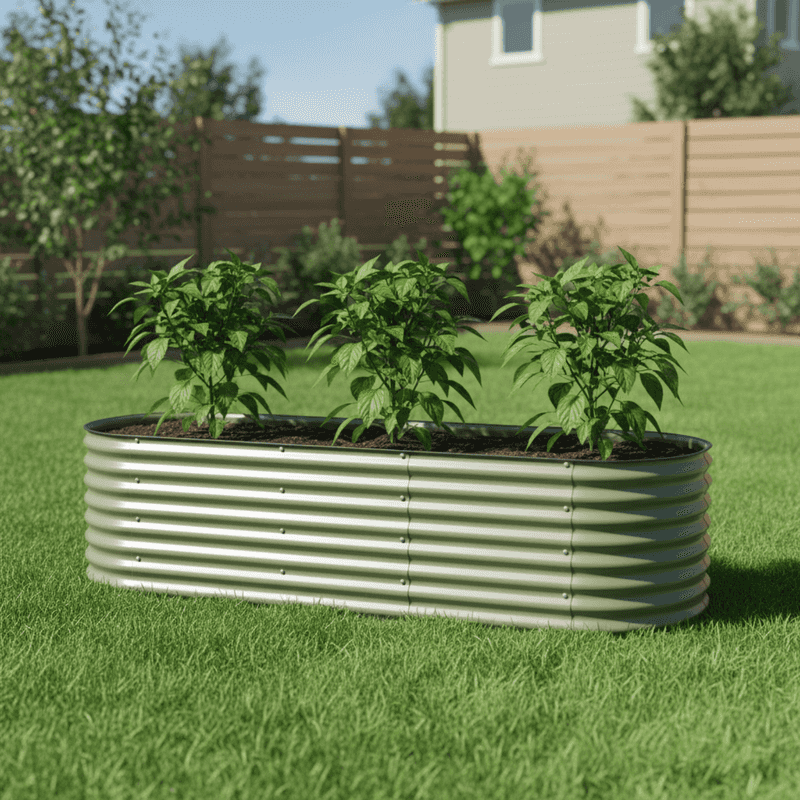
Peppers are the quiet overachievers of the raised bed world. They stay fairly compact, love warm soil, and keep fruiting through long Southern summers when other crops give up.
Warm soil is the secret here. Raised beds heat up faster in spring than ground-level dirt, so peppers settle in and start growing sooner.
Jalapenos, banana peppers, and many bell types often handle Florida and Texas heat better than you might expect, though bells may pause fruiting when daytime temperatures pass the mid-90s.
That pause can worry new gardeners. Blossoms drop, no new peppers appear, and the plant looks stuck.
Usually it is just heat stress, and fruiting often resumes once temperatures ease a bit in early fall.
To keep plants steady, water deeply two or three times a week rather than a light sprinkle every day. Shade cloth rated around 30 percent can help during the hottest stretch of July and August.
Space plants about 18 inches apart so air moves freely between them.
Hot peppers are especially forgiving. If you only have room for one pepper, a jalapeno or Thai chili plant may give you the most harvest for the least fuss.
3. Bush Beans
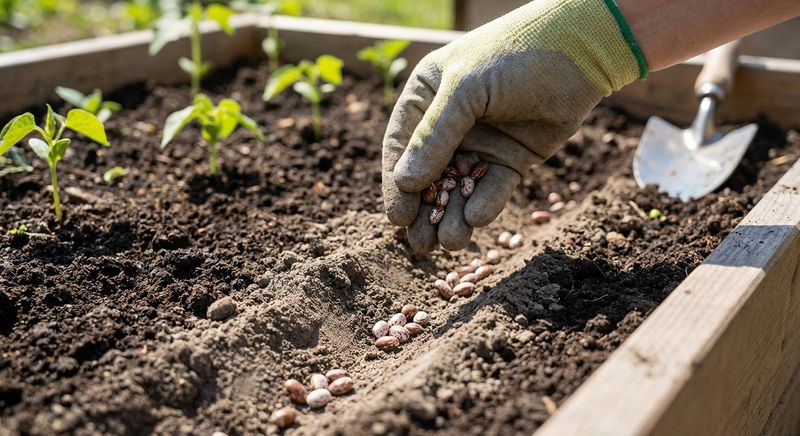
Picture this: you sow a row of seeds, and about 50 days later you are picking handfuls of crisp green beans for dinner. Bush beans deliver that kind of quick win, which is why they earn a permanent spot in so many raised beds.
Unlike pole beans, bush varieties stay around two feet tall and need no trellis. They fit neatly along the edge of a bed or between slower crops like peppers.
Bonus perk, beans add nitrogen to the soil through bacteria living on their roots, which may help the next crop you plant there.
Timing matters in the South. Sow them after the last frost, often early March in Central Texas and February in much of Florida.
Once steady 90-degree days arrive, flowers may drop without forming pods, so an early planting tends to pay off best.
Try varieties like Provider, Contender, or Blue Lake 274 for reliable yields. Pick pods often, every two or three days, because the more you harvest, the more the plants usually produce.
If you spot tiny holes in leaves, check undersides for bean beetles and hand-pick them early before numbers build up.
4. Okra
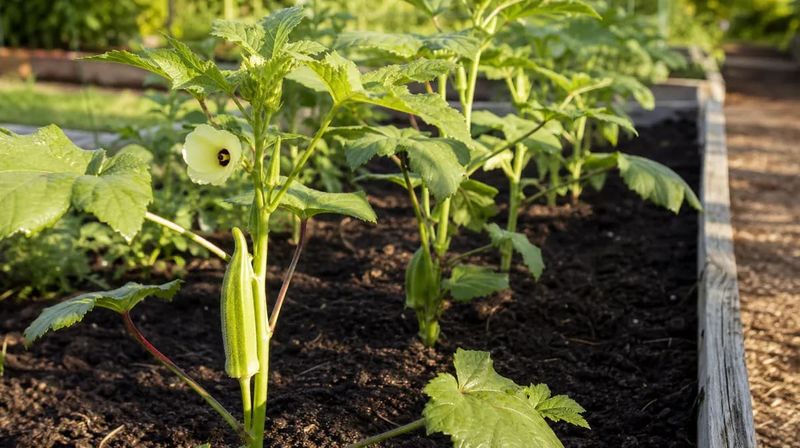
Grandma knew what she was doing when she planted okra every summer. While tomatoes melt down in July heat, okra stands tall and keeps cranking out pods like the sun is its best friend.
Few vegetables handle Southern summers this well. Okra loves heat, tolerates dry spells, and rarely gets bothered by many of the diseases that plague other crops.
Raised beds help by keeping soil warm early, so seeds sprout quickly once you sow them in April or May.
One thing to plan for is height. Varieties like Clemson Spineless can top five or six feet, so plant okra on the north side of your bed where it will not shade shorter crops.
Dwarf types such as Annie Oakley II or Baby Bubba stay more manageable.
Harvest pods when they are about three inches long. Wait a few extra days and they turn woody and tough, which surprises plenty of first-timers.
Checking plants daily during peak season really does make a difference.
Fun bit of history: okra traveled to the American South from West Africa, and its pretty flowers reveal its family ties to hibiscus and cotton.
5. Leafy Greens and Lettuce
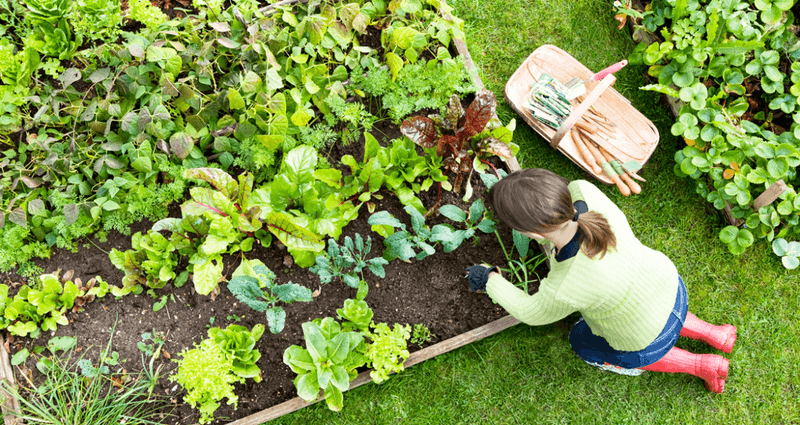
Greens are basically built for raised beds. Their shallow roots love loose, rich soil, and you can pack a surprising amount of salad into just a few square feet.
Here is the honest Southern twist, though. Lettuce bolts fast once temperatures climb, turning bitter and shooting up a flower stalk.
In Florida and South Texas, it often grows best from fall through early spring rather than in late spring.
So for a spring raised bed, plant lettuce as early as possible and harvest before the heat arrives. Then swap in heat-tougher greens.
Swiss chard keeps going through much of summer, and Malabar spinach or Okinawa spinach can thrive when true spinach would collapse.
A little afternoon shade goes a long way. Tucking greens on the east side of taller crops like tomatoes may buy you a few extra weeks of tender leaves.
Regular watering also helps, because dry soil pushes greens to bolt sooner.
Harvest outer leaves and let the center keep growing. With this cut-and-come-again approach, a single chard plant can feed a family for months.
Watch for aphids clustering on new growth and rinse them off with a strong spray of water.
6. Radishes and Carrots
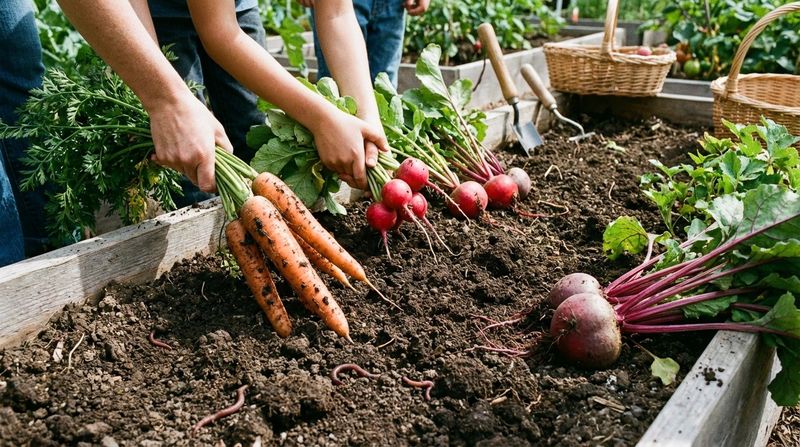
Ever pulled a carrot from heavy clay only to find it twisted like a corkscrew? Root crops are where raised beds truly shine, because loose, rock-free soil lets roots grow straight and smooth.
Radishes are the speed champions of the garden. Many varieties go from seed to snack in about 25 to 30 days, making them perfect for kids or impatient gardeners.
Sow them in late winter or very early spring in the South, before heat makes them spicy and pithy.
Carrots take longer, roughly 70 days, and prefer cooler weather too. In Florida and much of Texas, fall and winter sowings often give the sweetest roots, while early spring sowings can still succeed if you start promptly.
Shorter types like Danvers Half Long or Paris Market handle shallower beds well.
The trickiest part is germination. Carrot seeds are tiny and need to stay moist for up to two weeks.
Laying a board or burlap over the row until sprouts appear can help keep the soil from drying out.
Thin seedlings so roots have room, about two inches apart for carrots. Crowded roots stay small and tangled together.
7. Herbs Like Basil
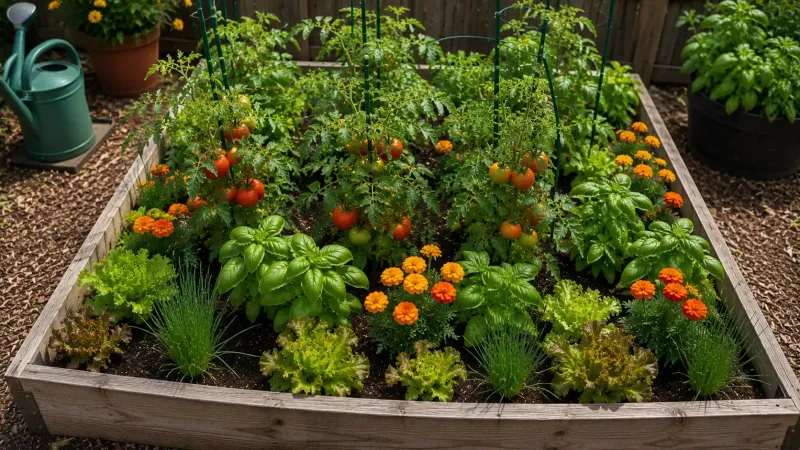
Basil might be the easiest way to feel like a successful gardener. It grows fast, smells amazing, and loves the same hot conditions that send other herbs into hiding.
Raised beds give basil the warm, well-drained soil it prefers. Plant it right next to your tomatoes, and you have a classic pairing both in the garden and on the dinner plate.
Some gardeners believe the strong scent may help confuse certain pests, though results vary.
Pinching is the big trick. Snip off the top set of leaves every week or so, and the plant branches out into a bushy little shrub.
Once flower spikes appear, leaves can turn bitter, so keep pinching those off too.
Thai basil and holy basil often hold up even better than Genovese in brutal July heat. Other heat-friendly herbs worth a spot include rosemary, oregano, and Mexican mint marigold, a Texas favorite that stands in for tarragon.
Skip cilantro for spring planting in the South. It bolts almost instantly once days warm up and does far better sown in fall.
Parsley lands somewhere in between, often lasting into early summer with a bit of shade.
8. Cucumbers on a Trellis
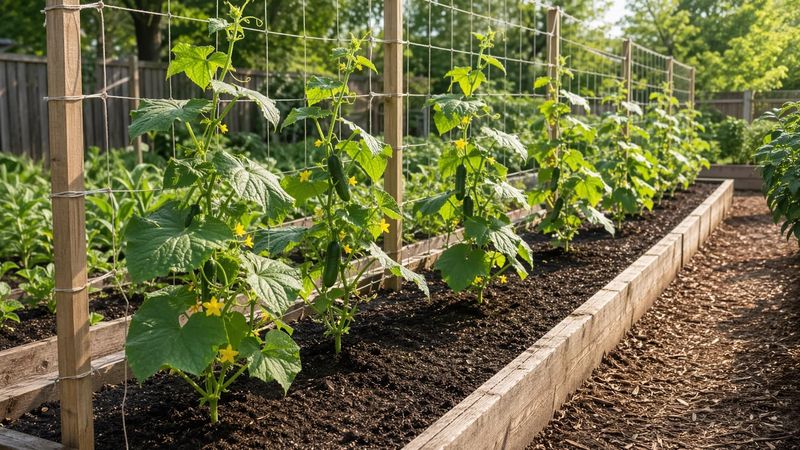
Cucumbers can go either way in a raised bed. Let them sprawl, and they will swallow half the space.
Train them up a trellis, and they become one of the most productive crops you can grow.
Going vertical changes everything. Leaves dry faster after rain, which may reduce mildew problems, and fruit hangs straight and clean instead of rotting on damp soil.
You will also spot ripe cucumbers far more easily.
Yellowing leaves are the most common worry readers share. Often it comes from uneven watering, which raised beds make more likely since they dry out quickly.
Steady deep watering, mulch, and a balanced fertilizer every few weeks can help keep vines green.
In the South, plant cucumbers right after frost danger passes, typically March in Texas and February to March in Florida. By midsummer, heat and pests like cucumber beetles often slow them down, so early planting matters.
Choose disease-resistant varieties like Marketmore 76, Diva, or Suyo Long. Pick cucumbers small and often, since one overgrown fruit left on the vine can signal the plant to stop producing.
A simple cattle panel arch makes a sturdy, good-looking support.
9. Zucchini and Summer Squash
Zucchini is famous for overwhelming gardeners with harvests, but in a raised bed it can overwhelm the bed itself. A single plant easily spreads three to four feet across, crowding out everything nearby.
That does not mean you should skip it. It just means planning.
Give each plant its own corner, or choose compact bush types like Astia or Raven, which stay tidier and fit smaller beds better.
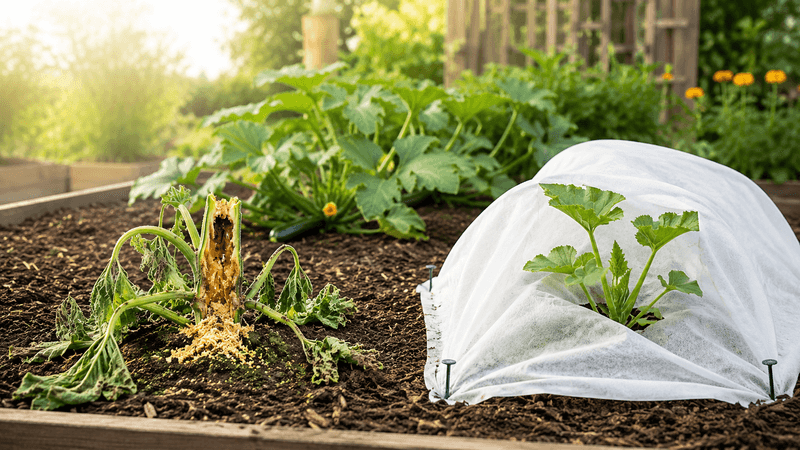
The bigger Southern headache is the squash vine borer. If a healthy plant suddenly wilts on a sunny day, look near the base for a hole and sawdust-like debris.
Covering young plants with row cover until flowering may help keep the adult moths from laying eggs, though you will need to uncover them for pollination.
Planting early gives you a head start before borers and squash bugs peak. In Central Texas, that often means late March.
A second planting in late summer can also dodge the worst pest activity.
Tromboncino squash is a clever swap. Its tough, vining stems tend to resist borers better, and it climbs a trellis nicely.
Harvest it young, and it tastes much like zucchini with a bit more sweetness.
10. Sweet Potatoes
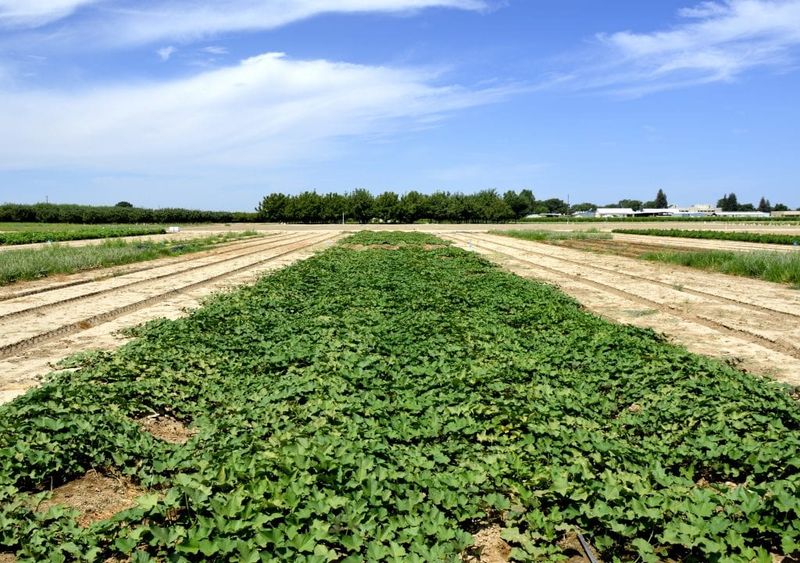
Sweet potatoes are a Southern superstar, but they come with a twist. They thrive in heat that would flatten most crops, yet their vines can bury a raised bed by August.
Loose raised bed soil is actually a plus for the tubers. Roots expand easily, and digging them up in fall feels like a treasure hunt instead of a battle with hard ground.
The downside is space. One planting can cover your whole bed and spill onto the walkway.
So should you plant them? Yes, if you can dedicate a bed to them or grow them in a separate spot.
Plant slips in late April through June, when soil is truly warm. Varieties like Beauregard and Covington perform well across Texas and the Gulf Coast.
Go easy on nitrogen fertilizer. Too much often produces gorgeous vines and skinny, disappointing roots.
A light feeding at planting is usually plenty.
Harvest roughly 100 to 120 days after planting, before the soil cools much. Let tubers cure somewhere warm for about a week, which helps convert starches to sugar.
Bonus, the young leaves are edible too, tasting a bit like mild spinach when sauteed.
11. Corn
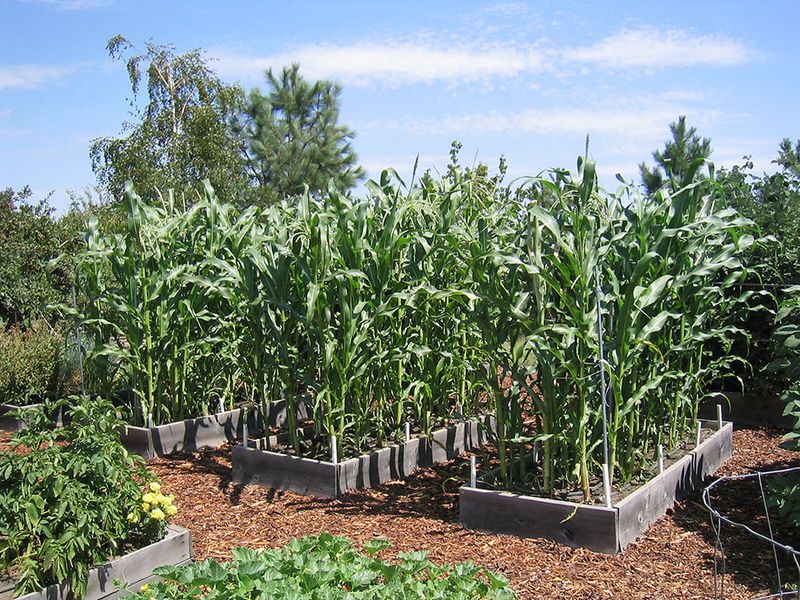
Corn sounds like a summer must-have, but it is one of the crops most likely to disappoint in a raised bed. The reason comes down to pollination, not soil.
Corn is pollinated by wind. Pollen falls from the tassels at the top onto silks below, and each silk becomes a single kernel.
Plant just one short row, and much of that pollen blows away, leaving ears with patchy, gap-toothed kernels.
Corn also needs room and lots of nutrients. A standard four-by-eight bed might only fit a dozen or so plants, and each stalk usually gives just one or two good ears.
That is a lot of space for a small harvest.
If you really want to try, plant in a square block at least four rows deep rather than a single line. Hand pollinating by shaking tassels over silks in the morning may improve fill.
Dwarf varieties like On Deck are bred for containers and tight spaces.
Many Southern gardeners find corn grows better in-ground, planted in a larger block. Corn earworms and raccoons also love a ripe patch, so plan protection if you go ahead.
12. Watermelon and Pumpkins
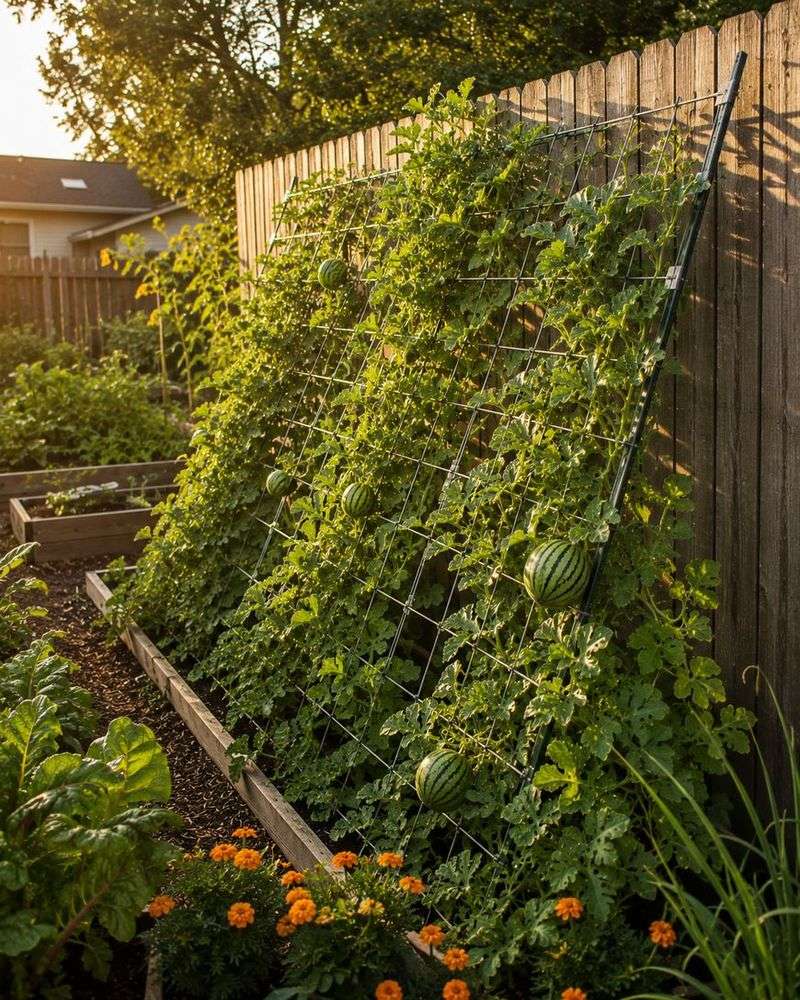
Big vines, big dreams, and often big frustration. Watermelons and full-size pumpkins rank among the hardest crops to manage in a typical raised bed.
Vines on these plants can run 10 to 20 feet. In a bed, they quickly escape over the sides, sprawl across paths, and smother neighbors.
Heavy fruit also cannot be trellised easily, unless you rig slings for smaller types.
Pumpkins have extra trouble in the South. Planted in spring, they often face squash vine borers, powdery mildew, and fruit that ripens in the heat of July rather than October.
Many Texas gardeners plant them in June instead, timing harvest for fall.
Watermelons truly love Southern heat, though, so here is a workaround. Plant one vine at the edge of the bed and let it run onto open ground or a mulched area of lawn.
Smaller icebox varieties like Sugar Baby or Mini Love keep things more manageable.
Another option is a separate in-ground patch for vining crops, saving your raised beds for compact, high-yield plants. That way you get both.
Place a board or tile under each melon to help keep it from rotting on damp soil.