
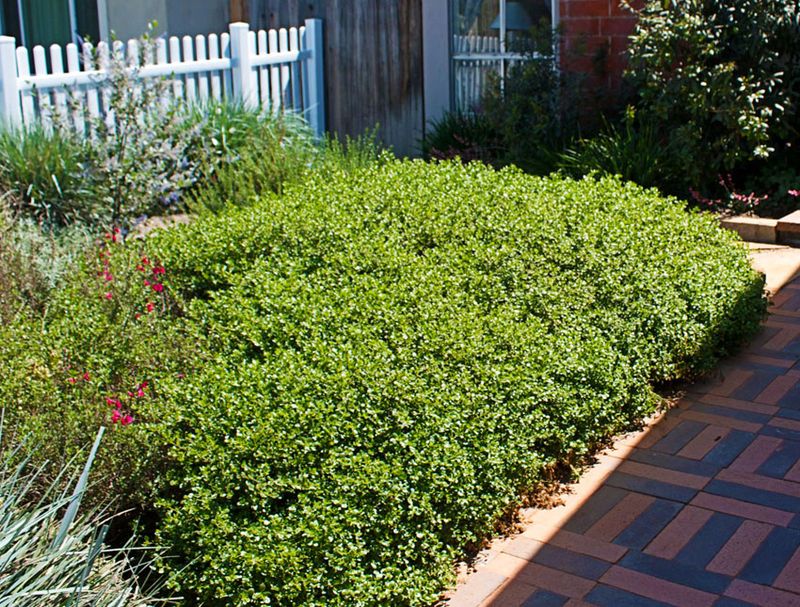
Lantana hedges and lily of the Nile borders are everywhere in California, and they look tidy for most of the year. But many of our native bees evolved alongside local plants, and those familiar ornamentals may offer them less than you think, especially when fall arrives and food gets scarce.
A growing number of homeowners are trading these old standbys for California natives that bloom late, sip little water, and keep bees busy well into October. Here are ten swaps that can turn a tired hedge into a fall feeding station.
1. California Fuchsia (Epilobium canum)
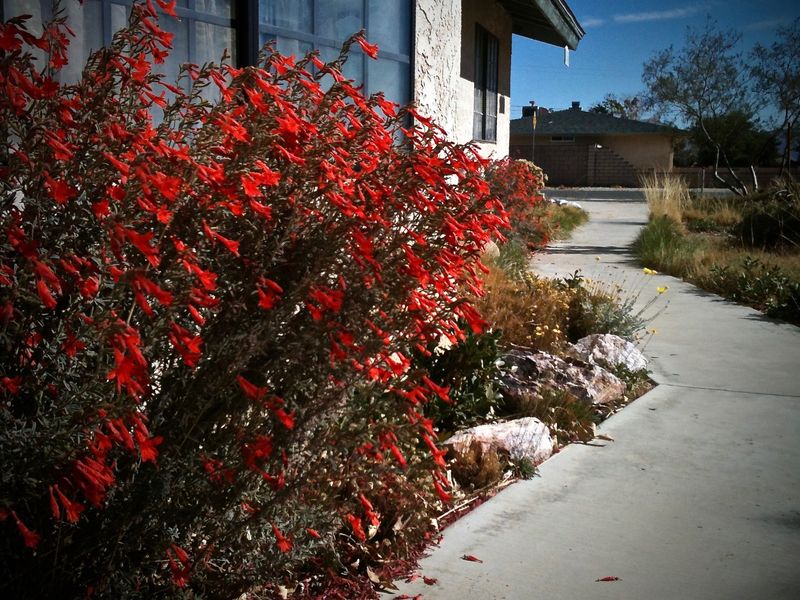
Just when most gardens look crispy and done, California fuchsia lights up like a string of red holiday lights. It blooms from late summer into fall, right in the window when lantana starts looking ragged and lily of the Nile has long finished.
Hummingbirds get most of the credit, but native bees often visit too, sometimes working the open flowers or sipping where others have chewed in. Plants spread by underground runners, so a few starts can fill a slope or the space where a lantana hedge used to sprawl.
Give it full sun and lean soil, then mostly leave it alone. Once settled, many gardeners water it only occasionally through summer.
Cut it back hard in late winter so it returns fresh and full.
2. California Buckwheat (Eriogonum fasciculatum)
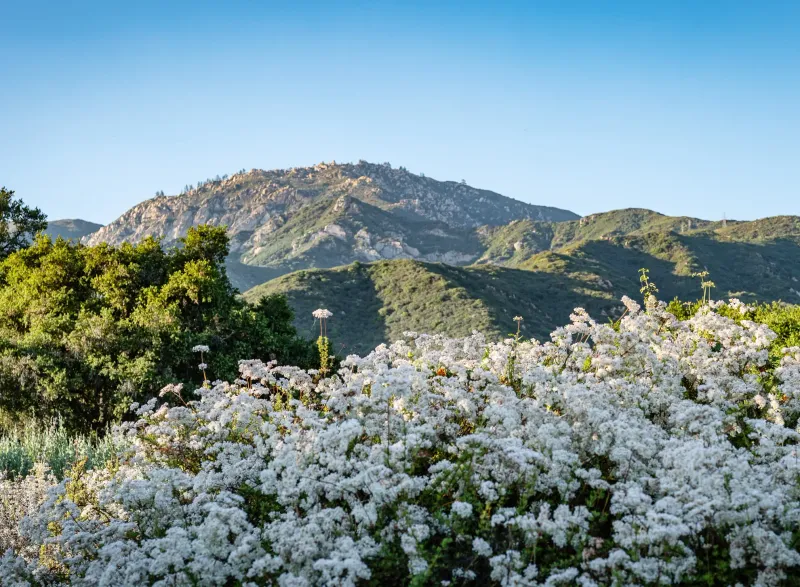
Ask a native bee expert to name one shrub every California yard needs, and buckwheat tends to come up fast. Its creamy flower clusters feed a long list of bees, butterflies, and beneficial wasps.
Blooms start in late spring and can stretch into fall, then fade to a handsome rusty brown that many people leave standing. Those dried heads may also hold seeds that small birds pick at in winter.
As a lantana replacement, it fits the same low, rounded shape along walkways and banks. It handles heat, poor soil, and very little summer water once established, which makes it a smart pick in inland valleys and coastal hills alike.
3. Goldenbush and Goldenrod
Goldenrod gets blamed for hay fever it does not cause. The real culprit is usually ragweed, which blooms at the same time but relies on wind instead of bees.
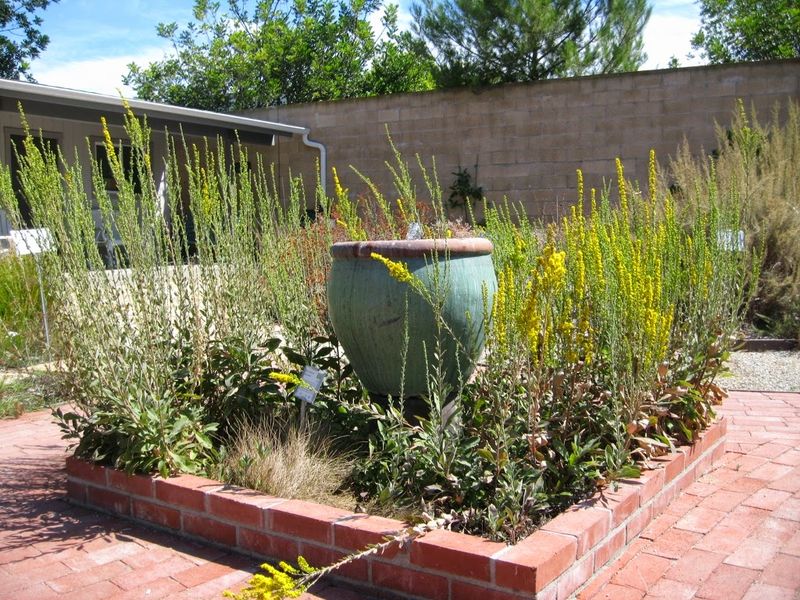
California goldenrod (Solidago velutina ssp. californica) sends up bright yellow plumes in late summer and fall. Pollinators can swarm it on a warm September afternoon, and it may become one of the busiest plants in your yard.
For a woodier, hedge-like option, look at native goldenbushes such as Isocoma menziesii. Both tolerate dry conditions, and goldenrod can spread, so give it room or pair it with a path edge that keeps it in line.
4. Coyote Brush Cultivars
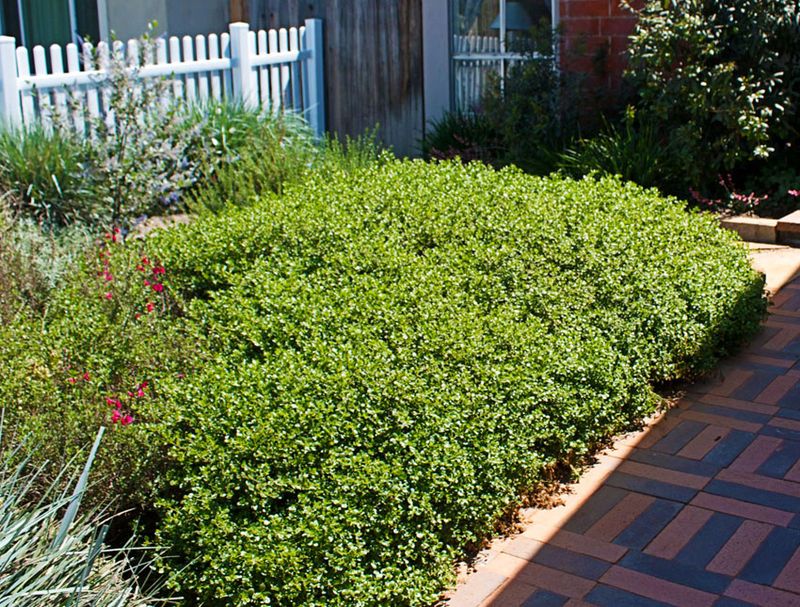
Here is a plant that looks plain all summer and then quietly becomes a bug buffet in fall. Coyote brush blooms in autumn with small fuzzy flowers that attract a surprising crowd of bees, flies, and beneficial insects.
Compact forms like ‘Pigeon Point’ and ‘Twin Peaks’ stay low and dense, which makes them a tidy stand-in for a clipped lantana border. They take heat, wind, and drought with barely a fuss.
Fire-zone homeowners should keep any shrub well maintained, trimmed, and away from the house. Regular cleanup of dead growth can help it fit within defensible-space guidance in your area.
5. Cleveland Sage
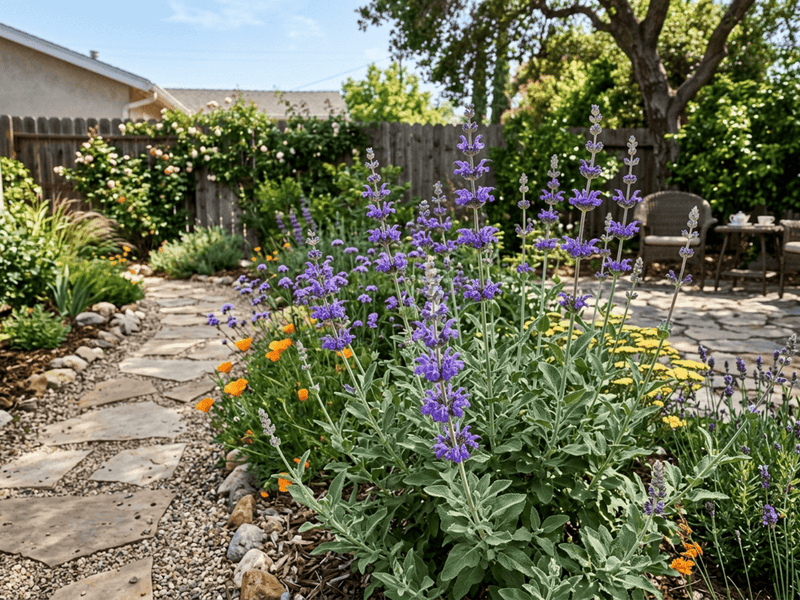
Brush against Cleveland sage on a hot afternoon and the scent alone may sell you on it. The gray leaves smell sweet and resinous, and the lavender-blue flower whorls draw bumblebees and carpenter bees.
Peak bloom lands in late spring and summer, but deadheading can coax extra flowers later in the season. Even afterward, the stacked seed heads add texture, and goldfinches may stop by for the seeds.
Plant it where lily of the Nile once lined a sunny walk. ‘Winnifred Gilman’ and ‘Allen Chickering’ are popular selections that handle little summer water and good drainage.
6. Seaside and California Asters
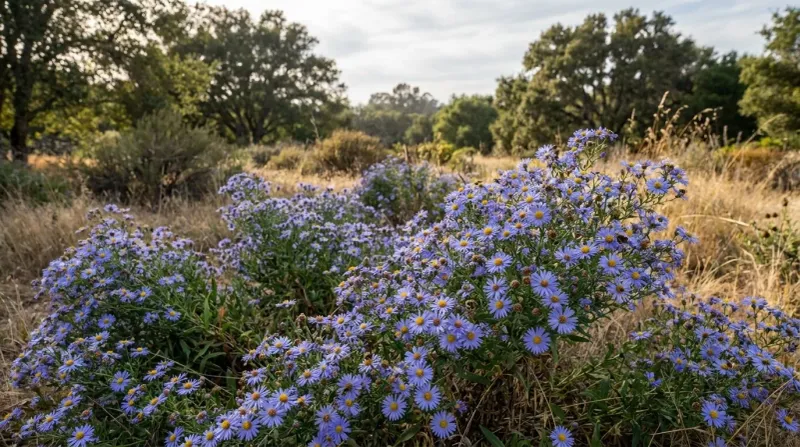
Fall in many California gardens is the season of tired green. Native asters push back with lavender daisies that open just as many other blooms quit.
California aster (Symphyotrichum chilense) spreads gently and blooms late summer into fall, offering easy landing pads for small native bees. Seaside daisy (Erigeron glaucus) is a coastal favorite with a long bloom season in milder spots.
Both work well along front borders and near porches where people actually see them. Expect a bit more water near the coast than inland, and trim spent stems to keep them looking neat.
7. Gumplant (Grindelia)
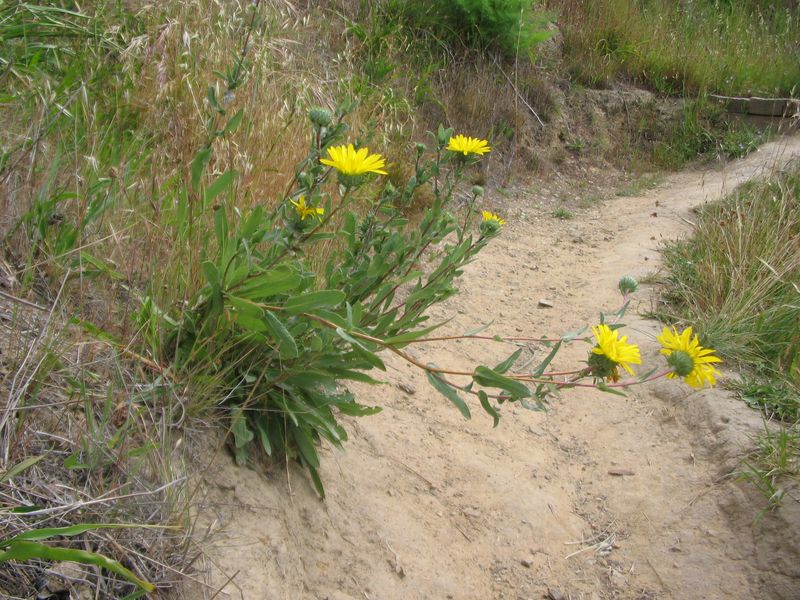
Touch a gumplant bud and your fingers come away sticky. That gummy resin is the plant’s trademark, and early Californians reportedly used it as a folk remedy for poison oak rashes.
Its bright yellow daisies bloom through summer and often into fall, feeding a range of native bees, including some specialists. It is tough, scrappy, and happy in clay or sandy soil.
Gumplant suits the casual meadow corner of a yard more than a formal hedge line. Tuck it among buckwheat and asters for a layered late-season patch that hums with activity.
8. Toyon
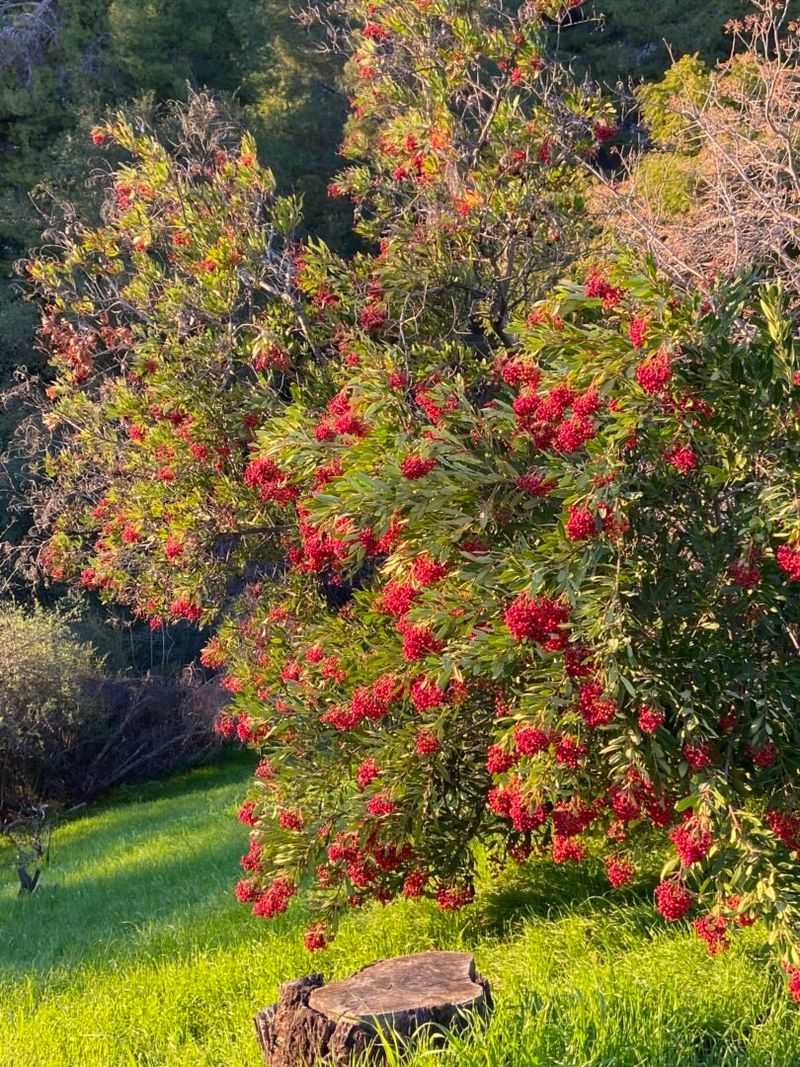
Hollywood got its name, according to popular lore, from this shrub, sometimes called California holly. That is a fun bit of history for a plant that pulls double duty in a wildlife yard.
White summer blooms feed bees, and then red berries ripen in fall and winter for robins, cedar waxwings, and mockingbirds. For homeowners replacing a tall lantana screen, toyon can grow into a full, evergreen hedge.
It needs room, roughly 8 to 15 feet over time, though it takes pruning well. Once established, it gets by on very little summer irrigation in most regions.
9. Verbena Lilacina ‘De La Mina’
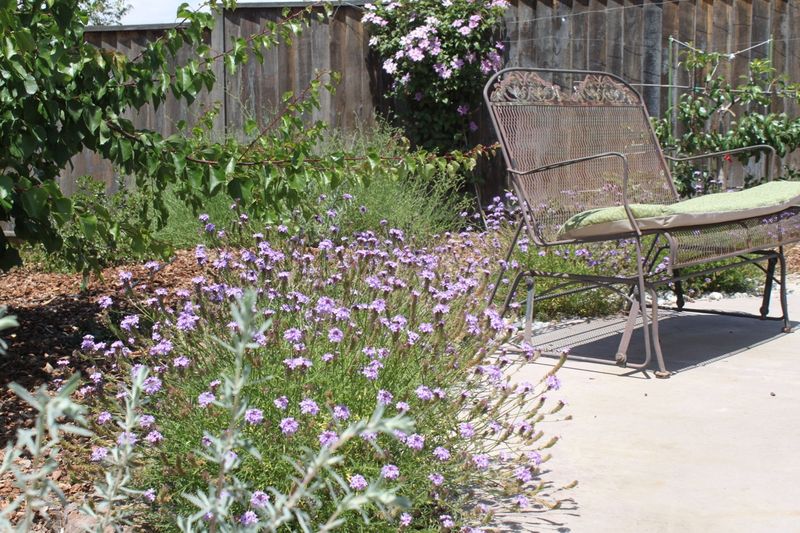
Want the look of lantana without the lantana? Cedros Island verbena is about as close as it gets, with purple flower clusters on a loose, mounding shrub.
Bloom season can run spring through fall, especially with occasional deep watering and light deadheading. Bees and butterflies visit steadily, and the plant stays a manageable 3 to 4 feet tall.
Technically it comes from an island just off Baja California, so it is a regional native rather than strictly Californian. Many native plant nurseries carry it anyway, since it thrives in our climate and fills the same front-yard role lantana used to play.
10. Narrowleaf Milkweed
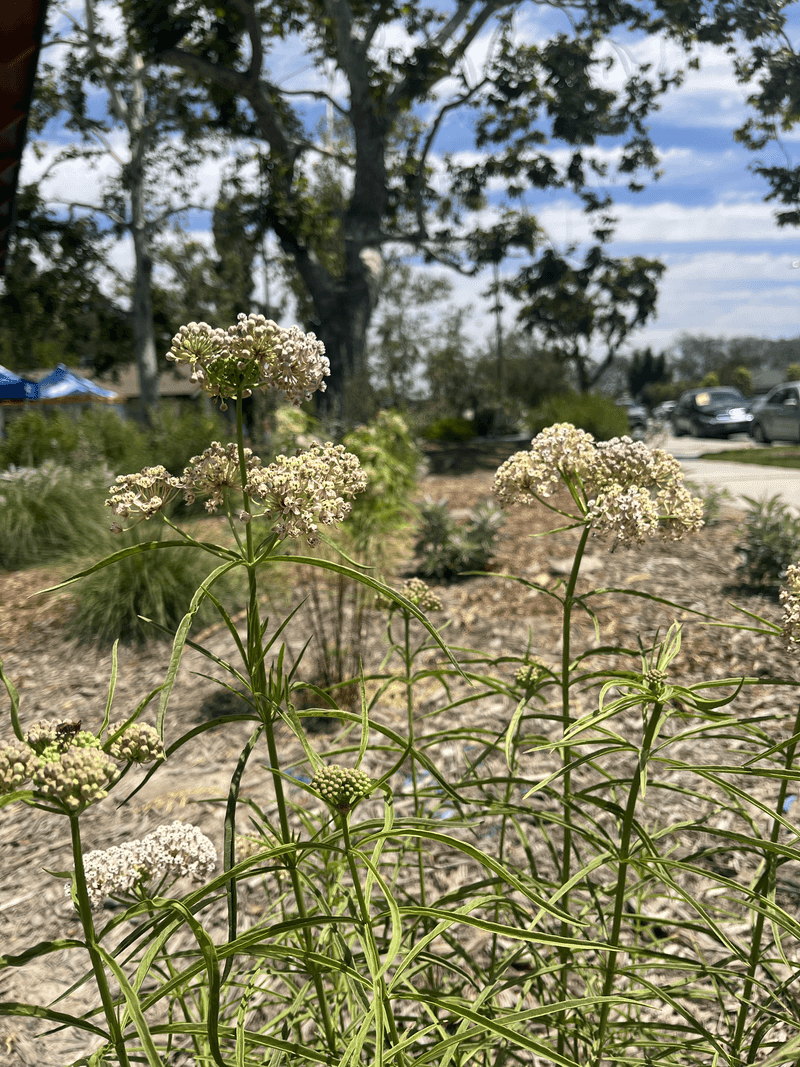
Monarchs are the headline here, but bees love narrowleaf milkweed too. Its pale pink flower clusters bloom through summer and can carry into early fall.
Choose this native over tropical milkweed, which stays leafy year round in mild coastal areas and may contribute to parasite buildup in monarchs. Narrowleaf milkweed goes dormant in winter, which fits the natural cycle better.
Plant it in a sunny patch and expect it to disappear underground in the cool months. Mark the spot so you do not dig it up, and it should return each spring for another season of busy visitors.
Paired with the other plants on this list, it rounds out a yard that offers bees food from spring right through fall, with far less water than a thirsty hedge.