
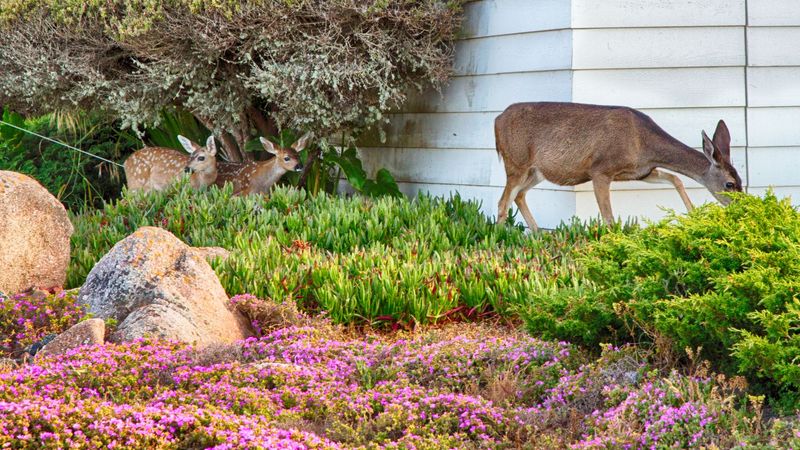
You walk out one morning and find your shrubs chewed and your fall greens nibbled down. Deer are a common suspect, and late fall is a time when local food can change from week to week.
Patterns differ from yard to yard, so a smart plan starts with confirming the culprit. Here is how to protect your most valuable plants before the damage gets worse.
Acorns are part of the fall diet, not a universal countdown
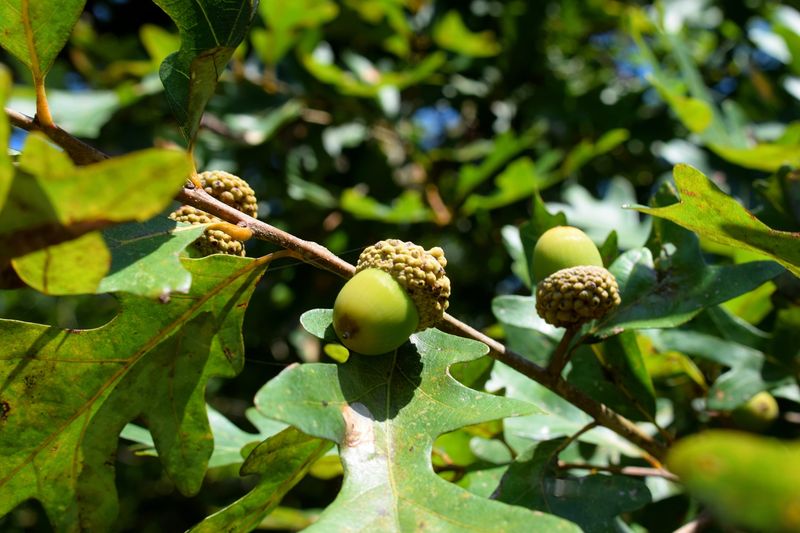
Deer do eat acorns when they can find them, and acorns can matter a lot in some places. But deer eat many other foods too.
USDA Forest Service diet information describes a varied menu that shifts with habitat, season, and what is available nearby.
In a Texas study, Texas Parks and Wildlife researchers found acorns were important in fall diets, yet woody browse still made up a big share. Acorn crops also change from year to year and place to place, as University of Missouri Extension notes.
So when other food gets scarce, more yard browsing may follow. That is a reasonable worry, but no single date or acorn cutoff sends deer into every garden.
Treat late fall as a good time to prepare, not as a fixed countdown.
Are deer responsible for the damage?
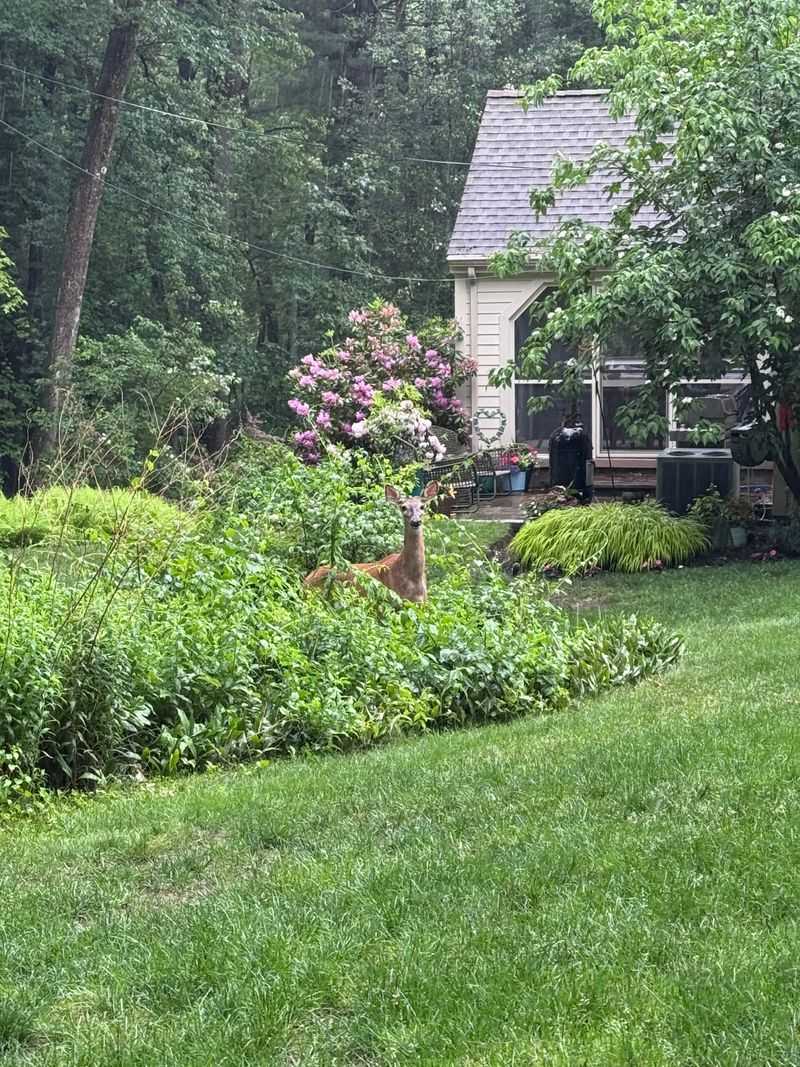
Before you spend money on deterrents, make sure deer are the ones eating your plants. Deer have no upper front teeth, so they often tear leaves and twigs and leave ragged, frayed ends.
They can also reach several feet above the ground, which is higher than rabbits can.
According to UGA Extension guidance on wildlife conflicts, cleanly clipped stems may point to a different animal. These are clues, not proof, so look at the whole scene.
Check for hoof prints, droppings, and damage height across several plants. If you still cannot tell, set up a trail camera near the damaged plants for a week or two.
A few nights of footage can save you from treating the wrong problem.
Protect valuable shrubs with close-fitting barriers
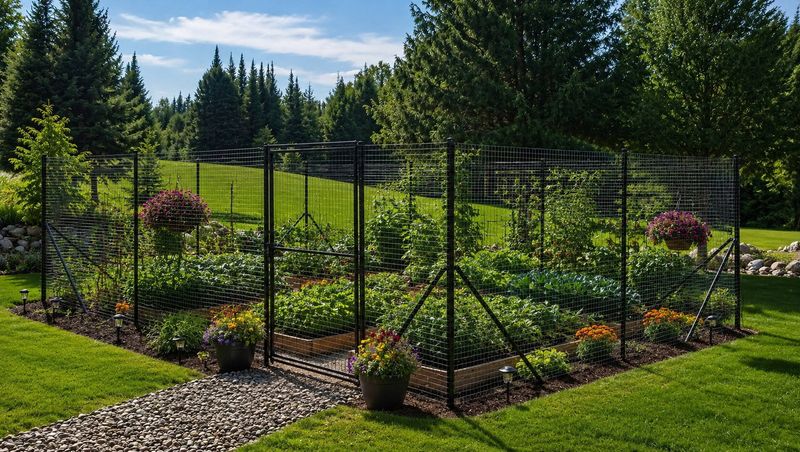
For a few plants you truly cannot lose, a physical barrier is often the best first step. Think young trees, a new camellia, or a prized shrub that deer keep returning to.
UF/IFAS Extension describes temporary plastic-mesh fencing around landscape plantings and fruit trees.
Individual plant protection can also work. Wire cages or mesh cylinders around single plants are described in UGA guidance on protecting young trees.
Set the barrier far enough out that deer cannot nibble through it, and stake it so it stays put in wind.
Keep expectations realistic. A guard around one shrub protects that shrub, not the whole yard.
Deer may simply move on to the next unprotected plant, so start with your most valuable and vulnerable ones.
For a whole bed, fence for the site—not a magic height
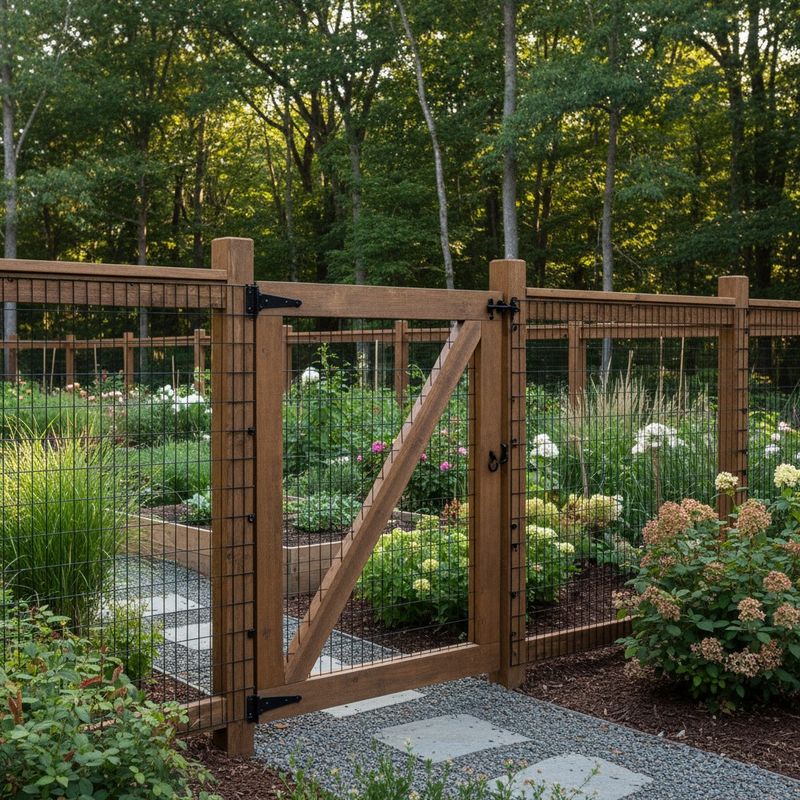
Protecting a larger bed takes a sturdier plan. Extension advice varies quite a bit.
University of Minnesota Extension describes barriers around 6 feet for some gardens, while Penn State Extension points to 8 feet or more for conventional deer exclusion.
That range tells you something useful: no one height works in every yard. Design, local deer pressure, and the layout of your property all matter.
Focus on a stable build. Use solid posts, keep the fence taut, and close any gap along the bottom, since deer will use an easy route underneath.
Walk the line after storms and fix sags early. A well-built barrier of moderate height may serve you better than a tall one with weak spots.
Give fall greens a crop-safe defense
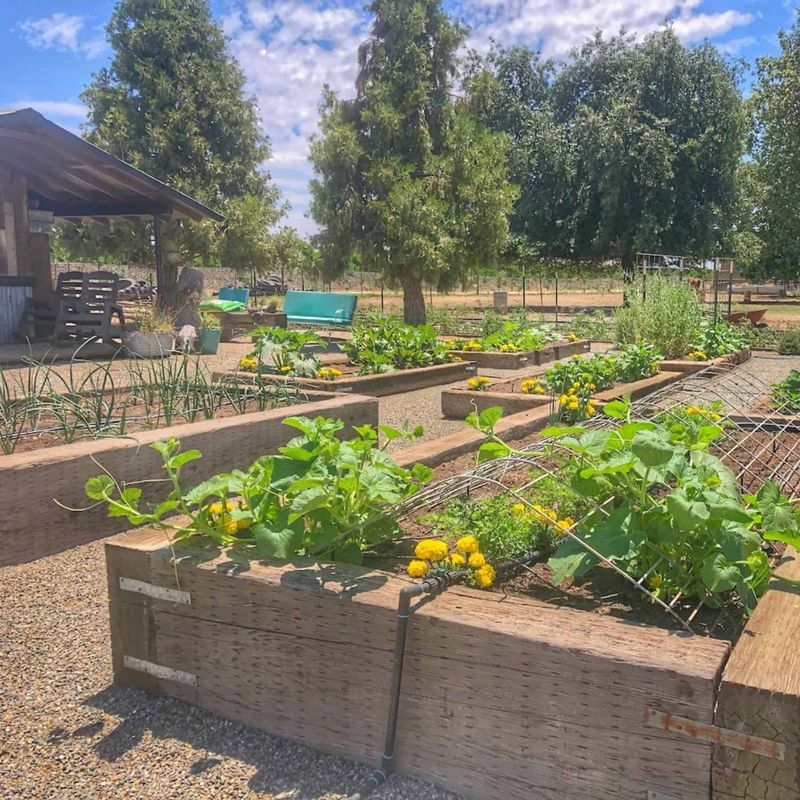
Fall greens like collards, kale, and lettuce are tasty to deer, and one night of grazing can wipe out weeks of growth. Barriers fit edible beds well because they leave nothing on the leaves you plan to eat.
Put them up before damage starts, since deer that find an easy meal tend to come back.
Timing for planting depends on where you live. Texas A&M AgriLife lists fall planting dates by Texas gardening region.
Meanwhile, UF/IFAS says Florida vegetables can be grown year-round when planted at the right dates.
So do not follow one Southern calendar. Check your own region’s guide, then use mesh or fencing like the temporary options in UF/IFAS deterrent advice to cover the bed as seedlings go in.
Repellents can help, but the label sets the limits
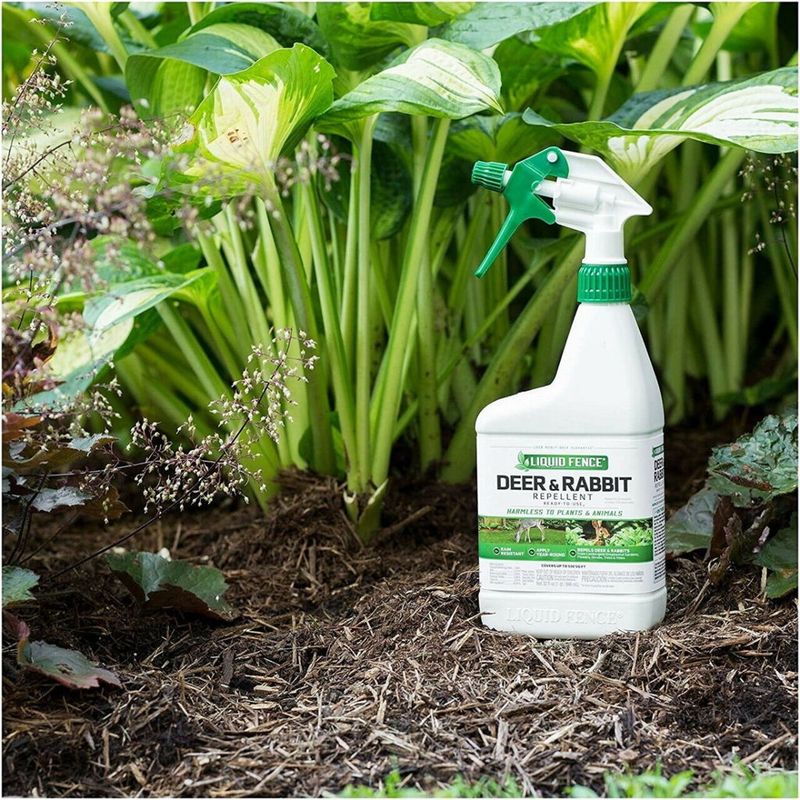
Repellents may help as a supplement to barriers, but results vary with the product, deer pressure, and conditions. Rain can reduce how well some products work.
Apply before browsing becomes a habit when you can, and reapply only as the label directs, as covered in the Georgia Pest Management Handbook.
Products are not interchangeable. EPA explains that pesticide use must follow label restrictions.
For edible beds, check the current label for your exact product, crop, and use. Some labels allow only a perimeter treatment, as in an EPA example label, which is an illustration, not a recommendation.
Never spray fall greens unless the label specifically permits it, and follow its harvest directions.
Skip household fixes like soap or human hair as your only defense; UGA reports many odor remedies lack lasting evidence. Scare tactics can fade too, since Penn State notes animals get used to them.
Start with the plants you cannot afford to lose
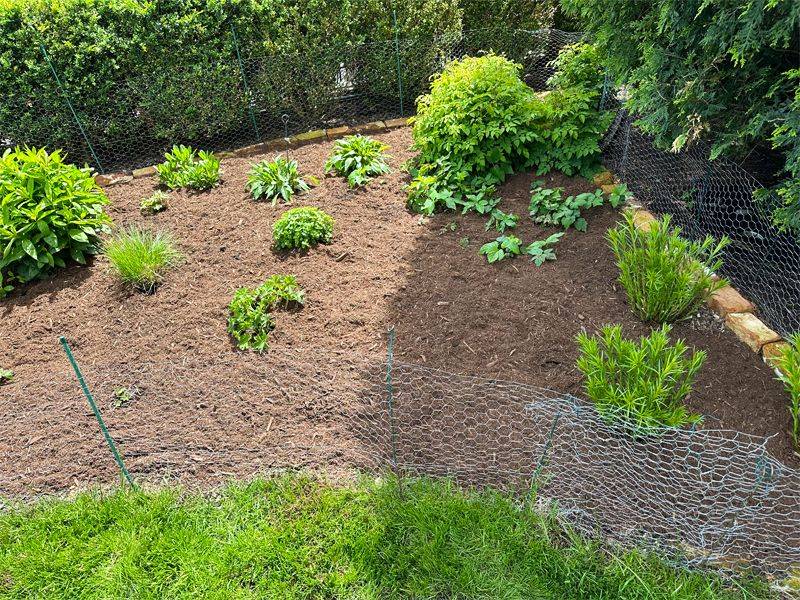
Begin by confirming deer are the culprit, as UGA Extension advises. Next, cover your most vulnerable shrubs and greens with suitable barriers, then add a labeled repellent if needed.
Even deer-tolerant plants can get eaten when food is scarce. Protect what matters most, and the rest of the yard matters less.