
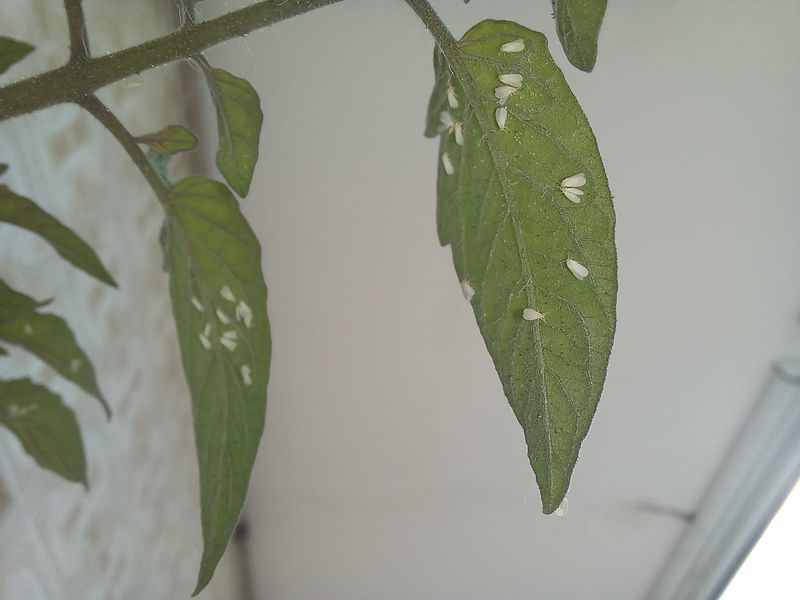
Bringing a healthy-looking tomato or pepper plant inside can feel like a win against the first chilly nights. But tiny pests called whiteflies can ride along, hidden on the undersides of the leaves.
Once indoors, they may land on your other houseplants too. A few careful minutes with the plant before it crosses the door can save you a lot of hassle later.
Whiteflies can come indoors on leafy vegetables
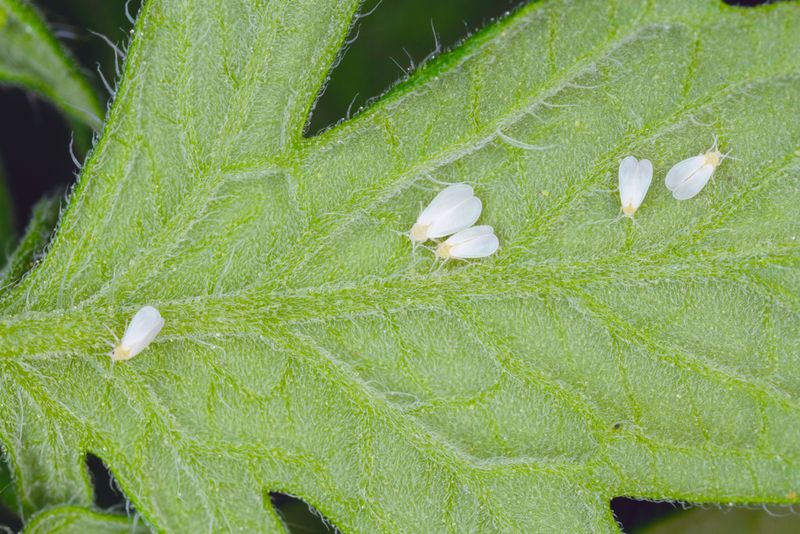
Whiteflies feed on tomatoes and other vegetables, and University of Florida IFAS Extension lists them as a significant tomato pest in Florida. They tend to gather on the undersides of leaves, which is exactly where most of us never look.
A pot that spent the warm months outside can quietly carry a small group of them.
Whiteflies are more than the little white adults that flutter around. Eggs and young nymphs stay attached to the leaf, and UC Statewide IPM Program notes that the immature stages are mostly stuck in place.
That means a plant can look calm while the next generation is already growing.
Keep the stakes in proportion. A few whiteflies on one potted plant will not always turn into serious damage, and they are plant pests, not a threat to people.
Still, an indoor space with no winter chill gives them a spot to stick around, so a quick check is worth the effort.
What should you look for under the leaves?
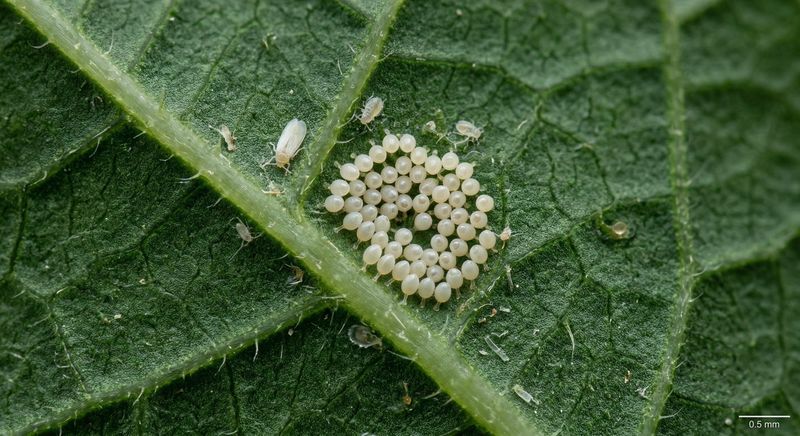
Before you carry the pot anywhere, set it in good light and go over the whole plant, plus the container and the soil surface. Turn leaves over one at a time, starting with the newest growth and working down.
Look for tiny, flattened, oval nymphs and small eggs clustered on the leaf bottoms.
Gently shake a branch. Adult whiteflies often flutter up in a small cloud when disturbed, which is a handy clue, though the adults are only part of the picture.
A hand lens makes the small stages much easier to spot, as UC IPM guidance points out.
Sticky, shiny honeydew on leaves and yellowing foliage can go along with whiteflies. Neither one proves they are there, since other insects and plain plant stress can cause similar signs.
Treat them as reasons to look harder, and rely on what you actually see on the leaf undersides. For more on checking indoor plants, see University of Minnesota Extension.
A rinse can remove pests, but it is not a reset

If you find whiteflies, take the pot outside and spray the foliage with water, aiming at the undersides. According to University of Minnesota Extension, a water spray can knock off adults and wash away eggs or crawling young.
Use steady but gentle pressure so you do not tear the leaves.
When only a few leaves are crowded with pests, pruning them off is another option. Bag them and toss them out rather than leaving them near the plant.
A rinse is a physical-removal step, not a lasting treatment. Some nymphs and eggs can stay stuck to the leaf, and UC IPM explains that whiteflies can have overlapping generations, so numbers can rebuild.
Say you rinse the plant and no adults fly up afterward. That is good news, but it does not show the plant is pest-free.
Plan to repeat the rinse if you spot more, and keep looking.
Keep the pot apart and check it again
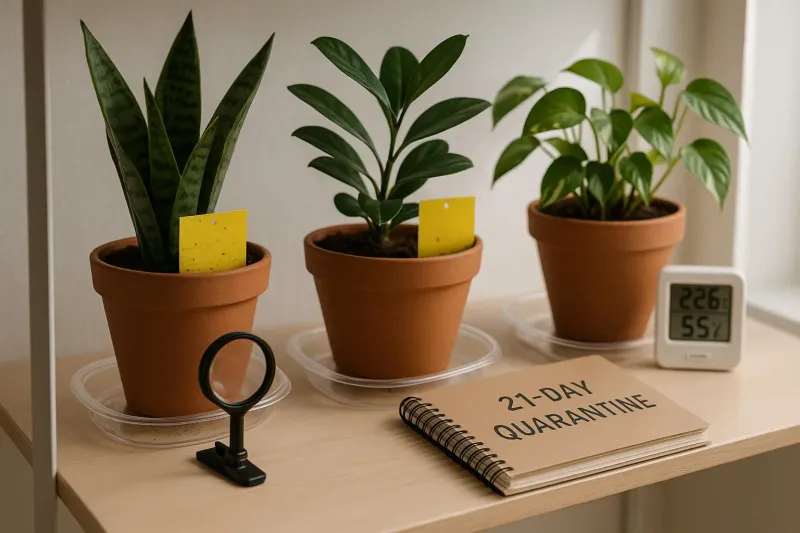
Once the plant is inside, give it its own spot away from your other houseplants. A different windowsill or a corner of a sunroom works fine.
Then look it over again every few days, flipping leaves just as you did outdoors.
How long should it stay apart? Sources differ.
Illinois Extension recommends isolating plants for a period of weeks, but there is no single magic number. Keep it separate and keep checking until you feel confident, and extend that time if you keep finding pests.
Yellow sticky cards can help. They may catch flying adults and show you that something is around, as noted by University of Minnesota Extension.
Remember their limit, though. A clean card does not mean eggs and nymphs on the leaves are gone, so the card should back up your own inspections, not replace them.
If whiteflies persist, choose treatments by the label
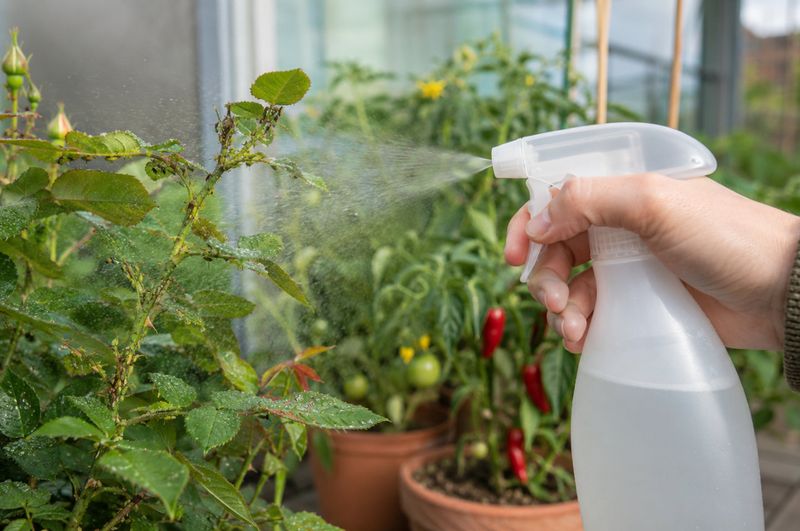
Sometimes water and leaf removal are not enough. At that point, you might consider an insecticidal soap or horticultural oil, as described by UC IPM.
These are not automatic fixes, and they do not always work.
The label decides what is allowed. It should permit use on whiteflies, on your specific plant, in the setting where the plant sits, and on a food crop if you plan to eat the fruit.
The EPA advises reading the label for where and how a product may be used and how long to wait before harvesting food.
These products work on contact, so the spray must reach the leaf undersides. Repeat applications may be needed, and the label will say how often.
Follow any harvest interval exactly.
Skip the homemade dish-soap mixtures. They are not a substitute for a labeled product and can injure plants.
If a plant stays heavily infested despite your efforts, removing it may protect your other houseplants.
Make the leaf check part of moving plants indoors
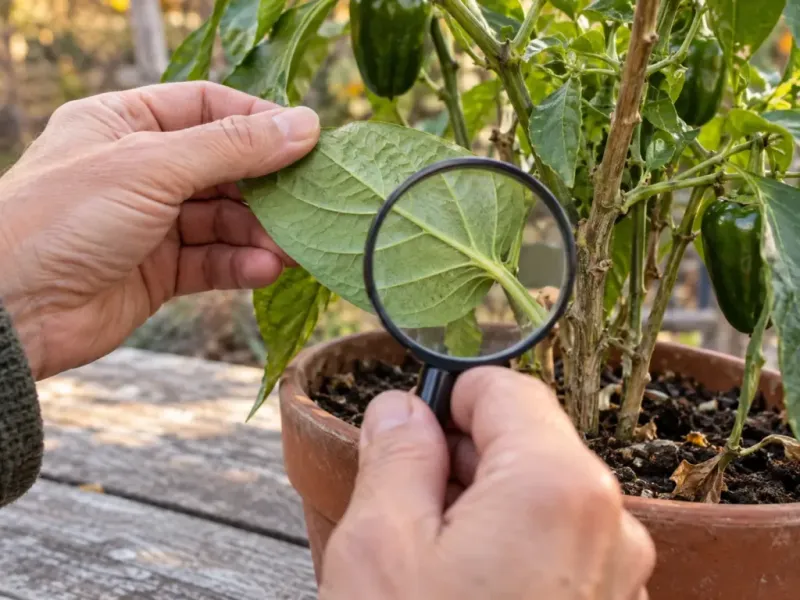
Make the routine simple: look under the leaves before you move the pot, rinse or trim affected foliage if needed, and keep checking once it is inside. UC IPM and University of Minnesota Extension both point toward this kind of steady attention.
These steps lower the chance of carrying whiteflies in, though they cannot promise prevention.
Whiteflies hide on the underside of the leaf, so that is where you look first.