
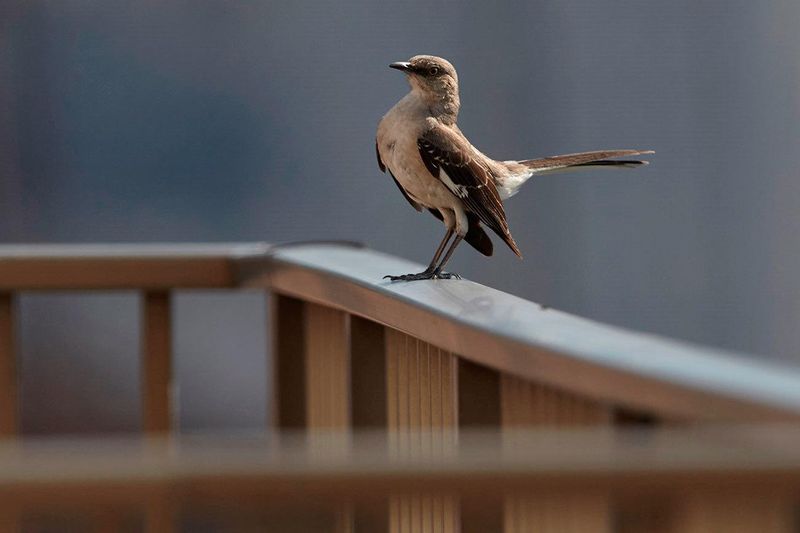
A mockingbird perched on top of your berry shrub, singing and chasing off visitors, is hard to miss. Fall in Central Texas is when many of these birds get serious about food.
Here is what that behavior most likely means, what it does not mean, and how to care for your yard so birds stay safe.
Why Texans feel attached to the mockingbird
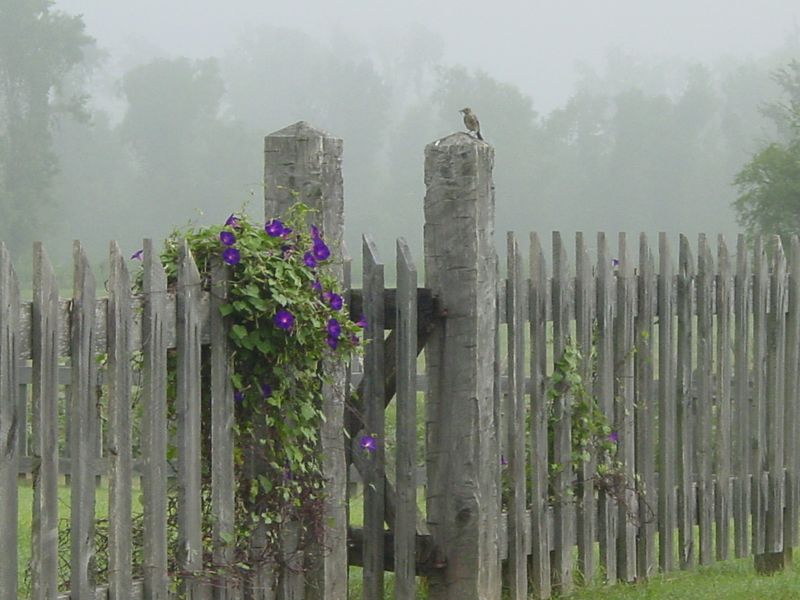
Ask a Texan to name the state bird and the answer comes fast. The northern mockingbird has held that title since the Legislature recognized it in 1927, and many people grow up hearing its song outside the kitchen window.
That familiarity is real, and it is a good reason to smile when one lands in your yard. Plenty of folks feel a little pride, or a pang of nostalgia, when they spot that gray bird with white wing flashes.
Still, a warm feeling is not the same as a message. The bird’s state title tells us about Texas identity, not about luck, omens, or anything personal headed your way.
What the bird is actually doing is better explained by season, food, and space, which is where the rest of this article goes.
Keeping those two ideas apart lets you enjoy the sentiment and still read the behavior honestly, like a gardener who watches closely.
Fall singing can mark a winter feeding territory
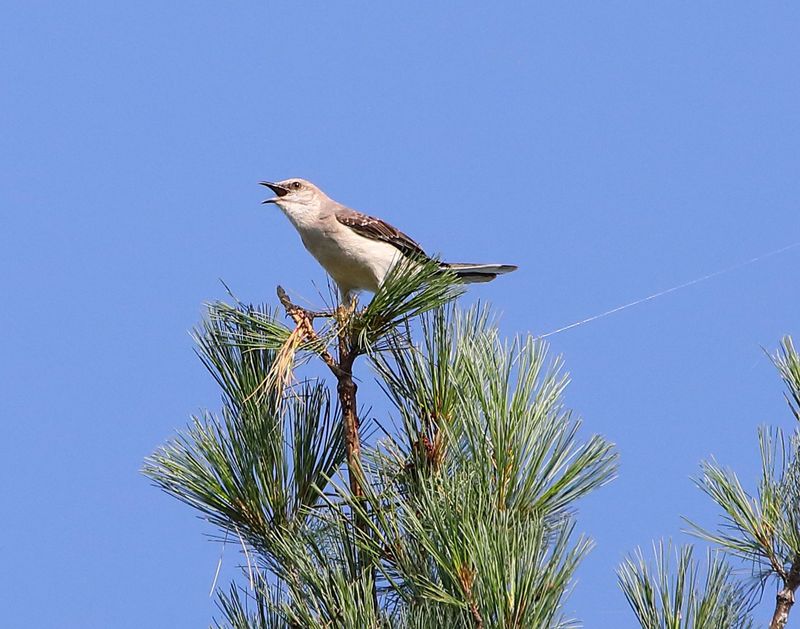
Hearing a mockingbird sing in October can feel odd, since most people link birdsong with spring. According to Texas Parks and Wildlife, both males and females sing in fall to claim winter feeding territories, and these can differ from the spring breeding territories the same birds use.
A winter territory is really about resources. The Texas Breeding Bird Atlas describes these areas as holding the food a bird needs to get through the cold months, and fruit is an important part of the winter diet.
A shrub loaded with berries is exactly the kind of thing worth guarding.
So when people say a mockingbird has “claimed your yard,” treat that as colorful shorthand. The bird is most likely defending a feeding spot, not the whole property, and it does not own your lot line.
One sighting also leaves a lot unanswered. You cannot tell the bird’s sex just from watching it sing in fall, because both sexes do it.
This is not a spring breeding display, and it does not point to a nest in the shrub.
If you want to learn more, watch over a few mornings. Notice where the bird sings, where it chases other birds, and which spots it ignores.
Those patterns tell you far more than a single glimpse.
Berry shrubs offer food, not a garden report card
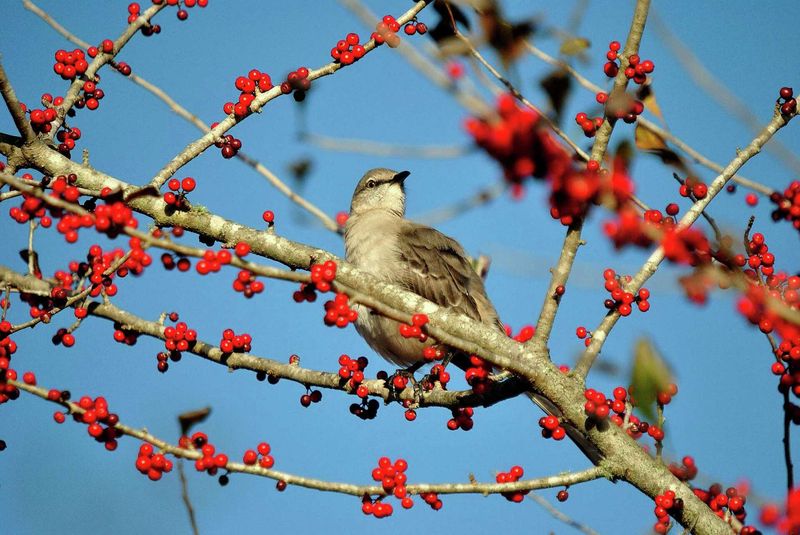
Mockingbirds change their menu with the seasons. Cornell Lab of Ornithology notes that their diet leans toward insects in summer and shifts to mostly fruit in fall and winter.
They take both wild and ornamental berries, so a landscaped shrub can serve just fine.
That makes a fruiting shrub a sensible thing to defend once cooler weather arrives. Berries hold on the branch for weeks, which gives a bird a steady supply when insects get harder to find.
Still, fruit is only part of the picture. Mockingbirds also eat insects and other small animal prey, so the bird you see hovering near your shrub may be hunting the lawn, too.
Berries can be one good reason it is around, but not the only one.
It is tempting to read the visit as a grade on your garden. It is not.
A mockingbird on your shrub does not prove your yard is healthy, balanced, or high-quality habitat. Mockingbirds are adaptable birds that turn up in neighborhoods of every kind.
A better way to use the clue: look at what your yard offers in fall. Is there fruit, open ground for foraging, and shelter nearby?
Notes like these help you decide what to keep and what to add, without pretending one bird is an inspector.
Will it stay all winter?

Mockingbirds live in Texas year-round, so you will see them in every season. That does not mean the same bird sits in your yard from now until spring.
As Texas Parks and Wildlife describes it, some individuals move between their breeding territory and a separate winter territory.
A bird looking for an unclaimed spot has options. The Texas Breeding Bird Atlas explains that it may settle in a nearby garden with berry-bearing shrubs or trees, or it may travel farther to find one.
For you, that means your berries are one possible draw among many in the neighborhood. The bird might stay through winter, or it might move on if it finds better food or gets pushed out by another mockingbird.
It is also hard to know if the bird you see on Tuesday is the same one you see next month. Without marked birds, you cannot tell.
A practical approach is to enjoy the show while it lasts. Keep a simple note on your phone with dates and what the bird was doing.
If it disappears in January, that is ordinary bird movement, not a sign you did something wrong.
Choose habitat plants for your particular Texas site
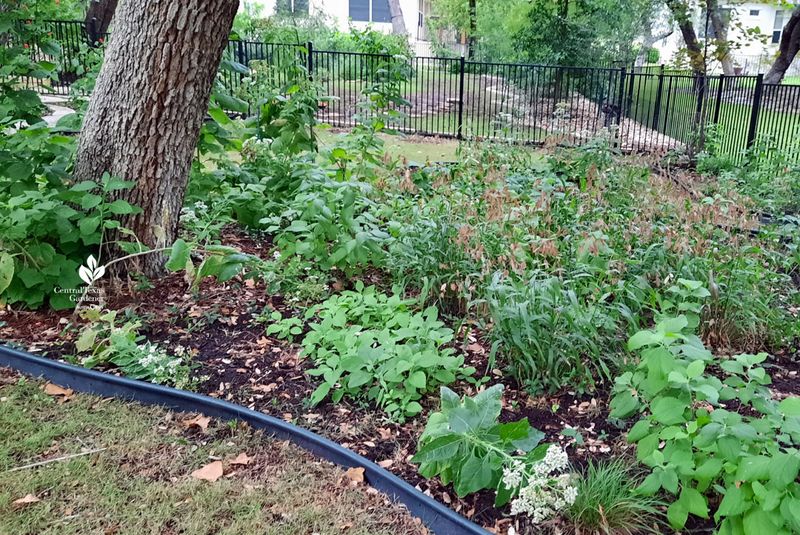
If the visit has you thinking about the plants in your yard, start with natives. Texas Parks and Wildlife habitat resources recommend native plants as sources of food and shelter for birds, and they point gardeners toward area-specific guidance because conditions vary across the state.
Possumhaw, also called deciduous yaupon, is one example of a Texas plant described as fruit-bearing in a TPWD plant factsheet. That makes it worth a look, but it is an example, not a prescription.
Texas has several ecoregions, and Central Texas alone spans caliche hills, blackland clay, and sandy soils. A shrub that thrives in one spot may struggle in another, so check your soil, sun, drainage, and how much water you can realistically give it.
No single plant guarantees a mockingbird will show up. What you can do is offer variety: plants that fruit at different times, some cover, and open space nearby.
Before buying, ask a local native plant nursery or your county extension office what suits your exact site. Fall is a good planting window in much of Central Texas, since cooler weather helps roots settle in before summer heat returns.
Protect the bird while managing the shrub
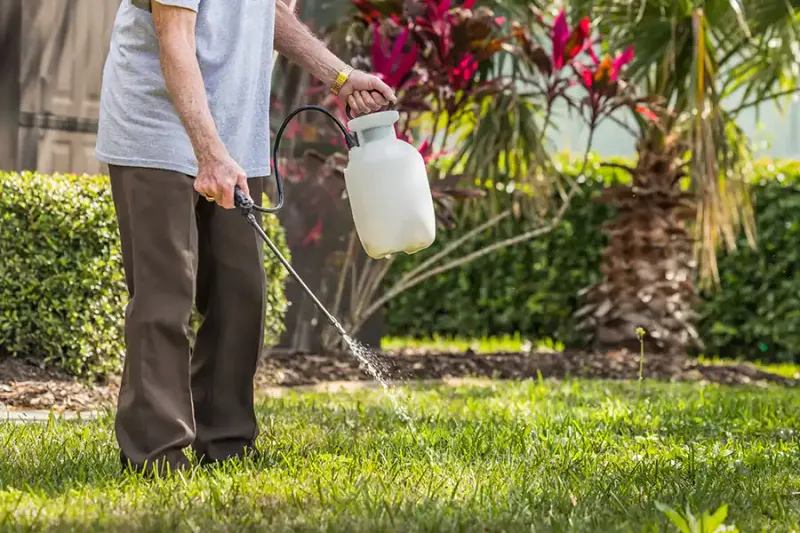
Berry shrubs sometimes attract pests, and it is natural to want to spray. The EPA’s tips for reducing pesticide impacts on wildlife suggest using pesticides only when needed, treating only the area that requires it, and following the product label closely.
In practice, that means checking first. Look for the actual problem on the leaves or stems, and skip blanket spraying across the whole yard.
Birds that eat insects and fruit can be exposed through both, so less is safer.
Conflicts with a bird are another matter. If a mockingbird is dive-bombing you or you find a nest in a spot that worries you, do not try to catch, move, or harm anything.
The Migratory Bird Treaty Act prohibits unauthorized take of protected migratory birds, and rules can apply to nests too.
The smarter move is to contact Texas Parks and Wildlife or the U.S. Fish and Wildlife Service for guidance on your situation.
Meanwhile, simple choices help: delay pruning near the shrub while the bird is active, and give it some space. Most standoffs fade on their own.
Read the visit as a seasonal clue, not a verdict
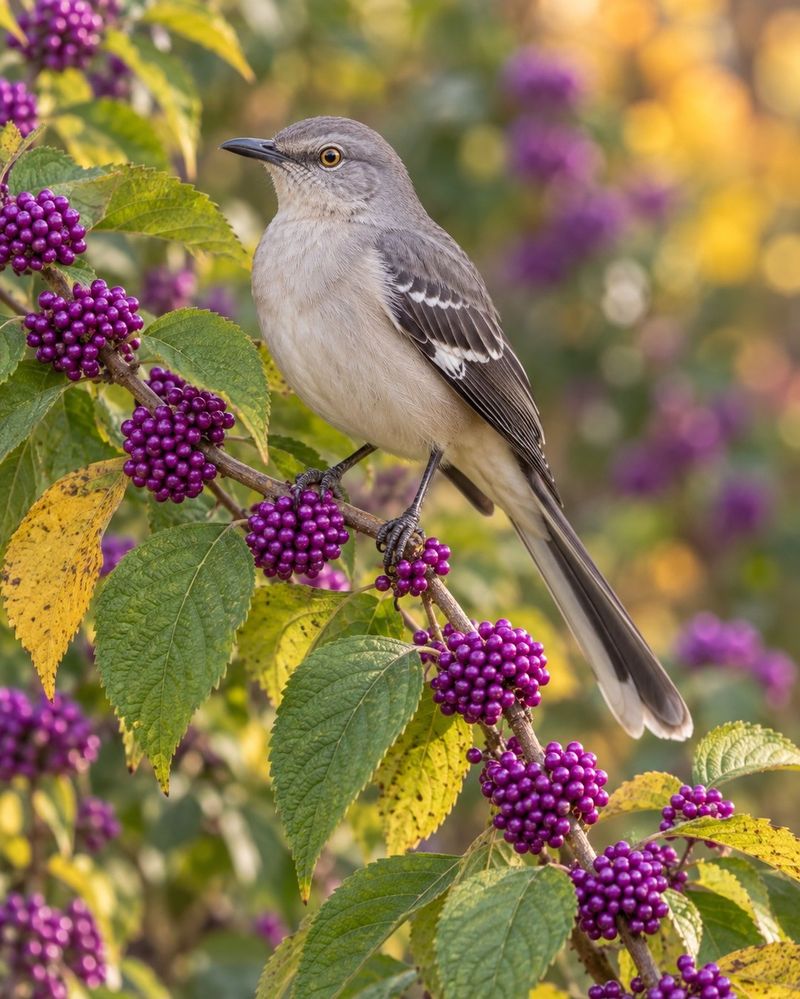
A mockingbird working your berry shrubs in fall is most likely defending a winter feeding territory, and the berries may be one useful resource among several, as Texas Parks and Wildlife describes. It says nothing certain about who owns the yard, how long the bird will stay, or how healthy your garden is.
Take it as a small, welcome clue, and let the bird keep its mystery.